
In the early days of social media, transparency was a core feature. Platforms were designed to be open windows into the digital lives of our social circles. On Instagram, this transparency was epitomized by the “Following” tab—a dedicated section where users could scroll through a real-time feed of every photo their friends liked, every comment they left, and every new account they followed. However, as the digital landscape shifted toward a more privacy-centric model, these features began to vanish.
Today, the question of “how to see what your friends liked on Instagram” is no longer answered by a single button. It requires an understanding of the app’s technical architecture, its evolving privacy policies, and the manual workarounds that remain available. This article explores the technical transition of Instagram’s interface and the legitimate ways to observe engagement in the current ecosystem.

The Evolution of Instagram’s Transparency: Why the “Following” Tab Disappeared
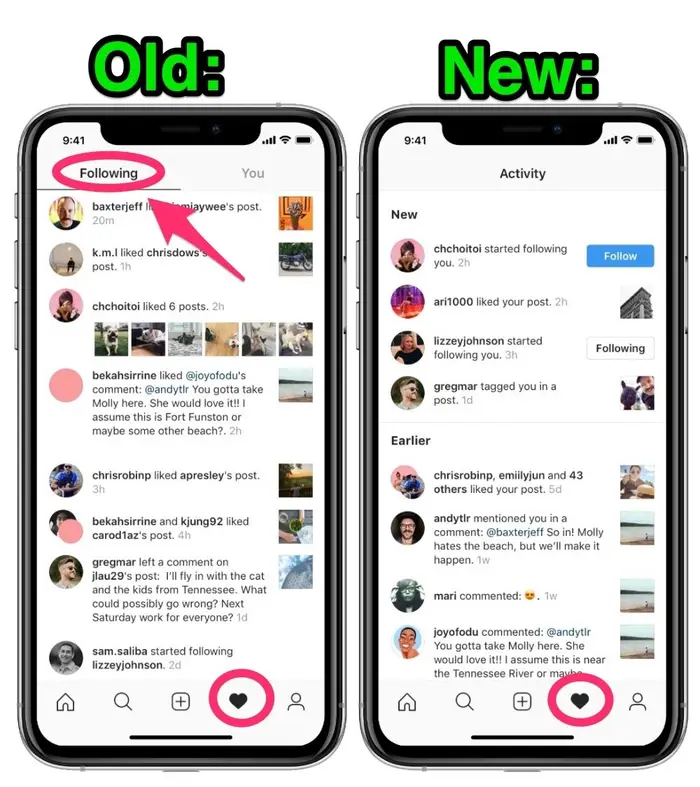
To understand the current state of Instagram, one must look back at the pivotal software update in October 2019. This was the moment Instagram officially retired the “Following” activity tab, a move that fundamentally altered how users interact with the platform.
The Legacy of the Following Activity Tab
The Following tab was a staple of the Instagram experience since its early years. Technically, it functioned as a simplified log of server-side actions performed by accounts you followed. From a user experience (UX) perspective, it provided a sense of community—or, as critics argued, a tool for surveillance. It allowed users to discover new content based on their friends’ tastes, but it also created social friction. The removal of this feature marked the end of the “open book” era of social networking.
Prioritizing User Privacy in the Modern App Era
Instagram’s decision to remove the activity feed wasn’t just a design choice; it was a response to global shifts in data privacy and digital well-being. Tech giants like Meta (formerly Facebook) faced increasing pressure to protect user data and reduce “passive stalking.” By hiding like activity, the platform aimed to decrease the pressure on users to perform for an audience and to minimize the potential for micro-aggressions or misunderstandings based on digital footprints. From a software development standpoint, this also streamlined the app’s background processes, as the app no longer needed to maintain a real-time, public-facing log of every interaction for every user.
Current Methods to Discover Engagement and Interactions
While the centralized feed is gone, Instagram’s software still allows for certain levels of visibility regarding engagement. These methods are manual and rely on the platform’s existing UI elements rather than automated tracking.
Manual Checking: The Direct Approach
The most reliable way to see if a friend has liked a specific post is to check the post itself. When you view a post from an account you both follow, Instagram’s algorithm prioritizes showing you likes from mutual connections.
- The Like List: Tap on the “Liked by…” text under a post. This opens a searchable list of everyone who has engaged with the content.
- The Search Function: Within that list, there is a search bar. By typing a friend’s username, you can instantly verify their engagement with that specific piece of media.
This process is a direct query of the post’s engagement database, filtered through your own social graph.
Exploring Shared Interests through the Explore Page
Instagram’s recommendation engine—the Explore Page—is built on a complex AI model that analyzes your interactions and the interactions of those you follow. If several of your friends have liked a particular post or a specific niche of content (e.g., tech gadgets or photography), the algorithm is highly likely to serve that content to your Explore feed. While it doesn’t explicitly label the post as “Liked by Friend X,” the presence of certain content is a technical indicator of what your social circle is engaging with.
Leveraging Notifications and Tags
Technology often provides breadcrumbs through notifications. If you are tagged in a post or a comment alongside a friend, Instagram will often notify you when that friend interacts with the post. Similarly, if you follow a “Small Business” or “Creator” account and have post notifications turned on, the “Activity” (heart) tab may occasionally show when a friend you follow likes a post from an account you also follow. This is a remnants of the old activity logic, though it is now inconsistent and algorithmically throttled.
Third-Party Tools and Security Implications
The absence of a built-in “Following” tab has led to the rise of third-party applications and websites that claim to restore this functionality. From a technical and security standpoint, these tools present significant risks.
The Risks of “Activity Tracker” Apps
Many apps found on third-party stores or advertised on social media promise to show you exactly what your friends are doing on Instagram. Most of these apps function in one of two ways:
- Web Scraping: They use automated scripts to “scrape” data from public profiles. This is often against Instagram’s Terms of Service and can result in the app being blocked or the user’s account being flagged.
- Phishing and Credential Harvesting: The most dangerous apps require you to log in with your Instagram credentials. Once you provide your username and password, the developers have full access to your account, personal messages, and linked data.
Protecting Your Digital Identity and Data
Instagram’s API (Application Programming Interface) is strictly regulated. In 2018, following the Cambridge Analytica scandal, Meta significantly restricted the data that third-party developers could access. Currently, there is no official API endpoint that allows an external app to view the “likes” of another user’s account unless that user has granted specific, high-level permissions within a business context. Therefore, any app claiming to provide this “stalking” functionality is likely a security threat or a scam designed to harvest data or serve aggressive advertising.
Understanding Instagram’s Algorithm and Personalized Feeds
To see what friends like is to understand how the Instagram algorithm interprets “signals.” Every like, share, and save is a signal that trains the AI to understand user preference.
How Interaction Data Shapes Your Experience
The Instagram algorithm uses a “ranking” system for every post. One of the key signals for ranking is “Information about the person who posted and your history of interacting with them.” However, another layer is “Your activity,” which includes posts you’ve liked. The tech behind this involves a neural network that predicts the probability of you liking a post based on your friends’ behavior. Thus, your feed becomes a reflection of your circle’s collective likes, even if the specific names are hidden.
Managing Your Own Activity Privacy Settings
Just as you might want to see what others like, others may want to see your activity. Instagram has introduced features to give users more technical control over this.
- Hiding Like Counts: Users can now hide the number of likes on their own posts, which also complicates the ability for others to see who liked the post without manually scrolling the list.
- Activity Status: While this doesn’t show “likes,” the Activity Status (the green dot) shows when you are online. Disabling this in the “Messages” settings is a common step for users looking to increase their digital privacy.
The Future of Social Interaction and Private Engagement
The shift away from public “likes” signals a broader trend in software development toward “private social spaces.”
The Shift Toward DMs and Close Friends Lists
As public feeds become more curated and scrutinized, user activity is moving into Direct Messages (DMs) and “Close Friends” Stories. These areas are encrypted or restricted by user-defined lists, making them invisible to the general public or even the broader “Following” list. From a tech perspective, this represents a move toward more secure, siloed data packets rather than an open, searchable database of social interactions.

Balancing Connection with Data Sovereignty
The technical difficulty of seeing what friends like on Instagram is a feature, not a bug. It represents a deliberate architectural choice to favor “Data Sovereignty”—the idea that a user should have control over their own digital footprint. As we move toward Web 3.0 and more decentralized social models, we can expect the visibility of user actions to become even more granular, with permissions-based access becoming the standard for all social interactions.
In conclusion, while the “Following” tab is a relic of the past, the interconnected nature of Instagram’s software means that some level of visibility still exists through manual searches and algorithmic suggestions. However, for the average user, the priority should remain on security and privacy. Avoiding third-party trackers and understanding the app’s internal settings is the best way to navigate the modern, more private version of Instagram. The era of total transparency has been replaced by an era of intentional sharing, a change that reflects the maturing landscape of global technology.
aViewFromTheCave is a participant in the Amazon Services LLC Associates Program, an affiliate advertising program designed to provide a means for sites to earn advertising fees by advertising and linking to Amazon.com. Amazon, the Amazon logo, AmazonSupply, and the AmazonSupply logo are trademarks of Amazon.com, Inc. or its affiliates. As an Amazon Associate we earn affiliate commissions from qualifying purchases.