
In an era of fluctuating market conditions and rising living costs, the ability to save while adhering to a strict budget is not merely a financial skill—it is a cornerstone of personal freedom. Many view budgeting as a restrictive practice, a series of “nos” that limit one’s quality of life. However, true budgeting is the art of optimization. It is the strategic allocation of resources to ensure that every dollar works toward a defined purpose, whether that is short-term stability or long-term wealth accumulation. To save effectively on a budget requires a shift in perspective from scarcity to stewardship, utilizing sophisticated frameworks to maximize the delta between income and expenditure.
Foundations of the Modern Budgeting System
The first step in saving on a budget is establishing a structural framework that removes the guesswork from daily spending. Without a system, financial decisions are made based on impulse or immediate emotion, which rarely aligns with long-term goals.
The 50/30/20 Rule: Simplicity Meets Strategy
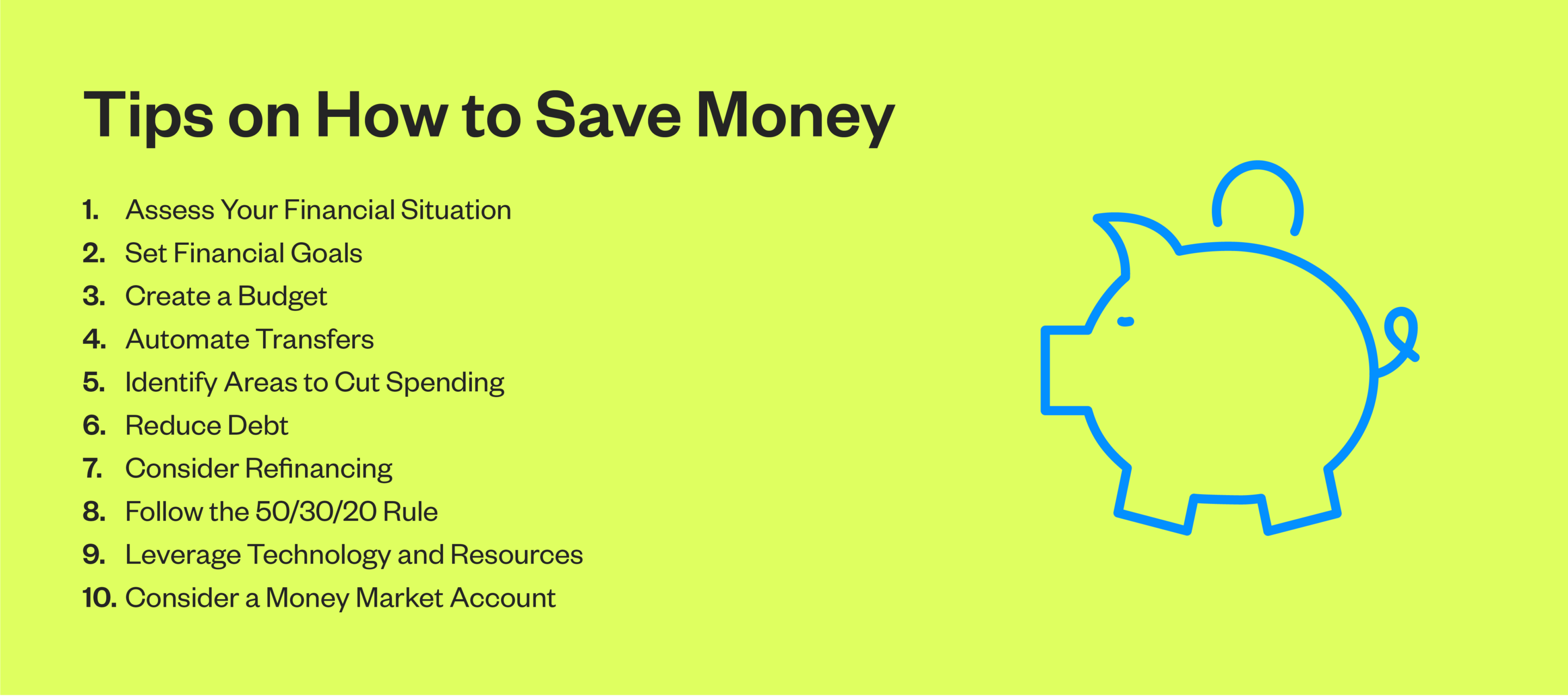
The 50/30/20 rule is perhaps the most recognized framework for those looking to balance their lifestyle with savings. It dictates that 50% of after-tax income should go toward “Needs” (housing, utilities, groceries, insurance), 30% toward “Wants” (entertainment, dining out, hobbies), and 20% toward “Savings and Debt Repayment.”
When operating on a tight budget, the “Savings” portion is often the first to be neglected. To save effectively, one must treat the 20% allocation as a non-negotiable fixed expense. By categorizing savings as a “need” rather than an afterthought, you create a psychological barrier against overspending in the “wants” category.
Zero-Based Budgeting: Giving Every Dollar a Job
For those who find themselves wondering where their money went at the end of the month, zero-based budgeting offers a more granular solution. In this model, your total income minus your total expenses must equal zero. This does not mean you have zero dollars in your bank account; rather, it means every cent is assigned to a specific category, including savings, investments, and emergency funds.
This method forces a high level of intentionality. If you want to spend more on a specific “want,” you must actively decide which other category to reduce. This friction is essential for saving on a budget, as it highlights the opportunity cost of every purchase.
Reverse Budgeting: Prioritizing Future Growth
Also known as “Paying Yourself First,” reverse budgeting flips the traditional model on its head. Instead of calculating what is left over for savings after expenses, you determine your savings goal first, automate that transfer on payday, and then live on whatever remains. This approach is highly effective because it forces the individual to adapt their lifestyle to their financial goals, rather than hoping their financial goals fit into their lifestyle.
Optimizing Recurring Expenses and Fixed Costs
While many people focus on cutting small, daily luxuries—like the proverbial latte—the most significant gains in saving on a budget come from optimizing large, recurring expenses. These are the “silent” drains on capital that, once reduced, provide cumulative benefits month after month.
Auditing Subscriptions and Hidden Fees
The subscription economy has made it remarkably easy to lose track of small, recurring payments. From streaming services and software licenses to gym memberships and premium app tiers, these costs can easily total hundreds of dollars a month.
A thorough audit involves reviewing the last three months of bank and credit card statements. Identify any service that has not been used in the last 30 days and cancel it immediately. For services you do use, investigate “family plans” or annual billing options, which typically offer a 10% to 20% discount over monthly rates.
Refinancing and Interest Rate Management
Debt is often the single largest obstacle to saving. When on a budget, the interest paid on credit cards or high-interest loans is lost capital that could have been earning interest in a savings account.
Consider a “debt avalanche” or “debt snowball” method to clear balances. Furthermore, if you have a high credit score, look into balance transfer credit cards with 0% introductory APR periods or personal loans to consolidate high-interest debt into a single, lower-rate payment. Lowering your interest rate by even 2% or 3% can free up significant monthly cash flow for savings.
Energy Efficiency and Household Overhead
Fixed household costs such as electricity, water, and heating are often overlooked. However, small behavioral shifts can lead to substantial savings. Investing in a programmable thermostat, switching to LED lighting, and insulating windows can reduce utility bills by 10% to 15%. Additionally, many utility providers offer “time-of-use” pricing; shifting high-energy tasks like laundry or dishwashing to off-peak hours can result in direct monthly savings.
Tactical Approaches to Variable Spending

Variable spending—primarily food, transportation, and discretionary shopping—is where budgets are most frequently broken. Mastering these categories requires a blend of discipline and logistical planning.
Masterful Meal Planning and Grocery Logistics
Food is often the largest variable expense. To save on a budget, one must move away from convenience-based eating toward a logistics-based approach.
Meal planning is the primary tool here. By planning a week of meals around common ingredients, you reduce food waste and prevent the impulse to order takeout. Additionally, shopping at discount wholesalers or focusing on “store brands” (which are often identical in quality to name brands) can reduce grocery bills by 25% or more. Always shop with a list and avoid the “unit price trap” by checking the price per ounce or gram to ensure bulk purchases are actually providing value.
The “Wait-and-See” Rule for Discretionary Purchases
Impulse buying is the enemy of the budget. To combat this, implement a mandatory waiting period for any non-essential purchase over a certain threshold (e.g., $50).
A 72-hour or 30-day “cool-down” period allows the initial emotional surge of a purchase to fade. Frequently, you will find that the perceived “need” for the item disappears after a few days. This practice alone can save thousands of dollars a year by eliminating “clutter” purchases that do not contribute to long-term happiness or utility.
Leveraging Cashback and Loyalty Ecosystems
If you must spend, you should do so in a way that recaptures a percentage of that capital. Utilizing cashback credit cards (paid off in full each month to avoid interest) and browser extensions that find coupons or offer rebates can provide a “discount” on necessary spending. While this should not be used as an excuse to spend more, it is an effective way to optimize the spending that is already occurring within your budget.
Advanced Saving Strategies for Long-Term Wealth
Once the budget is stabilized and spending is optimized, the focus must shift to where the saved capital is placed. Not all savings are equal; the vehicle you choose for your money determines its growth and accessibility.
Building an Ironclad Emergency Fund
The primary purpose of saving on a budget is to create a buffer against the unexpected. An emergency fund consisting of three to six months of essential living expenses should be the first priority. This fund should be kept in a High-Yield Savings Account (HYSA). Unlike traditional savings accounts that offer negligible interest, an HYSA allows your emergency fund to keep pace with—or even slightly exceed—inflation, ensuring your “safety net” doesn’t lose its purchasing power over time.
Tax-Advantaged Savings Vehicles
For those looking to save for the long term, utilizing tax-advantaged accounts is essential. If your employer offers a 401(k) match, this is essentially a 100% return on your investment and should be the first place your savings go. Beyond the match, contributing to a Roth IRA or a traditional IRA allows your savings to grow tax-free or tax-deferred. By reducing your taxable income or eliminating future taxes on gains, you are effectively “saving” more than you would in a standard brokerage account.
High-Yield Cash Management
For short-term savings goals—such as a house down payment or a new vehicle—consider Certificates of Deposit (CDs) or Money Market Accounts. These tools often offer higher interest rates than standard savings accounts in exchange for keeping the money untouched for a set period. In a high-interest-rate environment, these “cash-like” instruments are excellent ways to grow a budget-restricted savings pool with zero risk to the principal.
Psychology and Habit Formation in Financial Management
Ultimately, saving on a budget is a behavioral challenge rather than a mathematical one. The most sophisticated spreadsheet in the world cannot save money if the individual does not have the discipline to follow it.
Overcoming Lifestyle Creep
As income increases, there is a natural tendency to increase spending—a phenomenon known as lifestyle creep. To save effectively, one must consciously decide to maintain their current standard of living even as their earnings grow. By “hiding” raises and bonuses in savings or investment accounts before they ever hit the checking account, you can accelerate your savings rate without feeling any sense of deprivation.
The Power of Automation
The most successful savers are those who remove human error from the equation. Automation is the “set it and forget it” solution to financial discipline. Set up automatic transfers from your checking account to your savings and investment accounts on the day your paycheck is deposited. When saving becomes a background process rather than a monthly decision, the psychological friction of “giving up” money is eliminated.

Defining Your “Why”
Budgeting is hard work, and saving requires sacrifice. To sustain these habits over years and decades, you must have a clear vision of what you are saving for. Whether it is the security of early retirement, the ability to start a business, or providing for a family, a strong “why” provides the emotional fortitude needed to stick to a budget when temptations arise.
By combining structured budgeting frameworks, aggressive optimization of fixed and variable costs, and the strategic use of financial tools, saving on a budget transforms from a chore into a powerful engine for wealth creation. It is not about how much you make, but how much you keep—and more importantly, what that kept capital allows you to achieve in the future.
aViewFromTheCave is a participant in the Amazon Services LLC Associates Program, an affiliate advertising program designed to provide a means for sites to earn advertising fees by advertising and linking to Amazon.com. Amazon, the Amazon logo, AmazonSupply, and the AmazonSupply logo are trademarks of Amazon.com, Inc. or its affiliates. As an Amazon Associate we earn affiliate commissions from qualifying purchases.