
In a world increasingly driven by consumerism and immediate gratification, the art of saving money often feels like a daunting, even impossible, task. Yet, financial security and the ability to pursue life’s larger goals are inextricably linked to our capacity to manage and save our earnings effectively. Saving isn’t just about accumulating wealth; it’s about building resilience, achieving freedom, and creating a buffer against life’s inevitable uncertainties. It empowers you to make choices, pursue dreams, and ultimately, live a life with less financial stress.
This comprehensive guide will walk you through the essential steps, strategies, and mindsets required to not just save money, but to build a robust financial foundation that supports your aspirations. From understanding your current financial landscape to leveraging smart tools and planning for the long term, we’ll delve into actionable advice designed to transform your relationship with money and cultivate lasting savings habits. Embarking on this journey requires discipline and patience, but the rewards—peace of mind, flexibility, and the realization of your financial goals—are immeasurable.
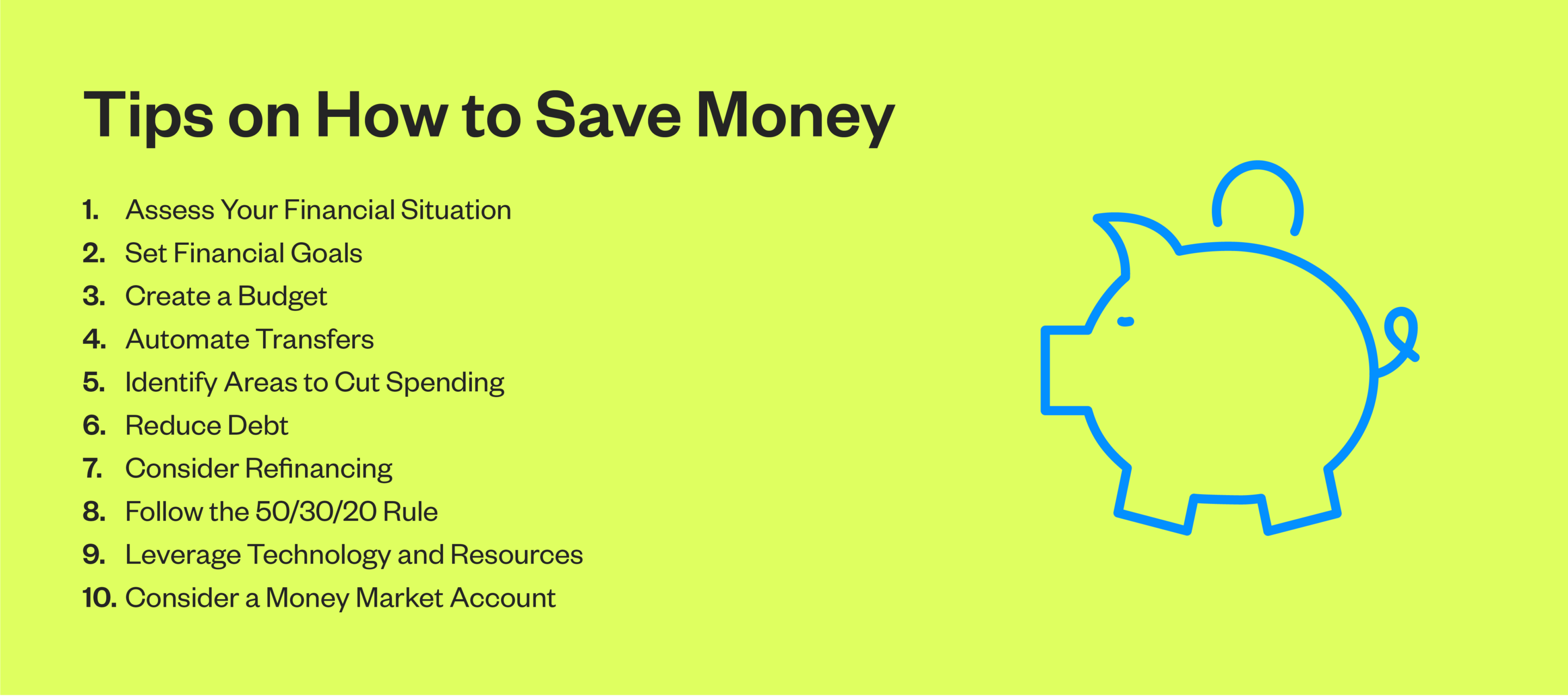
Building a Solid Foundation: Understanding Your Finances
The first step in any successful savings plan is to gain absolute clarity on your current financial situation. You cannot effectively chart a course for where you want to go if you don’t know where you currently stand. This initial assessment provides the raw data necessary to make informed decisions and identify areas for improvement.
Tracking Income and Expenses: The First Step
Before you can begin to save, you need to understand precisely how much money is coming in and where every dollar is going out. This foundational step is often overlooked but is the bedrock of financial planning. For one to three months, meticulously track every single transaction. This can be done using a spreadsheet, a dedicated budgeting app (like Mint, YNAB, or Personal Capital), or even a simple notebook. The goal is not to judge your spending at this stage, but simply to gather data. Record all sources of income, and categorize all expenses—rent, groceries, utilities, transportation, dining out, entertainment, subscriptions, loan payments, and so forth. This exercise often reveals surprising patterns and “money leaks” that you weren’t aware of. It’s an illuminating, sometimes uncomfortable, but always necessary awakening.
Crafting a Realistic Budget: Your Financial Roadmap
Once you have a clear picture of your income and spending patterns, the next crucial step is to create a realistic and actionable budget. A budget isn’t about restriction; it’s about intentional spending and giving every dollar a job. Start by allocating funds based on your tracked expenses, but then consciously adjust them to align with your savings goals. A popular guideline is the 50/30/20 rule: allocate 50% of your after-tax income to needs (housing, utilities, groceries, transportation), 30% to wants (dining out, entertainment, hobbies, travel), and 20% to savings and debt repayment. While this is a good starting point, feel free to customize it to your unique circumstances and financial objectives. The key is to create a budget that is sustainable and that you can stick to consistently. Regularly review and adjust your budget as your income, expenses, or goals change.
Differentiating Needs vs. Wants: Prioritizing Spending
A critical component of effective budgeting and saving is the ability to discern between needs and wants. Needs are essential for survival and basic living: shelter, food, utilities, essential transportation, and healthcare. Wants are discretionary items that improve your quality of life but aren’t strictly necessary: dining out, new gadgets, expensive clothing, streaming services, vacations, and premium coffee. Be brutally honest with yourself when categorizing expenses. Many items we perceive as needs are often wants in disguise (e.g., a luxury car vs. reliable transportation). By consciously reducing spending on wants, you free up significant funds that can be redirected towards savings, accelerating your progress towards financial goals. This doesn’t mean eliminating all wants, but rather making conscious choices about which wants bring you the most value and which you can forgo for greater financial security.
Strategic Approaches to Reducing Your Outgoings
With a clear understanding of your finances and a solid budget in place, the next phase involves actively implementing strategies to reduce your monthly expenses. This doesn’t necessarily mean living a life of deprivation, but rather making smarter choices and finding efficiencies in your spending.
Attacking Variable Expenses: Food, Entertainment, Transportation
Variable expenses are often the easiest targets for immediate savings because they fluctuate month-to-month and offer significant flexibility.
-
Food: This is typically one of the largest categories for most households. Strategies include meal planning, cooking at home more often, packing lunches, buying generic brands, utilizing coupons and sales, and minimizing food waste. Dining out or ordering takeout should be treated as an occasional treat rather than a default.
-
Entertainment: Review your entertainment budget. Can you swap expensive nights out for cheaper alternatives like picnics, game nights at home, or free community events? Consider “no-spend” weekends. Prioritize experiences that genuinely bring you joy and cut back on those that are habitual but less fulfilling.
-
Transportation: Explore options like carpooling, public transport, biking, or walking if feasible. If you own a car, look into optimizing fuel efficiency, regular maintenance to prevent costly repairs, and comparing insurance rates annually. For long-term savings, consider if you truly need a car, or if a less expensive model would suffice.
Optimizing Fixed Expenses: Housing, Utilities, Subscriptions
While generally harder to change, fixed expenses can offer substantial long-term savings if addressed strategically.
-
Housing: This is often the largest fixed expense. While moving isn’t always an immediate option, explore possibilities like downsizing, finding a roommate, or negotiating rent upon lease renewal. If you’re a homeowner, refinancing your mortgage at a lower interest rate could save you thousands over time.
-
Utilities: Be mindful of energy consumption. Unplug electronics when not in use, adjust your thermostat, use energy-efficient appliances, seal drafts, and take shorter showers. Compare utility providers if options are available in your area.
-
Subscriptions: Conduct a regular audit of all your subscriptions—streaming services, gym memberships, apps, software, magazines. Cancel anything you don’t use regularly or consolidate services where possible. Many people are surprised by how much they spend on forgotten subscriptions.
Smart Shopping and Debt Management

Beyond direct expense cuts, adopting smarter shopping habits and aggressively managing debt are powerful ways to free up cash for savings.
-
Smart Shopping: Always compare prices before making significant purchases. Utilize discount codes, cash-back apps, and loyalty programs. Buy secondhand when appropriate (clothes, furniture, electronics). Avoid impulse purchases by implementing a 24-48 hour waiting period before buying non-essential items. Focus on value and longevity over fleeting trends.
-
Debt Management: High-interest debt, especially credit card debt, is a major impediment to saving. Prioritize paying down high-interest debt aggressively. Consider strategies like the debt snowball or debt avalanche method. Consolidating high-interest debt into a lower-interest loan can also significantly reduce your monthly payments and interest accrual, freeing up funds for savings. Every dollar saved on interest is a dollar you can save for yourself.
Cultivating a Powerful Savings Mindset and System
Saving money isn’t just about cutting costs; it’s equally about developing a proactive mindset and establishing robust systems that make saving habitual and effortless. These behavioral strategies ensure your savings efforts are consistent and effective.
Setting Clear Financial Goals: Short-term and Long-term
Saving without a purpose is like sailing without a destination. Clear, specific financial goals provide motivation and direction.
-
Short-term goals (1-3 years): An emergency fund, a down payment for a car, a vacation, or paying off a specific debt.
-
Mid-term goals (3-10 years): A down payment for a home, funding for education, or starting a small business.
-
Long-term goals (10+ years): Retirement planning, significant investments, or leaving an inheritance.
For each goal, specify the exact amount needed and the target date. This transforms abstract “saving money” into a tangible, achievable project. Break down large goals into smaller, manageable milestones to maintain momentum and celebrate progress along the way. Regularly visualize the achievement of these goals to reinforce your commitment.
Automating Your Savings: The “Pay Yourself First” Principle
Perhaps the most effective savings strategy is to automate the process, adopting the “pay yourself first” principle. This means treating your savings contributions as a non-negotiable expense, just like rent or utilities, and prioritizing it before any discretionary spending. Set up automatic transfers from your checking account to your savings account (or investment account) immediately after you get paid. Even small, consistent amounts add up significantly over time. Automating removes the temptation to spend the money and ensures that saving becomes a habit rather than an afterthought. Start with an amount you’re comfortable with and gradually increase it as your income grows or expenses decrease.
Building an Emergency Fund: Your Financial Safety Net
One of the most critical short-term savings goals should be establishing a robust emergency fund. This is a separate savings account specifically for unexpected expenses like job loss, medical emergencies, or unforeseen car repairs. The general recommendation is to save 3-6 months’ worth of essential living expenses. For added security, some experts suggest up to 12 months. This fund provides a crucial safety net, preventing you from going into debt or derailing your long-term financial goals when life inevitably throws a curveball. Keep this money in an easily accessible, high-yield savings account, but separate from your everyday checking account to avoid accidental spending. The peace of mind an emergency fund provides is invaluable.
Maximizing Your Savings and Planning for the Future
Once you have a handle on your current finances, have reduced your expenses, and built a consistent saving habit, the focus shifts to optimizing your savings and planning for long-term wealth creation. This involves making your money work harder for you.
Smart Investing for Growth: Making Your Money Work
While a savings account is ideal for an emergency fund and short-term goals, it typically offers low returns, meaning your money may barely keep pace with inflation. For long-term goals like retirement or a house down payment, investing is essential to grow your wealth significantly.
-
Understand Risk Tolerance: Before investing, assess your comfort level with risk. Different investments carry different levels of risk and potential return.
-
Start Early: Compounding interest is a powerful force; the earlier you start investing, the more time your money has to grow.
-
Diversify: Don’t put all your eggs in one basket. Spread your investments across different asset classes (stocks, bonds, real estate) and industries to mitigate risk.
-
Utilize Tax-Advantaged Accounts: Maximize contributions to retirement accounts like 401(k)s (especially if your employer offers a match – that’s free money!), IRAs, or HSAs. These accounts offer significant tax benefits that can boost your long-term growth.
-
Consider Low-Cost Index Funds/ETFs: For beginners, these funds offer diversification and typically outperform actively managed funds over the long term, with much lower fees.
Educate yourself through reputable financial resources, consider speaking with a financial advisor, and start small if necessary. The goal is consistent, long-term growth.
Leveraging Financial Tools and Technology
The digital age offers an abundance of tools designed to simplify and enhance your savings journey.
-
Budgeting Apps: As mentioned, apps like Mint, YNAB, and Personal Capital can automate expense tracking, categorize spending, and provide visual insights into your financial health.
-
High-Yield Savings Accounts: Move your emergency fund and short-term savings to online high-yield savings accounts. These typically offer significantly higher interest rates than traditional brick-and-mortar banks.
-
Investment Platforms: Robo-advisors (e.g., Betterment, Wealthfront) offer automated, low-cost investment management tailored to your risk profile. Traditional brokerages (e.g., Fidelity, Vanguard, Charles Schwab) provide more control for those who want to manage their own investments.
-
Automated Savings Apps: Apps like Acorns or Chime can round up your purchases to the nearest dollar and invest the change, or set up micro-savings goals, making saving feel effortless.
-
Price Comparison Websites/Browser Extensions: Tools like Honey, CamelCamelCamel, or Google Shopping can help ensure you’re getting the best deal on purchases, effectively saving you money without extra effort.

Regular Reviews and Adjustments: Staying on Track
Financial planning is not a one-time event; it’s an ongoing process. Your life circumstances, income, expenses, and goals will inevitably change. Therefore, it’s crucial to regularly review and adjust your financial plan.
-
Monthly Check-ins: Briefly review your budget, track your spending against it, and ensure your automated savings are on course.
-
Quarterly Reviews: Take a deeper dive. Are your goals still relevant? Have your income or major expenses changed? Are there new opportunities to save or invest more?
-
Annual Comprehensive Review: This is the time to reassess everything. Review your entire financial picture, including investments, insurance policies, debt repayment plans, and retirement contributions. Adjust your budget and savings goals as needed. Celebrate your successes and learn from any setbacks. This proactive approach ensures your financial plan remains aligned with your evolving life.
Saving money is a journey, not a destination. It requires consistent effort, self-awareness, and adaptability. By implementing the strategies outlined above—from building a solid financial foundation and strategically reducing expenses to cultivating a powerful savings mindset and leveraging modern tools—you can gain control over your finances, build significant wealth, and unlock a future filled with greater security and possibilities. Start today, stay disciplined, and watch your financial future transform.
aViewFromTheCave is a participant in the Amazon Services LLC Associates Program, an affiliate advertising program designed to provide a means for sites to earn advertising fees by advertising and linking to Amazon.com. Amazon, the Amazon logo, AmazonSupply, and the AmazonSupply logo are trademarks of Amazon.com, Inc. or its affiliates. As an Amazon Associate we earn affiliate commissions from qualifying purchases.