
Saving money isn’t just about stashing away a few dollars whenever possible; it’s a fundamental pillar of financial stability and future prosperity. In an increasingly complex economic landscape, mastering the art of saving money better is not merely a suggestion but a necessity. It empowers individuals to achieve their dreams, weather unforeseen financial storms, and build a legacy. This comprehensive guide will transcend simplistic advice, delving into the strategic frameworks, practical tools, and psychological shifts required to transform your financial habits and elevate your savings game.
I. Understanding Your Financial Landscape: The Foundation of Better Savings
Before you can effectively save, you must first understand where your money comes from and where it goes. This initial phase is critical for establishing a realistic and sustainable savings plan. Without this clarity, any saving efforts are akin to navigating a ship without a compass.
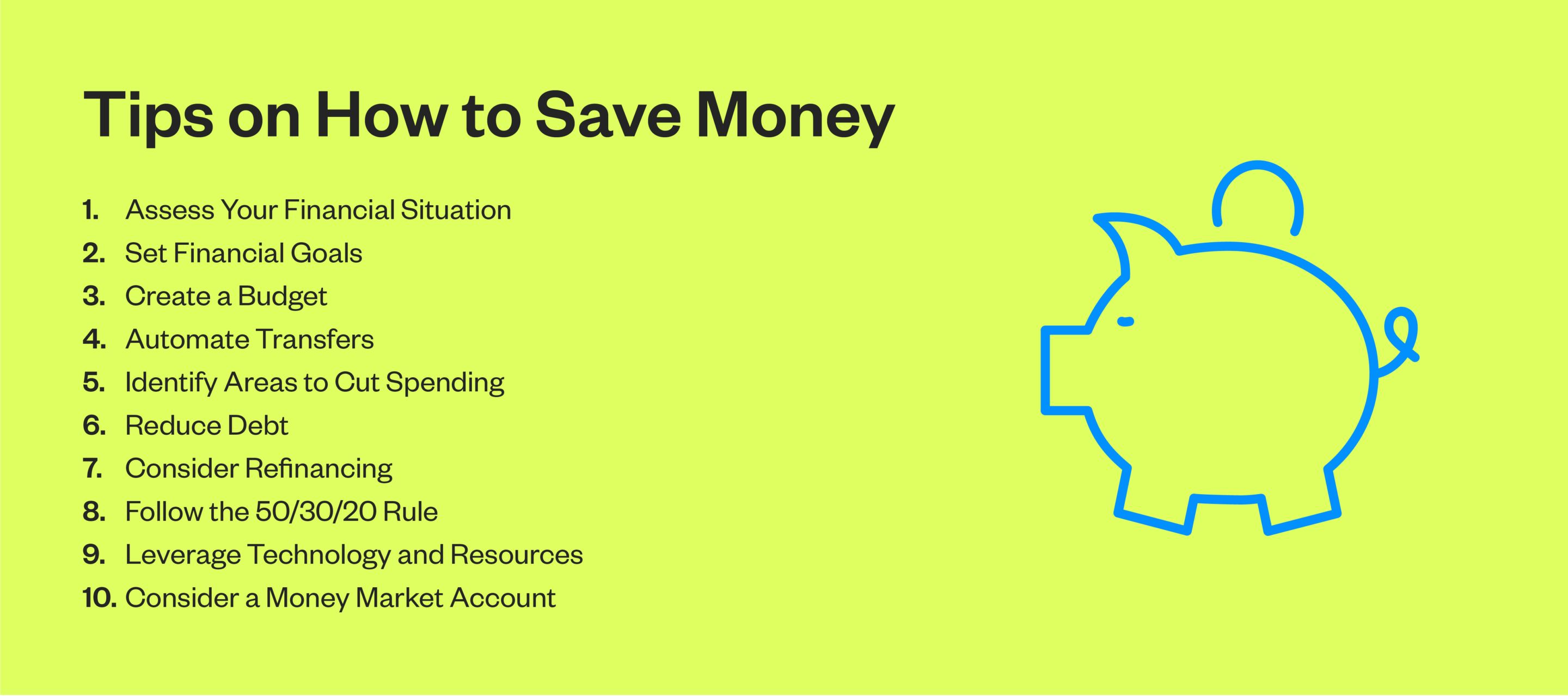
The Importance of a Financial Snapshot
A financial snapshot provides a clear, concise overview of your current monetary situation. This involves detailing all assets (what you own) and liabilities (what you owe). Understanding your net worth—the difference between your assets and liabilities—is a powerful motivator and a baseline from which to measure progress. It reveals the true state of your financial health, highlighting areas of strength and areas that require attention. Regularly updating this snapshot, perhaps quarterly, allows you to observe trends and celebrate improvements.
Tracking Income and Expenses: The First Step
The cornerstone of better saving is meticulously tracking every dollar earned and spent. Many people underestimate their discretionary spending or simply don’t know where their money vanishes. Income tracking is straightforward: record all sources of income, including your primary salary, freelance earnings, dividends, or any other money coming in. Expense tracking, however, requires diligence. Categorize your spending into fixed costs (rent, loan payments, insurance) and variable costs (groceries, entertainment, dining out). This can be done manually with a spreadsheet, using budgeting apps, or through features offered by your bank. The goal is to identify patterns, pinpoint spending leaks, and gain full visibility into your cash flow. This data-driven approach removes guesswork and grounds your savings strategy in reality.
Setting Clear, Achievable Financial Goals
Saving without a purpose often leads to faltering motivation. Financial goals provide direction and urgency. These goals should be SMART: Specific, Measurable, Achievable, Relevant, and Time-bound. Do you want to save for a down payment on a house in five years? An emergency fund covering six months of expenses within two years? A child’s education fund? A luxurious vacation next year? Break larger goals into smaller, more manageable milestones. For instance, saving $30,000 for a down payment in 36 months means saving approximately $833 per month. Clearly defined goals not only make saving tangible but also help you prioritize your spending and savings efforts, turning abstract desires into concrete financial actions.
II. Strategic Budgeting and Expense Optimization
Once you have a clear picture of your finances and a set of goals, the next step is to implement a robust budgeting strategy and actively seek ways to optimize your expenses. This isn’t about deprivation; it’s about intentional spending and making your money work harder for you.
Choosing the Right Budgeting Method
There isn’t a one-size-fits-all budgeting approach. The key is to find a method that aligns with your lifestyle and financial habits.
- The 50/30/20 Rule: This popular method allocates 50% of your income to needs (housing, utilities, groceries), 30% to wants (entertainment, dining out, hobbies), and 20% to savings and debt repayment. It offers a simple framework for broad allocation.
- Zero-Based Budgeting: Every dollar of income is assigned a specific job (expense, saving, debt repayment) until your income minus your expenses equals zero. This method demands strict discipline but ensures every dollar is accounted for, leaving no room for aimless spending.
- The Envelope System: A tactile approach where cash for various variable expense categories is placed into physical envelopes. Once an envelope is empty, spending in that category stops. This is excellent for those who struggle with digital overspending.
- Pay Yourself First: Automate your savings transfer immediately after receiving your paycheck. This ensures your savings goal is met before any discretionary spending occurs, treating saving as a non-negotiable expense.
Identifying and Eliminating Unnecessary Expenses
Armed with your expense tracking data, critically review your spending. Are there subscriptions you no longer use? Gym memberships you rarely attend? Daily coffee habits that add up? Identify these “money leaks” and cut them without guilt. Even small, recurring expenses can significantly impact your annual savings. For instance, a $5 daily coffee costs $1,825 a year. Evaluate if the value you receive truly justifies the cost. This isn’t about cutting necessities but about making conscious choices to align spending with your values and financial goals.
Smart Spending: Leveraging Discounts, Sales, and DIY
Optimizing expenses doesn’t always mean cutting; it often means spending smarter.
- Comparison Shopping: Before making any significant purchase, compare prices across different retailers, both online and in-store. Use price comparison websites and browser extensions.
- Sales Cycles and Discounts: Learn when items typically go on sale (e.g., electronics after new models release, clothing end of season). Look for coupons, promo codes, and loyalty programs.
- DIY and Frugal Alternatives: Can you cook at home instead of dining out? Repair something yourself instead of replacing it? Carpool or use public transport instead of driving? Embrace the satisfaction of creating or doing things yourself.
- Strategic Grocery Shopping: Plan meals, make a list, avoid shopping while hungry, and buy in bulk for non-perishables when discounts are available.
Automating Savings for Consistency
One of the most powerful strategies for better saving is automation. Set up automatic transfers from your checking account to your savings account (or investment account) on your payday. Treat these transfers as non-negotiable bills. Even small, consistent contributions add up significantly over time thanks to the power of compounding. Automation removes the psychological barrier of having to “decide” to save, turning it into a seamless, automatic habit.
III. Enhancing Your Savings Through Smart Financial Tools and Habits
In the digital age, a plethora of tools and refined habits can significantly bolster your saving efforts. Leveraging technology and cultivating discipline can turn daunting financial tasks into manageable routines.
Utilizing Digital Budgeting Apps and Financial Software
Modern financial tools have revolutionized personal money management. Apps like Mint, YNAB (You Need A Budget), Personal Capital, or PocketGuard offer robust features for tracking income and expenses, categorizing spending, setting budgets, and visualizing your financial health. Many integrate with your bank accounts and credit cards, providing real-time data. These tools offer invaluable insights into spending patterns, help identify areas for improvement, and simplify the often tedious process of financial tracking, freeing you to focus on strategic decisions.

The Power of Emergency Funds and Sinking Funds
An emergency fund is your financial safety net, typically 3-6 months’ worth of living expenses stored in an easily accessible, separate savings account. It prevents unexpected events (job loss, medical emergency, car repair) from derailing your financial progress or forcing you into debt. Sinking funds are similar but for planned future expenses, such as a new car, home renovations, or a vacation. Instead of scrambling when a large expense arises, you systematically save for it over time, alleviating financial stress and preventing impulse debt. Maintaining separate accounts or distinct categories within your budgeting app for these funds reinforces their specific purpose.
Reviewing and Optimizing Recurring Subscriptions and Bills
Take an annual inventory of all your recurring expenses. This includes streaming services, software subscriptions, gym memberships, mobile phone plans, and insurance policies. Ask yourself:
- Do I still use this service regularly?
- Can I get a better deal elsewhere?
- Can I bundle services to save money?
- Is there a free or cheaper alternative?
Negotiate with service providers for better rates, especially for internet, cable, and insurance. Many companies offer loyalty discounts or are willing to match competitor prices. Cancelling unused subscriptions can free up significant monthly cash flow that can be redirected to savings.
Embracing the “Wait and See” Approach for Major Purchases
Impulse buying, particularly for larger items, can quickly sabotage savings goals. Implement a “wait and see” rule: for any non-essential purchase above a certain threshold (e.g., $100 or $200), commit to waiting 24-72 hours before buying. This cooling-off period allows you to evaluate if the purchase is truly necessary, if you can find it cheaper elsewhere, or if it aligns with your long-term financial goals. Often, the urge to buy fades, and you realize the money is better allocated to your savings or investment accounts.
IV. Growing Your Money: Beyond Basic Savings
Saving money better also means understanding how to make your saved money work for you. Beyond simply accumulating cash, strategic allocation can significantly accelerate your wealth building.
High-Yield Savings Accounts and Certificates of Deposit (CDs)
While traditional savings accounts offer meager interest rates, high-yield savings accounts (HYSAs), often found at online banks, can offer significantly better returns. This allows your emergency fund and short-term savings to grow faster without taking on investment risk. Certificates of Deposit (CDs) are another low-risk option where you lock your money away for a specific period (e.g., 6 months to 5 years) in exchange for a fixed interest rate, typically higher than HYSAs. They’re suitable for funds you won’t need immediate access to, providing predictable returns.
Exploring Low-Risk Investment Options
Once you have a fully funded emergency account, consider moving beyond cash savings into low-risk investment vehicles to combat inflation and generate greater returns.
- Exchange-Traded Funds (ETFs): These are baskets of various stocks, bonds, or other assets that trade like individual stocks. They offer diversification at a low cost, making them excellent for beginners. Index ETFs, in particular, aim to track a specific market index (like the S&P 500) and are known for their low expense ratios and broad market exposure.
- Mutual Funds: Similar to ETFs, mutual funds pool money from many investors to buy a diversified portfolio. They are managed by professionals, which can be an advantage for those who prefer a hands-off approach, though they often come with higher fees than ETFs.
These options provide exposure to market growth with less volatility than individual stocks, making them suitable for medium-to long-term savings goals.
The Role of Retirement Accounts (401(k), IRA) in Long-Term Savings
Saving for retirement is perhaps the most critical long-term savings goal. Retirement accounts like 401(k)s (employer-sponsored) and Individual Retirement Accounts (IRAs) offer significant tax advantages that supercharge your savings.
- 401(k): Contributions are often pre-tax, reducing your taxable income now. Many employers offer matching contributions, which is essentially free money – always contribute at least enough to get the full match.
- Traditional IRA: Contributions may be tax-deductible, and growth is tax-deferred until retirement.
- Roth IRA: Contributions are made with after-tax money, but qualified withdrawals in retirement are entirely tax-free.
Maxing out these accounts, especially to receive employer matches, is one of the most effective ways to save for retirement due to the combination of tax benefits, compounding returns, and potential employer contributions.
Debt Management as a Savings Strategy
High-interest debt (like credit card debt or personal loans) acts as a powerful drain on your finances, negating any savings efforts. Every dollar spent on interest payments is a dollar that could have been saved or invested. Therefore, aggressively paying down high-interest debt is a form of saving. Strategies like the “debt snowball” (paying off smallest debts first for motivation) or “debt avalanche” (paying off highest-interest debts first to save money) can be highly effective. Once debt is eliminated, the money previously allocated to payments can be redirected entirely to savings and investments.
V. Cultivating a Lasting Culture of Financial Prudence
Saving money isn’t a one-time event; it’s a continuous journey that requires ongoing attention, learning, and discipline. Cultivating a mindset of financial prudence ensures your savings habits become ingrained and sustainable.
Regular Financial Check-ups and Adjustments
Life changes, and so should your financial plan. Schedule regular financial check-ups, perhaps monthly or quarterly, to review your budget, track progress towards your goals, and make necessary adjustments. Did your income change? Do you have new expenses? Have your goals evolved? Be flexible and willing to adapt your strategy. These reviews help keep your plan relevant and ensure you stay on track, preventing complacency and addressing new challenges proactively.
Continuous Learning and Financial Literacy
The world of finance is ever-evolving. Make a commitment to continuous learning. Read books, listen to podcasts, follow reputable financial news sources, and attend webinars. Understanding economic trends, investment strategies, and tax law changes can empower you to make more informed decisions, optimize your savings, and avoid common pitfalls. Financial literacy is not a destination but a lifelong pursuit that directly contributes to better financial outcomes.
Involving Family in Financial Planning
If you have a partner or children, involve them in your financial discussions. Open communication about money within the household fosters shared goals, mutual understanding, and collective responsibility. For children, teaching them about saving, budgeting, and the value of money from an early age instills essential life skills that will serve them well into adulthood. This creates a supportive environment where everyone is aligned with the family’s financial well-being.

Celebrating Milestones to Stay Motivated
Saving money can be a long game, and it’s easy to lose momentum. Acknowledge and celebrate your financial milestones, no matter how small. Did you fully fund your emergency account? Did you pay off a credit card? Did you hit a specific savings target? Reward yourself (within reason, without derailing your progress) for these achievements. This positive reinforcement strengthens your resolve, makes the journey more enjoyable, and keeps you motivated to continue striving for better financial health.
By adopting these strategies—from establishing a clear financial picture and implementing strategic budgeting to leveraging smart tools, growing your money wisely, and fostering a culture of continuous learning—you can move beyond simply saving to saving better. This journey requires commitment and discipline, but the rewards of financial freedom, security, and the ability to achieve your life goals are immeasurable.
aViewFromTheCave is a participant in the Amazon Services LLC Associates Program, an affiliate advertising program designed to provide a means for sites to earn advertising fees by advertising and linking to Amazon.com. Amazon, the Amazon logo, AmazonSupply, and the AmazonSupply logo are trademarks of Amazon.com, Inc. or its affiliates. As an Amazon Associate we earn affiliate commissions from qualifying purchases.