
Selling a vehicle can be a significant financial event, offering an opportunity to recoup a substantial portion of your initial investment or free up capital for other ventures. Yet, for many, the process is daunting, fraught with potential pitfalls that can erode profitability and introduce financial risk. This guide delves into the intricate financial aspects of selling a vehicle, providing insightful strategies to ensure you not only achieve a successful sale but also maximize your financial return and safeguard your assets. From accurate valuation and strategic pricing to navigating payment methods and understanding tax implications, we’ll explore every facet through a dedicated money lens, empowering you with the knowledge to make financially astute decisions at every step.
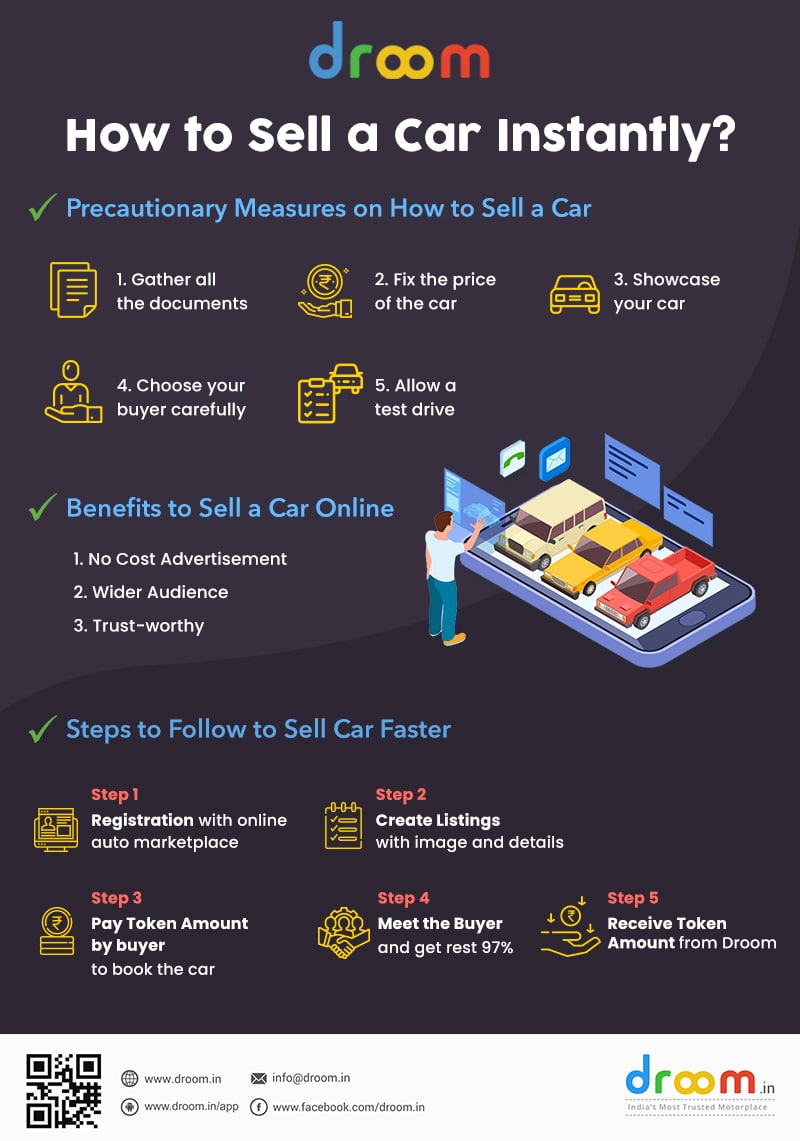
Understanding Your Vehicle’s Financial Value
The cornerstone of a profitable vehicle sale is an accurate understanding of its true financial worth. Overestimating can lead to prolonged listing periods and eventual price cuts, while underestimating means leaving money on the table. This initial phase requires diligent research and an honest appraisal of your vehicle’s condition.
Researching Market Value and Depreciation
Vehicles are depreciating assets, meaning their value diminishes over time. Understanding this depreciation curve is crucial for setting realistic expectations. Begin by researching the current market value of vehicles similar to yours. Utilize reputable online valuation tools such as Kelley Blue Book (KBB), Edmunds, and NADAguides. These platforms provide estimated trade-in, private party, and retail values based on make, model, year, mileage, and condition.
Beyond these tools, actively browse online marketplaces (e.g., AutoTrader, CarGurus, Facebook Marketplace) for comparable vehicles listed in your local area. Pay attention to how long similar vehicles have been listed and whether their prices have been adjusted. This real-world market data offers invaluable insights into buyer demand and price elasticity in your specific region. Remember that factors like trim level, optional features, service history, and accident history significantly influence value. A detailed, documented service history can add hundreds, if not thousands, to your vehicle’s perceived worth, as it signals responsible ownership and reduces future maintenance uncertainty for the buyer.
Assessing Condition vs. Repair Costs
Before setting a price, conduct a thorough assessment of your vehicle’s physical and mechanical condition. This isn’t just about superficial aesthetics; it’s about making a financially sound decision regarding repairs. Create a detailed list of all necessary repairs and cosmetic improvements. Then, get quotes for these repairs. Compare the cost of these repairs against the potential increase in sale price.
For instance, a minor dent costing $300 to fix might only add $100 to your sale price, making it a poor financial decision to repair. Conversely, a critical mechanical issue that prevents the car from running might cost $1000 to fix but could increase the value by $3000, making it a worthwhile investment. Always consider the “return on investment” (ROI) for each repair. Focus on safety-related issues, critical mechanical failures, and highly visible cosmetic flaws that significantly detract from value. Small scratches, minor dings, and worn interior components often don’t yield a positive ROI on repair costs for a private sale. Documenting what you have fixed, along with receipts, can also justify a higher asking price.
Strategic Pricing for Maximum Return
Once you understand your vehicle’s inherent value, the next critical step is to formulate a pricing strategy that attracts buyers while maximizing your financial gain. This involves more than just picking a number; it requires foresight into market dynamics and a careful consideration of all associated costs.
Crafting a Competitive Asking Price
Setting the right asking price is an art form, balancing attractiveness to buyers with your desire for profit. Based on your market research and condition assessment, establish a baseline value. Then, consider a slight buffer for negotiation. Most buyers expect to negotiate, so pricing slightly above your desired net return allows for this interplay without compromising your bottom line.
However, avoid overpricing significantly, as this deters potential buyers from even viewing your listing. A vehicle priced too high will languish on the market, potentially necessitating deeper discounts later, making it appear undesirable. Consider pricing your vehicle competitively, perhaps even slightly below the top end of the market for similar vehicles if you prioritize a quick sale. This can generate more interest and potentially lead to a faster transaction. Experiment with ‘charm pricing’ (e.g., $9,999 instead of $10,000) to psychologically influence buyers. Clearly articulate why your vehicle commands its price, highlighting any recent maintenance, upgrades, or unique features that add value.
Accounting for Transaction Costs and Fees
Many sellers overlook the various costs associated with selling a vehicle, which can significantly erode their net profit. Before finalizing your asking price, itemize these potential expenses:
- Pre-sale preparation: Costs for detailing, minor repairs, safety inspections.
- Advertising fees: Some online platforms charge listing fees, or you might pay for premium placements.
- Documentation fees: Fees for duplicate titles, emission tests, or other necessary paperwork.
- Transportation costs: If you need to move the vehicle for inspections or viewings.
- Sales tax considerations: While generally borne by the buyer, some states have specific rules or implications for sellers, particularly if you are a frequent seller.
- Time cost: While not a direct monetary cost, the time spent listing, showing, and negotiating has an opportunity cost that should be acknowledged in your overall financial calculation.
Factor these costs into your desired net sale price. For example, if you want to net $8,000 and anticipate $200 in selling expenses, your target asking price should aim to achieve at least $8,200 before negotiation. This ensures your final proceeds meet your financial objectives.
Optimizing the Sale Process for Financial Security
The method you choose to sell your vehicle and how you handle payments are paramount to your financial safety and success. Each channel presents different financial implications and risks that must be carefully managed.

Choosing the Right Sales Channel: Private vs. Dealership vs. Online Platforms
Your choice of sales channel profoundly impacts your financial outcome, balancing convenience against potential profit.
- Private Sale: Typically yields the highest financial return as you cut out the middleman. However, it demands the most effort: advertising, fielding inquiries, showing the car, negotiating, and handling paperwork. This route requires diligence in screening buyers and securing payments.
- Dealership Trade-in/Sale: Offers maximum convenience and immediate liquidity. You simply trade in your old car towards a new purchase, or sell it outright to the dealership. However, this convenience comes at a significant financial cost; dealerships will offer wholesale prices, which are considerably lower than private party values, to ensure their own profit margin. Assess if the time saved and reduced hassle are worth the lower payout.
- Online Consignment/Auction Platforms: Services like eBay Motors, Carvana, or Vroom provide a hybrid approach, offering broader reach than local private sales, often with simplified processes. While they typically yield more than a dealership trade-in, they may take a commission or have specific criteria your vehicle must meet. Research their fee structures and payout timelines thoroughly.
Evaluate your priorities: Is maximizing profit your absolute goal (private sale), or do you value convenience and speed (dealership/online platforms) even if it means a lower financial return?
Navigating Payments and Preventing Financial Scams
Financial security during the transaction is non-negotiable. Be incredibly vigilant about payment methods to avoid scams that can leave you without your vehicle or your money.
- Preferred Payment Methods: For private sales, prioritize secure, traceable methods. A cashier’s check (bank check) drawn from a reputable local bank is generally considered safe, but confirm its legitimacy by calling the issuing bank before releasing the vehicle or title. Ideally, conduct this exchange at the buyer’s bank or your own bank to verify funds and finalize paperwork. Wire transfers are also generally secure once funds are confirmed in your account, but once sent, they are irreversible. Cash is instant and untraceable; if accepting a large sum of cash, meet at a bank to verify authenticity and deposit immediately.
- Avoid Risky Payments: Absolutely avoid personal checks, money orders (easily faked), PayPal (for large transactions with unknown parties due to chargeback risks), Western Union, or any requests to overpay and refund the difference. These are classic red flags for fraud.
- Title Transfer and Bill of Sale: Never release the vehicle or the signed title until payment is fully confirmed and secured in your account. A detailed bill of sale documenting the transaction, sale price, “as-is” condition, and buyer/seller details is critical for both parties’ financial and legal protection. This document minimizes future disputes.
Mastering the Negotiation and Closing for Profit
The final stages of the sale process, negotiation and closing, are where your preparation culminates. Strategic negotiation can significantly impact your final profit, and meticulous attention to documentation ensures a clean financial break.
Effective Negotiation Tactics
Entering negotiations with confidence and a clear financial bottom line is crucial.
- Know Your Absolute Minimum: Before any discussion, determine the lowest price you are willing to accept after considering all costs and your desired net profit. Stick to this number.
- Highlight Value, Not Just Price: Instead of just defending your price, articulate the value proposition of your vehicle. Reference recent maintenance, unique features, good fuel economy, and clean history. Reinforce why your asking price is justified based on your research.
- Be Prepared to Walk Away: The power to walk away from a deal that doesn’t meet your financial requirements is your strongest negotiating tool. Don’t feel pressured to accept an offer below your minimum.
- Counter Offers Strategically: When presented with a lowball offer, don’t react emotionally. Counter with a number that is closer to your asking price than their offer, showing you’re willing to negotiate but also valuing your vehicle appropriately. For example, if asking $10,000 and offered $8,000, counter with $9,500 rather than $8,500.
- Focus on the Total Deal: If a buyer is hesitant on price, sometimes a small concession on a minor accessory or a promise to fill the tank can seal the deal without major financial impact.
Finalizing the Deal: Paperwork and Title Transfer
A flawless closing process protects you financially and legally. Incomplete or incorrect paperwork can lead to future liability or tax issues.
- Bill of Sale: Generate a comprehensive bill of sale in duplicate, signed by both buyer and seller. Include the vehicle’s year, make, model, VIN, odometer reading (attested as accurate), sale price, date of sale, and full names/addresses of both parties. Specify “as-is” if selling privately to mitigate post-sale complaints.
- Title Transfer: This is arguably the most critical financial and legal step. Ensure the title is properly signed over to the buyer as required by your state’s Department of Motor Vehicles (DMV). Fill in the sale date and odometer reading accurately on the title. Some states require notarization. Make a copy of the signed title for your records before handing it over.
- Notification of Sale: In many jurisdictions, you are legally required to notify the DMV that you have sold the vehicle. This removes your name from the vehicle’s registration, preventing you from being held liable for any future parking tickets, tolls, or accidents incurred by the new owner. Failure to do so can have severe financial repercussions.
- Insurance: Contact your insurance provider immediately after the sale to cancel coverage on the sold vehicle. Do not assume the buyer will insure it promptly; your financial liability could extend until you prove the transfer of ownership.
Post-Sale Financial Considerations
Even after the vehicle is sold, your financial journey isn’t quite over. There are a couple of final considerations to ensure a clean financial break and smart management of your newly acquired funds.
Tax Implications of Vehicle Sales
Depending on your jurisdiction and how you acquired the vehicle, you might face tax implications. In most cases, selling a personal vehicle for less than you paid for it (accounting for depreciation) does not result in a taxable gain. However, if you sell a personal vehicle for more than its original purchase price (a rare but possible scenario, especially for classic cars or highly sought-after models), you may be liable for capital gains tax on the profit.
If you frequently buy and sell vehicles, or if the vehicle was used for business purposes, the tax rules become more complex. Consult a tax professional to understand any potential income tax or sales tax liabilities to avoid unexpected financial burdens down the line. Keep all sale documentation, including the bill of sale and original purchase receipts, for your tax records.
Reinvesting Your Proceeds
The funds from your vehicle sale present a financial opportunity. Think strategically about how to utilize this capital:
- Debt Reduction: Paying down high-interest debt (e.g., credit cards, personal loans) can offer an immediate and guaranteed “return” by saving on future interest payments.
- New Vehicle Down Payment: If purchasing another vehicle, a larger down payment can reduce your loan amount, lower monthly payments, and decrease total interest paid over the life of the loan.
- Savings/Investments: Contributing to an emergency fund, a retirement account, or other investment vehicles can help grow your wealth over time.
- Other Financial Goals: Use the funds for home improvements, education, or other personal financial objectives.
Consider your overall financial plan and allocate the proceeds in a way that best supports your long-term monetary goals. Avoid impulsive spending, as this negates the financial effort put into the sale.
By meticulously navigating these financial aspects—from accurate valuation and strategic pricing to secure payment processing and post-sale considerations—you transform the potentially complex task of selling a vehicle into a streamlined, profitable, and financially secure endeavor. This comprehensive approach ensures you not only sell your vehicle but do so with maximum financial benefit.
aViewFromTheCave is a participant in the Amazon Services LLC Associates Program, an affiliate advertising program designed to provide a means for sites to earn advertising fees by advertising and linking to Amazon.com. Amazon, the Amazon logo, AmazonSupply, and the AmazonSupply logo are trademarks of Amazon.com, Inc. or its affiliates. As an Amazon Associate we earn affiliate commissions from qualifying purchases.