
Managing your personal finances effectively often involves making strategic decisions about your credit accounts. While opening a credit card can offer convenience, rewards, and build credit, there may come a time when closing an account, such as a Bank of America credit card, becomes the most financially prudent choice. This decision, however, should not be taken lightly. It requires careful consideration of its potential impact on your credit score, financial obligations, and future access to credit. This comprehensive guide will walk you through the process, considerations, and best practices for successfully closing your Bank of America credit card, ensuring you make an informed decision that aligns with your broader financial goals.
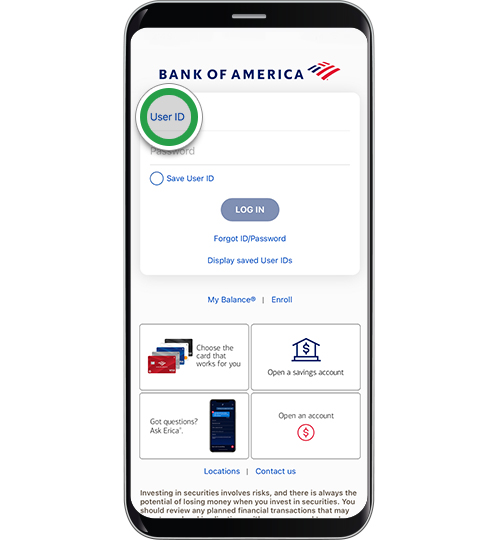
Why Consider Closing a Credit Card? Evaluating Your Financial Needs
Before embarking on the process of closing your Bank of America credit card, it’s essential to understand the various reasons why individuals might choose this path. Evaluating your personal financial situation against these common motives can help clarify if closure is indeed the right move for you.
Streamlining Your Wallet and Reducing Complexity
For many, a cluttered wallet full of unused credit cards can be more of a burden than a benefit. Each card represents a potential point of vulnerability for fraud, an annual fee, or simply an unnecessary complication in managing personal finances. Closing an account that is rarely used can simplify your financial life, making it easier to track spending, manage payments, and focus on active accounts.
Avoiding Unnecessary Fees and Annual Charges
Some credit cards, particularly premium rewards cards, come with annual fees that can range from modest to several hundred dollars. If a card’s benefits no longer outweigh its annual cost, or if you’ve found a better card without a fee, closing the account can prevent these recurring charges from eroding your financial well-being. Similarly, closing an account can help you avoid late payment fees if you find yourself struggling to keep track of multiple due dates.
Eliminating Temptation and Managing Debt
For individuals prone to overspending or those actively working to reduce debt, the presence of available credit can be a significant temptation. Closing a credit card can be a powerful psychological step towards breaking spending habits and preventing future debt accumulation. It acts as a definitive barrier, forcing a reliance on available funds rather than credit.
Dissatisfaction with Card Benefits or Bank Services
Over time, your financial needs and preferences can change. A credit card that once offered appealing rewards or benefits might no longer align with your spending habits. Furthermore, experiences with customer service, changes in terms and conditions, or a general dissatisfaction with the banking institution can also be valid reasons to seek a different financial partner and close an existing account.
Critical Considerations Before You Close: Impact on Your Financial Health
Closing a credit card isn’t just a simple administrative task; it carries significant financial implications, particularly for your credit score. Understanding these potential effects is paramount before making a final decision.
Understanding the Impact on Your Credit Score
Your credit score is a numerical representation of your creditworthiness, influenced by several factors: payment history (35%), amounts owed (30%), length of credit history (15%), new credit (10%), and credit mix (10%). Closing an account can negatively impact two key areas:
- Credit Utilization Ratio: This ratio measures the amount of credit you’re using compared to your total available credit. Closing a card reduces your total available credit, which can cause your utilization ratio to spike if you carry balances on other cards. A higher utilization ratio (generally above 30%) can lower your credit score.
- Average Age of Accounts (AAoA): The longer your credit history, the better. Closing an older account can reduce your average age of accounts, potentially lowering your score. However, a closed account typically remains on your credit report for up to 10 years and continues to contribute to your AAoA during that period. The real impact is often felt much later when that account eventually falls off your report.
The Importance of a Zero Balance
Before you even consider contacting Bank of America, ensure your card balance is completely paid off. Attempting to close an account with an outstanding balance is usually not possible and can lead to complications, continued interest charges, and potential damage to your credit if payments are missed after the intent to close.
Redeeming Rewards Points and Unused Benefits
Many Bank of America credit cards offer reward points, cash back, or other benefits. Before closing your account, make sure to redeem all outstanding rewards. Once the account is closed, any accumulated points or benefits are typically forfeited. Check your card’s terms and conditions or contact customer service to understand the redemption process and any deadlines. Also, consider any associated benefits like extended warranties, purchase protection, or travel insurance that you might lose access to.
Alternative Solutions: Downgrading or Product Changes
If your primary concern is an annual fee or unwanted benefits, but you value your credit history with Bank of America, consider a product change. Many banks allow you to downgrade to a no-annual-fee card or switch to a different card within their portfolio without closing the account. This allows you to retain your credit line and account history, thus mitigating the negative impact on your credit score, while still addressing your immediate concerns.
The Step-by-Step Process: Closing Your Bank of America Credit Card
Once you’ve carefully weighed the pros and cons and decided to proceed, follow these steps to ensure a smooth and effective closure of your Bank of America credit card.
Step 1: Pay Off Your Balance Completely
As mentioned, this is the crucial first step. Ensure your balance is absolutely zero, including any pending transactions, interest, or fees that might accrue before the final closing date. It’s often advisable to overpay by a small amount to ensure a true zero balance, as sometimes small interest charges can appear even after a “final” payment.
Step 2: Redeem Any Outstanding Rewards
Log into your Bank of America online account or call customer service to redeem any accumulated cash back, points, or other rewards you may have. Confirm that your rewards balance is zero before proceeding to the next step.
Step 3: Contact Bank of America Directly
This is the most critical step for officially closing your account. Bank of America typically requires you to contact them directly rather than merely stopping usage or cutting up the card.
- Phone Call (Recommended): This is often the most effective method. Call the customer service number on the back of your card. Be prepared for retention specialists to try and persuade you to keep the card open by offering incentives. Clearly state your intention to close the account permanently.
- Online Banking (Limited): Some banks offer an option to send a secure message through their online banking portal, but phone is generally preferred for immediate confirmation.
- Branch Visit (If Necessary): While less common for credit card closures, you can visit a Bank of America branch for assistance, though they will likely direct you to call the credit card services department.
When speaking with a representative, explicitly state that you wish to “close the account permanently” and that you want a “zero balance confirmation.” Ask for a confirmation number or for the closure to be noted on your account record.
Step 4: Confirm Closure in Writing
After your phone call, it’s wise to send a follow-up letter to Bank of America, reiterating your request to close the account and referencing the date and time of your call, along with the representative’s name (if you noted it) and any confirmation number received. Request a written confirmation of the account closure from the bank. Keep copies of all correspondence for your records. This provides a paper trail should any issues arise later.
Step 5: Monitor Your Credit Report
Approximately 30-60 days after initiating the closure, obtain a copy of your credit report from one of the major credit bureaus (Equifax, Experian, TransUnion). Verify that the Bank of America credit card account is reported as “closed by grantor” or “closed by consumer” with a zero balance. If you notice any discrepancies or the account is still showing as open with an outstanding balance, immediately contact Bank of America and the credit bureau to rectify the error.
What to Expect After Closing Your Account
The process doesn’t end the moment you hang up the phone. There are a few more things to be aware of in the weeks and months following the closure.
Receiving Confirmation and Final Statements
Bank of America should send you a final statement confirming the account closure and displaying a zero balance. Keep this document with your financial records. If you don’t receive one within a reasonable timeframe (e.g., 2-4 weeks), follow up with the bank.
Potential Impact on Your Credit Score (Short-term vs. Long-term)
As discussed, a short-term dip in your credit score is possible due to changes in credit utilization or average age of accounts. However, if you maintain healthy credit habits with your remaining accounts (paying on time, keeping utilization low), your score should recover over time. The long-term impact of closing an old, paid-off account is often less severe than many fear, especially if you have other well-established credit lines.
Dealing with Account Reactivation or Future Needs
Once an account is officially closed, it generally cannot be “reopened” in the traditional sense. If you later decide you want a Bank of America credit card, you would typically need to apply for a new one, which involves a new credit inquiry and the establishment of a new credit history for that specific card.
Best Practices for Managing Your Credit Portfolio Post-Closure
Closing a credit card is just one piece of the larger puzzle of responsible financial management. To maintain and improve your credit health after closing an account, adopt these best practices.
Regularly Reviewing Your Credit Report
Make it a habit to review your credit reports annually from all three major bureaus (you can get a free report once a year from AnnualCreditReport.com). This allows you to catch any errors, monitor for fraudulent activity, and ensure that closed accounts are correctly reported.
Maintaining a Healthy Credit Utilization Ratio
With one less credit line, be extra vigilant about keeping the balances on your remaining credit cards low relative to their credit limits. Aim to keep your overall credit utilization below 30% to demonstrate responsible credit management.
Strategically Opening New Credit Accounts
If you find your total available credit is too low after closing an account, you might consider opening a new credit card strategically. Only do so if you genuinely need it, can manage it responsibly, and after a period of time has passed since your last credit application. Be mindful that new credit applications can temporarily lower your score.
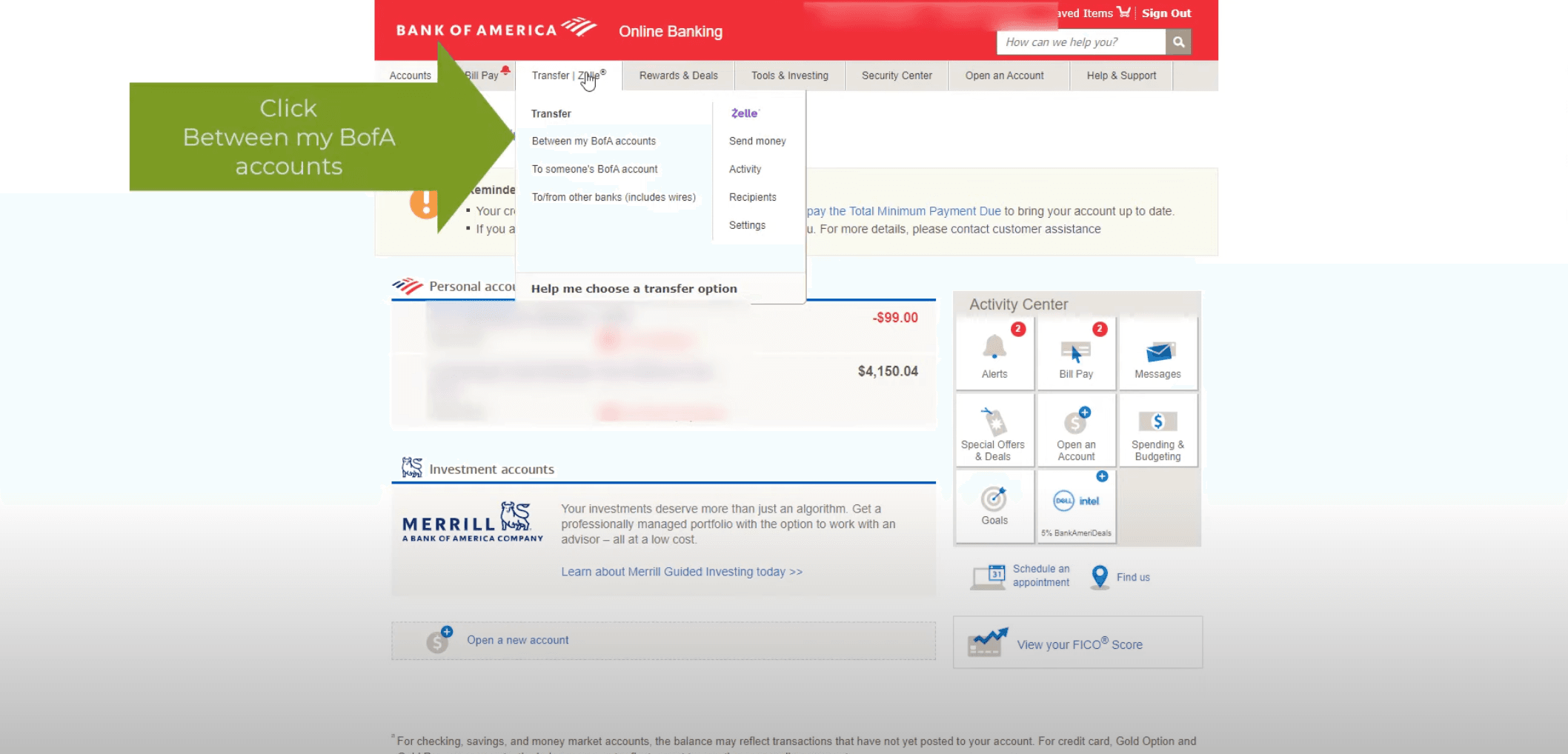
Building a Strong Financial Foundation
Ultimately, responsible credit management is part of a broader financial strategy. Focus on building an emergency fund, living within your means, and paying all bills on time. These fundamental practices will have the most significant and lasting positive impact on your financial health, far outweighing the temporary effects of closing a single credit card.
Closing a Bank of America credit card is a financial decision with various considerations. By understanding the motivations, potential impacts, and proper procedures, you can execute this task confidently and in a manner that supports your overarching financial goals, contributing to a more streamlined and healthier financial future.
aViewFromTheCave is a participant in the Amazon Services LLC Associates Program, an affiliate advertising program designed to provide a means for sites to earn advertising fees by advertising and linking to Amazon.com. Amazon, the Amazon logo, AmazonSupply, and the AmazonSupply logo are trademarks of Amazon.com, Inc. or its affiliates. As an Amazon Associate we earn affiliate commissions from qualifying purchases.