
In an era defined by rapid technological advancement and growing environmental awareness, the concept of an “eco footprint” has never been more relevant. Our individual eco footprint represents the total impact of our lifestyle on the planet, encompassing everything from the energy we consume and the food we eat to the waste we produce and the goods we purchase. As the urgency of climate change intensifies, a collective shift towards more sustainable living is not just admirable, but imperative. Fortunately, the very technologies that have shaped modern society are now offering powerful, accessible tools for individuals to measure, monitor, and significantly reduce their environmental impact.
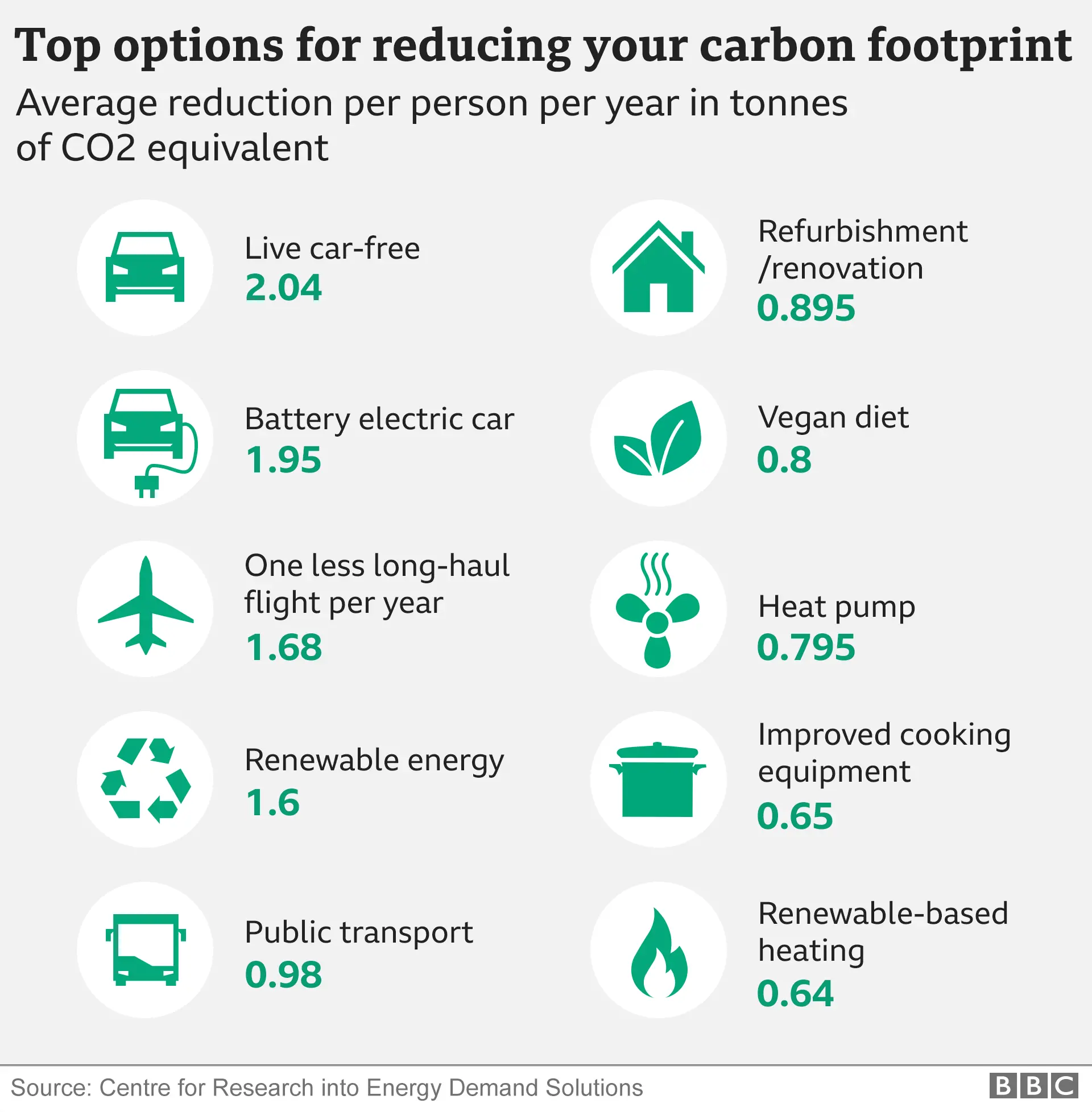
This article delves into how cutting-edge technology, from smart home systems and sophisticated apps to advancements in sustainable mobility and resource management, can empower each of us to live more eco-consciously. By integrating these innovations into our daily lives, we can transform abstract environmental goals into concrete, actionable steps, paving the way for a greener, more sustainable future.
Smart Home Systems: The Foundation of an Eco-Conscious Dwelling
Our homes are central to our eco footprint, particularly concerning energy and water consumption. Modern smart home technologies provide unprecedented control and insight, turning ordinary residences into highly efficient, environmentally responsible dwellings. These systems go beyond mere convenience; they offer a robust framework for systematic resource reduction.
Intelligent Energy Management
The core of a sustainable smart home lies in its ability to optimize energy usage. Smart thermostats, for instance, utilize advanced algorithms to learn household routines, adjust temperatures based on occupancy, and integrate with weather forecasts, ensuring heating and cooling are only used when truly necessary. Many models can be controlled remotely via smartphone apps, allowing users to fine-tune settings from anywhere, preventing wasted energy when away. Similarly, smart lighting systems, often incorporating energy-efficient LED bulbs, can be programmed to switch off automatically when a room is empty or dim in response to natural daylight, drastically cutting electricity consumption. Smart plugs and power strips further aid in this by detecting and eliminating “phantom load” – the electricity consumed by devices even when turned off – and providing detailed energy consumption data for individual appliances.
Water Conservation Tech
Beyond energy, water is another critical resource that smart homes can help conserve. Smart irrigation systems leverage local weather data, soil moisture sensors, and plant-specific needs to deliver precise amounts of water, preventing overwatering and minimizing runoff. These systems can typically reduce outdoor water usage by 30-50% compared to traditional timers. Inside the home, smart leak detection sensors, placed near water heaters, pipes, or under sinks, can instantly alert homeowners to leaks, preventing significant water waste and potential property damage. While less common, some advanced systems even integrate with smart water meters, providing real-time consumption data to identify patterns and areas for improvement.
Renewable Integration & Monitoring
For homes equipped with renewable energy sources like solar panels, smart technology plays a crucial role in maximizing their efficiency. Dedicated solar panel monitoring apps provide real-time data on energy generation, allowing homeowners to track performance, identify issues, and understand their contribution to the grid. Furthermore, comprehensive Home Energy Management Systems (HEMS) integrate solar generation with home consumption and energy storage solutions (like battery banks). HEMS can intelligently decide when to use stored energy, when to draw from the grid, and even when to sell excess energy back, optimizing both environmental benefit and financial savings.
Digital Tools and Apps for Carbon Footprint Management
In an increasingly data-driven world, software and mobile applications have emerged as indispensable tools for understanding and managing our personal environmental impact. These digital assistants provide the insights, motivation, and practical solutions needed to translate good intentions into tangible reductions in our eco footprint.
Personal Carbon Calculators and Trackers
A foundational step in reducing one’s eco footprint is understanding its current size. A plethora of apps and online platforms now function as personal carbon calculators and trackers. By inputting data related to travel habits (flights, daily commute), dietary choices (meat consumption vs. plant-based), energy usage, and purchasing patterns, these tools estimate an individual’s carbon emissions. Many go a step further, offering personalized dashboards, setting reduction goals, and even gamifying the process with challenges and rewards. Some innovative apps can even link to bank accounts (with user permission) to automatically categorize purchases and provide a real-time carbon estimate for spending, offering unparalleled transparency into daily impact.
Sustainable Shopping and Lifestyle Apps
Beyond calculation, apps are revolutionizing how we consume. Sustainable shopping apps help users identify products and brands that align with ethical and environmental values, offering transparency on sourcing, manufacturing processes, and ingredient lists. They might highlight products with lower carbon footprints, minimal packaging, or those from companies committed to fair labor practices. Food waste reduction apps, like Too Good To Go or Olio, connect users with surplus food from restaurants and stores or with neighbors, preventing perfectly edible items from ending up in landfills. Similarly, digital marketplaces for second-hand goods (e.g., Vinted, Depop, eBay) promote the circular economy by facilitating the resale and reuse of clothing, electronics, and household items, significantly extending product lifespans and reducing demand for new manufacturing.
Data-Driven Decision Making
The true power of these digital tools lies in their ability to translate complex environmental data into actionable insights. By visualizing our impact, identifying high-emission activities, and suggesting greener alternatives, these apps empower users to make informed decisions. They move beyond vague advice, providing concrete metrics and practical strategies for reducing consumption, choosing sustainable options, and advocating for change. This data-driven approach fosters a continuous improvement cycle, allowing individuals to track progress, adjust habits, and celebrate milestones on their journey towards a smaller eco footprint.
Sustainable Mobility: Driving Change with Tech
Transportation is a significant contributor to global carbon emissions. Technological innovations in this sector are rapidly transforming how we move, offering cleaner, more efficient, and often more convenient alternatives to traditional fossil-fuel-dependent modes.
Electric Vehicles (EVs) and Charging Infrastructure
The transition from internal combustion engine vehicles to Electric Vehicles (EVs) is perhaps the most impactful technological shift in personal transportation. EVs produce zero tailpipe emissions, dramatically reducing air pollution in urban areas and, when charged with renewable energy, offering a near-zero carbon footprint. The rapid advancements in battery technology have increased range and reduced costs, making EVs more accessible. Complementing this is the burgeoning smart charging infrastructure: apps that locate available charging stations, optimize charging times based on grid demand and electricity prices, and even enable vehicle-to-grid (V2G) technology, where EVs can return power to the grid during peak times, enhancing grid stability and efficiency.
Smart Public Transit and Ride-Sharing
For those without personal vehicles or looking to reduce car dependency, technology enhances the efficiency and appeal of public and shared transportation. Comprehensive transit apps provide real-time tracking of buses, trains, and trams, alongside optimized route planning that can integrate various modes of transport. This reduces wait times, eliminates uncertainty, and makes public transit a more attractive option. Similarly, ride-sharing platforms, while not without their own environmental considerations, can reduce the number of individual cars on the road, especially for single-occupancy commutes, by pooling passengers. Furthermore, the proliferation of electric scooters and e-bikes, managed through user-friendly apps, offers a sustainable and efficient “last-mile” solution, bridging the gap between public transport stops and final destinations.
Telecommuting and Virtual Collaboration
Perhaps one of the most significant, yet often overlooked, technological contributions to sustainable mobility is the suite of tools enabling telecommuting and virtual collaboration. Video conferencing platforms, cloud-based project management software, and secure remote access technologies have made it possible for millions to work from home, dramatically reducing daily commute-related emissions. This shift, accelerated by recent global events, demonstrates how digital infrastructure can fundamentally alter traditional work patterns, leading to substantial environmental benefits, including reduced traffic congestion, decreased fuel consumption, and lower energy demands for large office buildings.
Beyond Consumption: Tech-Driven Approaches to Waste and Resource Efficiency
Reducing our eco footprint isn’t just about consuming less or more efficiently; it’s also about managing the full lifecycle of products and resources, especially waste. Technology offers ingenious solutions to minimize waste, maximize resource utility, and promote a truly circular economy.
Smart Waste Management Systems
Traditional waste collection methods are often inefficient and resource-intensive. Smart waste management systems are changing this paradigm. Smart bins equipped with sensors can detect fill levels, sending data to sanitation departments to optimize collection routes, ensuring bins are only emptied when full. This reduces fuel consumption, labor costs, and traffic congestion. Additionally, apps and online platforms can help individuals locate specific recycling points for unusual items (e.g., electronics, batteries, hazardous waste) or connect them with services for composting and specialized disposal, making responsible waste management more accessible.
Digital Circular Economy Platforms
The circular economy, which emphasizes reusing, repairing, refurbishing, and recycling products to extend their lifespan, is profoundly enabled by digital platforms. Online marketplaces for second-hand goods have already been mentioned, but other platforms focus specifically on facilitating repairs (connecting users with local repair shops or providing DIY guides), sharing economy models (renting tools, equipment, or even clothing instead of buying new), and upcycling communities. Furthermore, the advent of “product-as-a-service” models, often facilitated by IoT devices that monitor product usage and maintenance needs, encourages manufacturers to design for durability and longevity, as they retain ownership and responsibility for the product throughout its lifecycle. Blockchain technology is also beginning to be leveraged to enhance supply chain transparency, allowing consumers to track the origin and environmental impact of products from raw material to final sale.
AI and Data Analytics for Resource Optimization
Artificial intelligence and advanced data analytics are powerful allies in the quest for resource efficiency across various sectors. In manufacturing, AI can optimize production processes to minimize material waste and energy consumption. Predictive maintenance, driven by AI, can analyze data from machines and equipment to anticipate failures, allowing for proactive repairs that extend product lifespans and prevent premature disposal. Beyond industrial applications, AI can help optimize urban planning for energy efficiency, model climate impacts to inform policy, and even develop new sustainable materials. By processing vast datasets, AI provides insights that human analysis alone cannot, enabling more informed and impactful decisions for resource management.

Conclusion
Reducing our eco footprint is a multifaceted challenge, but one that is increasingly achievable with the intelligent application of technology. From the automated efficiency of smart homes to the insightful data provided by carbon tracking apps, and the transformative power of electric vehicles, technology offers concrete solutions for individuals committed to living more sustainably. It empowers us to make smarter choices, conserve precious resources, and minimize our environmental impact in ways that were unimaginable just a few decades ago.
However, technology is a tool, not a magic bullet. Its effectiveness hinges on conscious adoption and informed usage. As we look towards a future shaped by ever-advancing AI, IoT, and sustainable innovations, our personal responsibility to integrate these tools thoughtfully into our lives becomes paramount. By embracing this technological revolution, we not only reduce our own eco footprint but also contribute to a collective movement towards a healthier, more resilient planet for generations to come. The future of sustainable living is here, and it’s powered by innovation.
aViewFromTheCave is a participant in the Amazon Services LLC Associates Program, an affiliate advertising program designed to provide a means for sites to earn advertising fees by advertising and linking to Amazon.com. Amazon, the Amazon logo, AmazonSupply, and the AmazonSupply logo are trademarks of Amazon.com, Inc. or its affiliates. As an Amazon Associate we earn affiliate commissions from qualifying purchases.