
In the current financial landscape, the velocity of money has become just as important as its security. The shift from physical currency to digital ledger systems has revolutionized how individuals interact with their personal finances. Cash App, a product of Block, Inc., has emerged as a cornerstone of this digital transformation. It is no longer just a simple tool for splitting a dinner bill; it is a comprehensive financial ecosystem that allows users to receive, spend, save, and invest capital with unprecedented ease. Understanding how to efficiently receive money from Cash App is essential for anyone looking to optimize their personal cash flow and utilize modern financial tools to their full potential.
Understanding Cash App as a Financial Powerhouse
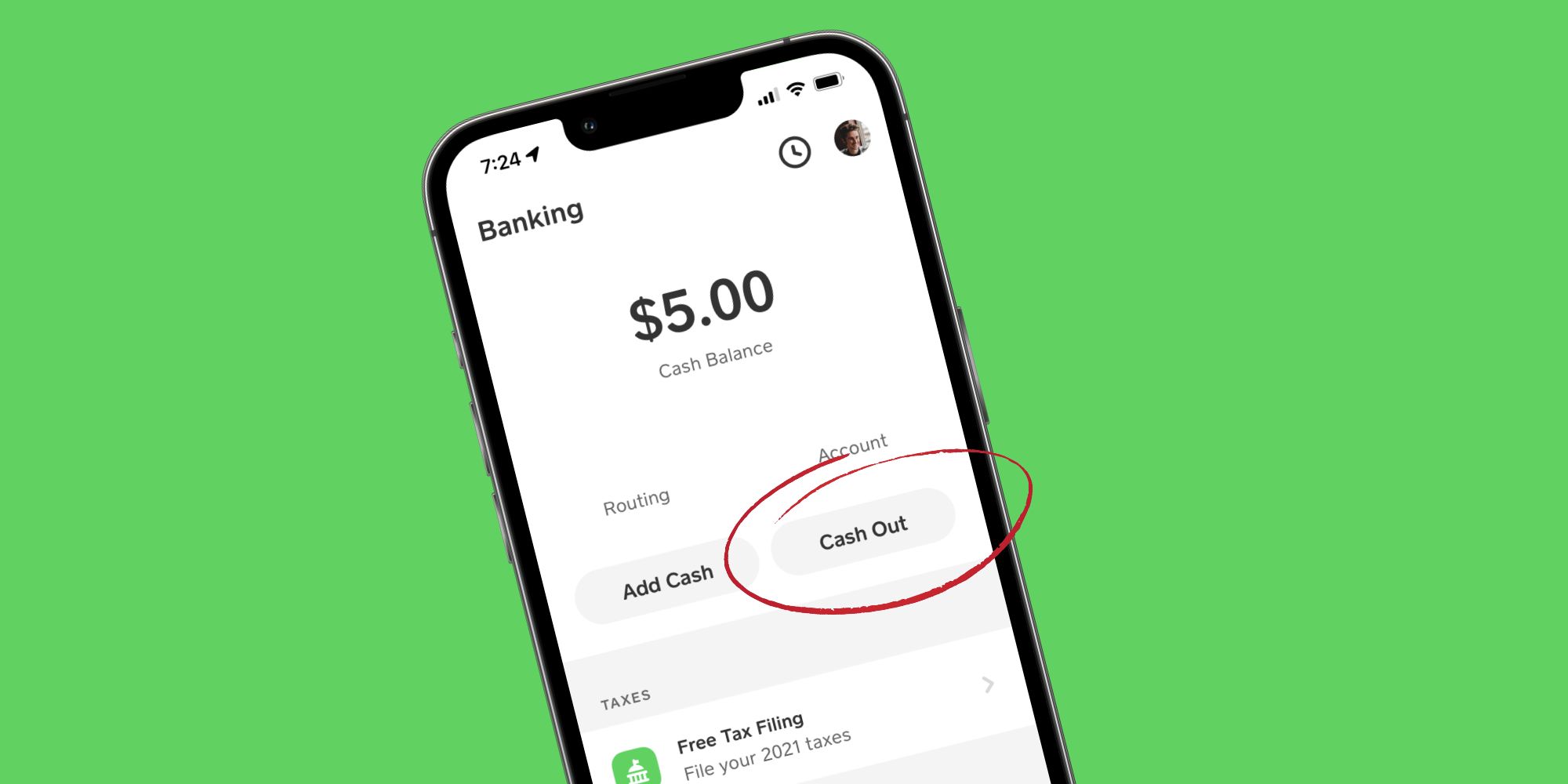
To effectively manage funds within the Cash App ecosystem, one must first view the platform through the lens of modern banking. While it began as a peer-to-peer (P2P) payment service, it has evolved into a sophisticated financial hub that mirrors many features of traditional retail banking while offering the agility of a fintech startup.
The Shift Toward Digital Wallets
The primary appeal of receiving money via Cash App lies in its frictionless nature. Unlike traditional wire transfers or ACH deposits that can take days to clear, Cash App transactions are often instantaneous. For the user, this means immediate liquidity. In a world where “time is money,” the ability to receive a payment and have it available for spending or investing within seconds is a significant financial advantage. This immediacy supports better budgeting and allows for real-time financial decision-making, which is critical for those managing side hustles or freelance income.
Security Features and Financial Protection
When receiving money, security is paramount. Cash App utilizes several layers of protection to ensure that your financial assets remain secure. Every transaction is encrypted, and the app offers features such as Security Lock, which requires a passcode, Touch ID, or Face ID for every transfer. Furthermore, for users who have a Cash Card, the funds held in the account are often eligible for FDIC insurance through Cash App’s partner banks, provided the user has a verified account. This brings a level of institutional trust to the digital wallet, making it a viable place to hold short-term capital.
Core Methods for Receiving Funds
There are multiple avenues through which a user can receive money on the platform, each serving a different financial need. Whether you are receiving a gift from a family member, a payment for services rendered, or a direct deposit from an employer, the process is designed to be intuitive.
Receiving Money via $Cashtag
The most common way to receive money is through your $Cashtag—a unique username that identifies your account within the network. This identifier eliminates the need to share sensitive information like bank account numbers or routing details. When someone sends money to your $Cashtag, you will receive a notification. If it is your first time interacting with that sender, you may be required to manually “Accept” the payment in your activity feed. Once accepted, the funds are immediately added to your Cash App balance. For recurring senders, the money is usually deposited automatically, ensuring a seamless flow of capital.
Utilizing QR Codes for Instant Payments
For those operating small businesses or side hustles, the QR code feature is an invaluable tool for receiving payments in person. By displaying your unique QR code, you allow the sender to scan and pay without the risk of typos in a $Cashtag or phone number. This method is increasingly popular at farmers’ markets, pop-up shops, and community events. It streamlines the transaction process, reduces wait times, and provides a professional payment experience that rivals traditional point-of-sale systems.
Direct Deposits and Professional Transfers
Cash App has expanded its utility by providing users with dedicated routing and account numbers. This allows the app to function as a primary or secondary bank account. By providing these details to an employer or a government agency, you can receive your paycheck or tax refund directly into your Cash App balance. This is a strategic move for those who wish to bypass the fees associated with traditional “big bank” checking accounts. Often, direct deposits arrive up to two days earlier on Cash App than they would at a traditional bank, providing users with earlier access to their earned income.
Managing and Moving Your Received Funds
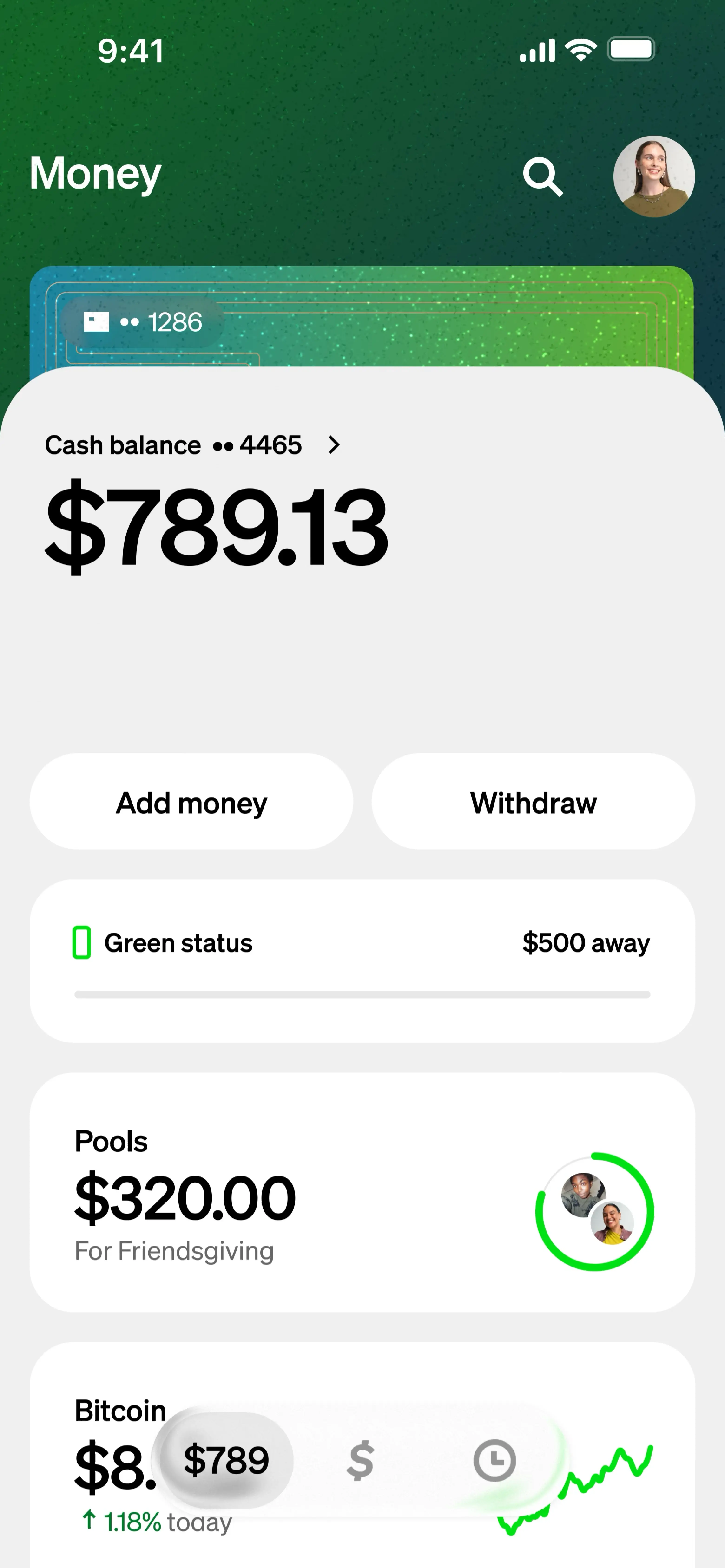
Receiving the money is only the first step. To truly master your personal finance via Cash App, you must understand how to manage that liquidity and move it into other financial vehicles when necessary.
Standard vs. Instant Cash Outs
Once you have received money into your Cash App balance, you have two primary options for moving that money to a traditional bank account: Standard and Instant.
-
Standard Deposits: These are free and typically arrive in your linked bank account within one to three business days. From a financial planning perspective, this is the most cost-effective way to move money if you do not have an immediate need for the cash.
-
Instant Deposits: If you require immediate access to your funds in your traditional bank account, you can opt for an Instant Deposit. This incurs a fee (typically 0.5% to 1.75% of the transfer amount, with a minimum fee). While this provides immediate liquidity, frequent use of this feature can chip away at your net earnings, so it is best used strategically.
Navigating Transaction Limits and Verifications
To maintain the integrity of the financial system and comply with anti-money laundering (AML) regulations, Cash App imposes limits on how much money you can receive and send. Unverified accounts have lower limits, which can be a bottleneck for those using the app for business or high-volume personal transfers. By completing the verification process—providing your full legal name, date of birth, and the last four digits of your Social Security Number—you can significantly increase these limits. This is a critical step for anyone looking to use the app as a serious financial tool, as it allows for the movement of larger sums of capital safely.
Maximizing the Financial Benefits of Cash App
Receiving money is the starting point for various wealth-building and cost-saving activities within the app. By keeping your funds within the ecosystem, you can leverage several advanced financial features.
Cash App Taxes and Reporting
For those receiving money as income, it is essential to consider the tax implications. Cash App has simplified this by integrating “Cash App Taxes” (formerly Credit Karma Tax). This allows users to file their federal and state taxes for free directly through the platform. Furthermore, if you use a Business Account to receive payments for goods and services, Cash App will track your earnings and provide the necessary 1099-K forms if you exceed the IRS reporting thresholds. Being proactive about these records ensures that your side hustle remains compliant and that you are prepared during tax season.
Utilizing the Cash Card for Daily Spending
One of the most efficient ways to use the money you receive is via the Cash Card—a customizable Visa debit card linked directly to your balance. Instead of transferring money to an external bank, you can spend your balance anywhere Visa is accepted. The real value here lies in “Boosts.” These are instant discounts at specific retailers, coffee shops, and restaurants. By receiving money on the app and spending it through the Cash Card with active Boosts, you are effectively increasing your purchasing power and saving money on everyday expenses.
Best Practices for Financial Safety and Scams
As with any financial tool, the ease of receiving money comes with responsibilities regarding safety. Because transactions are often instant and irreversible, users must be vigilant to protect their capital.
Identifying Potential Red Flags
The most common scams involving receiving money usually involve a “request for payment” in exchange for a larger sum. For example, a scammer might claim you have won a prize but need to send a “clearance fee” to receive it. It is a fundamental rule of personal finance: never send money to receive money. Additionally, always verify the identity of the person sending you funds, especially if the amount is unexpected. Scammers may use “accidental” transfers as a way to initiate a conversation and eventually compromise your account details.

Protecting Your Digital Assets
To ensure that the money you receive stays in your possession, you should treat your Cash App login credentials with the same level of secrecy as your traditional bank’s PIN. Enable all available biometric security features and never share your sign-in code with anyone—even if they claim to be from “Cash App Support.” Official support will never ask for your PIN or sign-in code. By maintaining a disciplined approach to digital security, you can enjoy the benefits of modern P2P finance without exposing your assets to unnecessary risk.
In conclusion, receiving money through Cash App is a gateway to a broader world of digital finance. By understanding the various methods of acquisition—from $Cashtags to direct deposits—and mastering the movement of those funds, you can create a more agile and responsive personal financial system. Whether you are leveraging the app for its speed, its investment potential, or its daily spending rewards, doing so with a professional and informed approach will ensure that your digital wallet remains a robust asset in your financial portfolio.
aViewFromTheCave is a participant in the Amazon Services LLC Associates Program, an affiliate advertising program designed to provide a means for sites to earn advertising fees by advertising and linking to Amazon.com. Amazon, the Amazon logo, AmazonSupply, and the AmazonSupply logo are trademarks of Amazon.com, Inc. or its affiliates. As an Amazon Associate we earn affiliate commissions from qualifying purchases.