
Securing funding is a perpetual challenge for small businesses, often determining their capacity to innovate, expand, or even survive. While traditional financing options like loans require repayment and equity investments demand a stake in your company, grants offer a unique and highly attractive alternative: non-dilutive capital that doesn’t need to be paid back. For small businesses, particularly those with a mission-driven focus, innovative concepts, or operating in underserved communities, grants can be a transformative lifeline. Navigating the intricate world of grant funding, however, requires strategic planning, meticulous research, and a clear understanding of the application process. This comprehensive guide aims to demystify grant acquisition, providing a roadmap for small business owners to successfully identify, apply for, and ultimately receive grants.
Understanding the Landscape of Small Business Grants
Before embarking on the grant-seeking journey, it’s crucial to grasp what grants are, why they exist, and where they typically originate. This foundational understanding will inform your search and help you target the most appropriate funding opportunities.
Why Grants Matter for Small Businesses
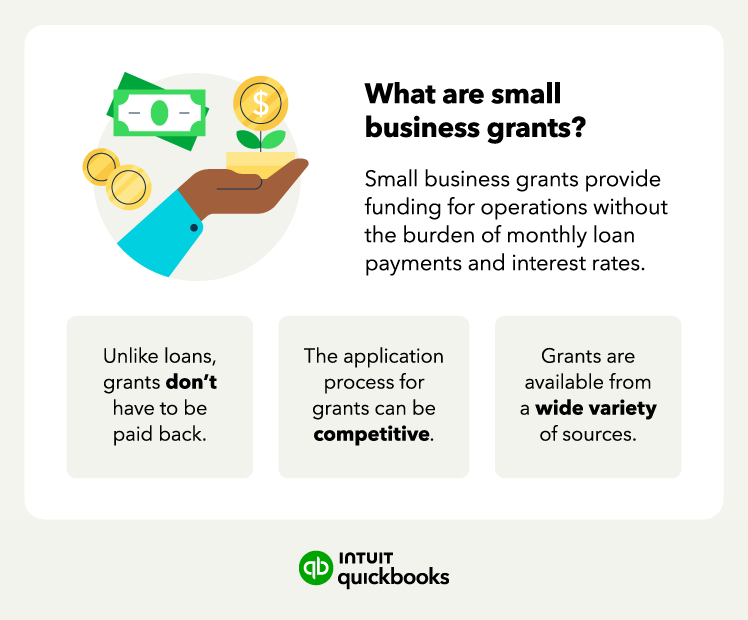
Grants are more than just free money; they are strategic investments made by government agencies, foundations, and corporations to achieve specific objectives. For small businesses, grants provide a multitude of benefits:
- Non-Repayable Capital: The most significant advantage is that grants do not need to be repaid, reducing financial burden and risk.
- Boost to Credibility: Receiving a grant, especially from a reputable institution, lends significant credibility to your business and its mission, potentially attracting further investment or partnerships.
- Access to New Markets/Technologies: Grants often support initiatives that might otherwise be too risky or expensive for a small business to undertake independently, such as R&D, market expansion, or technology adoption.
- Community Impact: Many grants are tied to community development, social good, or specific economic goals, aligning your business with broader societal benefits.
- Operational Flexibility: Grant funds can often be used for a wider range of expenses than traditional loans, depending on the grant’s specific stipulations.
Differentiating Grants from Loans
It’s vital to distinguish grants from loans, as their fundamental nature and implications for your business are vastly different.
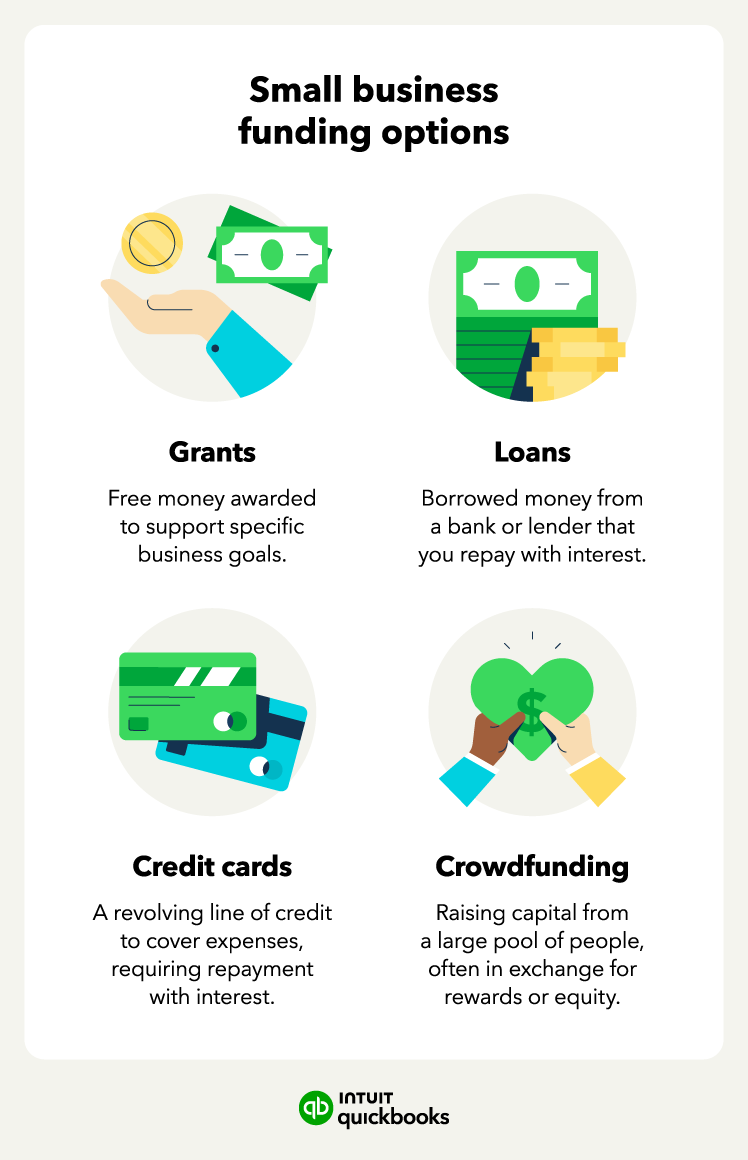
- Grants: Non-repayable funds awarded based on merit, project alignment with funder’s goals, and often, a competitive application process. They are essentially gifts with specific usage stipulations.
- Loans: Repayable funds borrowed from a financial institution, carrying interest and a repayment schedule. They are debt obligations.
Understanding this distinction prevents misdirection in your funding search and ensures you pursue the most suitable options for your business’s financial health.
Common Sources of Grant Funding
Grant money for small businesses primarily flows from a few key sources:
- Federal Government: Agencies like the Small Business Administration (SBA), National Institutes of Health (NIH), and Department of Energy (DOE) offer grants for specific purposes, often tied to research, innovation, or economic development.
- State and Local Governments: These grants often focus on local economic growth, job creation, or specific community needs, such as revitalizing downtown areas or supporting businesses in underserved regions.
- Private Foundations: Philanthropic organizations established by individuals, families, or corporations, they award grants to non-profits and sometimes for-profit entities whose missions align with the foundation’s charitable goals.
- Corporations: Many large corporations have philanthropic arms or CSR (Corporate Social Responsibility) initiatives that award grants to small businesses or non-profits that align with their business values or community investment strategies.
Navigating Eligibility and Grant Types
Identifying the right grant for your small business begins with a thorough understanding of the various types of grants available and the specific eligibility criteria attached to them. This phase is critical to avoid wasting time on unsuitable opportunities.
Federal Government Grants
Federal grants are often substantial but highly competitive. They are typically categorized by the agency providing the funding and the specific program’s objective.
- SBIR/STTR Programs: The Small Business Innovation Research (SBIR) and Small Business Technology Transfer (STTR) programs are prime examples, offering significant funding for small businesses engaged in R&D with commercial potential.
- Industry-Specific Grants: Various federal departments provide grants targeting specific industries, such as agriculture (USDA), healthcare innovation (HHS), or environmental sustainability (EPA).
Eligibility often includes being a U.S.-based small business, meeting specific employee count thresholds, and having a project that aligns perfectly with the agency’s mission.
State and Local Government Grants
These grants are often more accessible for smaller, locally focused businesses.
- Economic Development Grants: Aimed at stimulating local economies, creating jobs, or attracting new businesses to a region.
- Business Improvement District (BID) Grants: For businesses within specific geographical areas undergoing revitalization.
- Training and Workforce Development Grants: Supporting businesses that train new employees or upskill existing ones.
Eligibility criteria usually revolve around geographic location, business size, and contribution to local economic goals.
Corporate and Foundation Grants
These grants are highly diverse and often reflect the specific interests or philanthropic goals of the funding organization.
- Corporate Giving Programs: Often tied to specific industries, communities where the corporation operates, or social causes they champion (e.g., sustainability, education).
- Private Foundation Grants: Can range from supporting arts and culture to scientific research or social justice initiatives. Many foundations require a non-profit fiscal sponsor if the applicant is a for-profit entity, but some directly fund mission-aligned small businesses.
Key to these grants is aligning your business’s mission and proposed project with the funder’s stated priorities and areas of interest.
Niche and Industry-Specific Grants
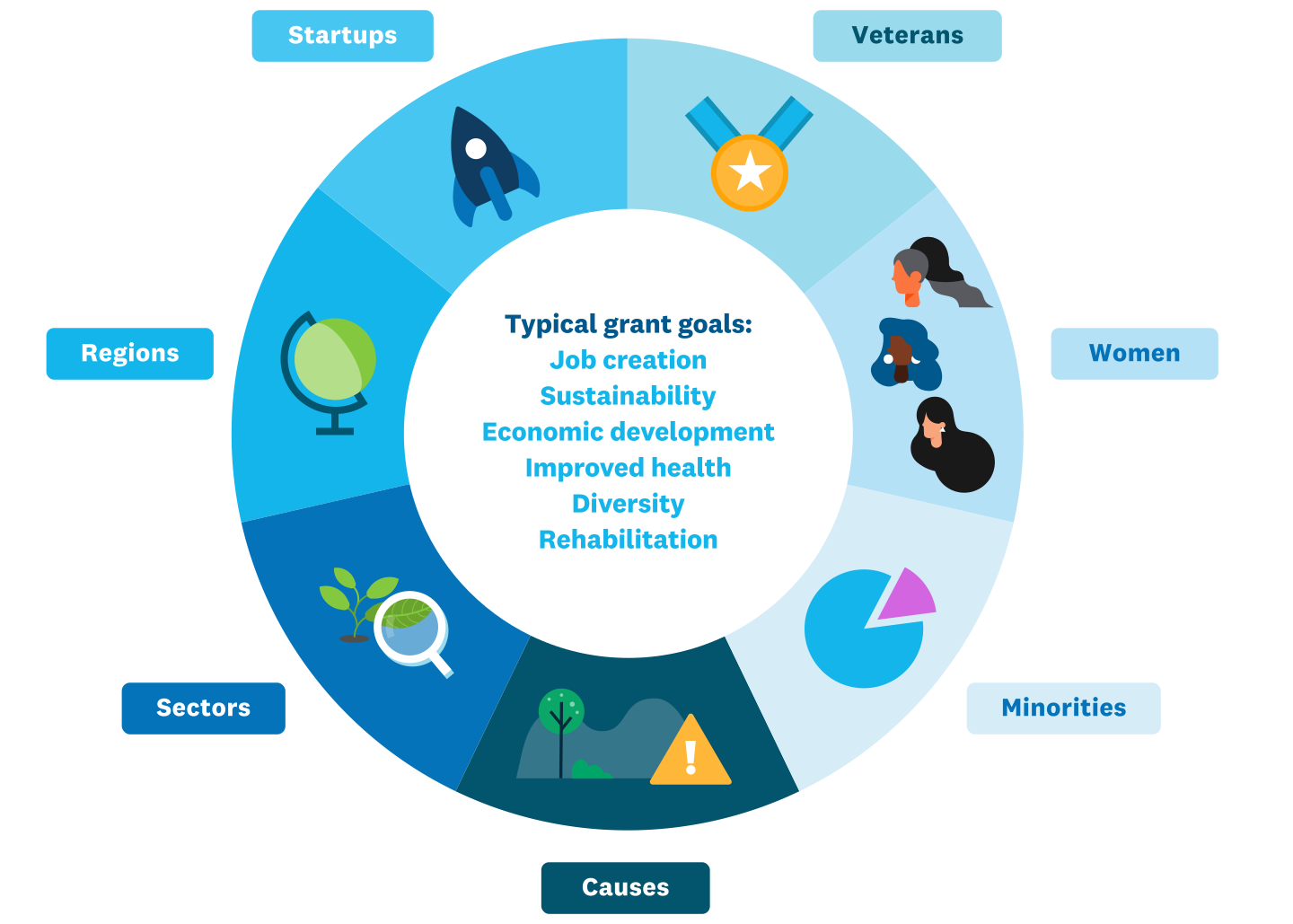
Beyond the major categories, numerous niche grants cater to specific demographics, business types, or industries.
- Women-Owned Business Grants: Designed to support female entrepreneurs.
- Minority-Owned Business Grants: Aimed at fostering diversity in entrepreneurship.
- Veteran-Owned Business Grants: Supporting businesses led by service members.
- Rural Business Grants: For businesses operating in less populated areas.
- Sustainability/Green Business Grants: Promoting environmentally friendly practices.
Thorough research using databases like Grants.gov (for federal), state economic development websites, and foundation directories (e.g., Candid’s Foundation Directory Online) is essential to uncover these tailored opportunities.
Key Eligibility Criteria
While specific criteria vary wildly, common denominators for grant eligibility include:
- Business Type and Legal Status: For-profit vs. non-profit, sole proprietorship, LLC, corporation.
- Size and Revenue: Defined by employee count or annual revenue, as per SBA standards.
- Location: Geographic requirements (state, county, city).
- Industry: Alignment with specific sectors or technological focuses.
- Project Alignment: The proposed use of funds must directly address the grant’s objectives.
- Financial Health: While not a loan, funders want to ensure your business is viable enough to execute the project successfully.
The Grant Application Process: A Step-by-Step Guide
The grant application process is notoriously rigorous and requires a systematic approach. Rushing or overlooking details can lead to immediate disqualification.
Research and Identification
The first step is to diligently search for grants that genuinely match your business and project.
- Utilize Databases: Grants.gov for federal grants, state economic development sites, and private foundation directories are indispensable.
- Networking: Attend industry events, join business associations, and connect with other entrepreneurs who have successfully secured grants.
- Review Funder Guidelines: Carefully read the Request for Proposal (RFP) or Application Guidelines to ensure your business and project align with the funder’s mission and requirements before investing significant time.
Preparing Your Business for Application
Successful grant applicants often have their ducks in a row well before they even find an opportunity.
- Develop a Strong Business Plan: A well-articulated business plan demonstrates foresight and operational capability.
- Financial Preparedness: Have updated financial statements (P&L, balance sheet, cash flow projections) ready.
- Legal & Compliance: Ensure all business registrations, licenses, and legal standings are current and compliant.
- Team & Management: Be ready to present a capable and experienced management team.
Understanding Application Requirements
Each grant has unique requirements. Pay close attention to:
- Narrative Sections: Often include an executive summary, problem statement, project description, objectives, methodology, and evaluation plan.
- Budget Proposal: A detailed breakdown of how grant funds will be used, often requiring justification for each line item.
- Supporting Documents: Tax returns, financial statements, resumes of key personnel, letters of support, permits, and relevant contracts.
- Formatting and Submission: Adhere strictly to font sizes, page limits, file formats, and submission methods (online portal, mail).
Timeline Management
Grant deadlines are immutable. Start early and create a detailed timeline.
- Deconstruct the Application: Break down the application into smaller tasks (e.g., drafting narrative, gathering financials, getting letters of support).
- Allocate Time: Assign realistic deadlines for each task, building in buffer time for unexpected issues.
- Review Cycles: Plan for multiple internal reviews by different team members to catch errors and refine content.
- Early Submission: Aim to submit well before the deadline to avoid last-minute technical glitches.
Crafting a Winning Grant Proposal
The proposal is your business’s voice, telling its story and making a compelling case for funding. It must be clear, concise, persuasive, and directly address all aspects of the RFP.
Executive Summary: Your First Impression
This is the most critical section, often read first (and sometimes only).
- Concise Overview: Summarize your business, the problem you’re addressing, your proposed solution, the amount of funding requested, and the expected impact.
- Engaging Hook: Capture the reader’s attention and compel them to read further.
- Stand-Alone: It should make sense even if read in isolation.
Problem Statement and Needs Assessment
Clearly articulate the problem your business or project seeks to solve.
- Evidence-Based: Support your claims with data, statistics, and credible sources.
- Relatable: Demonstrate how this problem affects a specific community, market, or demographic.
- Why Your Business? Briefly explain why your business is uniquely positioned to address this need.
Project Description and Objectives
Detail exactly what you plan to do with the grant funds.
- Specific Activities: Outline the step-by-step actions you will take.
- SMART Objectives: Ensure your objectives are Specific, Measurable, Achievable, Relevant, and Time-bound.
- Impact: Explain the anticipated outcomes and how they will benefit the target audience or address the identified problem.
Budget Justification and Sustainability Plan
Financial transparency and foresight are key.
- Detailed Budget: Provide a clear, itemized breakdown of all project costs, directly linking expenses to proposed activities.
- Budget Justification: Explain why each expense is necessary and how it directly contributes to achieving project objectives.
- Sustainability: Outline how your business will continue the project or maintain its impact after the grant funds are depleted, demonstrating long-term viability and impact. This is crucial for most funders.
Demonstrating Impact and Measurable Outcomes
Funders want to see tangible results and a clear return on their investment.
- Key Performance Indicators (KPIs): Define how you will measure success and track progress towards your objectives.
- Evaluation Plan: Describe the methods you will use to collect data, analyze results, and report on the project’s impact.
- Long-Term Vision: Connect your project’s immediate outcomes to your business’s broader mission and long-term goals.
Assembling Supporting Documents
These documents corroborate your narrative.
- Financials: P&L, balance sheet, cash flow statements, tax returns.
- Legal: Business registration, licenses, articles of incorporation.
- Personnel: Resumes of key project staff, demonstrating their expertise.
- Letters of Support: From partners, community leaders, or beneficiaries, validating the need and your capacity.
Organize these meticulously and ensure they are all current and properly formatted as per instructions.
Post-Award Management and Sustaining Grant Success
Receiving a grant is not the end of the journey; it’s the beginning of a new phase that requires diligent management, reporting, and strategic relationship-building.
Compliance and Reporting Requirements
Grant funders have a vested interest in ensuring their money is used effectively and ethically.
- Adhere to Agreements: Strictly follow all terms and conditions outlined in the grant agreement.
- Financial Tracking: Maintain meticulous records of all expenditures, ensuring they align with your approved budget.
- Progress Reports: Submit regular, accurate, and timely progress reports as required by the funder, detailing activities, outcomes, and any challenges encountered.
- Audits: Be prepared for potential financial or programmatic audits. Transparency and accurate record-keeping are paramount.
Building Relationships with Funders
A successful grant can pave the way for future funding opportunities.
- Communicate Regularly: Keep funders informed of significant milestones, successes, or even minor deviations, especially if they impact the project timeline or budget.
- Show Appreciation: Express gratitude for their support and demonstrate how their investment is making a tangible difference.
- Share Success Stories: Provide compelling narratives, testimonials, and data that illustrate the positive impact of their funding.
- Invitations: Invite funders to project events, openings, or site visits to see the work in action.
Leveraging Grants for Future Growth
A well-executed grant project can be a powerful stepping stone for your small business.
- Demonstrate Capacity: Successful grant completion enhances your track record, proving your ability to manage projects and funds effectively.
- Attract Other Funding: A completed grant project with measurable outcomes can make your business more attractive to other grantors, investors, or lenders.
- Expand Networks: Grant relationships can open doors to new partnerships, collaborations, and community engagement.
- Document and Publicize: Showcase your grant achievements through your website, social media, and press releases to amplify your credibility and reach.
Securing grants for your small business is a marathon, not a sprint. It demands dedication, strategic insight, and meticulous execution. By understanding the grant landscape, meticulously preparing your application, and diligently managing post-award responsibilities, small business owners can unlock a powerful source of non-dilutive capital, propelling their ventures towards sustained growth and impactful success.
aViewFromTheCave is a participant in the Amazon Services LLC Associates Program, an affiliate advertising program designed to provide a means for sites to earn advertising fees by advertising and linking to Amazon.com. Amazon, the Amazon logo, AmazonSupply, and the AmazonSupply logo are trademarks of Amazon.com, Inc. or its affiliates. As an Amazon Associate we earn affiliate commissions from qualifying purchases.