
In an economic landscape often characterized by fluctuating food prices and the persistent challenge of budget management, the concept of securing free groceries can shift from a mere aspiration to a vital financial strategy. For individuals and families striving to stretch their budgets further, or for those facing unexpected hardships, understanding how to access food without direct cost is not just about saving money; it’s about enhancing food security and overall financial resilience. This comprehensive guide delves into a multi-faceted approach, exploring legitimate avenues and strategic methodologies to significantly reduce or eliminate your grocery expenses, all through the lens of prudent financial management and resourceful living.

Navigating Government Assistance Programs for Food Security
Government-backed programs represent a foundational pillar in providing food assistance, particularly for low-income individuals and families. Understanding the eligibility criteria and application processes for these initiatives is the first crucial step in accessing vital support. These programs are designed not just as temporary relief but as sustainable solutions to combat food insecurity and improve nutritional outcomes within communities.
Understanding SNAP (Supplemental Nutrition Assistance Program)
The Supplemental Nutrition Assistance Program, widely known as SNAP, is the largest federal food assistance program in the United States. It provides eligible low-income individuals and families with financial assistance to purchase nutritious food. Benefits are distributed monthly via an Electronic Benefit Transfer (EBT) card, which functions much like a debit card at authorized grocery stores and farmers’ markets. Eligibility for SNAP is primarily determined by household income, resources, and specific demographic factors such as age, disability status, and citizenship. The program is designed to supplement a household’s food budget, enabling them to buy more groceries and improve their dietary quality. Navigating the application process involves submitting detailed financial information, proof of residency, and household composition. While the paperwork can seem daunting, numerous state agencies and community organizations offer assistance in completing applications and understanding the nuances of the program. Accessing SNAP can free up significant portions of a household’s budget that would otherwise be allocated to food, allowing those funds to be redirected towards other essential expenses like rent, utilities, or healthcare, thereby strengthening overall financial stability.
Exploring WIC (Special Supplemental Nutrition Program for Women, Infants, and Children)
WIC is a targeted federal assistance program designed to support the health and nutrition of pregnant women, new mothers, infants, and young children up to age five who are at nutritional risk. Unlike general food assistance, WIC provides specific nutritious foods tailored to the dietary needs of its participants, alongside nutrition education, breastfeeding support, and referrals to healthcare and social services. The types of food provided typically include milk, eggs, cheese, fruit and vegetable juice, infant formula, cereal, and fresh produce. WIC benefits are also delivered via an EBT card or vouchers, accepted at designated WIC-authorized stores. Eligibility is based on income guidelines, which are often higher than those for SNAP, meaning a broader range of families can qualify. Participating in WIC not only ensures access to healthy foods during critical developmental stages but also educates recipients on optimal nutrition practices, fostering long-term healthy eating habits and indirectly reducing future healthcare costs associated with poor diet. For families with young children, maximizing WIC benefits can significantly alleviate the financial burden of purchasing specialized infant formula and other essential foods, allowing for better allocation of limited financial resources.
Local and State Food Assistance Initiatives
Beyond federal programs, numerous state and local governments, often in partnership with non-profit organizations, run their own food assistance programs. These initiatives can range from emergency food boxes and meal delivery services for seniors or homebound individuals to school meal programs that extend beyond the academic year. Many states offer specific grants or vouchers for fresh produce at farmers’ markets, promoting healthier eating and supporting local agriculture. Researching programs available in your specific city or county is crucial. Local health departments, social services agencies, and community centers are excellent starting points for information. These programs often fill gaps left by larger federal initiatives, providing more immediate or specialized support. Understanding and utilizing these localized resources can be instrumental in creating a robust safety net for food security, ensuring that families have multiple avenues to access necessary nutrition when facing financial constraints.
Leveraging Community Resources and Food Support Networks
Beyond official government channels, a vibrant ecosystem of community-based organizations and networks exists to provide food assistance. These groups are often more accessible, flexible, and capable of responding to immediate needs, making them invaluable resources for securing free groceries. Engaging with these networks not only provides tangible food support but often fosters a sense of community and mutual aid.
Connecting with Local Food Banks and Pantries
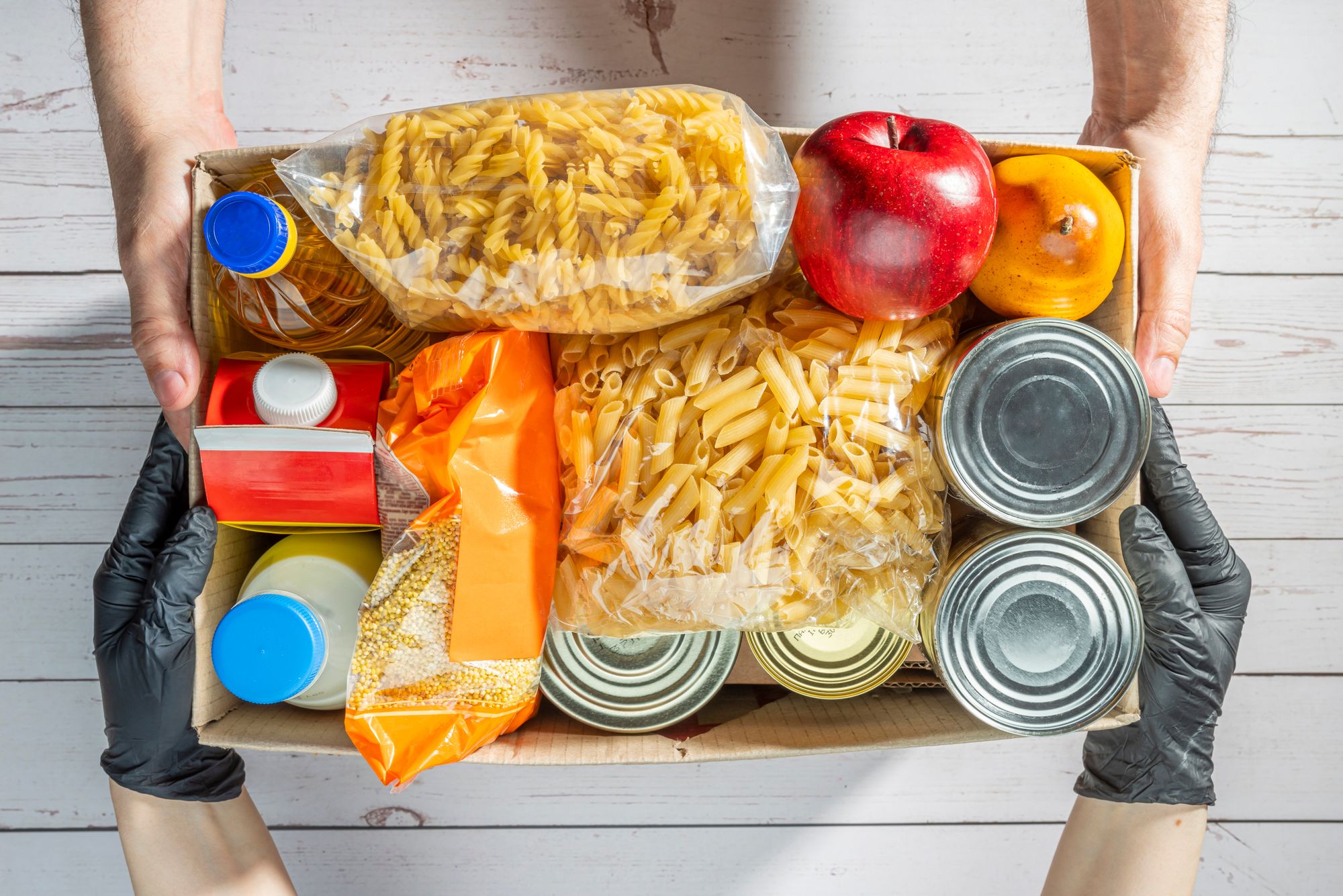
Food banks and pantries are perhaps the most recognizable community resources for free groceries. Food banks typically collect and store large quantities of donated food, which they then distribute to a network of smaller food pantries, soup kitchens, and shelters. Food pantries, operating at a hyper-local level, directly provide groceries to individuals and families in need within their immediate community. The process usually involves a simple registration, often requiring proof of residency or household size, but rarely stringent income verification. Most pantries allow visitors to select items, providing a degree of choice that respects individual preferences and dietary needs. Regular visits to food pantries can significantly reduce a household’s grocery bill, allowing them to allocate funds to other necessities or save for financial emergencies. Many food banks also offer additional services, such as nutritional education, cooking classes, and referrals to other social services, enhancing their role beyond mere food provision. Proactive research to identify the nearest food pantries and their operating hours is a key step in incorporating this resource into a comprehensive financial strategy for food procurement.
Engaging with Mutual Aid Networks and Community Fridges
Mutual aid networks represent a grassroots, community-driven approach to addressing various needs, including food insecurity. These networks are built on principles of solidarity, where community members voluntarily share resources, skills, and support without formal hierarchical structures. Food-focused mutual aid often involves community members organizing food drives, sharing excess garden produce, or setting up informal distribution points. A growing trend within this movement is the establishment of “community fridges” – publicly accessible refrigerators stocked with free food by and for the community. These fridges operate on a “take what you need, leave what you can” philosophy, offering immediate, no-questions-asked access to fresh produce, packaged goods, and prepared meals. Engaging with mutual aid networks not only provides free groceries but also strengthens community bonds and fosters a sense of collective responsibility. Participation can be two-fold: receiving help when needed and contributing when able, creating a sustainable cycle of support that reduces individual financial strain while building community resilience. These informal networks can be particularly helpful for those who may not qualify for traditional assistance or who need immediate, discreet help.
Utilizing Gleaning and Community Gardens
Gleaning is an ancient practice experiencing a modern resurgence, particularly in the context of food waste reduction and food security. It involves collecting leftover crops from farmers’ fields after they have been commercially harvested or from fields where it is not economically viable to harvest the entire crop. Many non-profit organizations coordinate gleaning efforts, mobilizing volunteers to rescue perfectly edible produce that would otherwise go to waste. This harvested food is then distributed to food banks, pantries, and directly to communities in need. Participating in gleaning, either as a volunteer or a recipient, offers a direct pathway to fresh, nutritious food without cost. Similarly, community gardens provide plots of land for individuals or groups to grow their own food. While not “free” in the sense of being handed to you, the upfront costs are minimal (seeds, tools, water, usually shared), and the yield can significantly offset grocery expenses. Many community gardens also have communal plots where harvests are shared among participants or donated to local food programs. These initiatives not only provide access to healthy, often organic, produce but also offer opportunities for skill-building, physical activity, and community engagement, contributing to a more holistic approach to food security and financial independence from traditional grocery retail.
Smart Shopping Strategies for Significant Savings
Beyond direct assistance programs and community resources, individuals can employ a range of sophisticated shopping strategies to dramatically reduce their grocery expenses, effectively making items “free” through savvy financial maneuvers. These methods require dedication and strategic planning but yield substantial savings over time, translating directly into improved personal finance.
Mastering Digital and Print Couponing
Couponing, a time-honored tradition, has evolved dramatically with the advent of digital platforms, but its core principle remains unchanged: acquire goods at a reduced or zero cost. Modern couponing involves a blend of traditional newspaper inserts, manufacturer websites, and digital coupon apps. The key to mastering this is organization and strategic planning. This means identifying sales cycles, stacking coupons (combining a manufacturer coupon with a store coupon), and pairing coupons with clearance items for maximum impact. Digital coupons, accessible through supermarket apps or dedicated coupon platforms, offer convenience and often personalized deals based on past purchases. For those willing to invest time in “extreme couponing,” the goal is often to achieve a final bill of zero or even a “moneymaker” (where the coupon’s value exceeds the item’s price, resulting in store credit). While extreme couponing requires significant effort, even moderate coupon use can lead to substantial weekly savings, freeing up hundreds of dollars annually that would otherwise be spent on groceries. It transforms the act of shopping into a strategic financial game, rewarding diligence with tangible savings.
Maximizing Rebate and Cashback Apps
The rise of financial technology has introduced a powerful new tool for grocery savings: rebate and cashback apps. Platforms like Ibotta, Fetch Rewards, Checkout 51, and Rakuten (for online grocery deliveries) allow consumers to earn money back on their purchases, often for everyday grocery items. The process typically involves activating offers before shopping, purchasing the qualifying items, and then scanning receipts or linking loyalty cards. The accumulated cash back can then be redeemed via PayPal, gift cards, or direct bank transfer. The beauty of these apps is that they can often be combined with coupons and store sales, creating a “triple-stacking” effect: a sale price, plus a coupon, plus a cashback offer, leading to significant net savings or even entirely free items. Integrating these apps into your routine requires minimal effort but offers continuous returns. Consistently utilizing these platforms is a highly effective financial strategy to recoup a portion of your grocery spending, effectively reducing the net cost of your food and enhancing your overall purchasing power. It’s about turning regular spending into an opportunity for passive savings.
Exploiting Loyalty Programs and Store Rewards
Almost every major supermarket chain offers a loyalty program designed to incentivize repeat business. These programs typically reward customers with points for every dollar spent, which can then be redeemed for discounts, free items, or fuel savings. The key to exploiting these programs is consistent engagement and strategic purchasing. Look for bonus point offers on specific items or categories, personalized discounts delivered via email or app, and “spend X, get Y” promotions. Many programs also offer exclusive discounts to members, allowing access to lower prices that non-members cannot utilize. Furthermore, some loyalty programs offer unique benefits such as a free item on your birthday, or a “first-time customer” discount for linking your card to their app. Credit cards that offer bonus points on grocery purchases can be strategically paired with these loyalty programs, yielding even greater rewards. For instance, using a credit card that offers 3% cashback on groceries at a store where you also earn loyalty points effectively means you are receiving a discount on your purchase before even considering sales or coupons. By consistently using loyalty cards and monitoring rewards, consumers can significantly reduce their long-term grocery expenses, making these programs a cornerstone of smart financial planning for food.
Innovative Approaches to Secure Food Without Direct Cost
While traditional methods of obtaining free groceries are well-established, a growing number of innovative and less conventional approaches can also yield significant results. These strategies often require a different kind of engagement—time, participation, or creative exchange—but can be incredibly effective in offsetting food costs.
Participating in Product Testing and Market Research
Companies are constantly seeking consumer feedback to refine their products, and this often extends to food items. Participating in product testing or market research studies, particularly those focused on food and beverages, can be a direct route to receiving free groceries or grocery vouchers. These opportunities might involve taste tests, in-home product trials where you keep the product afterward, or online surveys about your eating habits and preferences. Compensation can range from direct product samples to gift cards for major grocery retailers or even cash payments. Websites specializing in connecting consumers with research studies, or local university psychology/marketing departments, are good starting points for finding these opportunities. While not a consistent weekly source of free food, strategic participation can provide periodic infusions of free groceries or funds that can be used to purchase them, adding another layer to your financial strategy for food procurement. It’s a way to leverage your consumer insights into tangible financial benefits.
Exploring Bartering and Skill Exchange
In communities where economic exchanges are not solely monetary, bartering and skill exchange can be a powerful method to obtain groceries for free. This involves trading goods or services you possess for food items that others have in abundance. For example, if you have a surplus of fresh produce from your garden, you might trade it with a neighbor who bakes bread or makes preserves. If you have a particular skill, such as handyman work, childcare, or IT support, you could offer your services in exchange for home-cooked meals, canned goods, or excess produce from someone else’s pantry or garden. Websites and local community groups (e.g., Facebook groups, community notice boards) often facilitate these types of exchanges. This approach not only provides free groceries but also fosters community connections and reduces reliance on the cash economy. It encourages a resourceful mindset, where existing assets—whether tangible goods or intangible skills—are viewed as currency, allowing for the acquisition of food without depleting cash reserves.
Strategic Use of Free Trials and Promotions (e.g., meal kits)
The competitive landscape of the food industry, particularly the booming meal kit and grocery delivery services, often leads companies to offer enticing free trials and promotional discounts to attract new customers. Services like HelloFresh, Blue Apron, Home Chef, or even Amazon Fresh frequently offer initial boxes or substantial discounts that can effectively amount to several free meals or a significant portion of a grocery order. The key here is strategic and ethical utilization. While signing up for multiple services to receive their introductory offers can provide a temporary influx of free food, it’s crucial to understand the terms and conditions, particularly concerning auto-renewal and cancellation policies. Setting calendar reminders to cancel before charges accrue is essential to avoid unexpected expenses. Additionally, some grocery stores offer “free item Friday” or similar promotions through their apps, providing a complimentary product each week. By diligently tracking and exploiting these legitimate introductory offers and promotions, consumers can strategically supplement their food supply at no cost, effectively “gaming the system” in a permissible way to their financial advantage. This tactic, when managed carefully, can significantly reduce the grocery bill for weeks or even months.
Cultivating a Mindset for Financial Resilience and Food Security
Achieving consistent access to free or significantly reduced-cost groceries is not just about leveraging external programs and smart shopping; it also involves adopting an internal mindset of resilience, resourcefulness, and responsible financial management. This holistic approach ensures that food security becomes an integrated part of a broader strategy for personal financial health.
Budgeting for Groceries and Reducing Food Waste
Even when striving for free groceries, a foundational element of financial resilience is a well-structured budget. Integrating food procurement strategies into a broader financial plan means understanding how much you would spend on groceries versus how much you actually spend after implementing these methods. This allows for a clear appreciation of savings and helps in redirecting those funds towards other financial goals. Equally important is the practice of reducing food waste. The average household wastes a significant amount of food annually, representing a substantial financial loss. Strategies like meal planning, proper food storage, understanding “best by” dates, and creatively using leftovers can drastically cut down on wasted food, effectively making your existing groceries “stretch further” and preventing you from needing to purchase replacements sooner. By valuing every morsel of food and optimizing its use, you inherently reduce your overall grocery expenditure, reinforcing the impact of your efforts to secure free items. This conscious approach to consumption is a powerful financial habit.
Understanding Eligibility and Overcoming Stigma
A significant barrier to accessing free grocery programs can be the perceived stigma associated with receiving assistance. However, it’s crucial to reframe this perspective. These programs are designed to support community well-being and are funded by taxpayers for the benefit of those who need them. Understanding that there is no shame in utilizing resources available to you is vital for financial resilience. Furthermore, eligibility criteria for various programs are often more nuanced than commonly believed. Many people who believe they “don’t qualify” might actually be eligible for some form of assistance, especially local initiatives or WIC. Proactive research and candid conversations with program administrators can clarify eligibility requirements. Overcoming any internal or external stigma associated with seeking help allows individuals to fully leverage the support systems designed to alleviate financial pressure, directly contributing to greater food security and peace of mind.

Long-Term Strategies for Sustainable Food Access
While the immediate goal is to receive free groceries, a long-term perspective involves building sustainable systems for food access and financial independence. This includes cultivating skills such as gardening, preserving food (canning, freezing, dehydrating), and cooking from scratch using seasonal and bulk ingredients. These skills not only reduce reliance on external aid but also provide fresh, healthy food at a fraction of the cost of store-bought equivalents. Investing in knowledge about nutrition and meal planning can lead to more efficient use of resources and healthier dietary habits. Additionally, advocating for policies that support food security, participating in community initiatives, and continuously seeking to improve one’s financial literacy are all part of a sustainable approach. The pursuit of free groceries should not be seen as an end in itself but as a component of a larger strategy to achieve lasting financial resilience, where food access is consistent, affordable, and healthy, leading to improved quality of life.
aViewFromTheCave is a participant in the Amazon Services LLC Associates Program, an affiliate advertising program designed to provide a means for sites to earn advertising fees by advertising and linking to Amazon.com. Amazon, the Amazon logo, AmazonSupply, and the AmazonSupply logo are trademarks of Amazon.com, Inc. or its affiliates. As an Amazon Associate we earn affiliate commissions from qualifying purchases.