
The landscape of personal finance has undergone a seismic shift over the last decade, moving away from traditional brick-and-mortar banking toward agile, mobile-first financial tools. At the forefront of this revolution is Cash App, a versatile platform that has evolved from a simple peer-to-peer payment service into a multifaceted financial ecosystem. Whether you are looking to pay a friend for dinner, invest in fractional stocks, or manage your daily expenses, the first step to leveraging the platform’s power is understanding the various methods available for funding your account.
Navigating the nuances of digital transfers, retail deposits, and direct deposits is essential for any modern consumer looking to optimize their financial workflow. This guide explores the diverse avenues for putting money into Cash App, providing professional insights into the mechanics, costs, and strategic advantages of each method.
Linking Financial Institutions for Seamless Transfers
The most common and efficient way to fund a Cash App balance is by linking it directly to an existing financial institution. By bridging the gap between traditional banking and fintech, users can move capital with minimal friction.
Connecting a Debit Card or Bank Account
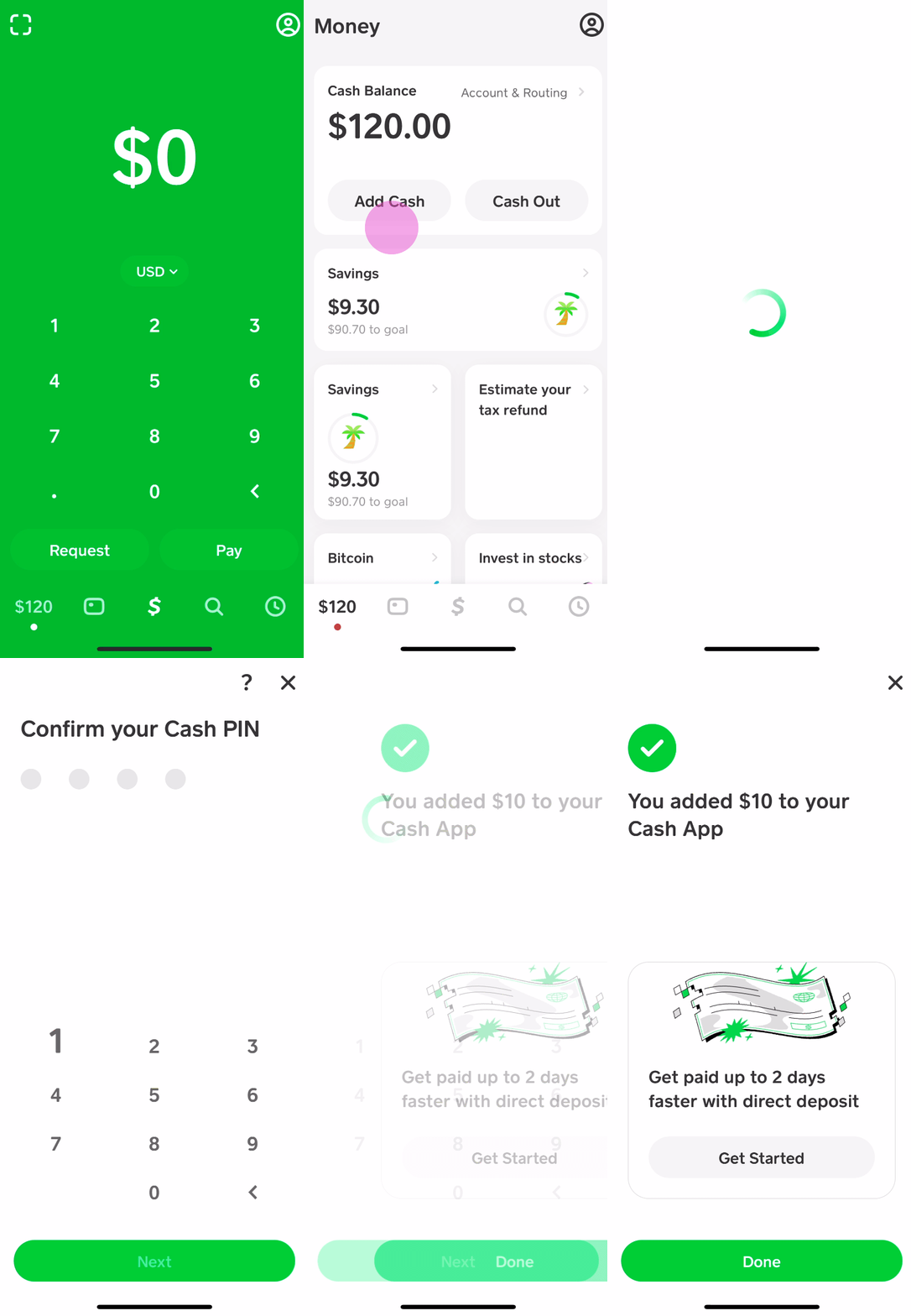
The primary mechanism for adding funds is the “Add Cash” feature, which draws from a linked debit card. When you first set up your account, the app prompts you to link a card backed by a major provider such as Visa, Mastercard, or American Express. This connection uses secure encryption protocols to ensure that your banking credentials remain protected.
To link your account, you navigate to the “Banking” or “My Cash” tab and select “Add Bank.” While many users prefer linking a debit card for its speed, linking a bank account via the routing and account numbers is a necessary secondary step for broader functionality, such as cashing out larger sums or establishing a fallback funding source.
The Dynamics of Standard vs. Instant Transfers
When moving money from a linked bank account into the Cash App ecosystem, the timing of the transaction is a critical consideration for your personal liquidity management.
-
Standard Deposits: These are typically initiated from a linked bank account and may take one to three business days to clear. This is the most cost-effective method for users who are planning their budget in advance and do not have an immediate need for the funds.
-
Debit Card Loads: When you “Add Cash” using a linked debit card, the funds are usually available in your Cash App balance immediately. Unlike “Cashing Out”—where instant transfers often incur a small percentage fee—adding money to your balance from a debit card is generally free of charge, making it the preferred method for quick funding.
Understanding Transfer Limits and Verification
Financial tools are subject to stringent regulatory requirements, including “Know Your Customer” (KYC) laws. To protect against fraud and money laundering, Cash App imposes initial limits on how much money you can add to your account. Unverified users may find themselves restricted to lower weekly limits.
To increase these thresholds, users must complete the verification process by providing their full legal name, date of birth, and the last four digits of their Social Security Number. Once verified, the account’s capacity for both sending and receiving funds expands significantly, allowing the app to serve as a more robust vehicle for substantial financial transactions.
Utilizing Physical Retail Locations for Cash Deposits
A significant advantage of Cash App over many of its digital-only competitors is its integration with physical retail infrastructure. For those who receive income in the form of physical currency or prefer to keep a portion of their assets in cash, the “Paper Money” deposit feature is an invaluable bridge to the digital economy.
The Paper Money Deposit Mechanism
Historically, depositing physical cash into a digital wallet was a cumbersome process involving money orders or intermediary bank accounts. Cash App streamlined this by introducing a barcode-based system. Within the app’s banking tab, users can find the “Paper Money” option, which generates a unique, time-sensitive QR code.
A cashier at a participating retailer scans this code, takes the physical currency, and initiates a digital transfer to the user’s account. This process effectively turns thousands of retail counters into “de facto” bank tellers.
Finding Participating Retailers
The network of retailers supporting Cash App deposits is extensive, encompassing major national chains and local convenience stores. Common locations include:
-
Walmart
-
Walgreens and Duane Reade
-
7-Eleven
-
Family Dollar and Dollar General
-
Rite Aid
-
CVS
The app includes a built-in map feature that identifies the nearest deposit locations, ensuring that users can find a funding point regardless of their geographic location.

Transaction Fees and Strategic Considerations
It is important to note that retail deposits are rarely free. Most participating merchants charge a nominal service fee—typically around $1 per transaction—and there are specific limits on how much cash can be deposited daily or monthly. For the savvy financial planner, it is often more efficient to deposit larger sums in a single transaction to minimize the impact of the per-transaction fee on the overall balance. Additionally, users should always retain their physical receipt until the funds are confirmed in their digital balance, which usually occurs within minutes of the transaction.
Receiving Funds from Peer-to-Peer Transactions
Beyond self-funding, a Cash App balance often grows through the ecosystem’s native peer-to-peer (P2P) functionality. This social aspect of the tool allows for the fluid movement of capital between individuals, often serving as a primary source of “income” for freelancers or those splitting communal costs.
Requesting Money and Using $Cashtags
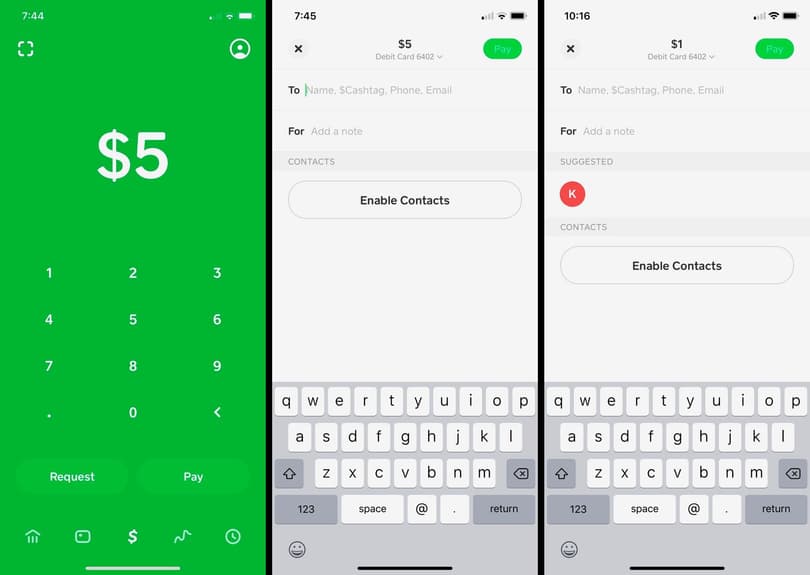
Every user is assigned a unique identifier known as a $Cashtag. This handle allows others to send money to your account without needing your sensitive bank details or phone number. If someone owes you money—whether for a shared utility bill or a freelance gig—you can send a “Request.”
When the other party accepts the request, the funds are immediately credited to your Cash App balance. Unlike traditional bank wires or ACH transfers, these P2P movements are instantaneous and occur 24/7, making them ideal for urgent financial needs.
Leveraging the App for Professional Payments
As the gig economy expands, many professionals use Cash App as a secondary payment processor. By sharing a $Cashtag on an invoice or a social media profile, business owners can receive payments for services rendered. However, it is vital to distinguish between personal and business use. Cash App offers specific “Business Accounts” that allow for higher receiving limits and provide more detailed reporting for tax purposes, though these accounts may incur a small transaction fee on incoming payments.
Security Best Practices for P2P Transfers
Because P2P transfers are often instantaneous and difficult to reverse, security is paramount. Users should only accept or request money from known individuals. To safeguard your balance, it is highly recommended to enable the “Security Lock” feature, which requires a PIN or biometric authentication (Touch ID or Face ID) before any money can be sent or added from a linked account.
Direct Deposit and Recurring Funding Strategies
For many, Cash App has moved from being a secondary app to a primary financial hub. This transition is made possible through the platform’s sophisticated direct deposit and recurring deposit features, which automate the process of building a balance.
Setting Up Payroll Direct Deposit
Cash App provides users with a routing number and a unique account number, effectively giving the user a virtual checking account. By providing these details to an employer’s HR department or a government agency, users can have their paychecks, tax refunds, or unemployment benefits deposited directly into their Cash App balance.
One significant financial incentive for this method is speed. Cash App often makes direct deposit funds available up to two days earlier than traditional banks. This early access to capital can be a game-changer for individuals managing tight monthly budgets or those looking to move money into investments more quickly.
Benefits of Account Integration
When you fund your account via direct deposit, you often unlock additional perks within the app. These may include “Boosts”—instant discount offers at various retailers when using the Cash App Visa Debit Card—and the ability to have a portion of your paycheck automatically converted into Bitcoin or invested into specific stocks. This “set it and forget it” approach to funding is a hallmark of disciplined personal finance management.
Government Stimulus and Tax Refunds
The platform’s direct deposit feature gained massive traction during the distribution of federal stimulus checks. Because the app provides the necessary banking credentials required by the IRS, users without traditional bank accounts were able to receive their funds digitally. This same functionality applies to annual tax refunds, allowing users to bypass the delays associated with physical checks.
Advanced Funding: Bitcoin and Investment Yields
As a comprehensive financial tool, Cash App allows users to fund their accounts through more non-traditional means, specifically through the movement of digital assets and the returns on investments.
Depositing Bitcoin from External Wallets
Cash App is one of the most user-friendly gateways for Bitcoin. Beyond simply buying and selling, users can “put money” into their account by transferring Bitcoin from an external cold wallet or another exchange. Once the Bitcoin is received in the Cash App wallet, it can be held as an asset or sold for U.S. Dollars, which then adds to the spendable cash balance. This creates a bridge between cryptocurrency holdings and everyday fiat spending.
Reinvesting Dividends and Portfolio Growth
For users utilizing the “Cash App Investing” feature, the account balance can be bolstered by the performance of the stock market. If you hold shares of dividend-paying companies, those dividends are often paid out directly into your Cash App balance. While this may start as small incremental additions, over time, a well-managed portfolio can become a self-sustaining source of funds for the account, illustrating the power of compounding returns within a single integrated platform.
By mastering these various funding channels—from the traditional bank link to the modern crypto transfer—users can ensure that their digital wallet remains a flexible, responsive, and powerful tool in their overall financial arsenal. Understanding the mechanics of each method allows for better planning, lower fees, and a more streamlined approach to managing personal wealth in the digital age.
aViewFromTheCave is a participant in the Amazon Services LLC Associates Program, an affiliate advertising program designed to provide a means for sites to earn advertising fees by advertising and linking to Amazon.com. Amazon, the Amazon logo, AmazonSupply, and the AmazonSupply logo are trademarks of Amazon.com, Inc. or its affiliates. As an Amazon Associate we earn affiliate commissions from qualifying purchases.