
In the rapidly evolving landscape of personal finance, the boundary between traditional banking and digital ecosystems has become increasingly blurred. Cash App, developed by Block, Inc., has emerged as a cornerstone of this transition, offering users a seamless way to send, receive, invest, and spend money. At the heart of this ecosystem is the Cash App Card—a Visa debit card that allows users to access their digital balance in the physical world. However, the utility of this card is entirely dependent on one’s ability to efficiently fund it.
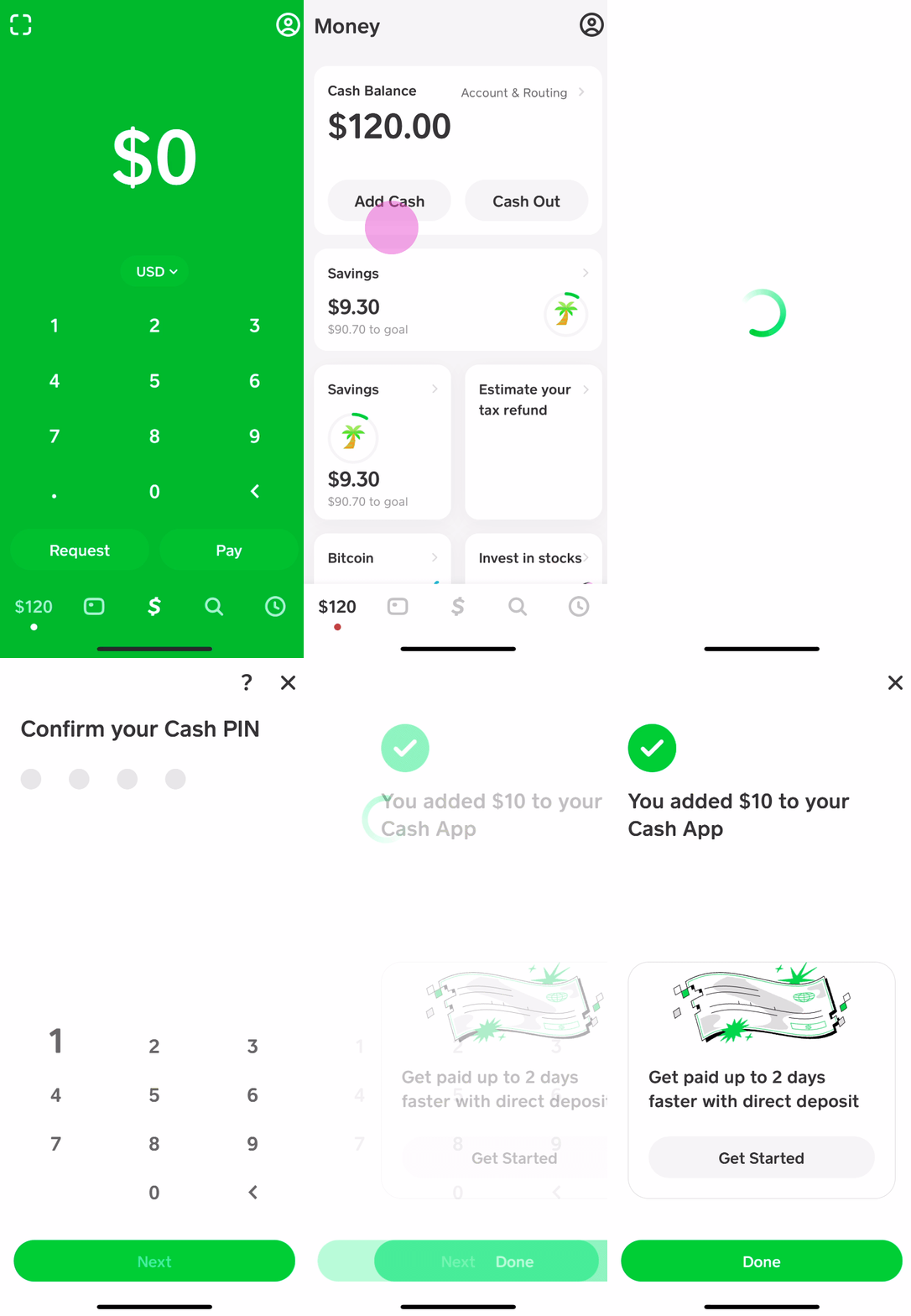
Understanding how to put cash on a Cash App card is not merely a technical necessity; it is a strategic move in modern money management. Whether you are navigating the gig economy, managing a side hustle, or simply seeking a more agile way to handle your daily expenses, mastering the various methods of funding your account is essential for financial fluidity.
Understanding the Role of Cash App in Modern Personal Finance
The rise of financial technology (FinTech) has fundamentally changed how we interact with our assets. For many, the Cash App Card serves as a primary financial tool, bridge, or even a replacement for traditional checking accounts.
The Shift from Traditional Banking to Digital Wallets
Traditional brick-and-mortar banks often come with bureaucratic hurdles, monthly maintenance fees, and slow processing times. Digital wallets like Cash App have disrupted this model by prioritizing user experience and instant accessibility. By utilizing a Cash App card, individuals can bypass the “waiting period” often associated with bank transfers, allowing for immediate liquidity. This is particularly beneficial for those in the “unbanked” or “underbanked” demographics, providing a secure, low-cost alternative to traditional financial institutions.
Why Your Cash App Card is a Key Financial Tool
The Cash App card is more than just a piece of plastic; it is an extension of a multifaceted financial platform. It allows users to take advantage of “Boosts”—instant discounts at specific retailers—effectively acting as a savings tool. Furthermore, because the card is linked directly to your Cash App balance, it enables a “compartmentalized” budgeting strategy. By loading only a specific amount of “discretionary spending” money onto the card, users can maintain stricter control over their monthly budgets without touching their primary savings or investment accounts.
Strategic Methods for Funding Your Cash App Balance
To maximize the utility of the Cash App card, one must understand the various “on-ramps” for capital. Depending on your financial structure, you may choose to fund your account through digital transfers, automated income, or peer interactions.
Linking a Traditional Bank Account or Debit Card
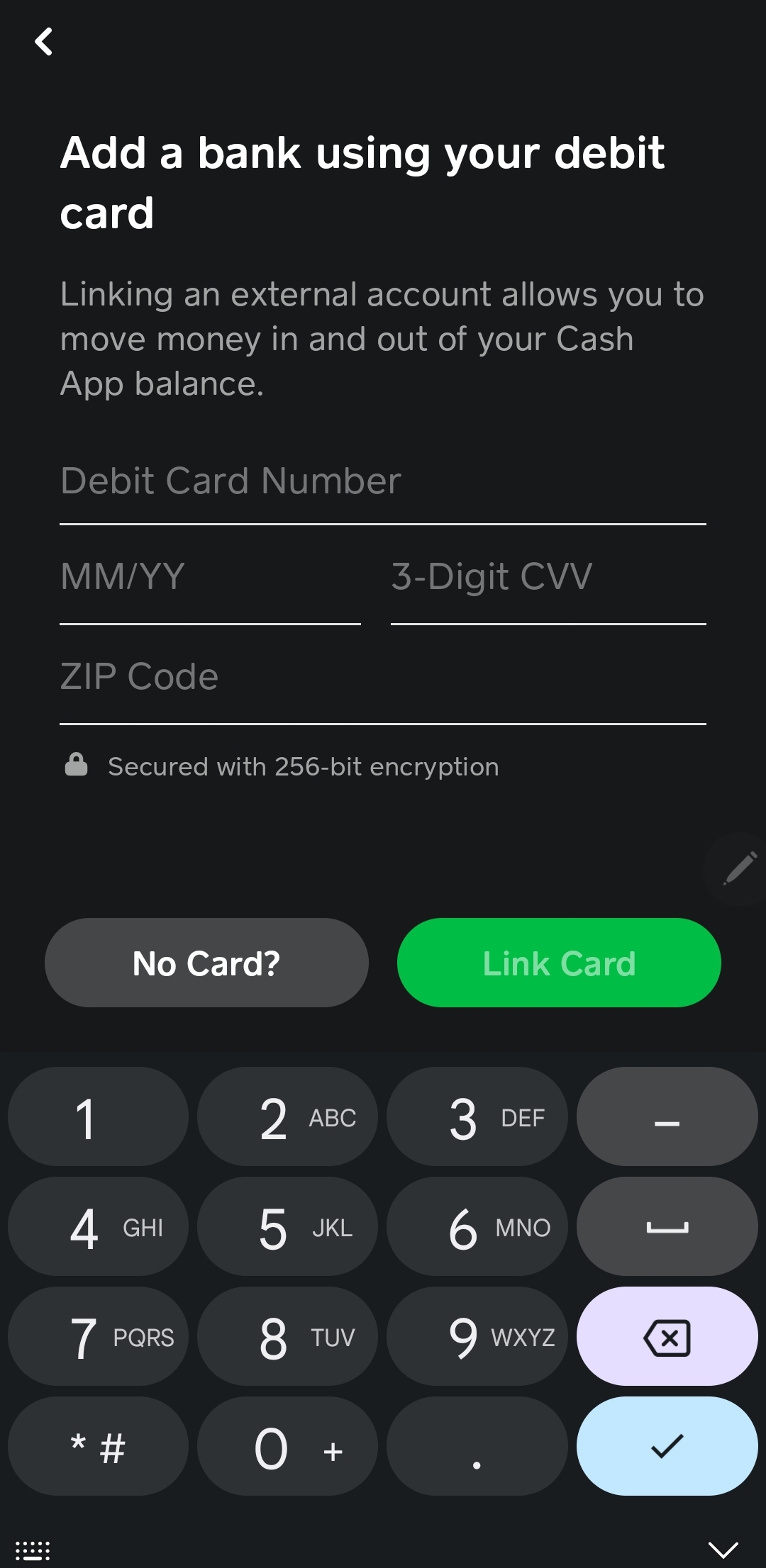
The most common and cost-effective way to put money on your Cash App card is by linking a traditional bank account or a third-party debit card. This creates a “bridge” between your legacy financial holdings and your digital wallet.
- Standard Transfers: These are typically free and take 1-3 business days. This is the ideal method for proactive budgeters who plan their spending a week in advance.
- Instant Deposits: For a small percentage fee, Cash App allows you to move money from your linked debit card to your Cash App balance instantly. This is a vital feature for emergency expenses or capturing time-sensitive investment opportunities within the app’s stock or Bitcoin features.
Direct Deposits: Automating Your Income
For those looking to use Cash App as their primary financial hub, setting up direct deposit is a sophisticated strategy. By providing your employer with your Cash App routing and account numbers, your paycheck is deposited directly into the ecosystem. In many cases, Cash App offers access to these funds up to two days earlier than traditional banks. From a personal finance perspective, this accelerates your “cash flow cycle,” allowing you to pay bills, invest, or move money into high-yield environments faster.
Peer-to-Peer (P2P) Transfers: The Power of the Ecosystem
One of the most unique ways to “load” your card is through the P2P network. If you are a freelancer or someone who splits expenses with friends, receiving payments directly via $Cashtag is an instantaneous way to increase your card’s balance. Unlike a check that needs to clear, P2P transfers are immediate. This makes the Cash App card an excellent tool for those managing “side hustle” income, as the revenue can be spent or reinvested the moment the service is rendered.
How to Add Physical Cash at Retail Locations
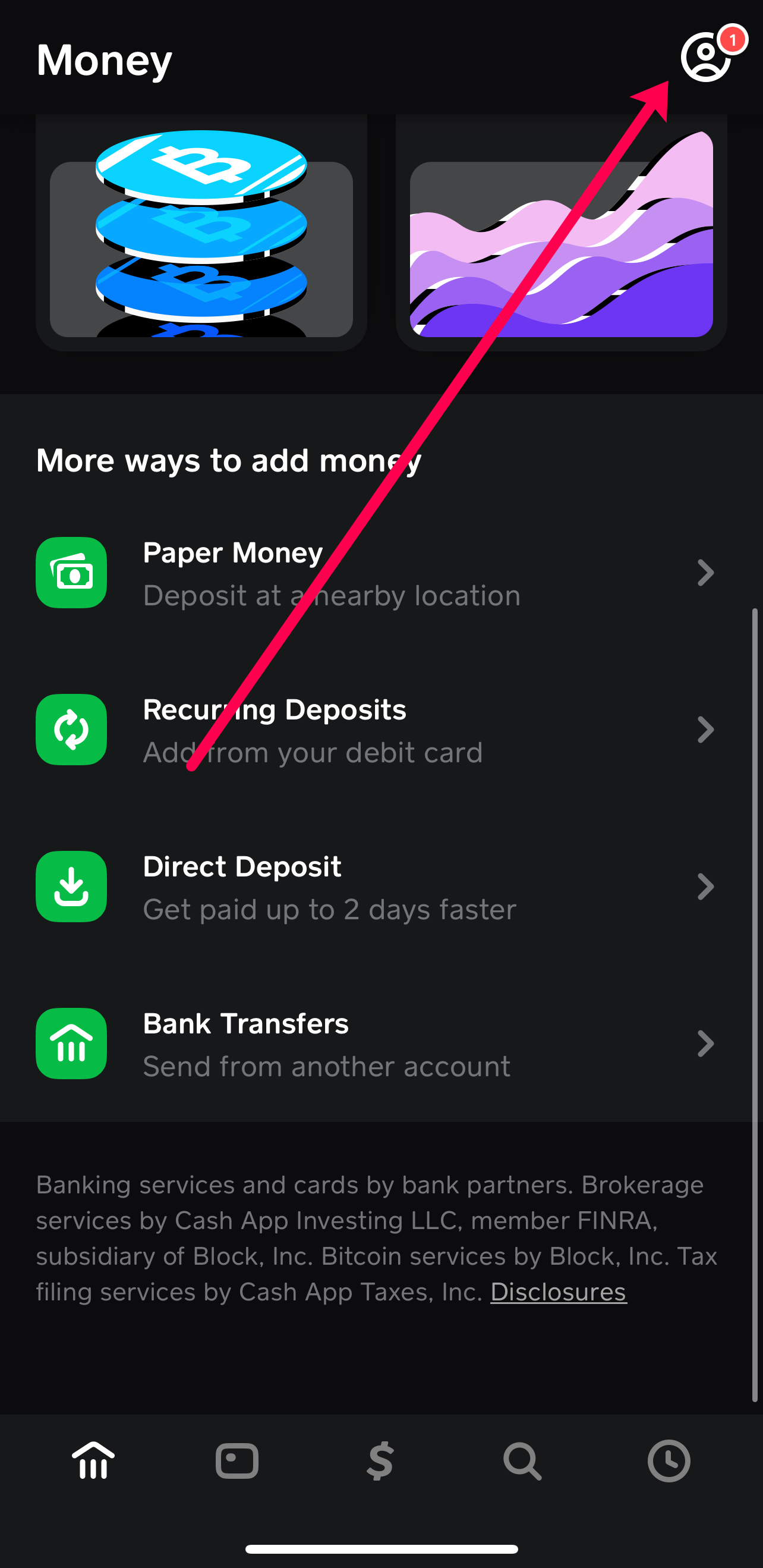
One of the most significant hurdles for digital-first users is the conversion of physical “paper” currency into digital assets. Cash App has solved this through a robust network of retail partners, allowing users to “deposit” physical cash into their digital accounts at thousands of locations.
Identifying Supported Retailers
Cash App has partnered with major national chains to facilitate cash deposits. Common locations include:
- Walmart (Customer Service Desk or MoneyCenter)
- Walgreens and Duane Reade
- 7-Eleven
- Family Dollar and Dollar General
- Rite Aid
- CVS
By leveraging these physical touchpoints, users can move cash from their pockets to their cards without needing a traditional bank teller.
Using the “Paper Money” Feature: A Technical Walkthrough
To deposit physical cash, you must use the “Paper Money” feature within the app.
- Open the Cash App and tap the “Money” tab on the home screen.
- Select “Paper Money.”
- A map will appear showing nearby supported merchants. Once at the location, tap “Show Barcode.”
- Present this barcode to the cashier. They will scan it, take your physical cash, and the funds will be credited to your Cash App balance (and thus your Cash App card) within minutes.
Understanding Fees and Limits for Cash Reloads
From a financial planning perspective, it is important to account for the costs associated with physical deposits. Most retailers charge a flat fee (typically around $1 or $4) for this service. Additionally, Cash App imposes limits on paper money deposits—usually capped at $500 per transaction, $1,000 per 7 days, and $4,000 per 30 days. For high-volume users, tracking these limits is essential to ensure that “liquidity traps” are avoided and that cash remains accessible when needed.
Strategic Financial Management with Your Cash App Card
Once your card is funded, the focus shifts from “how to put money on it” to “how to manage that money effectively.” Utilizing the card as a strategic instrument can lead to better financial health.
Budgeting and Spending Tracking
The Cash App interface provides real-time notifications for every transaction made with the card. For those practicing the “envelope method” of budgeting, the Cash App card acts as a digital envelope. By depositing a fixed amount of “fun money” or “grocery money” onto the card each month, you create a hard ceiling for spending in that category. This prevents the “leakage” often seen when spending from a primary bank account where funds are co-mingled.
Savings Round-Ups and Bitcoin Integration
A sophisticated money management feature within the Cash App ecosystem is the ability to “Round Up.” When you spend with your Cash App card, the app can round the transaction up to the nearest dollar and invest the difference into a savings account, a specific stock, or Bitcoin. Over time, these micro-deposits accumulate, turning everyday spending into a passive wealth-building strategy. This aligns with the principle of “paying yourself first,” even in small, manageable increments.
Security and Best Practices for Protecting Your Assets
In the digital finance world, convenience must never come at the expense of security. Because the Cash App card provides direct access to your balance, protecting it is paramount.
Enabling Security Locks and Two-Factor Authentication
To safeguard the money you’ve worked hard to load onto your card, you must utilize the app’s built-in security features.
- Security Lock: Require a PIN or TouchID/FaceID for every transaction.
- Card Disabling: If you misplace your physical card, you can instantly “toggle off” the card within the app to prevent unauthorized charges. This provides a level of control that traditional credit cards often lack.
Avoiding Common Scams and Deposit Errors
As with any financial tool, awareness is the best defense. Users should be wary of “cash flipping” scams or individuals requesting “verification deposits.” Always ensure that when you are loading money at a retail location, you are dealing with an authorized cashier and that you receive a physical receipt for the transaction. Furthermore, double-check $Cashtags before sending or requesting funds, as P2P transactions are often irreversible.
By understanding the mechanics of funding—from digital links to physical retail deposits—and combining that knowledge with strategic spending and security practices, you transform the Cash App card from a simple payment method into a comprehensive financial management tool. In the modern economy, the ability to move and manage money with speed and precision is one of the greatest assets a consumer can possess.
aViewFromTheCave is a participant in the Amazon Services LLC Associates Program, an affiliate advertising program designed to provide a means for sites to earn advertising fees by advertising and linking to Amazon.com. Amazon, the Amazon logo, AmazonSupply, and the AmazonSupply logo are trademarks of Amazon.com, Inc. or its affiliates. As an Amazon Associate we earn affiliate commissions from qualifying purchases.