
In an increasingly cashless world, financial tools that seamlessly bridge the gap between physical currency and digital transactions have become indispensable. The Cash App Card stands out as a prime example, offering users a tangible link to their digital Cash App balance. This article delves into the practicalities of loading cash onto your Cash App Card, transforming your physical money into a versatile digital asset that can be spent almost anywhere. Whether you’re looking to manage your budget more effectively, access funds without a traditional bank account, or simply enjoy the convenience of a digital wallet, understanding the various methods for funding your Cash App Card is a cornerstone of modern personal finance.
Understanding Your Cash App Card: A Gateway to Digital Finance
The Cash App Card is more than just a piece of plastic; it’s a pivotal financial instrument that empowers millions of users to manage their money with unparalleled ease. Issued by Sutton Bank and backed by Visa, it functions like a standard debit card, drawing directly from your Cash App balance. For anyone navigating the complexities of personal finance, this card offers a streamlined solution for spending, withdrawing cash, and maintaining control over their funds.
What is the Cash App Card?
At its core, the Cash App Card is a free, customizable Visa debit card directly linked to your Cash App account balance. Unlike traditional bank debit cards that draw from a checking account, the Cash App Card accesses the funds you have stored within your Cash App wallet. This means that any money you receive via peer-to-peer transfers, direct deposits, or by adding cash through the methods we’ll discuss, becomes instantly accessible through the card. Its utility extends beyond mere spending; it allows for ATM withdrawals, making it a powerful tool for those who prefer to carry cash or need physical funds for certain transactions. The card’s widespread acceptance, leveraging the Visa network, ensures that users can make purchases at virtually any merchant that accepts debit cards, both online and in brick-and-mortar stores. This broad utility positions the Cash App Card as an essential component for anyone seeking flexibility in their financial toolkit, offering a pragmatic blend of traditional spending power with the agility of a digital platform.
Why Load Cash onto Your Card?
The decision to load physical cash onto your Cash App Card stems from a variety of financial needs and preferences. Primarily, it serves as an efficient method to convert tangible currency into a digital balance, unlocking a host of benefits. For individuals who primarily deal in cash—perhaps from tips, odd jobs, or simply preferring physical money—the Cash App Card provides a crucial bridge to the digital economy. Instead of depositing cash into a traditional bank account and then transferring it, this direct method streamlines the process.
Furthermore, loading cash onto your card can be an effective budgeting strategy. By earmarking a specific amount of cash for certain expenses and loading it onto your Cash App, you can create a pseudo-envelope system within your digital wallet, making it easier to track and control spending. It also enhances security; carrying a physical card is generally safer than carrying large sums of cash, and if the card is lost or stolen, it can be instantly deactivated via the app, protecting your funds. Moreover, for those who are unbanked or underbanked, the Cash App Card provides a vital alternative, offering access to digital payments, online shopping, and ATM services without the prerequisite of a traditional bank account. This accessibility empowers a broader demographic to participate fully in the digital financial landscape, ensuring they have the tools to manage their money effectively and conveniently.
Primary Methods for Adding Cash to Your Cash App Card
Loading cash onto your Cash App Card is designed to be straightforward, offering several pathways to suit different user needs and preferences. From physical deposits at retail locations to digital transfers from linked accounts, Cash App provides robust solutions to ensure your funds are readily available. Understanding each method’s nuances, including any associated fees and limitations, is crucial for efficient money management.
Depositing Cash at Retail Stores (Paper Money Deposit)
One of the most direct ways to add physical cash to your Cash App Card is through a paper money deposit at participating retail locations. This method is particularly convenient for those who frequently handle cash and wish to convert it into a digital balance without needing a bank account.
The process typically involves a few simple steps:
-
Locate a Participating Retailer: Cash App partners with numerous popular stores, including Walmart, Walgreens, CVS, 7-Eleven, and Dollar General, among others. You can often find a list of nearby participating locations directly within the Cash App.
-
Generate a Deposit Barcode: Within the Cash App, navigate to the “Banking” tab (the house icon). Select “Paper Money” or “Deposit Paper Money.” The app will then generate a unique barcode. This barcode is essential as it links the cash deposit to your specific Cash App account.
-
Present Cash and Barcode to Cashier: At the designated retailer, inform the cashier that you wish to make a Cash App deposit. Present your phone with the barcode to be scanned. Then, hand over the physical cash amount you wish to deposit.
-
Confirm the Transaction: The cashier will process the transaction, and the funds are typically added to your Cash App balance within minutes. You should receive an in-app notification confirming the successful deposit.
It’s important to be aware of any associated fees and limits. Many retailers charge a small fee for this service, usually around $1 to $4, which is deducted from your deposit or added to the total. There are also daily and weekly deposit limits, which vary but typically range from $500 to $1,000 per day and $2,500 to $7,500 per week, depending on your account verification status. For a smooth transaction, ensure your app is updated, have your barcode ready, and count your cash beforehand. This method offers unparalleled convenience for transforming physical cash into an instantly usable digital balance.
Linking an External Bank Account
For users who have a traditional bank account, linking it to Cash App provides a seamless and frequently used method for adding funds. This digital transfer mechanism allows you to pull money directly from your bank account into your Cash App balance, which then becomes accessible via your Cash App Card.
Here’s how to link and add funds:
-
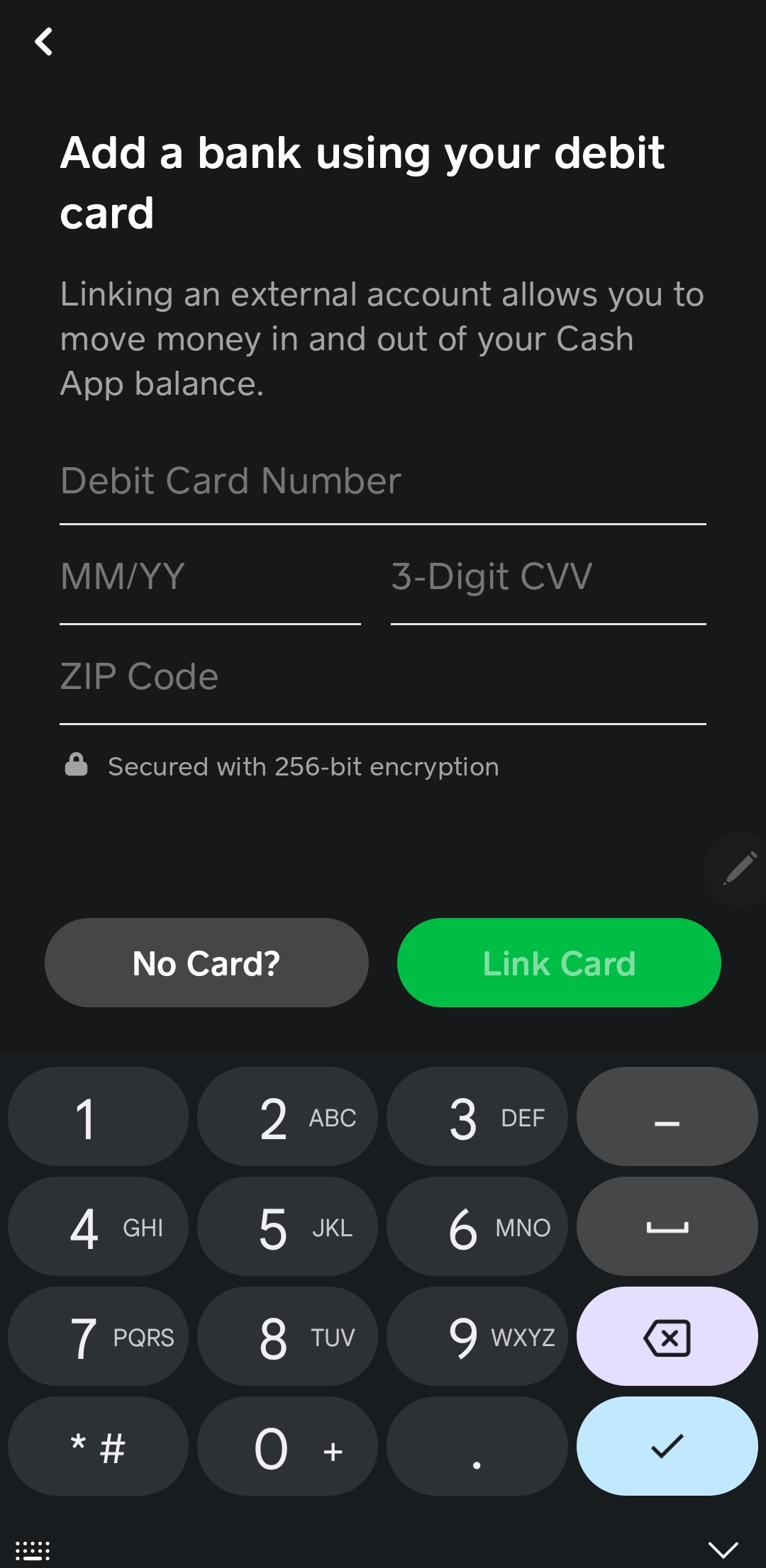
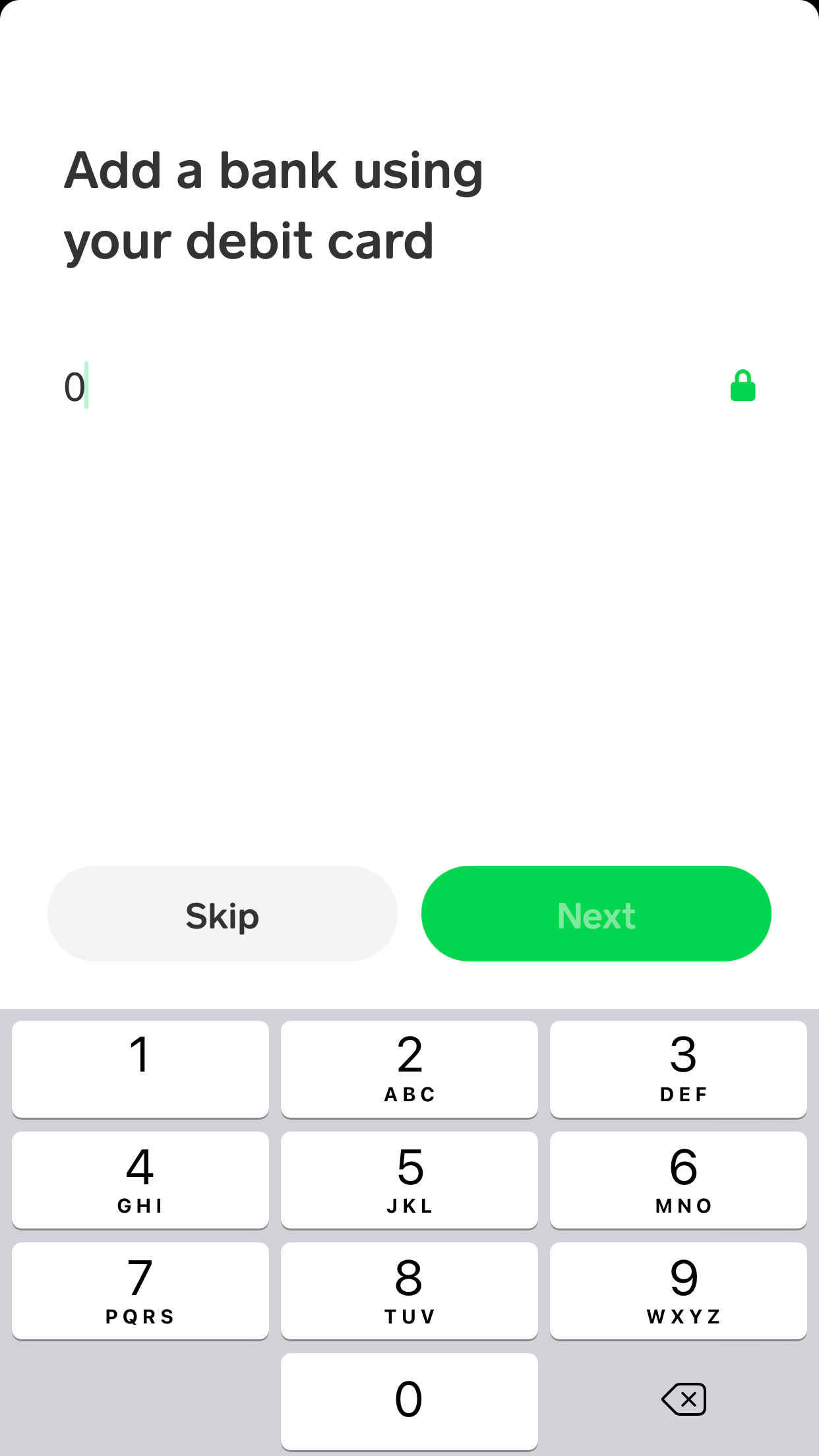
Link Your Bank Account: In the Cash App, go to your profile icon (top right). Scroll down to “Linked Banks.” You’ll have the option to link a debit card or a bank account. For adding cash, linking your debit card directly or providing your bank’s login credentials (using services like Plaid for secure connection) is the most common route. Ensure the name on your bank account matches your Cash App account to avoid issues.
-
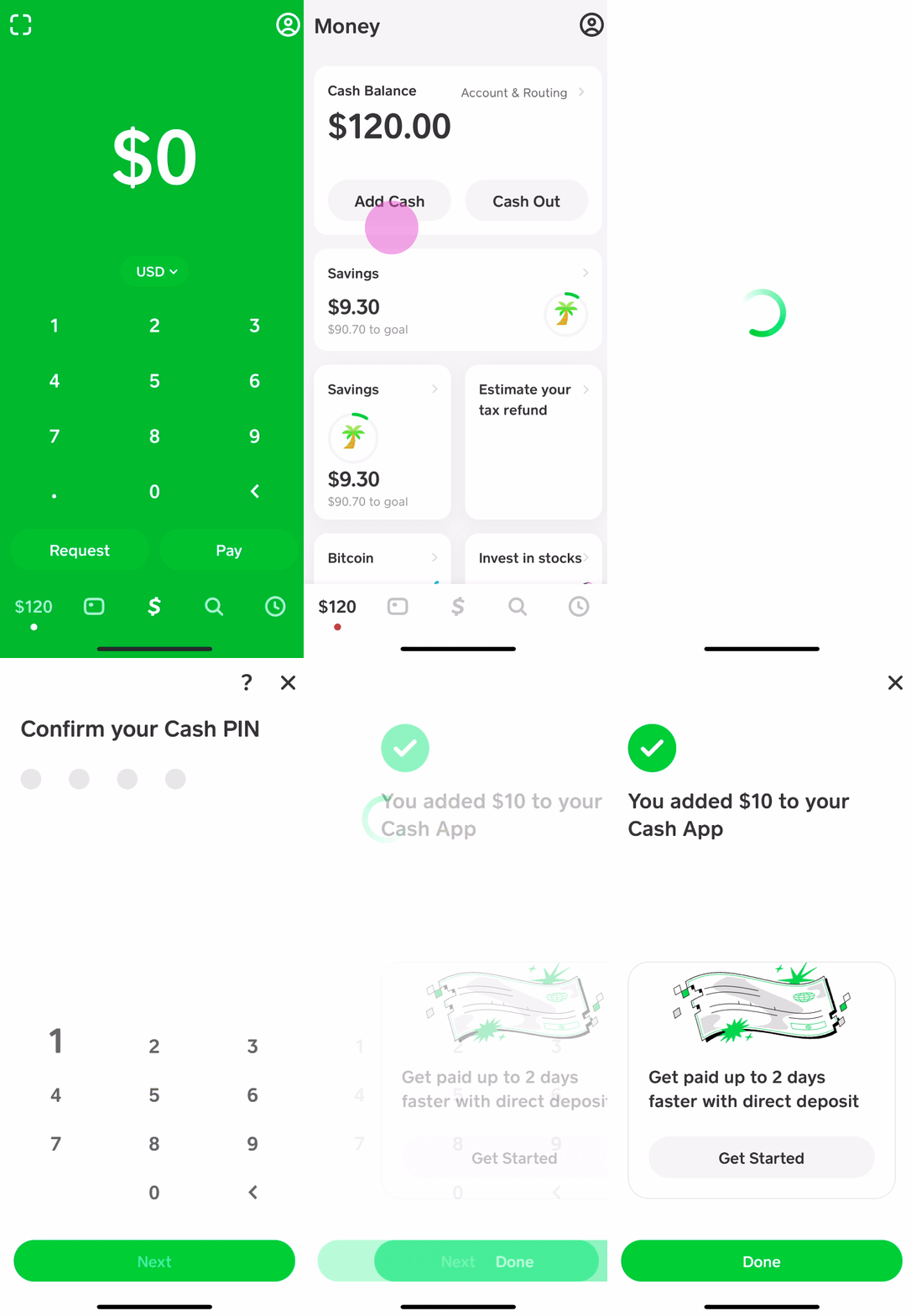
Add Cash from Bank: Once linked, navigate to the “Banking” tab (house icon) and tap on “Add Cash.” Enter the amount you wish to transfer.
-
Choose Transfer Speed: Cash App usually offers two types of transfers:
-
Standard Deposit: This is typically free and takes 1-3 business days for the funds to appear in your Cash App balance.
-
Instant Deposit: For a small fee (usually 0.5% – 1.75% of the transaction amount), the funds are transferred instantly to your Cash App balance. This is ideal when you need immediate access to funds.
-
Security is paramount when linking financial accounts. Cash App uses encryption and other security measures to protect your banking information. Always ensure you are on a secure network when linking accounts and be cautious of phishing attempts. This method offers the flexibility of managing funds between your traditional bank and your Cash App, making it a powerful tool for personal financial management.
Receiving Funds from Other Cash App Users
One of Cash App’s core functionalities is its peer-to-peer payment system, which allows users to send and receive money effortlessly. Any funds received from other Cash App users are automatically added to your Cash App balance, making them immediately available for use with your Cash App Card.
The process is incredibly simple:
-
Share Your Cashtag or Phone/Email: To receive money, you simply provide the sender with your unique “$Cashtag” (e.g., $YourName), or the phone number/email address linked to your Cash App account.
-
Sender Initiates Payment: The sender then enters your Cashtag/details, the amount they wish to send, and confirms the transaction.
-
Funds Instantly Received: Once the sender confirms, the money is typically deposited into your Cash App balance instantly. You’ll receive an in-app notification and an email/SMS confirmation.
There are generally no fees for receiving money from other Cash App users for personal transactions. This method is incredibly fast and convenient, making it ideal for splitting bills with friends, receiving payments for small services, or getting money from family members. Since these funds directly boost your Cash App balance, they are immediately accessible for purchases with your Cash App Card or for ATM withdrawals, streamlining your access to shared or transferred funds without any additional steps.
Advanced Strategies and Considerations for Managing Your Cash App Funds
Beyond the basic methods of loading cash, the Cash App Card offers deeper integration into your financial life through features like direct deposit and understanding its unified balance system. Leveraging these advanced strategies can significantly enhance your financial flexibility and control.
Direct Deposit Integration
The Cash App’s direct deposit feature transforms it from a simple peer-to-peer payment app into a primary banking alternative for many users. By setting up direct deposit, you can have your paychecks, government benefits, or tax refunds automatically routed to your Cash App account, ensuring instant access to your funds via your Cash App Card.
Here’s how it works and its benefits:
-
Obtain Account Details: In the Cash App, navigate to the “Banking” tab (house icon). You’ll find routing and account numbers specifically for your Cash App account. These are distinct from your personal bank account details.
-
Provide to Employer/Payer: Give these routing and account numbers to your employer’s payroll department or the relevant government agency (e.g., for unemployment benefits or tax refunds). They will typically have a form for direct deposit setup.
-
Receive Funds: Once set up, your funds will be directly deposited into your Cash App balance on your scheduled payday, often up to two days earlier than traditional banks.
The benefits are substantial:
-
Faster Access: Funds often become available sooner than through traditional banking channels.
-
Convenience: No need to visit a bank or ATM to deposit checks; money is automatically there.
-
Banking Alternative: For those without traditional bank accounts, it provides a crucial pathway to receive income electronically.
-
Unified Balance: All directly deposited funds instantly contribute to your Cash App balance, which is seamlessly spent using your Cash App Card.
This feature is a game-changer for budgeting and financial planning, offering a streamlined way to manage your primary income directly within the Cash App ecosystem.
Utilizing Bitcoin for Funding (Brief Mention)
While the primary focus of loading cash onto your Cash App Card centers around USD, it’s worth briefly noting Cash App’s integrated Bitcoin functionality. Cash App allows users to buy, sell, and send Bitcoin directly within the app. If you hold Bitcoin in your Cash App balance, selling it will convert it into a USD balance. This newly converted USD balance then becomes immediately accessible through your Cash App Card. This offers a unique avenue for some users to fund their card, essentially liquidating a crypto asset into spendable fiat currency within the same platform. However, users should be aware of the volatility of cryptocurrency and any associated fees with buying or selling Bitcoin.
Managing Multiple Funding Sources
One of the strengths of the Cash App Card is its ability to centralize funds from various sources into a single, accessible balance. Whether you’re receiving direct deposits, peer-to-peer payments, retail cash deposits, or transfers from a linked bank account, all these funds converge into your Cash App balance. This unified balance is what your Cash App Card draws from.
Effective management involves:
-
Understanding Your Balance: Always be aware of your current Cash App balance to avoid overspending.
-
Prioritization: Decide which funding source is primary. For instance, some users use direct deposit as their main income stream, while others primarily use Cash App for receiving peer-to-peer payments for specific needs.
-
Monitoring Transactions: Regularly review your transaction history within the app to track incoming funds and outgoing expenditures, ensuring accuracy and aiding in budgeting.
This integrated approach simplifies money management, offering a clear overview of your available funds and providing immediate access to them via your card, regardless of how they originated.
Fees, Limits, and Security Best Practices
While the Cash App Card offers unparalleled convenience, a responsible approach to personal finance necessitates a clear understanding of the associated fees, transaction limits, and crucial security measures. Being informed allows users to maximize the benefits while mitigating potential risks.
Understanding Transaction Fees
Cash App strives for transparency regarding its fee structure, but it’s essential to be aware of the charges that may apply to certain transactions:
-
Cash Deposits at Retailers: As mentioned, depositing physical cash at partner stores usually incurs a small fee, typically ranging from $1 to $4, depending on the retailer and the amount. This fee is paid directly to the retailer for facilitating the service.
-
Instant Bank Transfers: While standard transfers from a linked bank account are free (taking 1-3 business days), choosing an “Instant Deposit” to get funds immediately will incur a fee, generally between 0.5% and 1.75% of the transaction amount.
-
ATM Withdrawal Fees: If you use your Cash App Card at an ATM, Cash App itself may charge a $2 fee per withdrawal. However, this fee is waived if you receive at least $300 in direct deposits to your Cash App account each month. Note that the ATM operator may also charge its own separate fee, which is beyond Cash App’s control.
-
Bitcoin Transactions: If you decide to buy or sell Bitcoin, Cash App may charge a small service fee and a spread fee, which is the difference between the bid and ask price of Bitcoin.
Always review the fee details within the app before confirming any transaction to avoid surprises.
Daily and Weekly Deposit Limits
Cash App implements limits on how much cash you can add or send to protect users and comply with financial regulations. These limits often depend on whether your account is fully verified:
-
Unverified Accounts: Typically have lower limits, such as sending $250 per week and receiving $1,000 per 30 days. This also applies to cash deposits at retailers.
-
Verified Accounts: By providing your full legal name, date of birth, and the last four digits of your Social Security Number (and sometimes a full SSN for higher limits), you can significantly increase these limits. For verified users, cash deposits at retailers might be limited to $500–$1,000 per day and $2,500–$7,500 per week. Limits for bank transfers are also substantially higher.
It’s crucial to complete the identity verification process to unlock higher limits and enjoy the full functionality of your Cash App Card, especially if you plan to use it as a primary financial tool.
Safeguarding Your Cash App Card and Account
Security should always be a top priority when dealing with any financial tool. Cash App provides robust security features, but user vigilance is equally important:
-
Enable Security Locks: Set up a PIN, Touch ID, or Face ID within the app to protect your account from unauthorized access. This adds an extra layer of security for transactions.
-
Monitor Transactions Regularly: Frequently check your transaction history within the Cash App. Promptly report any suspicious or unauthorized activity to Cash App support.
-
Lost or Stolen Card: If your Cash App Card is lost or stolen, immediately disable it within the app (go to the Card tab and toggle off “Enable Card”) and order a replacement. This prevents anyone else from using your funds.
-
Beware of Scams: Be highly skeptical of unsolicited requests for money or personal information. Cash App will never ask for your PIN or full sign-in code. Phishing attempts are common; always verify the sender before clicking links or providing details.
-
Strong, Unique Password: Use a strong, unique password for your Cash App account and consider enabling two-factor authentication if available.
By understanding fees, respecting limits, and practicing robust security habits, you can confidently and safely manage your finances with your Cash App Card.
Optimizing Your Financial Management with the Cash App Card
The Cash App Card is not merely a tool for spending; it’s a versatile instrument that, when integrated thoughtfully into your financial habits, can significantly enhance personal money management. By leveraging its features, you can gain greater control, clarity, and flexibility over your funds.
Budgeting and Tracking Expenditures
One of the most powerful advantages of using your Cash App Card is its potential to streamline budgeting and expense tracking. Every transaction made with your card is meticulously recorded within the app’s history.
-
Categorization: While Cash App doesn’t offer advanced categorization features, the simple chronological list of transactions provides a clear overview of where your money is going. You can export this data for more detailed analysis in a spreadsheet if desired.
-
Dedicated Spending: For many, using the Cash App Card for specific categories of spending (e.g., entertainment, groceries, or a “fun money” allowance) helps create a natural budget. By loading a set amount for these categories, you can easily stick to your limits.
-
Real-time Monitoring: The instant notification of transactions allows for real-time awareness of your spending, making it easier to adjust habits as needed throughout the month. This proactive approach to tracking can prevent overspending and help you stay within your financial goals.
By conscientiously reviewing your Cash App activity, you transform it from a simple payment method into an integral part of your personal budgeting strategy.
Emergency Fund Accessibility
While traditional emergency funds are typically held in high-yield savings accounts, the Cash App Card can serve as a highly accessible backup for immediate, smaller emergencies. Keeping a portion of your readily available emergency cash on your Cash App balance allows for instant access when unexpected needs arise.
-
Quick Access: In situations where you need funds immediately for an unexpected expense—like a minor car repair or an urgent household purchase—your Cash App Card provides rapid liquidity. There’s no waiting for bank transfers or ATM withdrawals from a separate account that might have daily limits.
-
Separation of Funds: For some, maintaining a small emergency buffer on Cash App helps keep those funds distinct from their primary checking account, reducing the temptation to dip into them for non-emergencies.
This strategy should complement, not replace, a larger, interest-earning emergency fund. It’s about leveraging the card’s immediacy for those critical, time-sensitive needs.
Integration with Other Financial Habits
The Cash App Card can seamlessly integrate into a broader personal finance strategy, complementing other tools and habits you might employ.
-
Cash Flow Management: For individuals who receive income in various forms (e.g., gig economy earnings, side hustles, peer-to-peer payments), centralizing these diverse cash flows into Cash App can simplify management. Your Cash App Card then becomes the unified access point for all these funds.
-
Debit Card Alternative: For those looking to distance themselves from traditional banking fees or who prefer the simplicity of a digital-first approach, the Cash App Card can act as a primary debit card, supporting daily transactions and bill payments.
-
Financial Discipline: By using Cash App for specific purposes, such as an allowance for discretionary spending or managing a budget for a particular project, it fosters financial discipline by providing a clear boundary for those funds.
Ultimately, the Cash App Card is a versatile financial tool that empowers users to take greater control over their personal finances. By understanding how to effectively load cash and integrate it into a comprehensive financial plan, individuals can unlock its full potential, bridging the gap between physical cash and the convenience of the digital economy.
Conclusion
The Cash App Card stands as a testament to the evolving landscape of personal finance, offering a practical and accessible bridge between physical cash and the digital economy. Understanding “how to put cash on a Cash App Card” is more than just a technical instruction; it’s an insight into empowering yourself with greater financial flexibility. From the straightforward process of depositing cash at retail locations to the seamless integration of direct deposits and peer-to-peer transfers, Cash App provides multiple avenues to ensure your funds are readily available.
By effectively utilizing these loading methods, being mindful of fees and limits, and adhering to crucial security best practices, users can transform their Cash App Card into a powerful tool for budgeting, expense tracking, and accessing funds with unparalleled ease. Whether you’re managing daily expenditures, consolidating diverse income streams, or simply seeking a modern alternative to traditional banking, the Cash App Card offers a versatile solution. It empowers individuals to take charge of their money, ensuring that their financial resources are always within reach, readily spendable, and securely managed in the palm of their hand.
aViewFromTheCave is a participant in the Amazon Services LLC Associates Program, an affiliate advertising program designed to provide a means for sites to earn advertising fees by advertising and linking to Amazon.com. Amazon, the Amazon logo, AmazonSupply, and the AmazonSupply logo are trademarks of Amazon.com, Inc. or its affiliates. As an Amazon Associate we earn affiliate commissions from qualifying purchases.