
The landscape of personal finance has undergone a radical transformation over the last decade. Gone are the days when managing one’s capital required a physical trip to a brick-and-mortar bank or waiting several business days for checks to clear. Today, financial technology (FinTech) platforms have democratized access to banking services, and Cash App has emerged as a frontrunner in this revolution. Whether you are looking to split a dinner bill, invest in fractional shares of stock, or manage your daily spending via a dedicated debit card, understanding how to efficiently move liquidity into your digital wallet is a foundational skill in the modern economy.
Putting cash into Cash App is not merely a technical step; it is an entry point into a broader financial ecosystem. By funding your account, you unlock a suite of tools designed to optimize how you save, spend, and grow your wealth. This guide explores the various methodologies for depositing funds, ranging from traditional bank transfers to retail-based paper money deposits, while situating these actions within a sophisticated personal finance strategy.
The Primary Methods for Funding Your Cash App Account
To leverage the full utility of a digital wallet, one must first ensure that the “wallet” is funded. Cash App provides several distinct pathways to achieve this, catering to different levels of digital integration and physical cash availability.
Linking a Bank Account and Debit Card
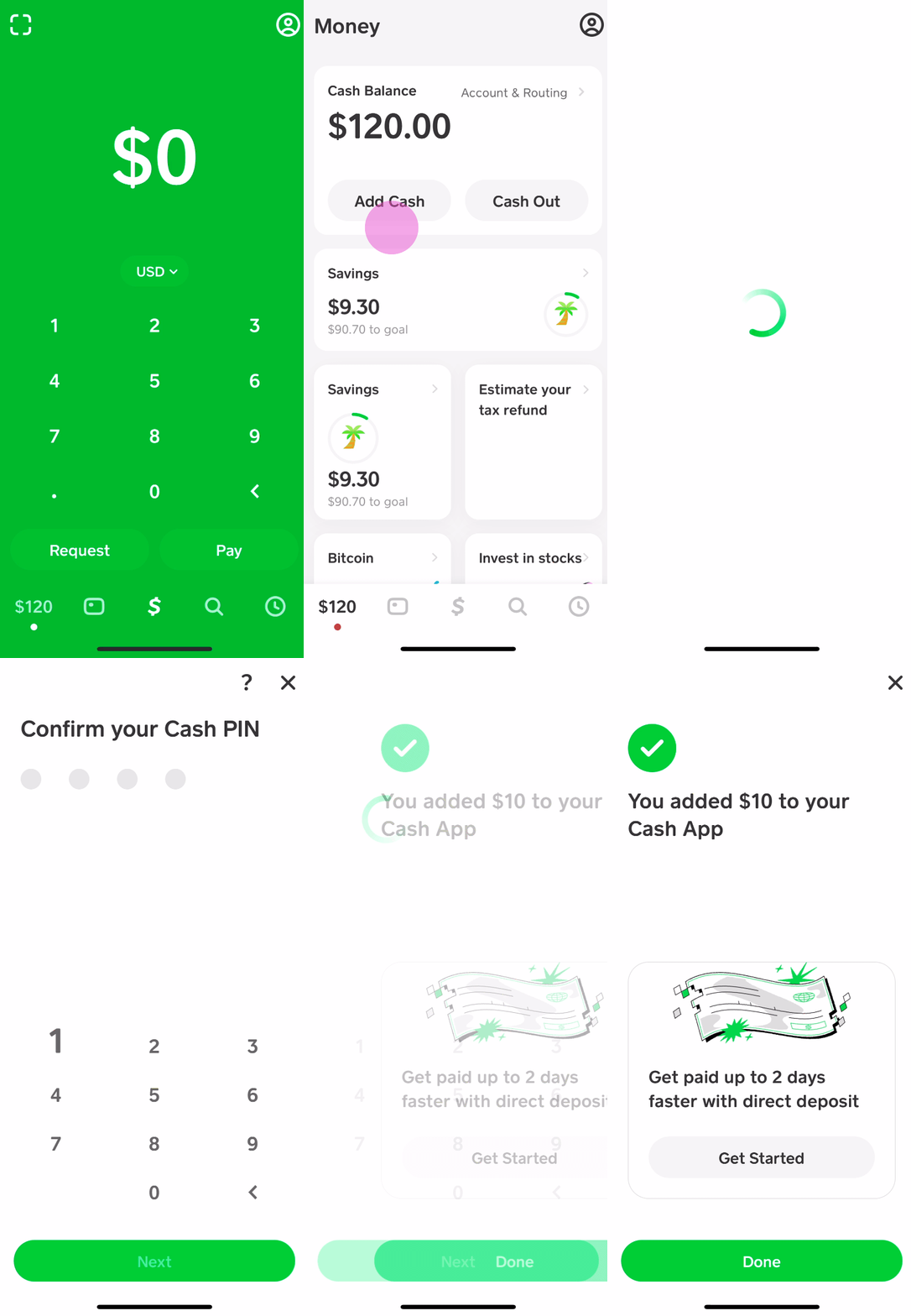
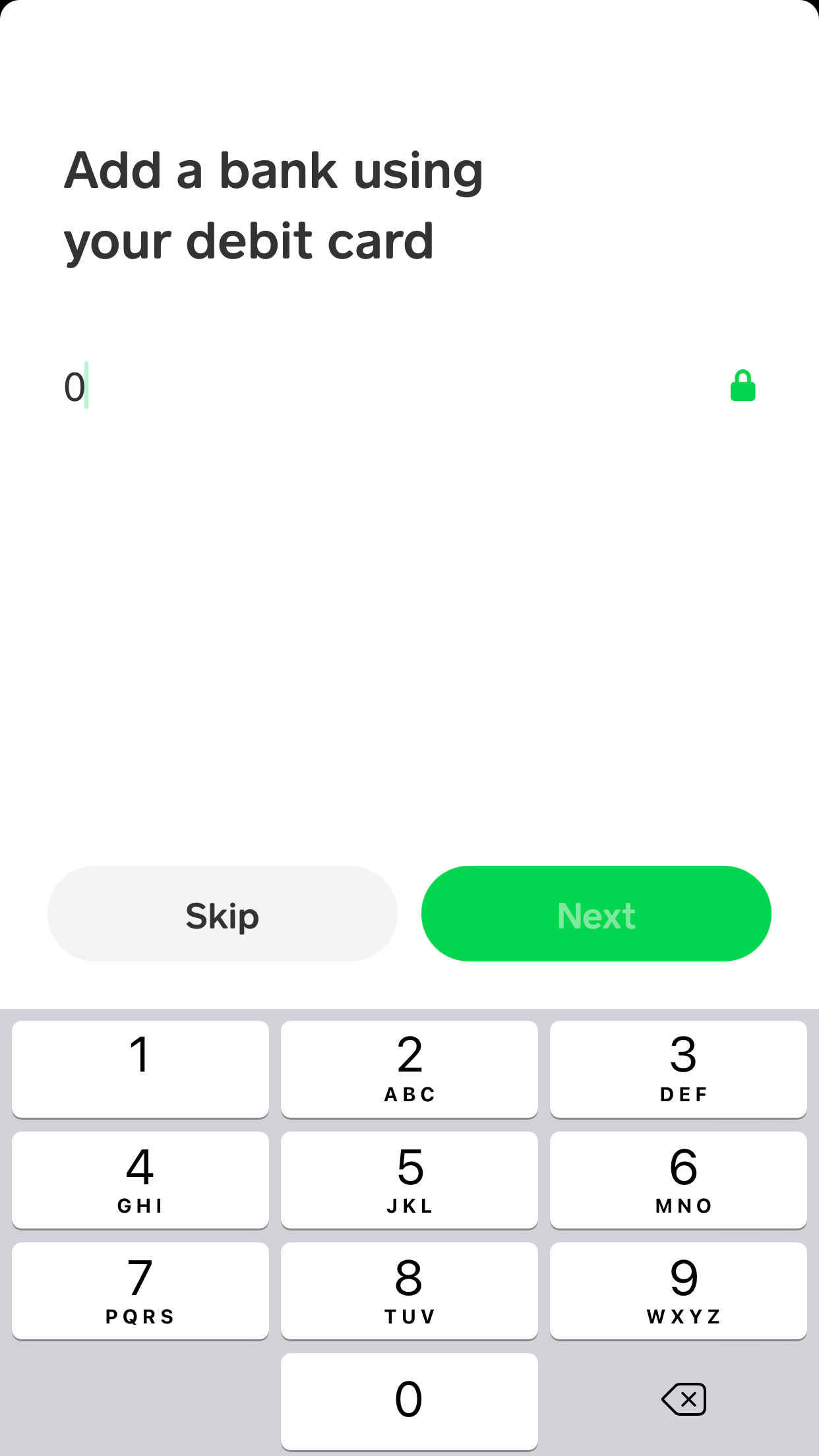
The most common and seamless way to put money into Cash App is by linking a traditional bank account or a debit card. This creates a digital bridge between your legacy financial institution and your modern FinTech platform. Once the link is established, users can use the “Add Cash” feature to pull funds instantly into their balance. This is particularly useful for individuals who use Cash App as a secondary spending account to better track discretionary expenses without touching their primary savings.
Paper Money Deposits at Retail Locations
In a move that bridges the gap between physical currency and digital assets, Cash App offers a “Paper Money” deposit feature. This allows users to visit participating retail partners—such as Walgreens, 7-Eleven, Rite Aid, and Walmart—to deposit physical bills directly into their digital account. By generating a unique barcode within the app, the cashier can scan your phone and accept your cash, which then reflects in your balance almost immediately. This feature is a vital tool for the “underbanked” or those who receive a portion of their income in cash, such as service industry professionals earning tips.
Receiving Direct Deposits
For those looking to centralize their finances, Cash App functions effectively as a neo-bank by offering routing and account numbers. By providing these details to an employer or a government agency, you can have your paycheck or tax refund deposited directly into your Cash App balance. This method often allows users to access their funds up to two days earlier than traditional banks, providing a significant advantage in cash flow management and interest avoidance on short-term liabilities.
P2P Transfers and Requesting Funds
The core of Cash App’s identity is its peer-to-peer (P2P) functionality. One of the simplest ways to increase your balance is by receiving payments from friends, family, or clients. Whether you are being reimbursed for a shared expense or receiving payment for a side hustle, these incoming transfers reside in your balance until you choose to spend them or “Cash Out” to a linked bank.
Strategic Financial Management via the Cash App Ecosystem
Simply knowing how to put cash into the app is only the first step. To truly master your personal finances, you must understand how to deploy those funds strategically once they are inside the ecosystem.
Utilizing the Cash Card for Budgeting
The Cash Card is a free, customizable Visa debit card that draws directly from your Cash App balance. For many savvy financial planners, putting a specific amount of cash into the app each month serves as a budgeting “envelope.” By only spending what is available on the Cash Card, users can prevent overspending on non-essential categories like dining out or entertainment, while keeping their primary bank accounts reserved for fixed costs like rent and utilities.

Maximizing Value with Cash Boosts
One of the most compelling reasons to keep a balance in Cash App is the “Boost” program. These are instant discount rewards applied when using the Cash Card at specific merchants. Unlike traditional credit card points that require months to accumulate, Boosts provide immediate financial relief. By strategically depositing cash into the app before making a purchase at a supported retailer, you can effectively lower your cost of living through instant micro-savings.
The Role of Bitcoin and Equity Portfolios
Cash App has integrated investment tools directly into its interface, allowing users to move their cash balance into Bitcoin or fractional shares of stocks. This lowers the barrier to entry for wealth creation. Instead of letting idle cash sit in a non-interest-bearing account, users can direct small amounts of their balance into the market. This philosophy of “micro-investing” encourages the habit of consistent capital allocation, which is a hallmark of long-term financial success.
Security Best Practices and Safeguarding Your Assets
As you move significant amounts of liquidity into a digital platform, security becomes paramount. Managing digital money requires a different set of precautions than physical currency.
Enabling Security Locks and Biometrics
The first line of defense is ensuring that every transaction requires authorization. Cash App allows users to enable a “Security Lock,” which mandates a PIN or biometric authentication (like FaceID or TouchID) before any funds can be sent or withdrawn. This ensures that even if your device is compromised, your capital remains inaccessible to unauthorized parties.
Recognizing and Avoiding Social Engineering Scams
The speed and irreversibility of P2P transfers make them a target for bad actors. It is essential to remember that Cash App will never ask for your sign-in code over the phone or request that you send money to “verify” your account. High-yield “cash flipping” schemes or “accidental” transfers from strangers are common red flags. To protect your money, only interact with known and verified recipients and treat your Cashtag with the same level of privacy as a bank account number.
Understanding FDIC Insurance and Account Limits
While Cash App is not a bank itself, its banking partners provide FDIC insurance on balances for users who have a verified Cash Card. This is a critical distinction for those holding larger sums of money in the app. Furthermore, it is important to understand the limits on your account. Unverified users have lower limits on how much they can send or receive. By verifying your identity with a Social Security Number and other identifying information, you can increase these limits, allowing for more robust financial activity.
Troubleshooting and Optimizing Deposit Performance
Occasionally, users may encounter friction when attempting to fund their accounts. Understanding the mechanics of the platform can help resolve these issues quickly.
Managing Pending Deposits
If a deposit appears as “Pending,” it is often due to a security review by either Cash App or the sending institution. This is a standard protocol to prevent fraud. In most cases, these clear within 24 to 48 hours. However, ensuring that your app is updated and that your linked card is not expired can prevent many common technical delays.
Fee Structures: Standard vs. Instant
When moving money out of the app, users are presented with two choices: Standard and Instant. While putting money in is generally free (with the exception of some retail merchant fees for paper money), taking money out quickly incurs a small percentage fee. From a financial efficiency standpoint, planning your liquidity needs in advance allows you to use the Standard transfer (which is free) and avoid eroding your capital with convenience fees.
The Importance of Account Verification
To unlock the full potential of the platform—including higher deposit limits and the ability to trade larger volumes of Bitcoin—verification is mandatory. This process aligns with “Know Your Customer” (KYC) regulations designed to prevent money laundering. For the serious user, completing this step is the difference between using a basic digital wallet and having a comprehensive financial command center at your fingertips.
In conclusion, putting cash into Cash App is the gateway to a more agile and responsive financial life. By mastering the various deposit methods, employing strategic budgeting via the Cash Card, and maintaining rigorous security standards, you can transform a simple mobile application into a powerful tool for wealth management and daily financial efficiency. In an era where “cash is king” but “digital is faster,” the ability to bridge these two worlds is an essential component of modern fiscal literacy.
aViewFromTheCave is a participant in the Amazon Services LLC Associates Program, an affiliate advertising program designed to provide a means for sites to earn advertising fees by advertising and linking to Amazon.com. Amazon, the Amazon logo, AmazonSupply, and the AmazonSupply logo are trademarks of Amazon.com, Inc. or its affiliates. As an Amazon Associate we earn affiliate commissions from qualifying purchases.