
Navigating the world of pre-owned automobiles can feel like venturing into uncharted territory. The allure of a lower price point is undeniable, but the potential for hidden issues can cast a long shadow. For the discerning buyer focused on maximizing their financial well-being, acquiring a used vehicle is a strategic move that, when executed with diligence and informed decision-making, offers significant value and can be a cornerstone of sound personal finance. This guide is designed to equip you with the knowledge and confidence to make a smart used car purchase, ensuring your investment depreciates gracefully and serves you reliably for years to come.
The Financial Landscape of Used Car Acquisition
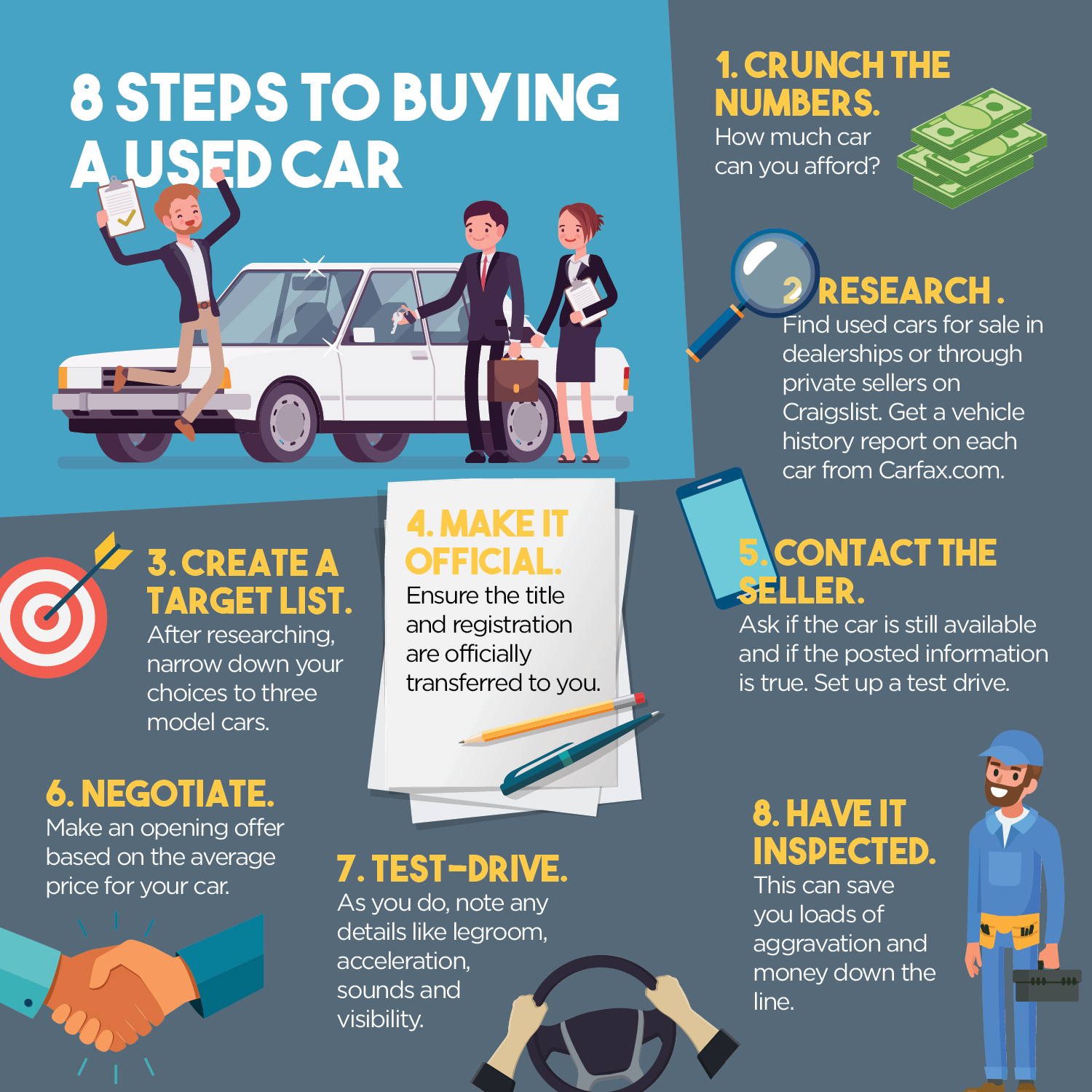
The primary driver for considering a used vehicle is almost always financial. New cars experience a steep depreciation curve from the moment they leave the dealership. A used car, having already absorbed that initial hit, offers a more stable and predictable depreciation trajectory. This translates into lower overall ownership costs, freeing up capital for other financial goals, such as investments, debt reduction, or simply building a more robust emergency fund.
Budgeting Beyond the Sticker Price
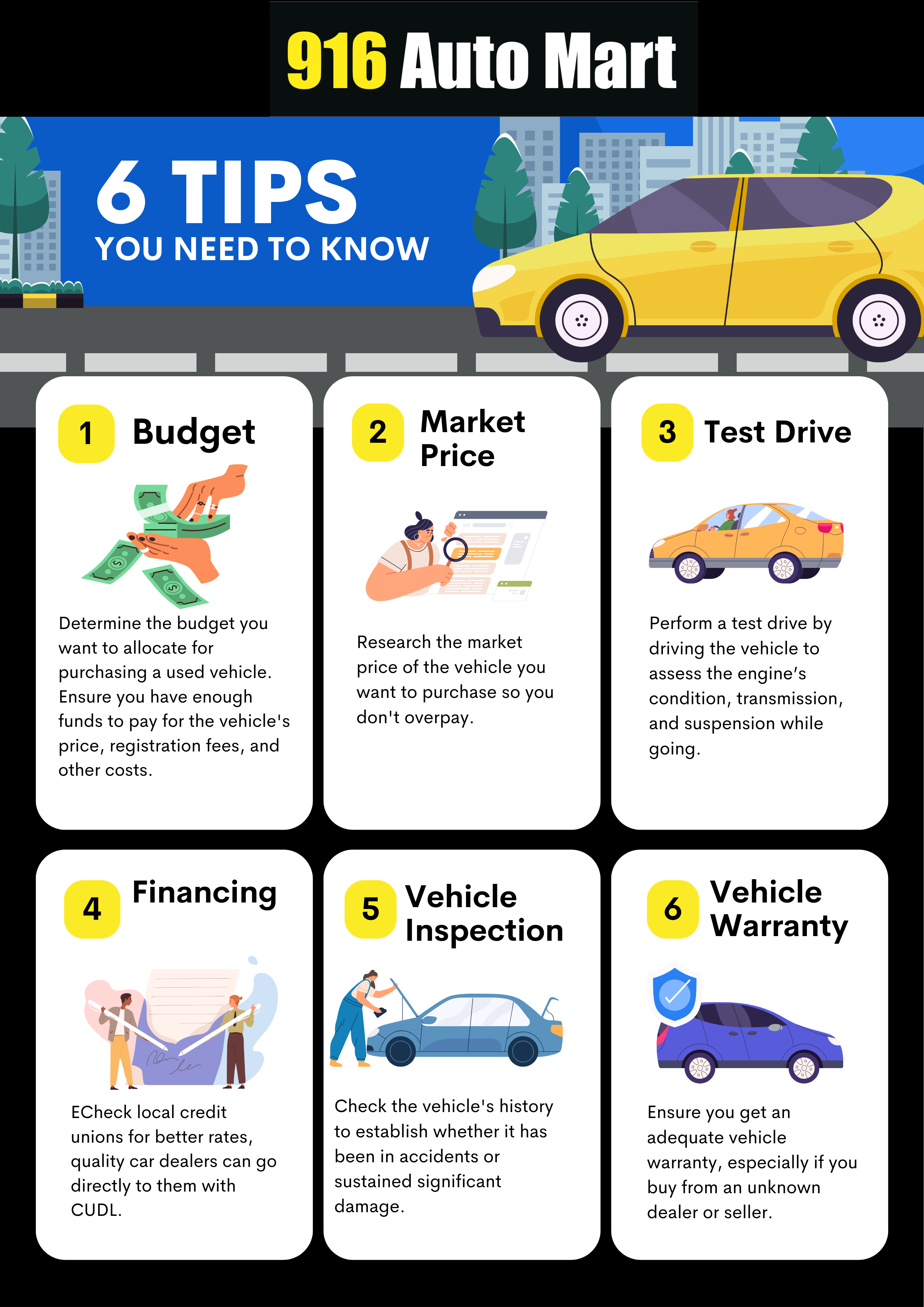
It’s a common pitfall to focus solely on the advertised price of a used car. However, a comprehensive budget requires a holistic view of all associated costs. Beyond the purchase price, you must factor in:
- Taxes and Fees: Sales tax, registration fees, and title transfer costs vary by state and can add a significant percentage to the final outlay. Research these figures beforehand to avoid surprises.
- Insurance Premiums: Insurance for a used car is generally lower than for a new one, but obtaining quotes based on the specific make, model, and year you are considering is crucial. Factors like driver history and coverage levels will also impact the premium.
- Financing Costs: If you’re taking out a loan, the interest rate and loan term will significantly influence the total amount paid. Securing pre-approval from a bank or credit union before visiting a dealership can provide a strong negotiating position and often better rates than dealer financing. A lower interest rate directly translates to more of your monthly payment going towards the principal, saving you money over the life of the loan.
- Immediate Maintenance and Repairs: Even a well-maintained used car might require some immediate attention. Budget for essential services like an oil change, filter replacements, tire rotations, or even minor cosmetic fixes. A contingency fund for unforeseen repairs is also a wise financial precaution.
Understanding Depreciation and Value Retention
Depreciation is the loss in value of an asset over time. For vehicles, this is particularly pronounced in the first few years. By purchasing a used car, you are allowing the previous owner to bear the brunt of this initial rapid depreciation. This means that a used car you purchase for, say, $20,000 might still be worth a significant portion of that value a few years down the line, whereas a new car purchased for $40,000 might have lost $10,000 or more in its first year.
When evaluating a used car, consider its residual value, which is its estimated worth at the end of a lease term or after a certain number of years. Cars known for their reliability and demand in the used market will retain their value better, making them a more sound financial investment. Researching the depreciation curves of different makes and models can inform your selection and lead to a vehicle that holds its value more effectively.
Diligent Research: Your Financial Compass
In the realm of used car purchases, knowledge is not just power; it’s financial protection. Thorough research acts as your compass, guiding you away from costly mistakes and towards a vehicle that offers the best value for your money. This involves understanding the market, the specific vehicle you’re interested in, and the potential financial implications of your choices.
Identifying Reliable Makes and Models
Not all vehicles are created equal when it comes to long-term reliability and cost of ownership. Some brands and models have a proven track record of durability and lower repair costs. Resources such as Consumer Reports, J.D. Power, and online automotive forums can provide invaluable insights into the reliability ratings and common issues associated with different vehicles.
- Model Longevity: Look for models that have been in production for several years. Manufacturers often refine and improve their designs over time, addressing any initial kinks. A model that has been consistently well-reviewed for a decade is often a safer bet than a brand-new redesign.
- Cost of Parts and Labor: Consider the availability and cost of replacement parts and the typical labor rates for repairs for the makes and models you’re considering. European luxury brands, for example, often have higher maintenance costs compared to mainstream Japanese or American manufacturers.
- Fuel Efficiency: Fuel is a significant ongoing expense. Research the miles per gallon (MPG) ratings for the vehicles you’re interested in. A vehicle with better fuel economy will save you money at the pump over time, especially with fluctuating gas prices.
Verifying Vehicle History and Condition
The past of a used car is a critical indicator of its future performance and potential financial headaches. Never skip the vehicle history report and a thorough inspection.
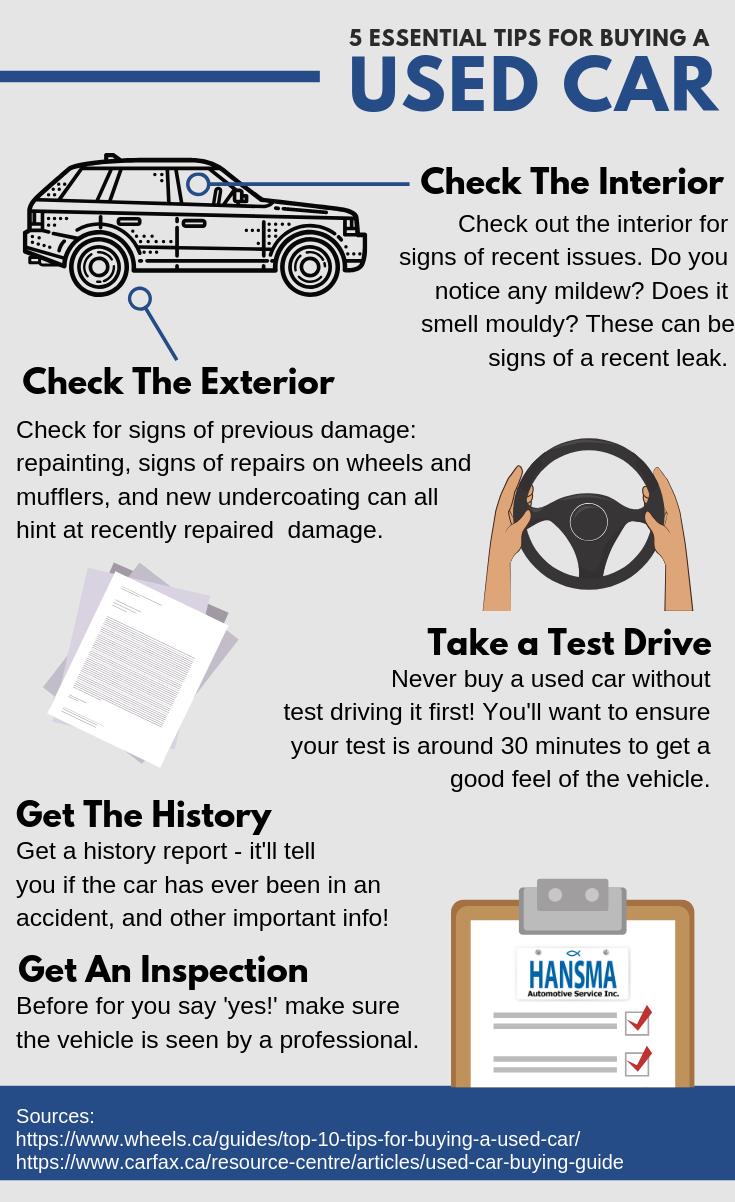
- Vehicle History Reports (e.g., CarFax, AutoCheck): These reports provide a summary of a vehicle’s past, including accident history, title issues (salvage, flood, odometer rollback), previous owners, and service records. While not infallible, they are an essential first step in uncovering potential red flags. A clean history report doesn’t guarantee a perfect car, but a report with issues warrants significant caution or avoidance.
- Pre-Purchase Inspection (PPI): This is arguably the most critical step in the used car buying process. Engage an independent, certified mechanic to perform a comprehensive inspection. They will identify mechanical issues, worn parts, potential leaks, and other problems that may not be apparent to the untrained eye. The cost of a PPI (typically $100-$200) is a small price to pay for the peace of mind and potential savings it provides, as it can uncover issues that could cost thousands to repair later. This inspection can also be used as leverage during price negotiations if minor issues are found.
Negotiation and Financing: Securing the Best Deal
Once you’ve identified a suitable vehicle and are confident in its condition and history, the focus shifts to securing the best possible price and financing terms. This is where your research and preparation pay off, allowing you to negotiate from a position of strength.
The Art of Negotiation
Approaching negotiation with confidence and a clear understanding of the vehicle’s market value is key.
- Know the Market Value: Use online resources like Kelley Blue Book (KBB), Edmunds, and NADA Guides to determine the fair market value of the specific car you’re interested in, taking into account its mileage, condition, features, and trim level. This provides a baseline for your negotiations.
- Be Prepared to Walk Away: This is your most powerful negotiation tool. If the seller is unwilling to meet a reasonable price, be prepared to walk away. There are always other used cars available, and the pressure to buy can lead to emotional decisions and overspending.
- Focus on the Out-the-Door Price: Dealers may try to obscure the true cost by focusing on monthly payments. Always negotiate based on the total “out-the-door” price, which includes all fees, taxes, and the vehicle price.
- Timing Your Purchase: While not always a guarantee, purchasing at the end of the month, quarter, or year can sometimes lead to better deals as dealerships try to meet sales quotas.
Navigating Financing Options
Securing the right financing is as important as negotiating the purchase price, as it directly impacts your long-term financial commitment.
- Pre-Approval is Paramount: Before you even step onto a car lot, get pre-approved for a loan from your bank or credit union. This allows you to compare the dealership’s financing offer against a known, competitive rate. If the dealership can beat your pre-approved rate, great! If not, you have a solid offer to fall back on.
- Understand Loan Terms: Pay close attention to the Annual Percentage Rate (APR) and the loan term (the number of months you have to repay the loan). A lower APR means less interest paid over time. While a longer loan term results in lower monthly payments, you’ll end up paying more interest overall. Aim for the shortest loan term you can comfortably afford.
- Beware of Add-Ons: Dealerships often try to sell additional products like extended warranties, GAP insurance, or paint protection. Carefully consider whether these are necessary and if the price is justified. Often, these can be purchased more affordably elsewhere or may not be needed for a reliable used vehicle. If you do want an extended warranty, research independent providers as they are often significantly cheaper than dealer-offered options.
Long-Term Financial Health: Maintaining Your Investment
Purchasing a used vehicle is just the beginning of its financial journey with you. Proactive maintenance and responsible ownership are crucial for preserving its value and minimizing unexpected expenses, thereby safeguarding your overall financial health.
Proactive Maintenance for Longevity and Value
Regular maintenance is not merely about keeping your car running; it’s about protecting your financial investment. By adhering to a consistent maintenance schedule, you can prevent minor issues from escalating into costly repairs and ensure your vehicle remains reliable.
- Follow the Manufacturer’s Recommended Schedule: Consult your owner’s manual for the manufacturer’s recommended maintenance intervals for oil changes, filter replacements, fluid checks, and tire rotations. These are often based on mileage or time, whichever comes first.
- Keep Detailed Records: Maintain a meticulous log of all maintenance performed, including dates, mileage, and receipts for parts and labor. This documentation not only helps you track upcoming needs but also significantly enhances the resale value of your vehicle when the time comes to sell it. A well-documented maintenance history is a powerful selling point.
- Address Issues Promptly: Don’t ignore unusual noises, warning lights, or changes in your car’s performance. Small issues, if left unattended, can quickly snowball into major, expensive repairs. Addressing them early can save you a considerable amount of money in the long run.
Understanding Insurance and Potential Resale Value
The financial journey of a used car continues long after the purchase. Your insurance choices and your understanding of its future resale value play a significant role in your ongoing financial picture.
- Review Your Insurance Coverage Periodically: As your vehicle ages, its value decreases. Re-evaluate your comprehensive and collision coverage annually. While you still want to protect yourself from major financial loss in the event of an accident, you may be able to reduce your coverage levels to save on premiums without exposing yourself to undue risk. Conversely, if you’ve made significant upgrades or invested in specific features, ensure your coverage reflects that.
- Maximizing Resale Value: A well-maintained vehicle with a clean history and a comprehensive service record will command a higher resale price when you decide to trade it in or sell it privately. This is not just about getting more money back; it’s about the efficiency of your overall transportation spending. By treating your used car as an asset to be preserved, you are essentially recouping more of your initial investment. Think of it as a form of wealth preservation.
By approaching the purchase of a used vehicle with financial foresight, rigorous research, and a commitment to ongoing maintenance, you can acquire a reliable mode of transportation that enhances your financial well-being rather than detracting from it. This strategic approach transforms a potentially daunting transaction into a prudent financial decision.
aViewFromTheCave is a participant in the Amazon Services LLC Associates Program, an affiliate advertising program designed to provide a means for sites to earn advertising fees by advertising and linking to Amazon.com. Amazon, the Amazon logo, AmazonSupply, and the AmazonSupply logo are trademarks of Amazon.com, Inc. or its affiliates. As an Amazon Associate we earn affiliate commissions from qualifying purchases.