
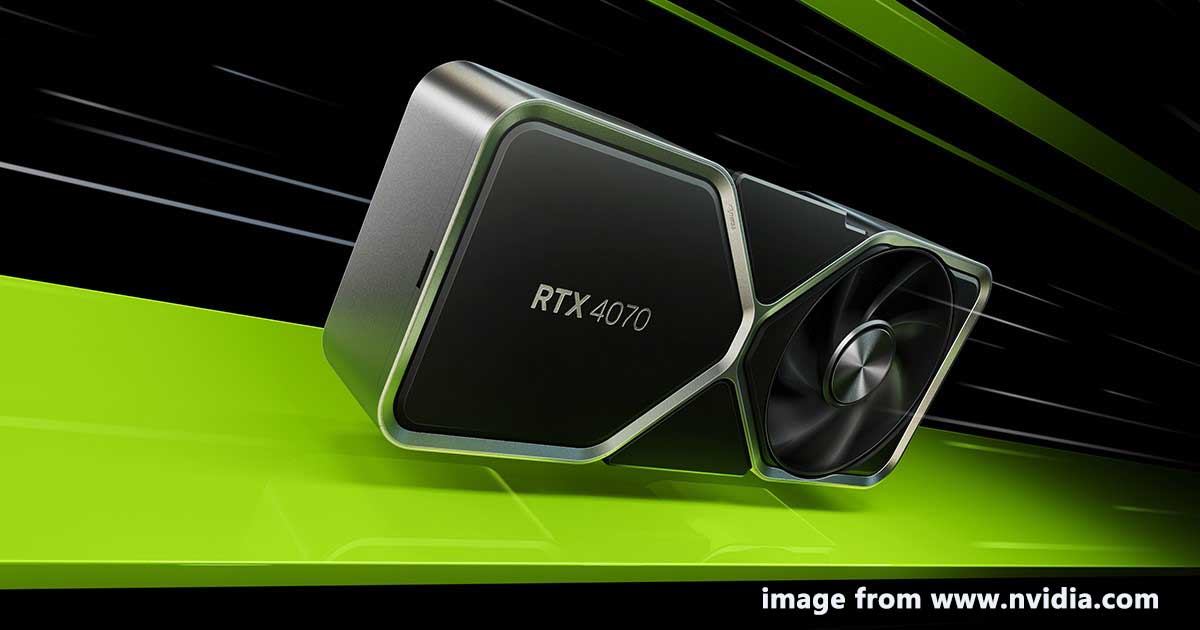
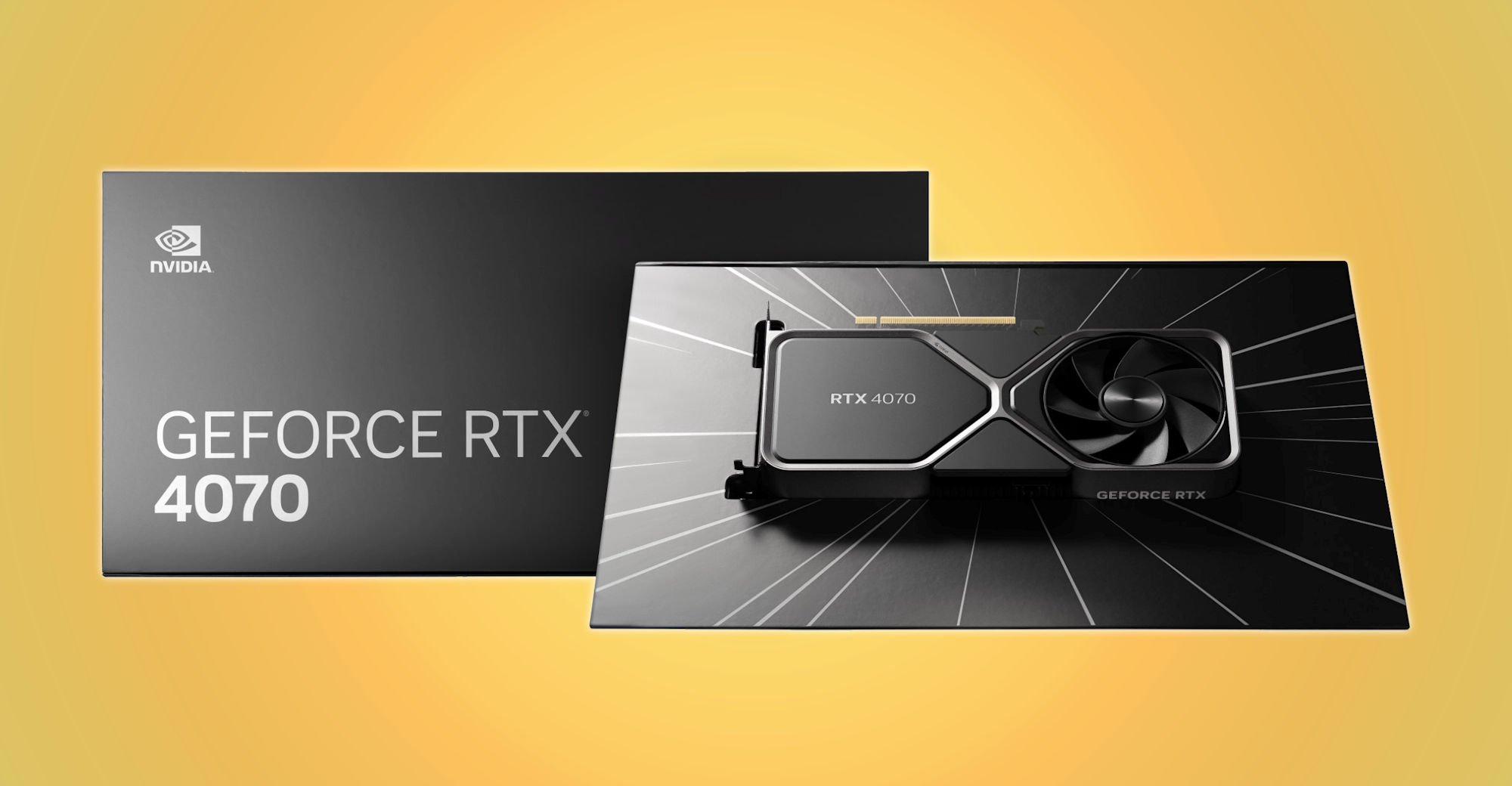
The NVIDIA GeForce RTX 4070 has established itself as a cornerstone of the Ada Lovelace architecture, offering a balance of high-end performance, DLSS 3 frame generation, and efficient power consumption. However, in the complex world of PC hardware and software engineering, a niche practice known as “spoofing” has emerged. While the term might sound like something out of a science fiction novel, hardware spoofing—specifically altering the reported identity of a GPU—is a technical reality with significant implications for software compatibility, development, and digital security.
To understand how one might “download” or implement an NVIDIA 4070 spoof, one must first understand the relationship between hardware firmware, operating system drivers, and the application programming interfaces (APIs) that allow them to communicate.
The Fundamentals of Hardware Identity and Spoofing
At its core, every piece of hardware in a modern computer carries a set of unique identifiers. These identifiers allow the operating system (OS) to know exactly what is plugged into the motherboard so it can assign the correct resources and drivers.
What is Hardware Identification (HWID)?
Hardware Identification, or HWID, is a string of alphanumeric characters generated by the OS to identify specific hardware components. For a graphics card like the RTX 4070, this includes a Vendor ID (NVIDIA’s ID is 10DE) and a Device ID (which specifically denotes the 4070 model). When you open the “Device Manager” in Windows, the system isn’t physically looking at the silicon; it is reading these IDs from the PCIe bus.
Spoofing is the process of intercepting these ID requests and returning a false value. In the context of an “NVIDIA 4070 spoof,” a user might be using an older card, such as an RTX 2060, but forcing the system to believe it is an RTX 4070.
The Concept of a “Spoof” in Graphics Processing
A GPU spoof is not a hardware modification but a software layer. It involves tricking the system at one of three levels: the registry, the driver, or the kernel. By altering how the system reports the “Device ID,” software applications—including games and benchmarking tools—will treat the hardware as if it were the spoofed model. This does not magically grant the performance of an RTX 4070 to an older card, as the physical CUDA cores and VRAM remain unchanged, but it changes how software interacts with that hardware.
Why Users Attempt to Spoof an RTX 4070
The motivation behind spoofing a high-end card like the RTX 4070 usually falls into three categories: accessibility, development, or deceptive benchmarking.
Bypassing Minimum System Requirements for Software
One of the most common reasons enthusiasts look into spoofing is to bypass arbitrary software locks. Some modern applications, particularly high-end video editing suites or specialized AI rendering tools, may perform a hardware check upon launch. If the software does not detect a “supported” card like the RTX 4070, it may refuse to run, even if the existing hardware is technically capable of performing the task (albeit more slowly). By spoofing the ID of a 4070, users can “trick” the software into launching.
Development and Testing Environments
Software developers often need to test how their applications behave on different hardware tiers. While large studios have “hardware labs” filled with various GPUs, independent developers may use spoofing techniques to simulate the presence of an RTX 4070. This allows them to test driver-specific code paths or check if their software correctly identifies the feature sets associated with the Ada Lovelace architecture, such as specific versions of NVENC or Optical Flow Accelerators.
The Ethical Dilemma: Benchmarking and Resale Deception
In the tech community, spoofing is often viewed with skepticism due to its potential for misuse. Unscrupulous sellers might spoof a low-end GPU to appear as an RTX 4070 in the OS to sell a “pre-built gaming PC” at a premium to an unsuspecting buyer. Similarly, some users use spoofing to submit fake scores to online benchmarking leaderboards, though most modern benchmarking tools have sophisticated detection methods to prevent this.
The Technical Mechanisms of GPU Spoofing

How does one actually implement an NVIDIA 4070 spoof? It is a multi-layered process that involves deep-system access and a firm understanding of Windows internals.
Driver-Level Manipulation and Registry Editing
The simplest (though least effective) method involves modifying the Windows Registry. By navigating to the specific registry keys that store “ProviderName” and “DeviceDescription,” a user can manually rename their graphics card. While this will change the name displayed in the “About this PC” section, it rarely fools actual software because most apps query the driver directly via DirectX or Vulkan.
A more advanced method involves “inf-modding.” This involves taking the NVIDIA driver installation files (.inf files) and manually changing the hardware strings so that the driver installer associates a different card with the RTX 4070 identity.
Virtualization and Hypervisor-Based Spoofing
The most robust form of spoofing occurs in virtualized environments. When running a Virtual Machine (VM) with GPU Passthrough, the hypervisor (like KVM or VMware) acts as a middleman between the hardware and the VM’s OS. Within the hypervisor’s configuration, a user can specify exactly what hardware IDs should be presented to the guest OS. This is often used by cloud gaming providers or security researchers to mask the true nature of the server-side hardware.
Third-Party Tools and Their Architecture
There are various third-party “HWID Changers” or “Spoofers” available in specialized tech forums. These tools usually work by installing a kernel-mode driver that intercepts calls to the hardware bus. When the OS asks, “What card is in PCIe Slot 1?”, the spoofer intercepts the true answer from the hardware and replaces it with the data for an RTX 4070 before the OS can process it.
Risks, Security Implications, and System Stability
Attempting to “download” a spoof is not without significant risks. Because this process involves touching the very core of how a computer functions, the potential for failure is high.
Driver Conflicts and the “Blue Screen of Death”
NVIDIA drivers are highly optimized for specific silicon. When you spoof an older card to look like an RTX 4070, the OS may attempt to load driver features or microcode that the physical hardware cannot support. This often leads to immediate system instability, frequent crashing, or the dreaded Blue Screen of Death (BSOD). If the “spoofed” card lacks the specific architecture required by the driver (such as the 4th-gen Tensor Cores in the 4070), the system may fail to initialize the display entirely.
Security Risks: Malware Disguised as Spoofing Tools
Searching for “how to download nvidia 4070 spoof” often leads users to the darker corners of the internet. Many “one-click” spoofing tools are actually trojans or info-stealers. Since a hardware spoofer requires administrative or kernel-level access to work, users are essentially giving a third-party program total control over their system. This is a massive security vulnerability that can lead to stolen credentials, compromised data, and hijacked systems.
Permanent Hardware Damage and Warranty Voiding
While spoofing is primarily software-based, some methods involve “flashing” a different BIOS onto the GPU (VBIOS). Attempting to flash an RTX 4070 VBIOS onto a card that is not a 4070 is a near-guaranteed way to “brick” the device, rendering it permanently unusable. Furthermore, any modification of this nature typically voids the manufacturer’s warranty instantly.
The Future of Hardware Verification and Anti-Spoofing
As the tech industry moves forward, the “cat and mouse” game between spoofers and manufacturers continues to evolve.
How Manufacturers are Fighting Back
NVIDIA and other hardware vendors have implemented “Hardware Root of Trust” and cryptographic signing for their drivers. Modern drivers check for a digital signature that matches the hardware’s firmware. If the signature is invalid—as it would be in a spoofing scenario—the driver may refuse to enable certain high-end features, such as DLSS 3. This ensures that the premium experience of an RTX 4070 remains exclusive to those who actually own the hardware.
The Role of AI in Detecting Synthetic Hardware Profiles
Anti-cheat developers (for games like Valorant or Warzone) and financial security software are now using AI to detect spoofed hardware. These systems don’t just look at the Device ID; they analyze “hardware fingerprints.” They measure the exact latency of the memory, the clock speed fluctuations, and the response times of the GPU. If a card claims to be an RTX 4070 but has the performance latency of a GTX 1050, the AI flags it as a spoofed device.
In conclusion, while the concept of “downloading a 4070 spoof” is a fascinating deep-dive into the technical architecture of modern PCs, it is a practice fraught with technical hurdles and security risks. For developers and researchers, it is a tool for exploration; for the average consumer, it is a dangerous path that offers no real performance gains and significant potential for system harm. As hardware verification becomes more sophisticated, the era of simple hardware spoofing is likely coming to a close, replaced by more secure, immutable hardware identities.
aViewFromTheCave is a participant in the Amazon Services LLC Associates Program, an affiliate advertising program designed to provide a means for sites to earn advertising fees by advertising and linking to Amazon.com. Amazon, the Amazon logo, AmazonSupply, and the AmazonSupply logo are trademarks of Amazon.com, Inc. or its affiliates. As an Amazon Associate we earn affiliate commissions from qualifying purchases.