
In the evolving landscape of digital commerce, the way consumers manage their purchases and payments has undergone a significant transformation. Traditional credit cards and upfront payments are increasingly being supplemented, and sometimes replaced, by innovative financial tools that offer greater flexibility. Among these, Klarna has emerged as a prominent player, popularizing the “Buy Now, Pay Later” (BNPL) model. Far more than just a payment processor, Klarna functions as a versatile financial tool that can significantly impact a consumer’s personal finance strategy. Understanding how to leverage Klarna responsibly, and what financial implications its various payment options carry, is crucial for savvy consumers in today’s economy.
This article delves into Klarna from a strictly financial perspective, dissecting its offerings as modern financial instruments, exploring the nuances of its payment plans, examining the benefits and risks for personal finance, and ultimately providing a framework for integrating Klarna judiciously into your financial life.
Klarna as a Modern Financial Tool: Understanding Buy Now, Pay Later (BNPL)
The financial world has witnessed a significant shift towards more flexible and immediate payment solutions. The “Buy Now, Pay Later” (BNPL) model, championed by companies like Klarna, represents a key innovation in this space, offering consumers an alternative to traditional credit lines and immediate cash payments.
The Rise of BNPL and Its Appeal
The appeal of BNPL services stems from their ability to bridge the gap between immediate gratification and future financial planning. Consumers can acquire goods or services instantly, with the promise of spreading the cost over manageable installments. This model particularly resonates with individuals seeking to:
- Manage Cash Flow: Deferring a lump sum payment allows individuals to maintain liquidity, especially useful for unexpected expenses or during periods of tighter budgets.
- Avoid Credit Card Interest: Many BNPL options offer interest-free payment plans, which can be significantly more attractive than accruing high-interest debt on traditional credit cards.
- Simplify the Checkout Process: BNPL services often integrate seamlessly into online checkout flows, making transactions quicker and more user-friendly.
Klarna, having been at the forefront of this movement for years, has cultivated a user base drawn to its promise of “smoooth payments.” Its success underscores a broader consumer desire for financial flexibility and control, moving away from rigid payment structures.
Klarna’s Core Offerings from a Financial Perspective
Klarna offers a suite of payment options, each with distinct financial implications for the consumer. Understanding these is the first step to informed usage:
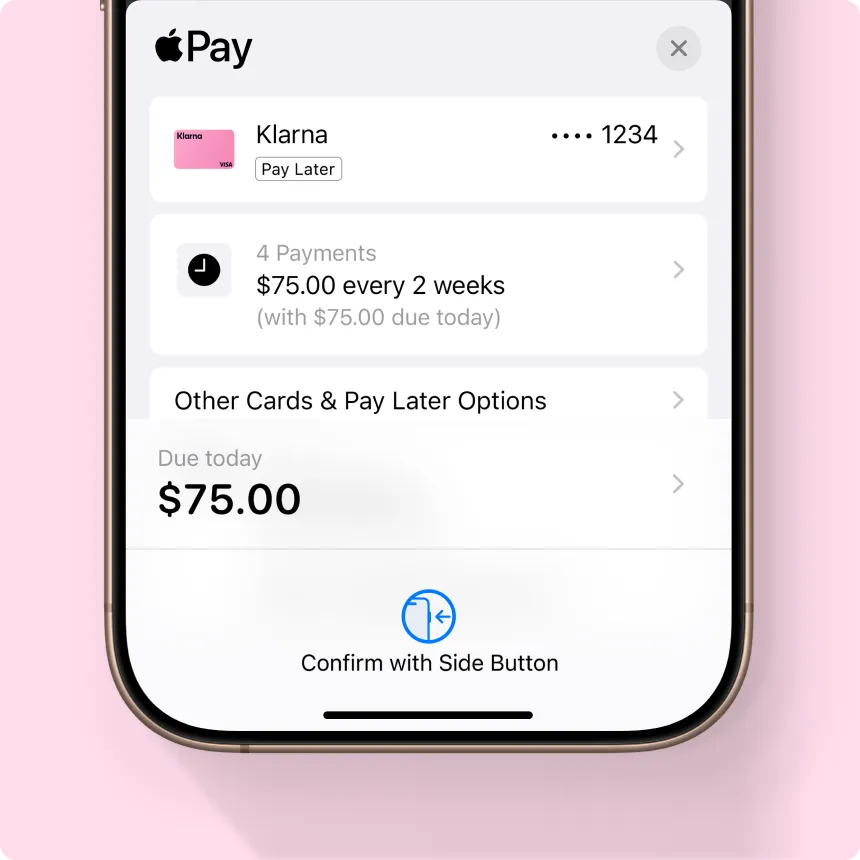
- Pay in 4: This popular option allows customers to split their purchase into four equal, interest-free payments, typically due every two weeks. Financially, it acts as a short-term, interest-free micro-loan, ideal for managing smaller, everyday expenses or spreading the cost of mid-range purchases without incurring additional charges, provided payments are made on time.
- Pay in 30 Days: This option enables consumers to receive their goods first and pay the full amount within 30 days of shipment. From a financial standpoint, it offers a temporary cash-flow buffer, allowing individuals to physically inspect or try products before committing their funds. It’s particularly useful for online shopping where returns might be frequent, as it prevents money from being tied up during the return process.
- Monthly Financing: For larger purchases, Klarna offers longer-term financing plans, which can extend over several months. Unlike “Pay in 4” or “Pay in 30 days,” these plans typically involve interest charges and often require a hard credit check. This option functions much like a traditional installment loan or line of credit, impacting a consumer’s debt-to-income ratio and potentially their credit score. It’s a significant financial commitment and should be approached with the same caution as any other loan.
Each of these offerings serves a different financial need, and understanding their individual mechanics is crucial for responsible and strategic use within a personal finance framework.
Navigating Klarna’s Payment Options: Financial Flexibility and Responsibility
Klarna’s diverse payment options empower consumers with significant financial flexibility, but this freedom comes hand-in-hand with a heightened need for personal responsibility and diligent financial management.
Pay in 4: Budgeting Your Purchases
The “Pay in 4” option is a cornerstone of Klarna’s appeal, offering interest-free installments for smaller to medium-sized purchases. When opting for “Pay in 4,” you commit to four equal payments, typically due every two weeks.
- Financial Utility: This option excels at helping individuals manage their immediate cash flow. Instead of a single, larger outlay, the cost is diffused over a six-week period. It can be particularly useful for planned purchases that might strain an immediate budget or for acquiring necessities without depleting emergency funds. For example, buying new tires or a necessary appliance can become more manageable by spreading the cost.
- Budgetary Integration: To use “Pay in 4” effectively, it’s imperative to integrate these payments into your personal budget. Each installment becomes a fixed expense that must be accounted for. Failing to track multiple “Pay in 4” plans can lead to an accumulation of small, seemingly insignificant payments that collectively overwhelm a budget, leading to late fees and financial stress. The absence of interest on time does not negate the core financial obligation.
Pay in 30 Days: A Buffer for Your Budget
The “Pay in 30 Days” option allows consumers to receive their ordered items and pay the full amount up to 30 days after shipment. This is a unique offering that provides a distinct financial advantage, particularly for online shoppers.
- Financial Advantage: This option acts as a valuable financial buffer. It allows consumers to try on clothes, test electronics, or inspect other goods in person before their money leaves their account. If an item doesn’t meet expectations, it can often be returned before payment is due, preventing the hassle of waiting for a refund. This can be a smart strategy for reducing financial risk associated with online purchases.
- Discipline Required: Despite its benefits, “Pay in 30 Days” demands significant financial discipline. The ease of deferring payment can lead to forgetting the due date, resulting in late fees. Furthermore, the temptation to buy items one might not genuinely need or afford, under the premise of “I’ll pay for it later,” can lead to overspending and eventual financial strain if a return isn’t made or the funds aren’t available by the deadline.
Monthly Financing: A Credit-Based Solution
For larger purchases, Klarna’s monthly financing options become available, typically for periods ranging from 6 to 36 months. This differs significantly from the shorter-term, interest-free options.
- Credit Product Implications: Monthly financing is essentially an installment loan, and as such, it involves a credit check (often a hard inquiry) and typically accrues interest. It functions much like a traditional personal loan or store credit card. This means it can impact your credit score – both positively if managed well and paid on time, and negatively if payments are missed.
- Strategic Use: This option is best reserved for significant, planned purchases that genuinely require a longer repayment period, such as furniture, major appliances, or high-value electronics. It can be a viable alternative to high-interest credit cards for large items if the interest rate offered by Klarna is competitive and affordable. However, consumers must carefully evaluate the interest rates, total cost of the item including interest, and their ability to comfortably meet monthly payments over the entire term without jeopardizing other financial goals.
Each Klarna option, while offering convenience, requires a clear understanding of its financial terms and a commitment to responsible management to avoid negative consequences.
The Financial Implications of Using Klarna: Benefits and Risks
While Klarna offers undeniable convenience and flexibility, its usage comes with a clear set of financial benefits and inherent risks that consumers must carefully weigh.
Advantages for Personal Finance
When used strategically, Klarna can be a beneficial tool in a well-managed personal finance portfolio:
- Enhanced Budget Management: Klarna’s “Pay in 4” and “Pay in 30 Days” options allow consumers to spread costs without immediate interest, making it easier to manage cash flow. This can prevent drawing from savings or emergency funds for non-urgent purchases, maintaining financial liquidity.
- Cash Flow Preservation: By deferring payments, whether for a few weeks or months, consumers can keep more cash in their bank accounts, which can be crucial for unexpected expenses or maintaining a healthy emergency fund.
- Interest-Free Periods: For its shorter-term plans, Klarna offers genuinely interest-free periods. This provides a distinct advantage over credit cards, which often start accruing interest immediately if the full balance isn’t paid by the due date. This can save consumers significant money over time.
- Simplified Returns Management: The “Pay in 30 Days” option is particularly advantageous for managing returns. If an item is unsuitable, it can often be returned before any payment is due, preventing the hassle of waiting for a refund and having funds temporarily tied up.
Potential Pitfalls and Financial Risks
Despite the benefits, the ease of use and instant gratification associated with Klarna can lead to several financial pitfalls:
- Overspending and Debt Accumulation: The most significant risk is the temptation to overspend. The ability to “buy now” without immediate payment can create a false sense of affordability, leading consumers to purchase items they wouldn’t typically buy if paying upfront. Managing multiple BNPL plans simultaneously can quickly become overwhelming, leading to a fragmented debt burden that is difficult to track and budget for.
- Late Fees and Interest: While “Pay in 4” and “Pay in 30 Days” are interest-free, missing a payment will typically incur late fees. For Klarna’s longer-term financing options, interest charges can accumulate rapidly if not paid off as agreed, potentially making the purchase significantly more expensive than its original price. These fees can erode any perceived savings from deferring payments.
- Impact on Credit Score: While some shorter-term Klarna transactions may not always appear on major credit reports, missed payments or defaults almost certainly will, negatively impacting your credit score. Furthermore, Klarna’s longer-term financing options often involve a hard credit check, which can temporarily lower your score, and the ongoing payment history is reported, affecting your credit profile like any other loan.
- Lack of Traditional Credit Card Protections: Unlike credit cards, which often come with robust consumer protections for fraudulent charges, extended warranties, and dispute resolution services, BNPL services like Klarna may offer fewer safeguards. While Klarna does have buyer protection policies, they might not be as comprehensive as those offered by major credit card networks.
Understanding these dual implications is vital. Klarna is a tool; its outcome depends entirely on how it is wielded.
Integrating Klarna into Your Personal Finance Strategy
To truly harness Klarna’s benefits and mitigate its risks, it must be viewed as an integral part of your broader personal finance strategy, not just a standalone payment method. Responsible usage requires foresight, planning, and consistent monitoring.
Budgeting for BNPL Payments
The cornerstone of responsible Klarna usage is meticulous budgeting. Just like any other recurring bill, Klarna installments must be factored into your monthly financial plan.
- Track All Obligations: The ease of opening multiple Klarna plans across different merchants can lead to a fragmented view of your financial commitments. It’s crucial to consolidate and track all Klarna payments. Utilize a dedicated budgeting app, a spreadsheet, or a simple notebook to list every Klarna purchase, its total amount, payment schedule, and due dates.
- Allocate Funds: Before making a purchase with Klarna, ensure you have the funds allocated in your budget for each future installment. Treat these future payments as existing liabilities. For instance, if you use “Pay in 4,” ensure the money for the second, third, and fourth installments is earmarked and accessible when due.
- Avoid Budget Bloat: Resist the temptation to fill “empty” budget slots with new Klarna purchases. Each new plan adds a new fixed expense, potentially reducing your financial flexibility for unexpected costs or savings goals.
Assessing Affordability Before You Buy
Before clicking “Pay with Klarna,” pause and perform a genuine affordability assessment. This critical step prevents overcommitment and financial strain.
- Can You Afford It Upfront? A good rule of thumb: if you couldn’t afford to pay for the item upfront, even if it means dipping into savings (though not emergency savings), you should think twice about using BNPL. While Klarna allows you to defer payments, it doesn’t make an unaffordable item affordable.
- Impact on Other Goals: Consider how the Klarna payments will impact your other financial goals. Will these installments prevent you from saving for a down payment, investing, or contributing to your retirement fund? Prioritize your long-term financial health over immediate gratification.
- Cumulative Effect: If you already have multiple BNPL commitments, consider the cumulative total of all upcoming payments. Could adding another Klarna plan push you over the edge? Be realistic about your current and future income and expenses.
Using Klarna Judiciously: When and When Not To
Strategic Klarna usage involves knowing when it’s a valuable tool and when it’s a dangerous temptation.
- When to Use:
- Planned Purchases: Ideal for necessary items you’ve budgeted for but want to spread the cost over a short, interest-free period.
- Returns Confidence: “Pay in 30 Days” is excellent for items you might return, as it keeps your cash liquid.
- Cash Flow Management: For small, essential purchases when you know your next paycheck is imminent and will cover the installments comfortably.
- When Not to Use:
- Impulse Buys: Avoid using Klarna for items you haven’t budgeted for or don’t genuinely need, especially if fueled by emotion or peer pressure.
- Financial Distress: Klarna is not a solution for existing financial difficulties. Using it when struggling to pay other bills will only exacerbate the problem.
- High-Interest Financing for Depreciating Assets: For longer-term financing, carefully evaluate the interest rates. Paying high interest for an item that rapidly loses value (like some electronics) might not be a wise financial decision.
By consciously integrating Klarna into your financial decision-making process, you transform it from a mere payment option into a valuable instrument for achieving your personal finance goals.
Best Practices for Financially Sound Klarna Usage
Mastering Klarna involves more than just knowing how to click the “Pay with Klarna” button; it requires a proactive approach to financial management. Adhering to best practices ensures that this flexible financial tool serves your financial well-being rather than undermining it.
Set Up Automatic Payments
One of the most effective strategies for responsible Klarna usage is to automate your payments. This simple step significantly reduces the risk of missed payments and the associated late fees and potential negative impact on your credit score.
- Reduce Human Error: Life gets busy, and it’s easy to forget a payment due date. Automatic payments eliminate this risk by ensuring funds are debited from your linked account on schedule.
- Avoid Fees: Late fees can quickly negate any benefits of interest-free payment plans. Automation provides peace of mind that you won’t incur these unnecessary charges.
- Maintain Credit Health: For financing options that report to credit bureaus, timely payments are crucial for building a positive credit history. Automating payments helps maintain this consistency.
Monitor Your Spending
The fragmented nature of BNPL plans across different merchants and services makes it essential to maintain a holistic view of your Klarna commitments.
- Regular Account Reviews: Periodically log into your Klarna account (or app) to review all active payment plans, upcoming due dates, and remaining balances. This helps you stay aware of your total outstanding Klarna debt.
- Cross-Reference with Bank Statements: Compare your Klarna activity with your bank statements. This not only helps catch any discrepancies but also reinforces how Klarna payments are affecting your overall cash flow.
- Consolidate Information: If you use multiple BNPL services or have numerous Klarna plans, consider a budgeting tool or a simple spreadsheet to consolidate all upcoming payment obligations. This provides a single, clear picture of your commitments.
Understand the Terms and Conditions
Before committing to any Klarna payment plan, always take the time to read and understand the specific terms and conditions for that particular purchase.
- Late Fee Structure: Know exactly how much you will be charged for a missed payment.
- Interest Rates (for Financing): For longer-term financing, understand the annual percentage rate (APR) and how interest is calculated.
- Payment Schedule: Be clear on the exact dates and amounts of each installment.
- Return Policies: While Klarna facilitates payments, merchant return policies still apply. Understand both Klarna’s dispute process and the retailer’s return window.
Ignorance of the terms is not a valid defense against fees or financial repercussions. Informed consent is key to responsible financial decisions.
Prioritize Your Financial Well-being
Ultimately, Klarna, like any financial tool, should serve to enhance your financial well-being, not detract from it. It’s a means to an end, not an end in itself.
- Needs vs. Wants: Use Klarna thoughtfully, prioritizing needs and genuinely valuable wants that fit your budget. Avoid using it to fuel impulsive purchases that you might later regret.
- Avoid the “Perma-Debt” Trap: Be wary of continuously rolling over debt or perpetually having multiple BNPL plans. This can create a cycle where you’re always making payments, limiting your ability to save or invest.
- Continuous Financial Education: Stay informed about personal finance best practices. Understand the implications of credit, debt, and budgeting. The more financially literate you are, the better equipped you’ll be to use tools like Klarna to your advantage.
By integrating these best practices into your financial habits, you can leverage Klarna as a powerful and convenient tool, ensuring that its flexibility contributes positively to your overall financial health and stability.
aViewFromTheCave is a participant in the Amazon Services LLC Associates Program, an affiliate advertising program designed to provide a means for sites to earn advertising fees by advertising and linking to Amazon.com. Amazon, the Amazon logo, AmazonSupply, and the AmazonSupply logo are trademarks of Amazon.com, Inc. or its affiliates. As an Amazon Associate we earn affiliate commissions from qualifying purchases.