
Navigating the complexities of the Internal Revenue Service (IRS) is often viewed as a daunting financial obligation, yet understanding the mechanics of how to pay your taxes is a fundamental pillar of personal and business finance. Whether you are a salaried employee with a surprise balance at year-end, a freelancer managing quarterly estimates, or a small business owner overseeing corporate liabilities, the method by which you remit funds to the federal government matters. Choosing the right payment channel can impact your cash flow, your record-keeping efficiency, and even your eligibility for certain protections.
In the modern financial landscape, the IRS has moved significantly toward digital-first solutions, offering a variety of secure, high-speed options that have largely replaced the traditional “check in the mail” approach. This guide explores the diverse ecosystem of payment methods available today, providing the insight necessary to manage your tax debt with professional precision.
Navigating the Digital Ecosystem of Federal Tax Payments
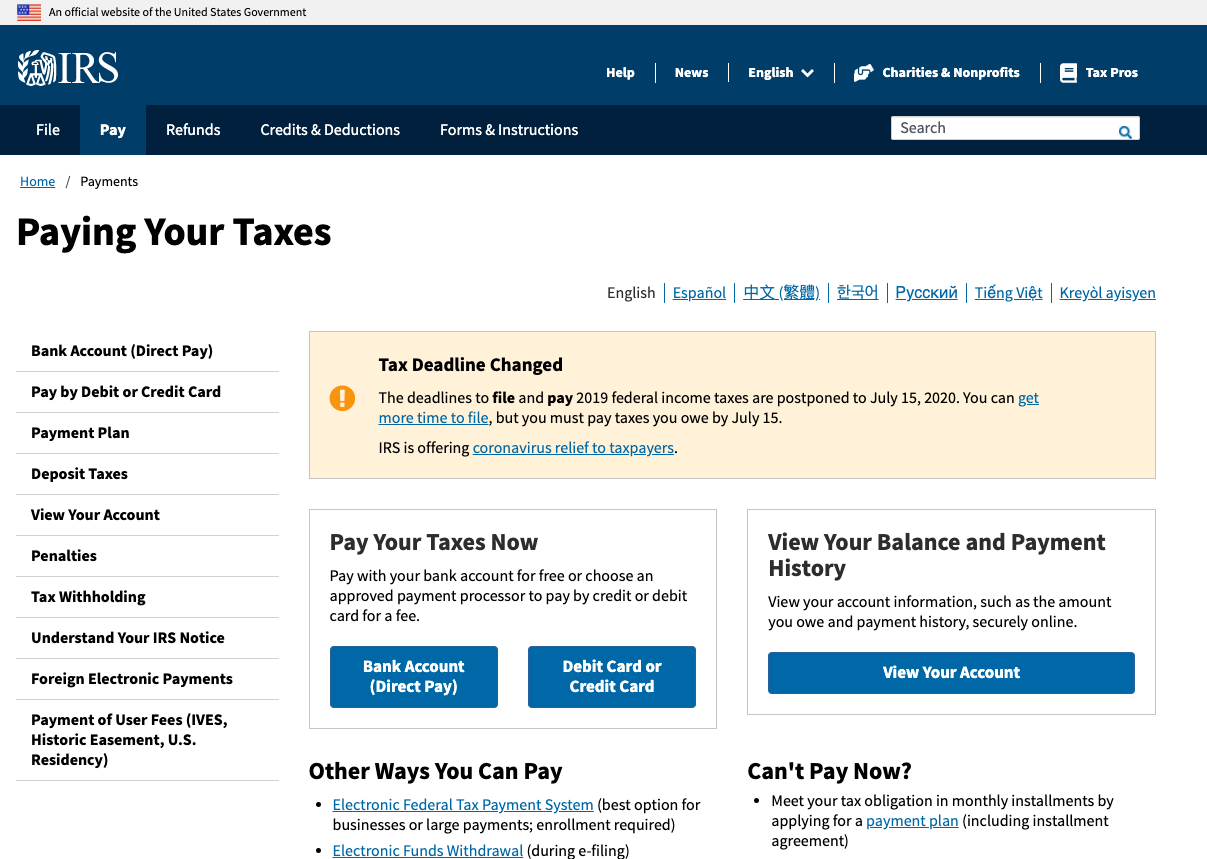
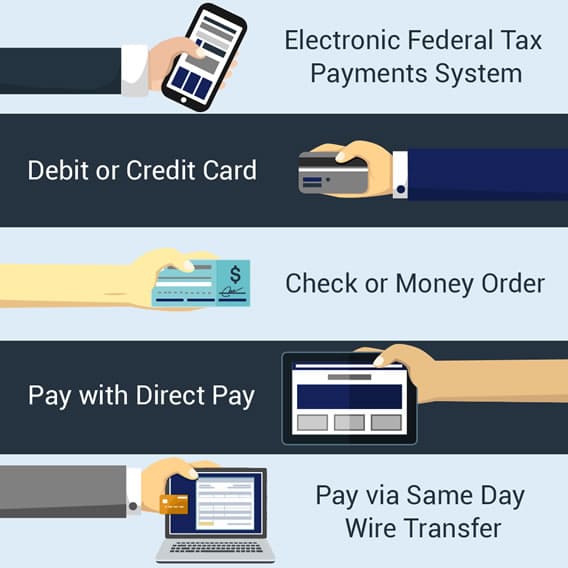
The most efficient way to settle a tax debt is through the IRS’s suite of electronic payment options. These methods are generally preferred because they provide immediate confirmation of receipt, reducing the risk of lost mail or processing delays that could lead to unnecessary interest and penalties.
IRS Direct Pay
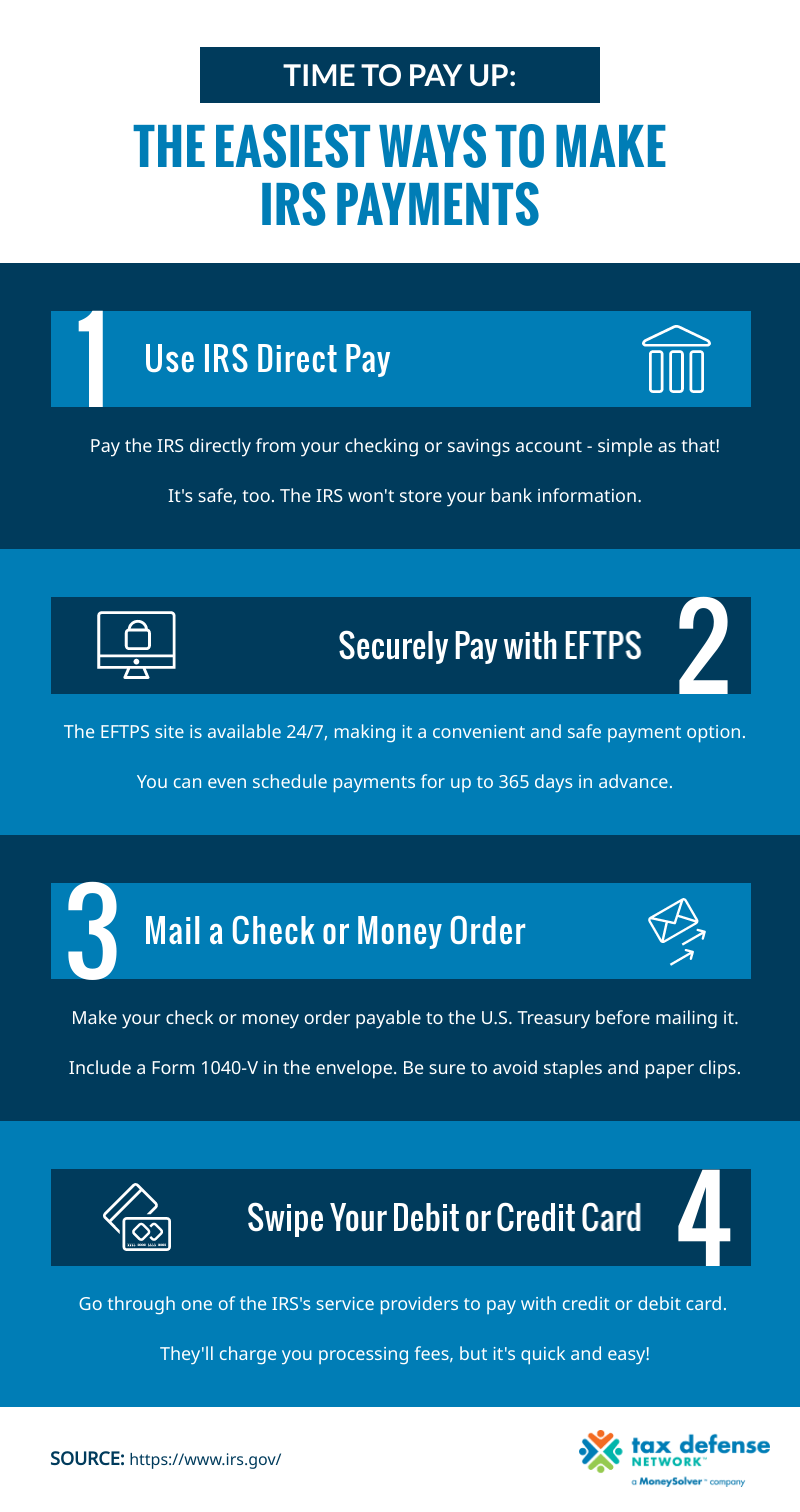
For individual taxpayers, IRS Direct Pay is the gold standard for simplicity and security. This service allows you to pay your income tax directly from your checking or savings account without any additional fees. It is primarily used for Form 1040 series returns, estimated taxes, and installment agreement payments.
One of the strategic advantages of Direct Pay is the “Look Up a Payment” feature. When you submit a payment, you receive a confirmation number instantly. This digital paper trail is essential for high-net-worth individuals and meticulous budgeters who need to reconcile their bank statements with their tax filings in real-time. Direct Pay does not require registration, making it an ideal “just-in-time” solution for those approaching a filing deadline.
The Electronic Federal Tax Payment System (EFTPS)
While Direct Pay is designed for individuals, the Electronic Federal Tax Payment System (EFTPS) is the heavy-duty tool used by businesses and individuals with complex tax requirements. EFTPS is a free service provided by the U.S. Department of the Treasury. Unlike Direct Pay, EFTPS requires an initial enrollment process, which includes receiving a PIN via physical mail for security purposes.
EFTPS is particularly valuable for its scheduling capabilities. Users can schedule payments up to 365 days in advance, a feature that is indispensable for business owners managing tight cash flow cycles. By scheduling quarterly estimated payments a year in advance, a business owner can ensure they remain compliant without needing to manually initiate a transfer every three months.
Credit and Debit Card Payments
The IRS does not collect credit or debit card fees directly; instead, it uses third-party payment processors such as PayUSAtax, Pay1040, and ACI Payments, Inc. While this method offers convenience and the potential to earn credit card rewards or “points,” it comes with a cost. Processors charge a percentage-based convenience fee, typically ranging from 1.82% to 1.98% for credit cards, or a flat fee for debit cards.
From a financial strategy perspective, paying the IRS with a credit card is usually only advisable if the value of the rewards earned exceeds the processing fee, or if using a card is the only way to avoid a more expensive IRS late-payment penalty. However, for those with a 0% introductory APR card, this can serve as a short-term, low-interest loan to cover a tax liability that would otherwise incur high-interest IRS penalties.
Alternative and Traditional Payment Routes
While digital transfers are the most streamlined, there are several alternative routes for taxpayers who prefer traditional methods or those who find themselves in unique financial circumstances.
Mailing a Check or Money Order
Despite the shift toward digital, the IRS still accepts physical checks and money orders. This method is often utilized by those who prefer a physical audit trail or who may not have consistent access to online banking. If you choose this route, it is vital to make the check payable to the “U.S. Treasury” and include your Social Security Number or Employer Identification Number (EIN), the tax year, and the related tax form on the memo line.
To mitigate the risk of loss or late delivery, financial professionals recommend sending any physical payment via USPS Certified Mail with a Return Receipt. This provides legal proof of the postmark date, which the IRS recognizes as the official payment date, even if the check is not processed until weeks later.
Cash Payments at Retail Partners
For the unbanked or underbanked population, or for those who simply prefer transacting in cash, the IRS has established a “Pay with Cash” program through retail partners like participating 7-Eleven, Walgreens, and CVS locations. This process involves a partnership with platforms like VanillaDirect or ACI Payments.
This is not a “walk-in and pay” service; it requires pre-registration on the IRS website and the generation of a secure code. There are also limits on the amount that can be paid in cash—usually $1,000 per day—and a small service fee. While less common for high-liability business taxes, this remains a vital inclusion in the financial system to ensure all citizens have a pathway to compliance.
The IRS2Go Mobile App
For the mobile-savvy taxpayer, the IRS2Go app provides a bridge between traditional and digital payments. Available on both iOS and Android, the app allows users to access Direct Pay or credit card processors directly from their smartphones. It is an excellent tool for freelancers and “gig economy” workers who may need to make small, frequent payments while on the go.
Managing Large Liabilities: Payment Plans and Agreements
When a taxpayer owes more than they can currently afford to pay, the focus shifts from the method of payment to the structure of the debt. The IRS offers several “Online Payment Agreements” to help individuals and businesses avoid the most severe collection actions, such as tax liens or wage garnishments.
Short-term and Long-term Installment Agreements
A short-term payment plan gives the taxpayer up to 180 days to pay their liability in full, including interest and accrued penalties. This is often the best choice for individuals expecting a liquidity event, such as a bonus or the sale of an asset, in the near future.
For larger debts, a long-term installment agreement (also known as a payment plan) allows for monthly payments over a period of up to 72 months. While these plans carry setup fees and ongoing interest, they stop the “failure to pay” penalty from escalating. From a personal finance standpoint, an installment agreement is a tool to preserve your credit score and financial stability while systematically chipping away at federal debt.
Offer in Compromise (OIC)
The Offer in Compromise is a specialized financial tool that allows a taxpayer to settle their tax debt for less than the full amount they owe. This is not a “quick fix” and is generally only granted to those who can demonstrate that paying the full amount would create a severe financial hardship. The IRS scrutinizes the taxpayer’s income, expenses, and asset equity to determine their “reasonable collection potential.” While difficult to qualify for, an OIC is the ultimate tool for financial “restarts” for those in genuine distress.
Strategic Financial Planning for Tax Season
Understanding how to pay the IRS is only half the battle; the other half is integrating those payments into a broader financial strategy. Proactive management can prevent the stress of a massive year-end bill.
Estimating Quarterly Payments for the Self-Employed
For freelancers, consultants, and side-hustlers, the responsibility of tax withholding falls entirely on the individual. The IRS operates on a “pay-as-you-go” system. If you expect to owe more than $1,000 in taxes, you are generally required to make quarterly estimated payments using Form 1040-ES.
Failure to make these payments can result in an underpayment penalty, even if you pay the full balance by April 15th. A savvy financial strategy involves setting aside 25-30% of all gross income into a high-yield savings account specifically designated for taxes, then using IRS Direct Pay to remit those funds every quarter.
The Role of Tax-Advantaged Accounts
One of the most effective ways to reduce the amount you need to pay the IRS is by leveraging tax-advantaged accounts before the filing deadline. For example, contributions to a Traditional IRA or a Health Savings Account (HSA) can often be made up until the April tax deadline and deducted from the previous year’s taxable income. This effectively reduces your total liability, meaning you “pay” yourself by putting money into your retirement or healthcare savings rather than sending it to the Treasury.
Avoiding the Cost of Procrastination
The most expensive way to pay the IRS is to pay late. The IRS charges both interest and penalties for late filing and late payment. The “failure to file” penalty is significantly higher than the “failure to pay” penalty. Therefore, if you cannot afford to pay your tax bill, you should still file your return on time. By filing, you eliminate the 5% monthly penalty for non-filing, leaving you only with the much smaller 0.5% monthly penalty for non-payment while you arrange an installment agreement.
In conclusion, paying the IRS is a multi-faceted process that requires a blend of technical knowledge and strategic planning. By utilizing digital tools like Direct Pay and EFTPS, understanding the nuances of payment plans, and proactively managing quarterly obligations, you can transform a complex requirement into a manageable part of your financial life. Whether you are optimizing for credit card rewards or seeking the structured relief of an installment plan, the goal remains the same: maintaining financial compliance while protecting your personal or business liquidity.
aViewFromTheCave is a participant in the Amazon Services LLC Associates Program, an affiliate advertising program designed to provide a means for sites to earn advertising fees by advertising and linking to Amazon.com. Amazon, the Amazon logo, AmazonSupply, and the AmazonSupply logo are trademarks of Amazon.com, Inc. or its affiliates. As an Amazon Associate we earn affiliate commissions from qualifying purchases.