
Facing a tax bill can be one of the most stressful experiences in a person’s financial life. Whether you are a salaried employee who didn’t have enough withheld, a freelancer navigating the complexities of self-employment, or a small business owner managing corporate obligations, the realization that you owe the government money often brings a sense of urgency and anxiety. However, the modern financial landscape provides numerous pathways to settle these debts efficiently. Understanding the mechanisms of payment, the nuances of the tax code, and the strategic options available for those who cannot pay in full is essential for maintaining long-term financial health.

Navigating the Payment Landscape: Digital and Traditional Methods
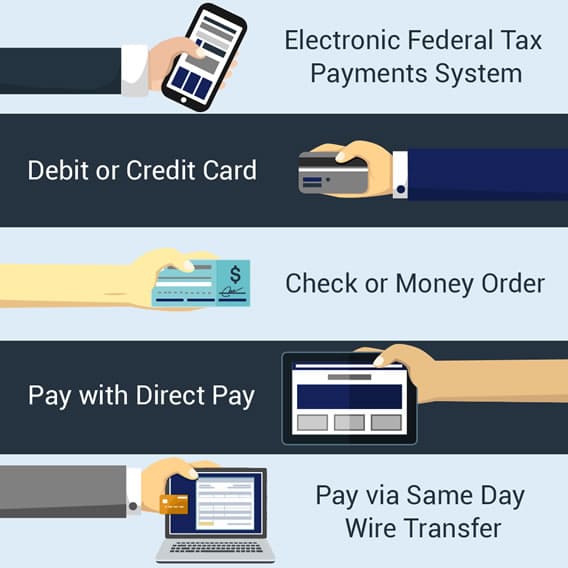
In the digital age, the Internal Revenue Service (IRS) and state tax authorities have significantly streamlined the process of paying tax liabilities. The days of mailing a paper check and hoping it arrives on time are not over, but they are certainly no longer the most efficient option. For most taxpayers, digital platforms offer the highest level of security and the fastest confirmation of receipt.
IRS Direct Pay and Electronic Funds Withdrawal
For individuals, IRS Direct Pay is often the most straightforward method. This service allows you to pay your income tax directly from your checking or savings account without any additional fees. It is available for various types of payments, including those for 1040 forms, estimated taxes, and even extensions. The primary advantage of Direct Pay is the immediate generation of a confirmation number, which serves as vital documentation in the event of a dispute.
Electronic Funds Withdrawal (EFW) is another integrated option, typically used when filing your return through tax preparation software. This allows you to schedule a payment on a specific date, providing a level of control over your cash flow. If you file early but want to hold onto your liquidity until the actual filing deadline, EFW is an excellent tool for precision financial management.
Credit and Debit Card Payments
While paying with a credit card is an option, it requires a careful cost-benefit analysis. The IRS uses third-party payment processors that charge a convenience fee, often ranging from 1.8% to nearly 2%. For a significant tax bill, these fees can add up to hundreds of dollars. Furthermore, if you do not pay off the credit card balance immediately, the high interest rates associated with revolving credit will quickly dwarf any interest the IRS might have charged. However, for those seeking to earn travel rewards or cash back—and who have the means to pay the card balance immediately—this can be a strategic way to “subsidize” the cost of taxes.
The Electronic Federal Tax Payment System (EFTPS)
For business owners and those with complex filing requirements, the EFTPS is the gold standard. This free service provided by the U.S. Department of the Treasury is designed for high-frequency or high-volume payments. It allows for the payment of corporate taxes, employment taxes, and estimated taxes with a high degree of transparency. Because EFTPS requires a registration process and the mailing of a PIN, it offers an added layer of security, making it the preferred choice for those managing substantial business finances.
Strategic Alternatives: What to Do If You Cannot Pay in Full
The most critical rule in personal finance regarding taxes is this: always file your return, even if you cannot afford to pay a single cent of what you owe. The penalty for “failure to file” is significantly higher (usually 5% of the unpaid taxes per month) than the penalty for “failure to pay” (usually 0.5% per month). Once the return is filed, you can begin exploring the various relief and restructuring options provided by the government.
Short-Term and Long-Term Payment Plans
If you can pay your debt within 180 days, you may qualify for a short-term payment plan. These are generally easier to set up and may involve lower administrative fees. For those who need more time, a Long-Term Installment Agreement (Direct Debit) allows you to pay over a period of up to 72 months.
These agreements are legally binding contracts. As long as you make your monthly payments on time and stay current with future tax filings, the IRS will generally refrain from taking more aggressive collection actions, such as wage garnishments or bank levies. It is important to note that interest and late-payment penalties continue to accrue during the life of the plan, so it is in your best interest to pay as much as possible upfront to reduce the principal balance.
Offer in Compromise (OIC)
The Offer in Compromise is perhaps the most discussed yet misunderstood option in tax resolution. This program allows eligible taxpayers to settle their tax debt for less than the full amount they owe. However, the IRS does not grant these lightly. To qualify, you must demonstrate that paying the full amount would create a “severe economic hardship” or that the debt is effectively uncollectible based on your assets and future income potential. The application process is rigorous, requiring full disclosure of your financial life, and the IRS will look for any way to justify that you can, in fact, pay the debt in full over time.
“Currently Not Collectible” Status
In cases of extreme financial distress—such as job loss, medical emergencies, or natural disasters—a taxpayer may request to be placed in “Currently Not Collectible” (CNC) status. This does not mean the debt is forgiven; rather, it means the IRS agrees to temporarily stop collection activities because the taxpayer cannot afford basic living expenses. During this time, interest and penalties continue to accrue, and the IRS will review the taxpayer’s income annually to see if their financial situation has improved.
Managing Cash Flow and Preventing Future Debt
Paying a tax bill is a reactive measure; the truly successful financial strategist focuses on proactive management to ensure that a large, unexpected bill never occurs in the future. Managing tax liability is essentially an exercise in cash flow optimization and disciplined accounting.
Adjusting Withholdings and Estimated Payments
For W-2 employees, the simplest way to avoid a surprise bill is to revisit the W-4 form. Significant life changes—marriage, the birth of a child, a spouse starting a new job, or the purchase of a home—all impact your tax liability. By adjusting your withholdings through your employer, you can ensure that you are paying “as you go,” effectively treating your tax obligation as a manageable monthly expense rather than a looming annual crisis.
For the self-employed, 1099 contractors, and business owners, the key is the 1040-ES. Paying quarterly estimated taxes is not just a suggestion; it is a requirement to avoid underpayment penalties. A common strategy among high-earning freelancers is to set aside 25% to 30% of every payment received into a high-yield savings account. This ensures that the money is available when the quarterly deadline arrives, while also earning a small amount of interest for the taxpayer in the interim.
Leveraging Tax-Advantaged Accounts
One of the most effective ways to lower your tax bill is to reduce your taxable income. Contributing to a traditional 401(k) or an Individual Retirement Account (IRA) can significantly lower your Adjusted Gross Income (AGI). For those in high-income brackets, these contributions can move them into a lower tax bracket entirely. Similarly, Health Savings Accounts (HSAs) offer a triple tax advantage: contributions are tax-deductible, growth is tax-free, and withdrawals for qualified medical expenses are tax-free. Utilizing these tools effectively converts money that would have gone to the IRS into long-term wealth for the individual.
The Role of Professional Guidance and Dispute Resolution
Tax laws are notoriously complex, and the stakes are high. While many people can manage their taxes using standard software, there are certain situations where professional intervention is a necessary investment.
When to Consult a CPA or Tax Attorney
If you owe a substantial amount—typically over $10,000—or if your tax situation involves international income, complex business structures, or multiple years of unfiled returns, hiring a Certified Public Accountant (CPA) or an Enrolled Agent (EA) is highly advisable. These professionals understand the nuances of the tax code and can often identify deductions or credits you may have missed. More importantly, they can represent you before the IRS, handling the communication and negotiation on your behalf.
In cases involving potential fraud, criminal investigations, or significant legal disputes, a tax attorney is required. Unlike accountants, attorneys offer attorney-client privilege, which provides an extra layer of protection during sensitive legal proceedings.

Navigating Audits and Appeals
If you disagree with the amount the IRS claims you owe, you have the right to appeal. The IRS Independent Office of Appeals exists specifically to resolve tax disputes without going to court. To be successful in an appeal, you must provide documented evidence that contradicts the IRS’s findings. This might include bank statements, receipts, or proof of business expenses. The goal of the appeals process is to reach a settlement that is fair to both the taxpayer and the government, often avoiding the time and expense of a formal trial in Tax Court.
By viewing tax payment not as an isolated event but as a core component of a broader financial strategy, individuals and businesses can navigate their obligations with confidence. The combination of digital payment tools, structured settlement options, and proactive planning forms a robust framework for managing what is often a person’s largest annual expense. Settling a tax debt is more than just a legal requirement; it is a vital step in maintaining the integrity of one’s financial portfolio and ensuring long-term fiscal stability.
aViewFromTheCave is a participant in the Amazon Services LLC Associates Program, an affiliate advertising program designed to provide a means for sites to earn advertising fees by advertising and linking to Amazon.com. Amazon, the Amazon logo, AmazonSupply, and the AmazonSupply logo are trademarks of Amazon.com, Inc. or its affiliates. As an Amazon Associate we earn affiliate commissions from qualifying purchases.