
Managing your credit card payments responsibly is a cornerstone of sound personal finance, and your Home Depot credit card is no exception. Whether you’ve used it for a major home renovation project or routine household purchases, understanding how to effectively pay your bill is crucial for maintaining a healthy credit score, avoiding late fees, and ultimately, saving money on interest. This guide will walk you through the various payment options available for your Home Depot credit card, offer strategies for optimized payment, and provide insights into managing your account for long-term financial well-being.

Understanding Your Home Depot Credit Card Account
Before diving into payment methods, it’s essential to have a clear grasp of your Home Depot credit card account. Home Depot offers a few different credit products, primarily the Consumer Credit Card, the Project Loan, and the Commercial Revolving Charge or Commercial Account. While the payment principles are similar, specific details might vary slightly. Understanding your card type and how to access your account information is the first step toward effective management.
Types of Home Depot Credit Cards and Their Payment Implications
The most common is the Home Depot Consumer Credit Card, a revolving credit line often used for everyday purchases and smaller projects, frequently offering special financing promotions. The Home Depot Project Loan is designed for larger, more expensive home improvement projects, often featuring fixed monthly payments over a set term. Finally, the Commercial Revolving Charge and Commercial Account cater to businesses, offering different billing cycles and reporting features. Regardless of the type, prompt payment is vital. For consumer cards, consistent on-time payments contribute positively to your credit score, while for project loans, missing payments can quickly lead to default and significant financial penalties. Commercial accounts, too, rely on timely payments to maintain good standing with suppliers and financial institutions.
Accessing Your Account Information
Your primary gateway to managing and paying your Home Depot credit card is through the official online portal, typically managed by Citibank (who issues the cards). You can register for online access at citibankonline.com or homedepot.com/citi. Once logged in, you’ll be able to view your current balance, minimum payment due, due date, transaction history, and statement details. This online access is invaluable for real-time monitoring and proactive management. Additionally, physical monthly statements mailed to your address provide a detailed breakdown of your account activity, payments received, and new charges. It’s always a good practice to review these statements for accuracy and to track your spending habits.
Key Information on Your Statement
Every Home Depot credit card statement, whether digital or physical, contains critical information you need to understand for proper payment. The due date is perhaps the most important — this is the last day your payment must be received to avoid late fees and potential negative impacts on your credit score. The minimum payment due is the lowest amount you can pay to keep your account in good standing; however, paying only the minimum can lead to significant interest charges over time. Your current balance reflects the total amount owed, while the new purchases and payments/credits sections detail recent activity. Pay close attention to the interest rate (APR) applied to different balance types (purchases, cash advances, promotional balances), as this directly impacts the cost of carrying a balance.
Multiple Convenient Payment Methods
Paying your Home Depot credit card is designed to be flexible, offering several options to suit various preferences and circumstances. From instant online payments to traditional mail-in methods, understanding each avenue ensures you can always make your payment on time.
Online Payments
For many, online payment is the most convenient and preferred method. You can make a one-time payment or set up recurring payments directly through the Home Depot credit card online portal (accessed via homedepot.com/citi or citibankonline.com). You’ll typically need to link your checking or savings account by providing the routing and account numbers. Online payments are usually processed quickly, often within one to two business days, and provide immediate confirmation, giving you peace of mind. This method also allows you to schedule payments in advance, ensuring you never miss a due date.
Paying by Phone
If you prefer to speak with someone or are away from a computer, paying by phone is a viable option. You can call the customer service number typically found on the back of your card or on your statement. An automated system is often available for quick payments, or you can speak with a customer service representative during business hours. While convenient, be aware that some credit card companies may charge a small fee for payments made over the phone with a representative, though this is less common for automated systems. Always confirm any potential fees before proceeding.
Mail-In Payments
For those who prefer traditional methods, paying by mail is always an option. Your monthly statement will include a payment coupon and the mailing address for payments. It’s crucial to send your payment well in advance of the due date, accounting for postal delivery times, which can take several business days. Always include your payment coupon and write your account number clearly on your check or money order to ensure it’s properly credited to your account. This method is generally not recommended if you are close to your due date, as delays can result in late fees.
In-Store Payments
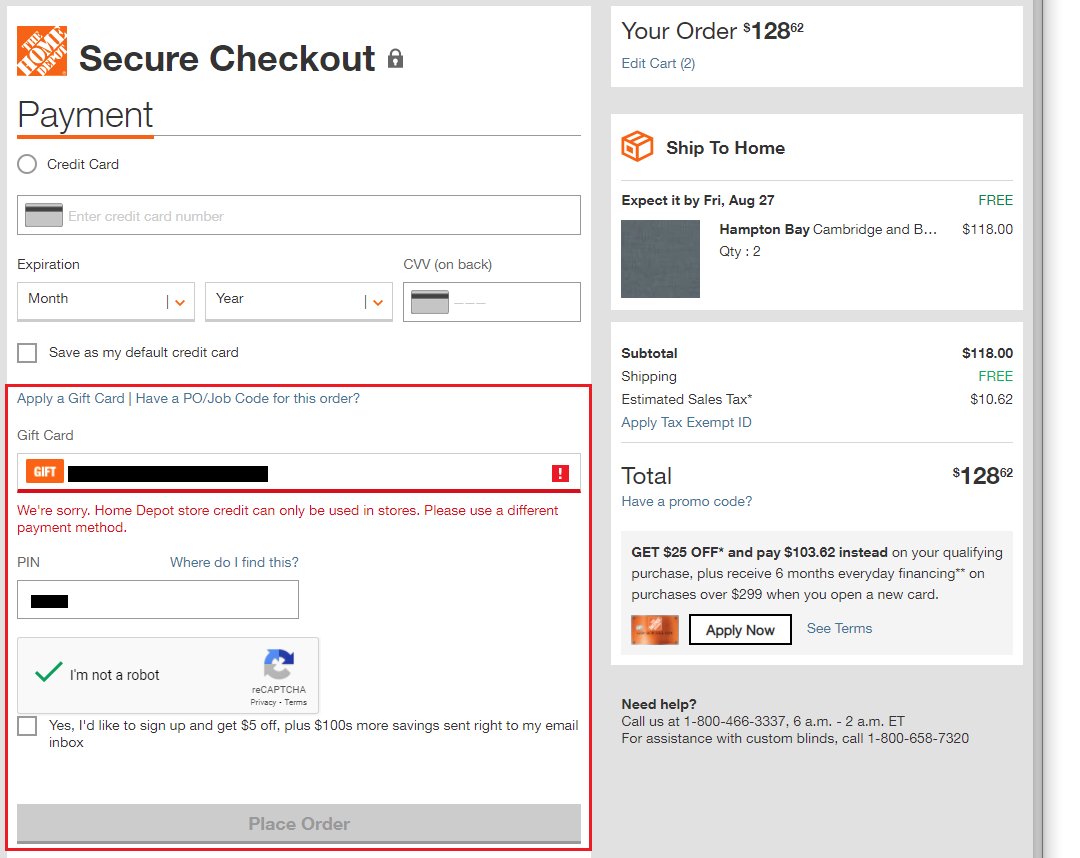
While some store credit cards allow in-store payments, the Home Depot Consumer Credit Card, issued by Citibank, generally does not accept payments directly at the Home Depot cash register. This is an important distinction to remember. You cannot walk into a Home Depot store and pay your credit card bill there. Always confirm payment options through your card issuer or official channels to avoid confusion. For the Home Depot Project Loan, direct payments might sometimes be arranged, but it’s best to verify this with the specific loan provider.
Third-Party Bill Pay Services
Many banks and credit unions offer online bill pay services that can be used to pay your Home Depot credit card. You can usually set up the Home Depot credit card as a payee within your bank’s online banking platform. Your bank will then electronically send the payment to Citibank on your behalf. This method offers convenience, as you can manage all your bills from a single banking portal. Just like mail-in payments, ensure you schedule these payments with enough lead time for your bank to process and send the payment before your Home Depot credit card’s due date.
Optimizing Your Payment Strategy for Financial Health
Paying your Home Depot credit card isn’t just about avoiding late fees; it’s about making smart financial choices that benefit your credit score, minimize interest accrual, and contribute to your overall financial health. A proactive and informed payment strategy can save you hundreds, if not thousands, of dollars over time.

Paying on Time: Avoiding Late Fees and Credit Score Impact
The golden rule of credit card management is to pay on time, every time. Missing a payment, even by a day, can trigger a late fee, which can be substantial. More critically, a late payment reported to credit bureaus (typically after 30 days past due) can severely damage your credit score. This negative mark can remain on your credit report for up to seven years, impacting your ability to secure future loans, mortgages, or even apartment rentals at favorable rates. Consistent on-time payments, conversely, are a strong positive indicator to lenders and significantly contribute to building and maintaining excellent credit.
Paying in Full vs. Minimum Payments: The True Cost of Interest
While paying the minimum amount due keeps your account in good standing, it’s often the most expensive way to manage your credit card debt. Credit cards, especially retail cards, can carry high annual percentage rates (APRs). If you only pay the minimum, the remaining balance accrues interest, leading to a snowball effect where you end up paying far more than the original purchase price. For example, a $1,000 balance at 25% APR, paid off with only minimum payments, could take years to resolve and cost hundreds in interest alone. Whenever possible, pay your statement balance in full. This avoids all interest charges and ensures you’re utilizing the card as a convenience tool rather than a costly loan.
Setting Up Autopay for Peace of Mind
One of the most effective strategies to ensure on-time payments is to set up autopay. Through your online account, you can typically choose to pay the minimum amount, the statement balance, or a custom amount on a set date each month. Autopay eliminates the risk of forgetting a payment and helps to stabilize your credit management routine. While it’s excellent for reliability, it’s still wise to review your statement each month even with autopay enabled, just to verify charges and ensure sufficient funds are available in your linked bank account to cover the payment.
Strategies for Managing High Balances
If you find yourself carrying a high balance on your Home Depot credit card, developing a deliberate payoff strategy is essential. Beyond just making minimum payments, consider making extra payments whenever possible. Even an additional $20 or $50 a month can significantly reduce your principal balance and, consequently, the amount of interest you’ll accrue. Another strategy is to prioritize high-interest debt – if you have multiple credit cards, tackle the one with the highest APR first, known as the “debt avalanche” method. Alternatively, the “debt snowball” method focuses on paying off the smallest balance first to gain psychological momentum. Explore options like a balance transfer to a lower-interest card (if available and you qualify) or a personal loan, but always weigh the costs and benefits carefully.
What to Do If You Face Payment Difficulties
Life happens, and sometimes, despite best intentions, you might face unexpected financial challenges that make paying your Home Depot credit card difficult. Proactive communication and understanding your options are crucial during such times. Ignoring the problem will only exacerbate it.
Contacting Customer Service Early
The most important step if you anticipate missing a payment or are struggling to make ends meet is to contact Home Depot credit card customer service (Citibank) immediately. Don’t wait until you’ve already missed a payment. Explain your situation honestly. Creditors are often more willing to work with you if you reach out proactively rather than forcing them to pursue you for overdue payments. They might be able to offer temporary solutions, such as a deferment, a modified payment plan, or a reduction in your interest rate for a period.
Understanding Hardship Programs
For significant financial difficulties, some lenders offer hardship programs. These programs are designed for customers experiencing severe, temporary financial setbacks like job loss, illness, or natural disaster. Hardship programs can include reduced interest rates, waived fees, or temporary payment suspensions. Be prepared to provide documentation of your hardship. While these programs can offer much-needed relief, they often require a commitment to a new payment plan and might have implications for your credit report, depending on the terms. Always understand the full terms and potential consequences before agreeing to a hardship plan.
Avoiding Common Pitfalls
When facing payment difficulties, it’s easy to fall into traps that worsen your financial situation. Avoid taking out high-interest payday loans or title loans to cover your credit card payment, as these often lead to a vicious cycle of debt. Also, be wary of debt settlement companies that promise a quick fix but often charge hefty fees and can negatively impact your credit score. Focus on direct communication with your creditor, budgeting, and exploring legitimate, low-cost debt management options if necessary. Financial counseling from a non-profit organization can also provide unbiased advice and support.
Beyond Payment: Maximizing Your Home Depot Credit Card Benefits (and Responsibilities)
While the primary focus of this guide is payment, understanding the broader context of your Home Depot credit card can help you maximize its value and manage it more effectively as a financial tool. It’s not just about spending and paying; it’s about strategic utilization.
Understanding Promotional Financing Offers
The Home Depot credit card frequently offers special financing on larger purchases, such as “0% interest if paid in full within 6, 12, or 24 months.” These offers can be incredibly beneficial for managing large project costs without incurring immediate interest. However, it’s critical to understand the terms: these are typically “deferred interest” promotions. This means if you fail to pay the entire promotional balance by the end of the term, all the interest that was waived from the original purchase date will be retroactively applied to your account. Always ensure you have a solid plan to pay off the full amount before the promotional period expires if you utilize these offers.
The Impact on Your Credit Score
Your Home Depot credit card, like any other credit account, plays a significant role in your credit score. Payment history (on-time or late payments) accounts for the largest portion of your score. Your credit utilization ratio – the amount of credit you’re using compared to your total available credit – is also crucial. Keeping your utilization low (ideally below 30%) across all your credit cards is beneficial. Opening a new credit card can temporarily lower your score due to a hard inquiry and a newer account age, but responsible use over time will typically improve it. Regularly checking your credit report for accuracy is also a good practice.
Protecting Your Account from Fraud
Finally, actively protect your Home Depot credit card account from fraud. Regularly review your online statements and transaction history for any unauthorized charges. If you notice suspicious activity, report it to Citibank immediately. Most credit cards offer zero liability protection, meaning you won’t be responsible for fraudulent charges, but prompt reporting is key. Be cautious with your card information online and avoid sharing it over unsecured channels. Utilizing features like text or email alerts for transactions can provide an early warning system against potential fraud.
In conclusion, mastering how to pay your Home Depot credit card is a fundamental aspect of responsible personal finance. By understanding your account, utilizing convenient payment methods, implementing smart payment strategies, and proactively addressing any difficulties, you can maintain excellent financial health, avoid unnecessary costs, and leverage your card effectively as a valuable financial tool. Proactive management and consistent discipline are the keys to success.
aViewFromTheCave is a participant in the Amazon Services LLC Associates Program, an affiliate advertising program designed to provide a means for sites to earn advertising fees by advertising and linking to Amazon.com. Amazon, the Amazon logo, AmazonSupply, and the AmazonSupply logo are trademarks of Amazon.com, Inc. or its affiliates. As an Amazon Associate we earn affiliate commissions from qualifying purchases.