
Managing federal tax obligations is a critical pillar of personal financial health. While the digital age has ushered in a wave of online portals and mobile applications, many taxpayers still prefer the directness and reliability of a phone-based payment system. Whether you are dealing with a balance due on an annual return, making estimated tax payments, or settling a past-due notice, knowing how to navigate the IRS phone payment infrastructure is essential for avoiding penalties and ensuring your financial records remain accurate.
Paying the IRS by phone is not merely about convenience; it is about leveraging secure, government-authorized channels to manage your cash flow effectively. This guide explores the various systems available, the costs associated with different payment methods, and the security protocols necessary to protect your financial identity.

Understanding the Authorized IRS Phone Payment Systems
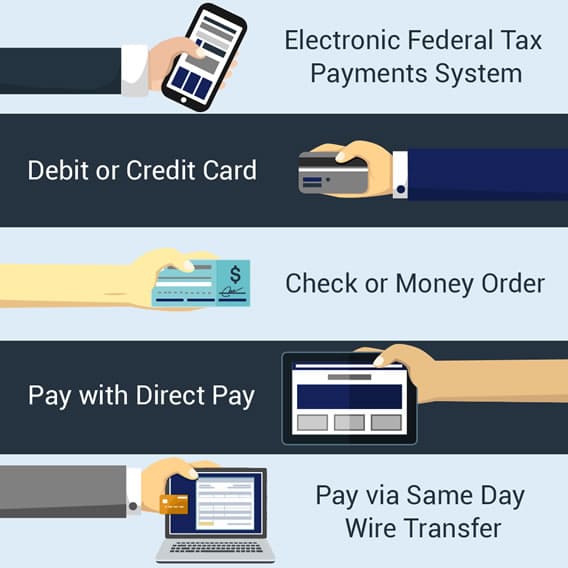
The Internal Revenue Service does not accept direct payments through its standard customer service lines. Instead, it utilizes two primary frameworks: authorized third-party service providers for credit and debit card transactions, and the Electronic Federal Tax Payment System (EFTPS) for direct bank transfers.
The Electronic Federal Tax Payment System (EFTPS)
The EFTPS is a free service provided by the U.S. Department of the Treasury. It is the gold standard for high-frequency taxpayers, such as small business owners or individuals paying quarterly estimated taxes. To use the EFTPS voice response system, you must first enroll online and receive a personal identification number (PIN) via mail, which typically takes five to seven business days.
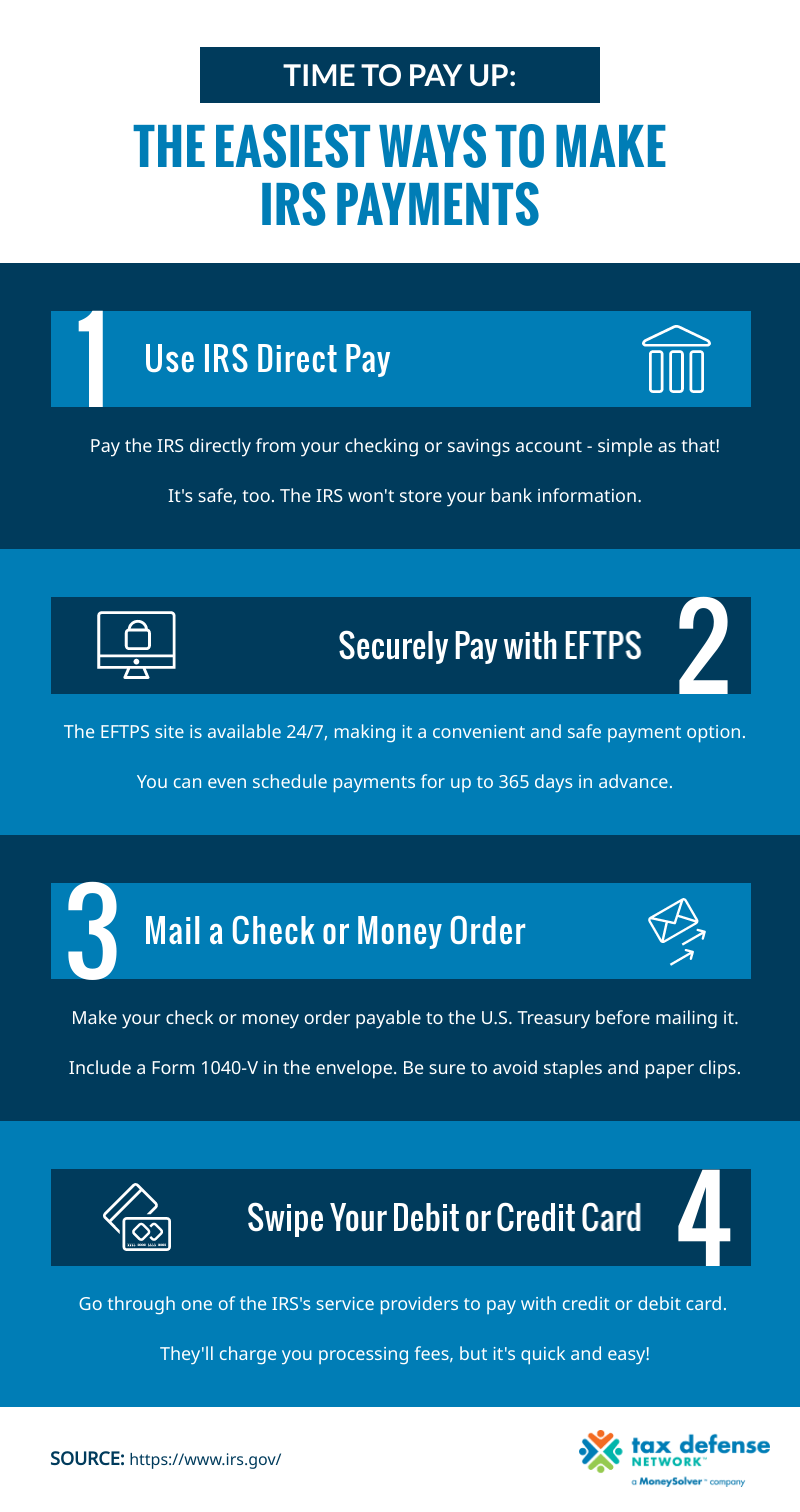
Once enrolled, the EFTPS phone system allows you to schedule payments up to 365 days in advance. This is a powerful tool for financial planning, as it ensures you never miss a deadline while allowing you to keep your funds in interest-bearing accounts until the moment the payment is due.
Third-Party Payment Processors
For those who prefer to use a credit or debit card—perhaps to earn travel rewards or to bridge a short-term liquidity gap—the IRS authorizes three specific private companies to handle phone payments. These processors are:
-
payUSAtax
-
Pay1040
-
ACI Payments, Inc.
Each of these providers has a dedicated toll-free number and automated system. Unlike EFTPS, these services do not require prior enrollment, making them an ideal solution for one-time payments or last-minute filings.
Step-by-Step Guide to Paying via Credit or Debit Card
Choosing to pay by card over the phone is a straightforward process, but it requires careful attention to detail to ensure the payment is applied to the correct tax year and form.
Selecting the Right Processor
While all three authorized processors are secure, they may offer slightly different fee structures. Generally, debit card payments carry a flat fee (usually between $2.00 and $4.00), while credit card payments incur a percentage-based convenience fee (typically ranging from 1.87% to 1.98%). From a financial strategy perspective, paying via credit card is usually only advisable if the value of the rewards earned exceeds the convenience fee, or if the card’s interest rate is significantly lower than the IRS’s late-payment interest and penalties.
Information Required for the Call
Before dialing, ensure you have the following information organized:
-
Social Security Number (SSN) or Employer Identification Number (EIN): This identifies your account within the IRS database.
-
Tax Year and Form Type: You must specify if you are paying for a 1040 (individual income tax), a 1040-ES (estimated tax), or another specific form.
-
Payment Amount: Have the exact figure ready.
-
Card Details: Your card number, expiration date, and CVV code.
-
Contact Information: A valid phone number and, in some cases, a zip code for verification.
Navigating the Automated Menu
When you call the processor, an automated voice will guide you through the prompts. It is vital to wait for a confirmation number at the end of the call. This number is your legal receipt. In the event of a banking error or a dispute with the IRS regarding your payment status, this confirmation number serves as your primary evidence of compliance.
Leveraging the EFTPS Voice Response System for Maximum Efficiency
For the sophisticated taxpayer, the EFTPS voice response system offers a level of control that third-party processors cannot match. Because it draws directly from a linked checking or savings account, there are no “convenience fees,” making it the most cost-effective way to pay by phone.
Enrollment and Setup
To begin using EFTPS, you must visit the official EFTPS website and provide your banking information and tax identification number. The IRS will verify your bank account and mail a PIN to your registered address. Once you have this PIN, you can call the EFTPS tax payment line at any time, 24 hours a day, seven days a week.
Scheduling and Canceling Payments
One of the most significant advantages of EFTPS is the ability to schedule a payment for a future date. For instance, if you finish your tax preparation in February but do not want the funds to leave your account until April 15th, you can schedule that payment over the phone in minutes.
Furthermore, the system allows you to cancel or change a scheduled payment as long as you do so at least two business days before the scheduled date. This provides a safety net for those whose financial situation may fluctuate unexpectedly.
Reporting and Tracking
The EFTPS system maintains a history of your payments for up to 16 months. While the phone system provides summaries of recent transactions, it is best practice to cross-reference these with your bank statements to ensure seamless reconciliation of your personal or business ledger.
Security Protocols and Avoiding Tax Payment Scams
The intersection of technology and taxation is a frequent target for bad actors. When paying the IRS by phone, security should be your paramount concern.
Verifying the Numbers
Only use the phone numbers listed on the official IRS.gov website. Scammers often use “spoofing” technology to make a caller ID appear as if the IRS is calling. It is crucial to remember that the IRS does not initiate phone calls to demand immediate payment using a specific method, such as a prepaid debit card, gift card, or wire transfer. If you receive an unsolicited call from someone claiming to be the IRS and demanding phone payment, hang up immediately.
Data Privacy
Authorized processors and the EFTPS system use high-level encryption to protect your financial data. When using the automated systems, you are entering data into a secure environment. Avoid making these calls in public spaces where your Social Security number or card details could be overheard.
Red Flags to Watch For
-
Urgency and Threats: Any caller who threatens you with immediate arrest or deportation if you do not pay over the phone is a fraudster.
-
Alternative Payment Methods: The IRS only accepts payments through the authorized channels mentioned above. They will never ask for cryptocurrency or store gift cards.
-
Requesting Personal Info via Text: The IRS does not use text messages to discuss tax bills or payment options.
Strategic Financial Management of Tax Liabilities
Integrating phone payments into your broader financial strategy requires more than just knowing which number to call. It involves timing, documentation, and a clear understanding of your cash flow.
Timing for Interest Optimization
If you owe a significant balance, the timing of your phone payment can impact your overall financial position. By using EFTPS to schedule a payment for the exact due date, you maximize the “float” on your money. Even a few extra weeks of interest in a high-yield savings account can be beneficial when dealing with large corporate or individual tax liabilities.
Documentation for Tax Deductions
Note that the convenience fees paid to third-party processors for business-related tax payments may be deductible as a business expense. For individuals, these fees used to be deductible as a miscellaneous itemized deduction, but tax law changes have limited this. Consult with a tax professional to see if the cost of the payment method itself provides any secondary tax benefits.
Record Keeping and Peace of Mind
Always maintain a “Tax Payment Log.” This log should include the date of the call, the system used (EFTPS or a specific processor), the confirmation number, the tax year, and the amount paid. Physical or digital copies of these logs should be kept for at least three to seven years, depending on your specific filing situation.
The ability to pay the IRS by phone remains a vital tool for the modern taxpayer. It provides a bridge between traditional banking and digital convenience, offering a secure, verified, and efficient way to fulfill federal obligations. By understanding the nuances of the EFTPS and the authorized third-party processors, you can manage your tax liabilities with professional precision and total security.
aViewFromTheCave is a participant in the Amazon Services LLC Associates Program, an affiliate advertising program designed to provide a means for sites to earn advertising fees by advertising and linking to Amazon.com. Amazon, the Amazon logo, AmazonSupply, and the AmazonSupply logo are trademarks of Amazon.com, Inc. or its affiliates. As an Amazon Associate we earn affiliate commissions from qualifying purchases.