
In an increasingly digitized world, the smartphone has evolved from a mere communication device into a powerful personal assistant, entertainment hub, and, crucially, a versatile financial tool. The ability to pay directly from your phone has revolutionized commerce, offering unparalleled convenience, speed, and often, enhanced security. Gone are the days when a bulky wallet filled with cards and cash was indispensable; today, your phone is often all you need. This guide delves into the technological underpinnings, setup processes, security protocols, and future trends that define the landscape of mobile payments, offering a deep dive into how this essential functionality works from a technological perspective.
The Core Technologies Powering Mobile Payments
At the heart of every mobile payment lies a sophisticated interplay of communication protocols, encryption standards, and software interfaces. Understanding these foundational technologies is key to appreciating the seamless transactions we now take for granted.
Near Field Communication (NFC)
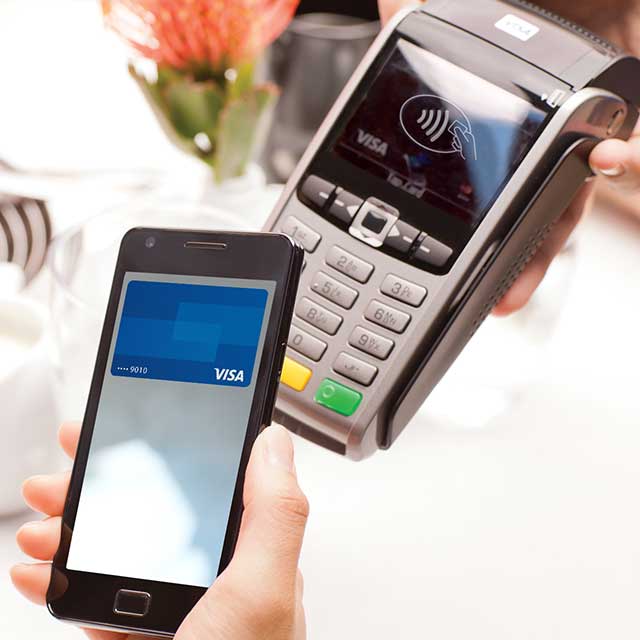
NFC is arguably the most prevalent technology enabling contactless payments at point-of-sale (POS) terminals. It’s a short-range wireless technology that allows two devices to communicate when they are brought within a few centimeters of each other. When you tap your phone on a payment terminal, NFC facilitates a secure, encrypted exchange of data, including your payment token. This technology operates on a peer-to-peer basis, establishing a connection quickly and efficiently without the need for manual pairing or configuration, making it ideal for rapid transactions in busy retail environments. The short range inherently adds a layer of security, as unauthorized interception requires physical proximity.
QR Code Payments
Beyond NFC, QR codes have emerged as another popular method for mobile payments, particularly in regions where NFC infrastructure might be less developed or for specific use cases like peer-to-peer transfers or digital menus. A QR code (Quick Response code) is a two-dimensional barcode readable by smartphones. When a user scans a merchant’s QR code using their phone’s camera and a dedicated payment app, the app deciphers the embedded data, which typically includes the merchant’s payment details and sometimes the transaction amount. The user then authenticates the payment within their app, and the funds are transferred. This method relies on the phone’s camera and internet connectivity, offering flexibility for various transaction types.
In-App Purchases and Online Wallets
For transactions within applications or on e-commerce websites, mobile payment systems leverage integrated APIs and digital wallet technologies. Services like Apple Pay, Google Pay, and PayPal aren’t just for contactless payments; they also provide robust frameworks for online transactions. When making an in-app purchase or buying from a mobile website, users can often select their preferred digital wallet. This wallet securely stores tokenized card information, eliminating the need to manually enter sensitive details for each transaction. The payment gateway then communicates with the bank via secure channels, often using tokenization and encryption to protect user data throughout the process.
Biometric Authentication (Fingerprint, Face ID)
A critical technological component enhancing both convenience and security in mobile payments is biometric authentication. Modern smartphones integrate advanced biometric sensors, such as fingerprint scanners (Touch ID) and facial recognition systems (Face ID), to verify the user’s identity. Before a payment can be authorized, the device requires the user to authenticate using these biometrics. This not only streamlines the payment process by removing the need for PINs or passwords but significantly bolsters security, as biometric data is inherently unique to the individual and far more difficult to compromise than traditional credentials. The underlying technology involves secure enclaves within the phone’s processor that store and process biometric data, ensuring it never leaves the device or is exposed to external threats.
Setting Up Your Phone for Seamless Transactions
Activating mobile payment capabilities on your smartphone is a straightforward process, primarily revolving around configuring your device’s native digital wallet application. This involves securely linking your financial instruments to your phone’s payment ecosystem.
Adding Payment Cards to Digital Wallets (Apple Pay, Google Pay, Samsung Pay)
The first step is typically to open your phone’s default digital wallet app—Apple Wallet for iOS devices, Google Wallet for Android, or Samsung Wallet for Samsung phones. Within these applications, you’ll find options to add credit, debit, or even certain loyalty cards. The process usually involves either scanning your card with your phone’s camera or manually entering the card details (card number, expiration date, CVV). Crucially, the card details are not stored directly on your phone in their original form. Instead, they are encrypted and sent to your card issuer or bank, which then generates a unique, device-specific token (a digital alias for your card number). This token is what is actually stored on your phone and transmitted during a payment, never your actual card number. This tokenization process is a cornerstone of mobile payment security.
Configuring Default Payment Options
Once multiple cards are added to your digital wallet, you’ll often have the option to set a default payment card. This card will be automatically selected for transactions unless you explicitly choose another. For instance, with Apple Pay, you can select a primary card in the Wallet & Apple Pay settings. On Android, within the Google Wallet app, you can designate a default for contactless payments. This configuration streamlines the payment process, especially in quick tap-and-go scenarios, ensuring your preferred card is ready without additional steps. Users can typically override the default selection during a transaction by quickly navigating through their stored cards in the wallet interface.
Understanding Tokenization
Tokenization is a fundamental security technology that underpins most modern mobile payment systems. When you add a card to your digital wallet, your actual 16-digit Primary Account Number (PAN) is replaced with a unique, encrypted token. This token is a random string of numbers that serves as a substitute for your card details. When you make a payment, it’s this token that is transmitted to the merchant and payment processor, not your actual card number. If a data breach were to occur at a merchant or payment terminal, the stolen data would only contain these tokens, which are useless without the cryptographic keys held by the payment networks to decrypt them back to a PAN. This significantly reduces the risk of fraud and data theft, making mobile payments inherently more secure than traditional card-present transactions where the PAN is directly exposed.
Navigating the Mobile Payment Ecosystem: Types and Use Cases
The versatility of mobile payment technology extends across a broad spectrum of commercial and personal transactions, offering specialized solutions for various scenarios.
Contactless In-Store Payments
The most common and visually recognizable form of mobile payment is the contactless in-store transaction. Utilizing NFC technology, users simply hold their smartphone (or smartwatch) near an NFC-enabled payment terminal. The device automatically detects the terminal, prompts for biometric authentication (or a passcode), and completes the transaction within seconds. This method is now ubiquitous in retail stores, supermarkets, restaurants, and many other physical establishments, effectively replacing physical credit/debit cards for many consumers. The speed and touch-free nature of these payments align perfectly with modern demands for efficiency and hygiene.

Peer-to-Peer (P2P) Transfers
Mobile technology has also democratized the ability to send money directly to friends, family, or even small businesses without involving traditional bank transfers. P2P payment apps like Venmo, PayPal, Zelle, and Google Pay facilitate these transfers. Users link their bank accounts or debit cards to these apps, allowing them to send or request funds using just a recipient’s phone number or email address. The underlying technology typically involves secure API integrations with banking systems to facilitate the movement of funds, often processing payments instantly or within a few business days, depending on the service and the linked accounts.
Online and In-App Shopping
For e-commerce and digital content purchases, mobile payment methods offer enhanced security and convenience. Instead of repeatedly entering card details on different websites or apps, users can select a digital wallet option (e.g., Apple Pay, Google Pay, Shop Pay, PayPal) during checkout. This leverages the tokenized card information already stored securely on the device or within the wallet service, often requiring just a biometric verification to complete the purchase. This reduces friction, improves conversion rates for merchants, and minimizes the risk of exposing sensitive card data to multiple online platforms.
Public Transport and Loyalty Programs
Many modern public transport systems have integrated mobile payment capabilities, allowing commuters to tap their phone on readers instead of physical tickets or dedicated transit cards. This often involves specific transit apps that store virtual tickets or directly link to payment cards via NFC. Similarly, loyalty programs are increasingly integrated into digital wallets. Users can add their loyalty cards to their phone, and in some cases, the loyalty program is automatically applied when a payment is made with the same digital wallet, streamlining the reward accumulation process without needing to present a separate card.
Enhancing Digital Security in Mobile Payments
While the convenience of mobile payments is undeniable, the underlying security architecture is what truly makes them reliable. Multiple layers of technological safeguards are in place to protect user data and financial assets.
Device-Level Security (PINs, Biometrics)
The first and most critical layer of defense for mobile payments is the security of the device itself. PINs, patterns, and strong alphanumeric passwords are foundational, but biometrics (fingerprint and facial recognition) offer a superior combination of security and convenience. These authentication methods ensure that even if your phone falls into the wrong hands, unauthorized access to your digital wallet is severely restricted. Modern smartphones utilize secure enclaves—isolated, hardware-backed security components—to store and process biometric data, preventing it from being accessed by the main operating system or other applications.
Encryption and Tokenization
As discussed, tokenization replaces sensitive card details with unique, single-use tokens, rendering stolen data useless to fraudsters. This is complemented by robust encryption protocols. All data transmitted during a mobile payment transaction, from your phone to the payment terminal and onwards to the payment network, is heavily encrypted. This scrambling of data ensures that even if intercepted, the information cannot be read or understood by unauthorized parties. The use of industry-standard encryption algorithms, such as AES-256, protects the integrity and confidentiality of transactional data at every stage.
Best Practices for Secure Mobile Transactions
Beyond the built-in technologies, user behavior plays a crucial role in maintaining security. It’s essential to keep your phone’s operating system and payment apps updated to ensure you have the latest security patches. Using strong, unique passwords for your device and any associated online accounts is vital. Be cautious of public Wi-Fi networks when making payments, as they can be less secure. Always verify the merchant or recipient before authorizing a payment, especially for P2P transfers. Regularly reviewing your bank and card statements for unusual activity is also a key proactive measure.
Dealing with Lost or Stolen Devices
In the unfortunate event of a lost or stolen phone, immediate action is crucial. Most digital wallet services and phone manufacturers offer remote device management tools. For instance, Apple’s “Find My” and Google’s “Find My Device” allow users to remotely locate, lock, wipe, or suspend payment services on their lost device. This capability immediately blocks unauthorized use of your digital wallet. Additionally, contacting your bank or card issuer to report your tokenized cards as compromised (even if the physical card isn’t lost) is a prudent step to ensure complete protection.
The Future Landscape of Mobile Payment Technology
The evolution of mobile payment technology is far from over. Innovation continues to push the boundaries, integrating payments into a broader ecosystem of connected devices and leveraging emerging technologies for even greater security and convenience.
Wearables and IoT Integration
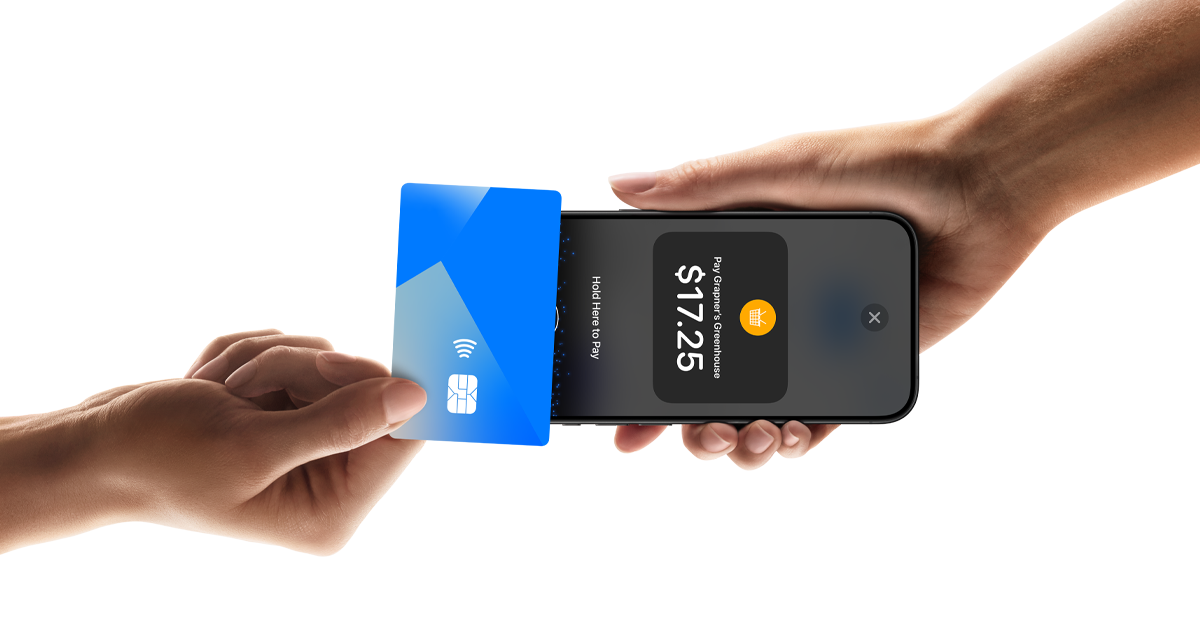
The capabilities of mobile payments are rapidly expanding beyond smartphones to other wearable devices like smartwatches and fitness trackers. These devices often incorporate NFC chips, allowing for tap-to-pay functionality directly from your wrist. Looking further ahead, the Internet of Things (IoT) promises to integrate payment capabilities into everyday objects—from smart refrigerators that can order groceries to connected cars that pay for fuel or tolls automatically. This seamless integration will make payment an invisible part of our daily interactions, driven by embedded microchips and secure communication protocols.
Central Bank Digital Currencies (CBDCs) and Blockchain
The rise of blockchain technology and the increasing interest from central banks in developing Central Bank Digital Currencies (CBDCs) could significantly reshape the future of mobile payments. CBDCs, essentially digital versions of national fiat currency, could be directly held and transacted via mobile devices, potentially offering new levels of transparency, efficiency, and financial inclusion. Blockchain technology, with its decentralized and immutable ledger, could also provide new frameworks for secure and verifiable mobile transactions, reducing reliance on traditional intermediaries and enhancing cryptographic security measures.
Enhanced Biometrics and AI-driven Security
Future mobile payment systems are likely to incorporate even more sophisticated biometric authentication methods, such as vein pattern recognition, gait analysis, or even behavioral biometrics that analyze how a user interacts with their device. Artificial intelligence (AI) will play an increasingly vital role in fraud detection and prevention. AI algorithms can analyze vast datasets of transaction patterns in real-time to identify anomalies and flag potentially fraudulent activities with greater accuracy and speed than human analysts, further hardening the security of mobile payment ecosystems.
Conclusion
Paying from your phone is no longer a futuristic concept but an everyday reality, driven by a remarkable convergence of advanced technologies. From the fundamental principles of NFC and QR codes to the sophisticated security layers of tokenization and biometric authentication, the infrastructure supporting mobile payments is designed for both ultimate convenience and robust protection. As these technologies continue to evolve, integrating with wearables, exploring blockchain potentials, and leveraging AI for enhanced security, the future promises an even more seamless, secure, and integrated payment experience. Embracing these technological advancements means unlocking unparalleled efficiency and peace of mind in our financial transactions, making the smartphone an indispensable tool for navigating the modern economy.
aViewFromTheCave is a participant in the Amazon Services LLC Associates Program, an affiliate advertising program designed to provide a means for sites to earn advertising fees by advertising and linking to Amazon.com. Amazon, the Amazon logo, AmazonSupply, and the AmazonSupply logo are trademarks of Amazon.com, Inc. or its affiliates. As an Amazon Associate we earn affiliate commissions from qualifying purchases.