
The allure of the big screen, the aroma of popcorn, and the collective gasp or cheer from an audience—the magic of cinema remains undiminished. However, the process of experiencing this magic has undergone a significant transformation, largely thanks to advancements in technology. Gone are the days when a visit to the box office was the only gateway to your cinematic journey. Today, ordering movie tickets online is not merely a convenience; it’s the preferred, often essential, method for countless moviegoers worldwide. This shift reflects a broader digital evolution, empowering users with instant access, informed choices, and a seamless pre-screening experience, all from the comfort of their device.

This guide delves into the technological underpinnings and practical execution of ordering movie tickets online, positioning it squarely within the realm of tech tutorials. We’ll explore the platforms, the processes, the security measures, and the future innovations that make this digital interaction not just possible, but exceptionally user-friendly and robust. From understanding the architecture of ticketing applications to navigating secure payment gateways, our focus remains on the technology that bridges the gap between your desire for entertainment and the silver screen experience.
The Digital Gateway to Cinema: Understanding Online Ticketing Platforms
At the heart of online movie ticket ordering are sophisticated digital platforms designed to streamline the entire process. These platforms are more than just simple websites; they are complex software applications offering a suite of functionalities that enhance the user experience from browsing to booking. Understanding the different types of platforms and their core functionalities is the first step in mastering online ticket acquisition.
Aggregator Platforms vs. Cinema-Specific Apps
The online ticketing ecosystem primarily consists of two main types of platforms, each with distinct advantages and technological approaches:
-
Aggregator Platforms (e.g., Fandango, Atom Tickets, IMDb Showtimes, Google Movies): These platforms act as central hubs, consolidating showtime and ticket information from multiple cinema chains and independent theaters. From a technical standpoint, they achieve this by integrating with various cinema management systems via APIs (Application Programming Interfaces). This allows them to pull real-time data on movie listings, showtimes, available seats, and pricing across a wide spectrum of venues.
-
UI/UX (User Interface/User Experience) Perspective: Aggregators prioritize breadth of choice and a unified user experience. Their interfaces are typically designed to be highly intuitive, offering robust search filters (by movie, cinema, genre, location, date), interactive seating maps, and personalized recommendations. The challenge for these platforms lies in maintaining seamless integration with a multitude of disparate cinema systems, requiring continuous API maintenance and data synchronization.
-
Benefits: Convenience of comparing options across different cinemas, often bundling deals or loyalty programs independent of specific theater chains. They leverage advanced algorithms for search and discovery, aiming to predict user preferences and provide relevant suggestions.
-
-
Cinema-Specific Apps and Websites (e.g., AMC Theatres, Regal Cinemas, Cinemark): These are proprietary digital platforms developed and maintained by individual cinema chains. Their primary purpose is to sell tickets and manage loyalty programs exclusively for their own locations.
-
UI/UX Perspective: These platforms often offer a more deeply integrated experience specific to their brand. This can include features like pre-ordering concessions directly through the app, managing detailed loyalty points and reward tiers, and accessing exclusive offers. From a technical perspective, they have full control over their backend systems, allowing for tighter integration between ticketing, point-of-sale (POS) systems for concessions, and customer relationship management (CRM) databases.
-
Benefits: Deep integration with loyalty programs, exclusive promotions, and often a more tailored experience if you’re a frequent patron of a specific chain. They can provide highly accurate, real-time data for their own venues without relying on third-party integrations, often resulting in fewer discrepancies.
-
Core Functionalities and User Interface Elements
Regardless of the platform type, several core functionalities and UI elements are essential for a successful online ticketing experience:
-
Movie Browsing and Search: Sophisticated search algorithms allow users to filter by genre, release date, popularity, or specific titles. High-resolution movie posters, trailers (often embedded via YouTube or Vimeo APIs), synopses, and cast information enrich the browsing experience.
-
Showtime and Location Selection: Dynamic interfaces present available showtimes for chosen films, often with real-time updates on remaining seats. Location services (using GPS data, with user permission) power the “cinemas near me” feature, making it effortless to find local options.
-
Interactive Seat Selection Interfaces: This is a crucial technological component. Users are presented with a graphical representation of the cinema hall, allowing them to visually select their desired seats. This often involves real-time seat mapping, where selected seats are temporarily held to prevent double-booking, updating dynamically as other users make selections. Advanced implementations use WebSocket technology for persistent, real-time communication between the client (user’s browser/app) and the server to ensure seat availability is always current.
-
Pricing and Ticket Type Selection: Clear display of ticket prices for different age groups (adult, child, senior) or special formats (3D, IMAX, Dolby Cinema). The system must accurately calculate totals, including any booking fees, before proceeding to payment.
These functionalities are built upon robust backend databases, powerful web servers, and client-side scripting (like JavaScript) to deliver a responsive and interactive user experience.
A Step-by-Step Technical Walkthrough: Your First Online Ticket Purchase
Making your first online movie ticket purchase is a straightforward process, largely due to the careful design of these platforms. However, understanding the technical steps involved provides insight into the security and efficiency built into the system.
Account Creation and Management
Most online ticketing platforms offer the option to purchase tickets as a guest, but creating an account unlocks several technological advantages:
-
Personalized Experience: Accounts allow platforms to store preferences (favorite genres, cinemas, viewing history), enabling AI-powered recommendation engines to suggest relevant movies and offers.
-
Faster Checkout: Saved payment methods and contact information significantly speed up subsequent purchases, minimizing friction.
-
Loyalty Program Integration: Accounts are the digital gateway to loyalty points, rewards, and exclusive member-only screenings. This involves linking your account to a backend CRM system that tracks your activity and accrues benefits.
-
Digital Security: Account creation often involves setting up strong, unique passwords and may support multi-factor authentication (MFA) for enhanced security. This protects your personal data and payment information stored within the platform’s encrypted databases. The platform’s security architecture typically includes measures like hashing and salting passwords, and encrypting sensitive user data at rest and in transit.
Navigating the Selection Process
The core of the online experience is selecting your desired cinematic adventure:
-
Film and Show Selection: Using the platform’s search and filter tools, identify the movie, date, and showtime that fits your schedule. The backend systems are constantly querying cinema databases to provide the most current information.
-
Location Choice: If using an aggregator, select your preferred cinema. The platform uses geographical data to present the nearest options or allows manual selection.
-
Interactive Seat Map: This is where the real-time technology shines. Upon selecting a showtime, a dynamic seat map loads, visually representing available and occupied seats. Your selection sends an immediate signal to the server to “hold” those seats temporarily, preventing others from booking them simultaneously. This real-time seat reservation system is critical for preventing overselling and ensuring a smooth user experience.
Secure Payment Gateways and Digital Wallets
This is perhaps the most critical technical phase, where sensitive financial information is exchanged. Online ticketing platforms employ robust security protocols to protect users:
-
Encryption (SSL/TLS): All communication between your device and the payment gateway is encrypted using SSL (Secure Sockets Layer) or its successor, TLS (Transport Layer Security). This creates a secure, encrypted tunnel, making it virtually impossible for malicious actors to intercept and read your data (like credit card numbers). You can identify this by the “https://” in the URL and a padlock icon in your browser.
-
PCI DSS Compliance: Reputable platforms adhere to the Payment Card Industry Data Security Standard (PCI DSS). This is a set of security standards designed to ensure that all companies that process, store, or transmit credit card information maintain a secure environment. It involves strict requirements for network security, data protection, access control, and regular security testing.
-
Payment Gateway Integration: Instead of processing credit card information directly, platforms integrate with third-party payment gateways (e.g., Stripe, PayPal, Adyen, Braintree). These gateways specialize in secure transaction processing, often using tokenization where your credit card details are converted into a unique, encrypted token that can be safely stored and used for future transactions without revealing the actual card number to the merchant.
-
Digital Wallets: Integration with digital wallets like Apple Pay, Google Pay, and Samsung Pay further enhances security and convenience. These services use device-specific encryption and biometric authentication (fingerprint, facial recognition) to authorize payments, adding another layer of security beyond traditional card entry.
Confirmation, Digital Tickets, and Entry Systems
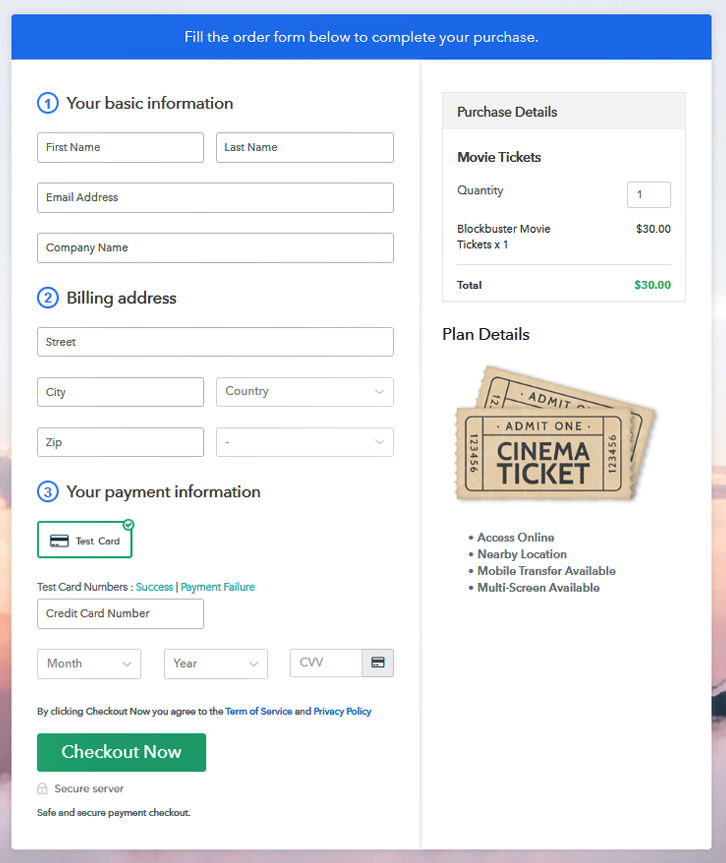
Once payment is successfully processed, the final technical steps deliver your tickets:
-
Order Confirmation: An immediate confirmation page is displayed, summarizing your purchase. This data is stored in the platform’s backend database, linked to your user account (if applicable).
-
Email Confirmation: A detailed confirmation email, often containing a unique QR code or barcode, is sent to your registered email address. This email is generated by an automated email service integrated with the ticketing system.
-
App-Based Tickets: If using a cinema-specific app, your tickets are often stored directly within the app under a “My Tickets” or “Upcoming” section. These digital tickets typically feature dynamic QR codes that can be refreshed for added security or linked to specific showtimes.
-
Cinema Entry Systems: At the cinema, specialized scanning devices (often handheld or integrated into turnstiles) are used to read the QR code or barcode on your digital ticket (from your phone or printout). These scanners are connected to the cinema’s ticketing management system, which validates the ticket against the database, confirming its authenticity and ensuring it hasn’t been used before. This seamless integration between your digital ticket and the physical entry point is a testament to modern ticketing technology.
Maximizing Your Online Ticketing Experience with Tech
Beyond the basic purchase, several technological features and best practices can significantly enhance your online movie-going journey.
Leveraging App-Exclusive Features
Cinema apps, in particular, often offer advanced functionalities that go beyond simple ticket purchasing:
-
Pre-ordering Concessions: Many apps allow you to pre-order popcorn, drinks, and snacks for pickup at a designated counter or even for delivery to your seat. This integrates the ticketing system with the cinema’s point-of-sale and inventory management systems, creating a truly end-to-end digital experience.
-
VIP Programs and Exclusive Content: Apps are often the primary interface for managing loyalty points, accessing member-only screenings, discounts, and exclusive behind-the-scenes content.
-
Push Notifications: With user consent, apps can send targeted push notifications about new movie releases, upcoming showtimes, special offers, or even reminders for your booked show, leveraging location services for relevant local alerts.
-
Calendar Integration: Many platforms offer one-click integration with your device’s calendar, adding your movie showtime directly to your schedule with all the relevant details and reminders.
Troubleshooting Common Technical Issues
Even with robust technology, occasional glitches can occur. Knowing how to troubleshoot common issues can save frustration:
-
Payment Failures: If a payment fails, double-check card details, ensure sufficient funds, and verify internet connectivity. The payment gateway might have declined the transaction due to a security flag. Trying a different payment method or contacting your bank can often resolve this.
-
App Crashes or Slow Loading Times: This might be due to a poor internet connection, an outdated app version, or a full device cache. Restarting the app, clearing its cache, or reinstalling it can often fix these performance issues.
-
Ticket Not Received: Check your email spam folder. If still not found, log into your account on the platform; digital tickets are almost always accessible there. If the issue persists, contact the platform’s customer support immediately, providing your transaction details. Their support teams have direct access to the backend order fulfillment systems.
-
Browser Compatibility: Ensure you are using a modern, updated web browser (Chrome, Firefox, Edge, Safari). Older browsers may lack support for newer web technologies, leading to display or functionality issues.
Accessibility Features and Inclusivity
Modern online ticketing platforms increasingly incorporate accessibility features, adhering to standards like WCAG (Web Content Accessibility Guidelines):
-
Screen Reader Compatibility: Websites and apps are designed to be navigable by screen readers, allowing visually impaired users to access information and complete purchases. This involves proper HTML semantic structure and ARIA (Accessible Rich Internet Applications) attributes.
-
Closed Captioning/Audio Description Filters: Some platforms allow users to filter showtimes by availability of closed captions, subtitles, or audio descriptions for specific screenings, catering to hearing-imimpaired and visually impaired audiences.
-
Accessible Seating Information: Interactive seat maps can clearly indicate wheelchair-accessible seats or companion seats, allowing users to choose appropriate seating for their needs.
-
Adjustable Text Sizes and Contrast: Users can often adjust text sizes and color contrast settings within the app or browser for better readability.
The Future of Movie Ticketing: Emerging Technologies
The landscape of online ticketing is constantly evolving, with new technologies promising even more personalized, secure, and integrated experiences.
AI-Powered Personalization
Artificial Intelligence is set to play an even more significant role. Current recommendation engines are good, but future AI will offer:
-
Hyper-Personalized Recommendations: Beyond genre, AI could analyze viewing habits (e.g., preference for specific directors, actors, or even critical reception scores), biometric data (with user consent), and social media activity to offer highly accurate movie and showtime suggestions.
-
Dynamic Pricing: AI algorithms could optimize ticket pricing based on demand, time of day, weather, and even individual user profiles, although this raises ethical considerations.
-
Predictive Analytics for Showtimes: Cinemas could use AI to predict demand for certain films or showtimes, optimizing their scheduling and staffing.
Blockchain and NFTs for Ticketing
Blockchain technology offers intriguing possibilities for enhanced security and combating fraud:
-
Immutable Records: Tickets as NFTs (Non-Fungible Tokens) on a blockchain would create an immutable record of ownership, making counterfeiting virtually impossible.
-
Secure Resale Markets: Smart contracts could govern ticket resales, allowing for legitimate secondary markets with transparent pricing and preventing scalping by enforcing maximum resale prices or ensuring a portion of the resale goes back to the artist/venue.
-
Enhanced Loyalty Programs: Blockchain could power transparent, transferable loyalty points that users truly own and control.
Virtual and Augmented Reality Integration
VR and AR could transform the pre-booking experience:
-
Immersive Cinema Previews: Imagine “walking” through a virtual representation of the cinema hall before booking, getting a feel for the seat’s view, or even experiencing a short VR preview of the movie’s setting.
-
Augmented Reality Navigation: AR apps could guide users from the cinema entrance directly to their seat, overlaying directions onto the real world.
-
Interactive Marketing: AR filters could allow users to interact with movie characters or scenes from upcoming films directly through the ticketing app, enhancing engagement.

Conclusion: The Seamless Cinematic Journey Enabled by Tech
The ability to order movie tickets online is a testament to how technology has revolutionized mundane tasks into seamless, efficient, and often enjoyable experiences. From the intricate API integrations that power aggregator platforms to the robust encryption safeguarding your financial transactions, every step of the process is underpinned by sophisticated digital architecture. As we look to the future, emerging technologies like AI, blockchain, and AR promise to further enhance this journey, making the act of securing your cinematic escape even more intuitive, personalized, and secure. Embracing these technological advancements not only simplifies our lives but also opens up a world of possibilities for how we interact with and experience entertainment. The digital box office isn’t just a convenience; it’s a meticulously engineered gateway to the magic of the movies.
aViewFromTheCave is a participant in the Amazon Services LLC Associates Program, an affiliate advertising program designed to provide a means for sites to earn advertising fees by advertising and linking to Amazon.com. Amazon, the Amazon logo, AmazonSupply, and the AmazonSupply logo are trademarks of Amazon.com, Inc. or its affiliates. As an Amazon Associate we earn affiliate commissions from qualifying purchases.