
Opening a small business is often portrayed as an exercise in creativity or a leap of faith, but from a pragmatic standpoint, it is a complex financial maneuver. While a great product or service is necessary, the primary reason small businesses fail isn’t a lack of passion; it is a lack of capital or poor financial management. To navigate the transition from a concept to a sustainable enterprise, an entrepreneur must view their business through a financial lens. This guide focuses on the “Money” niche, detailing the essential financial structures, funding strategies, and fiscal management techniques required to launch and sustain a successful small business.
Securing Capital: Navigating the Landscape of Business Funding
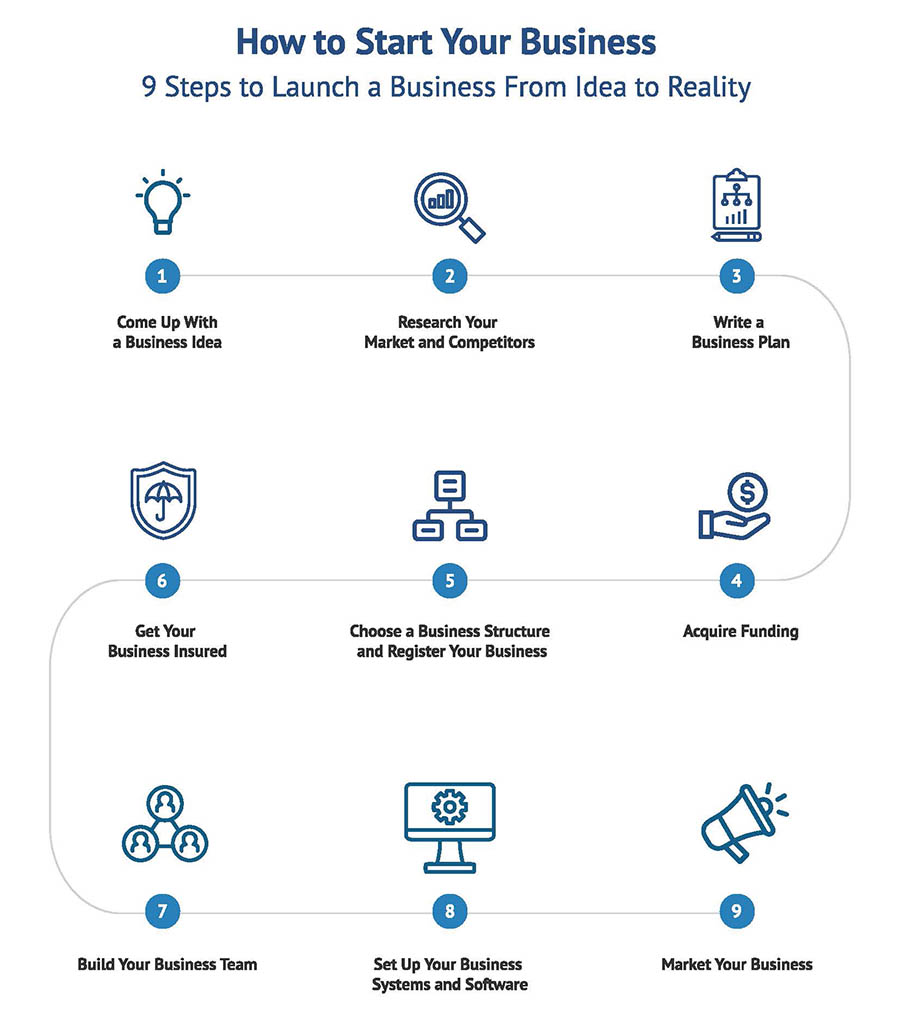
The first hurdle for any aspiring business owner is the acquisition of capital. Without sufficient funding, even the most innovative ideas remain stagnant. Understanding where your initial investment will come from and what that capital costs is the foundation of your business’s financial health.
Bootstrapping vs. External Investment
Bootstrapping, or self-funding, is the practice of starting a business using personal savings and initial revenue. The primary advantage of bootstrapping is the retention of 100% equity and control. From a financial perspective, it forces a lean operation, which can lead to higher long-term margins. However, the downside is the high personal risk and the potential for slow growth due to limited resources.
On the other hand, external investment—whether through angel investors or venture capital—provides a significant cash injection that can accelerate growth. The trade-off is equity. In the “Money” niche, this is viewed as a high-stakes calculation: is the portion of the company you are giving away worth the speed and scale the investment provides?
Understanding SBA Loans and Commercial Credit
For many small businesses, traditional debt is the most viable path. The Small Business Administration (SBA) offers various loan programs, such as the 7(a) and 504 loans, which are designed to reduce risk for lenders and provide better terms for entrepreneurs. Securing these loans requires a stellar credit profile and a comprehensive business plan that demonstrates a clear path to repayment. Commercial credit lines are another essential tool, providing a revolving source of funds to manage inventory or bridge gaps in accounts receivable.
Leveraging FinTech for Early-Stage Capital
The rise of Financial Technology (FinTech) has democratized access to capital. Platforms offering peer-to-peer (P2P) lending, invoice financing, and merchant cash advances provide alternatives to traditional banks. While these options often come with higher interest rates, their speed and accessibility can be crucial for businesses that need to seize a market opportunity quickly. It is essential to conduct a cost-benefit analysis of these high-interest instruments to ensure they don’t erode your future profitability.
Financial Infrastructure: Setting the Stage for Scalable Operations
Before the first sale is ever made, a business must establish a robust financial infrastructure. This isn’t just about “keeping the books”; it’s about creating a system that optimizes tax liability, protects personal assets, and provides real-time data for decision-making.
Establishing Business Entities for Tax Optimization
The legal structure of your business has profound financial implications. A Sole Proprietorship is the simplest to set up but offers no protection against personal liability. Conversely, forming an LLC (Limited Liability Company) or an S-Corp can provide significant tax advantages. For instance, an S-Corp allows owners to be treated as employees, potentially saving thousands in self-employment taxes. Choosing the right entity is a strategic financial move that should be discussed with a tax professional to maximize take-home income.
Implementing Robust Accounting and Bookkeeping Systems
A small business cannot be managed by looking at a bank balance. It requires sophisticated accounting systems—such as QuickBooks, Xero, or FreshBooks—that track every dollar. Modern bookkeeping involves more than recording transactions; it involves classifying expenses for tax deductions and generating financial statements like Profit and Loss (P&L) reports, Balance Sheets, and Cash Flow Statements. These documents are the “medical records” of your business, used to diagnose problems before they become terminal.
Cash Flow Management: The Lifeblood of Small Business
Cash flow is distinct from profit. A business can be profitable on paper while being completely broke in the bank. Managing the “cash conversion cycle”—the time it takes to turn an investment in inventory or labor back into cash—is critical. This involves negotiating favorable terms with vendors (to delay outflows) and incentivizing quick payments from customers (to accelerate inflows). Without proactive cash flow management, a growing business can “grow itself into bankruptcy.”
Budgeting and Financial Planning for the First Year
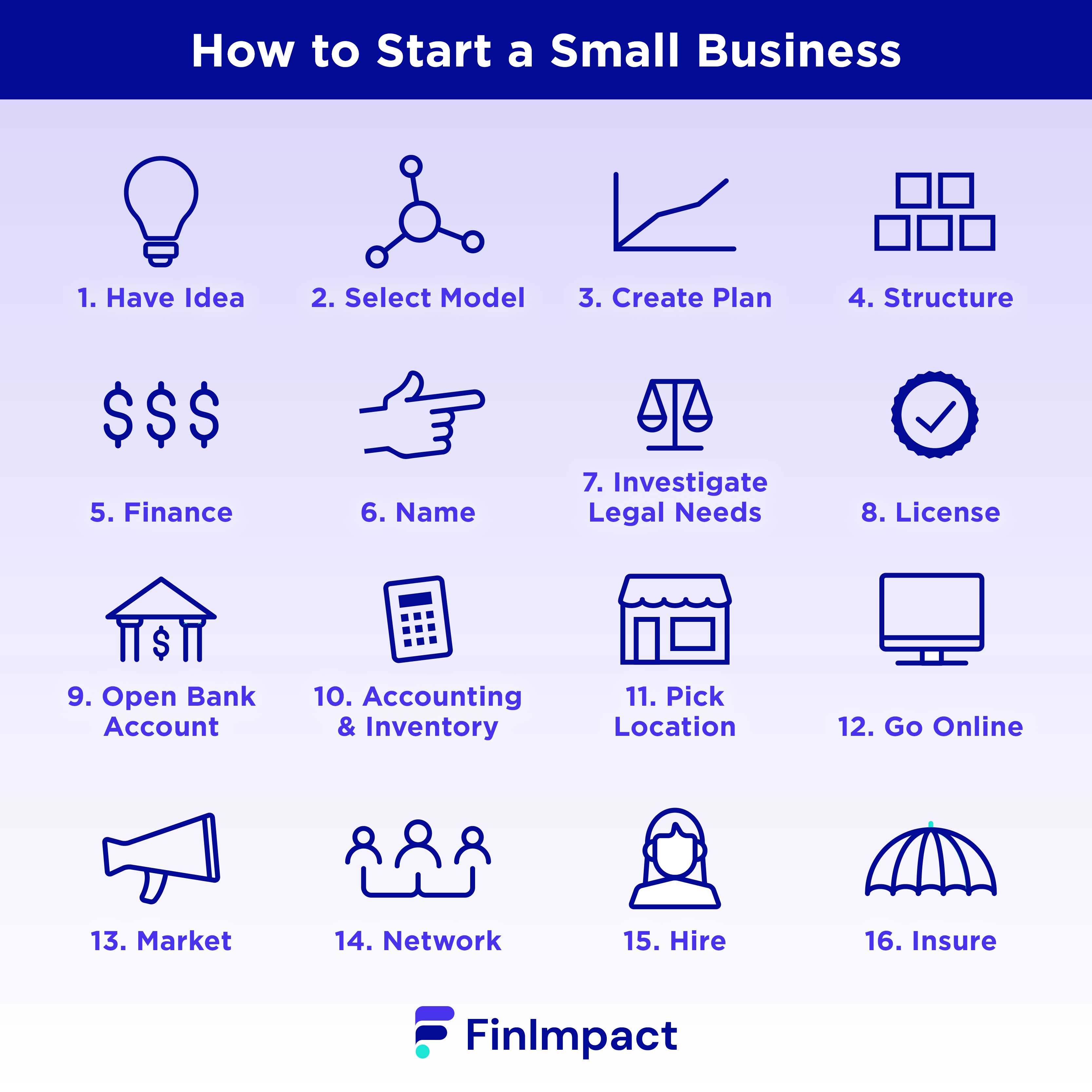
The first twelve months of a business are the most volatile. A disciplined approach to budgeting can mean the difference between survival and closure. Financial planning involves projecting both the costs to get started and the ongoing “burn rate.”
Estimating Startup Costs and Burn Rates
Startup costs are one-time expenses required to open your doors: permits, equipment, initial inventory, and legal fees. Once open, you face the “burn rate”—the amount of money the company loses each month before it reaches break-even. In the “Money” niche, a conservative entrepreneur usually prepares for a 6-to-12-month burn period. Underestimating these costs is a primary reason for early-stage failure.
Creating a Realistic Revenue Forecast
Forecasting revenue is an art backed by data. It requires analyzing market size, competitor pricing, and historical sales trends in your industry. A professional financial plan includes three scenarios: Conservative, Likely, and Aggressive. By planning for the conservative “worst-case” scenario, you ensure that your business remains solvent even if sales are slower than anticipated.
Building an Emergency Reserve Fund
Just as individuals need an emergency fund, businesses need a capital reserve. This fund should ideally cover 3–6 months of operating expenses. This “financial moat” protects the business against unforeseen economic downturns, supply chain disruptions, or sudden equipment failures. Having this liquid capital on hand prevents you from having to take out predatory, high-interest loans during a crisis.
Revenue Streams and Profitability Strategies
Opening a business is about generating wealth, which requires a focus on high-margin revenue and diversified income streams. How you price your products and how you scale your sales dictates your long-term financial health.
Diversifying Income Sources
Relying on a single product or a single client is a financial risk. Small businesses should look for ways to create “sticky” revenue. This could involve subscription models, service contracts, or complementary product lines. Diversification stabilizes the income statement and makes the business more attractive to future investors or buyers.
Pricing Models: Balancing Market Share and Margins
Pricing is one of the most powerful levers in business finance. If you price too low, you may capture market share but fail to cover your overhead. If you price too high, you may have great margins but no customers. A “Value-Based” pricing strategy focuses on the perceived value to the customer rather than just the cost of goods sold. Understanding your Contribution Margin—the amount each sale contributes to covering fixed costs—is essential for setting prices that ensure profitability.
Tax Compliance and Financial Risk Management
The final pillar of opening a small business is protecting what you’ve built. This involves navigating the complexities of the tax code and mitigating risks that could lead to financial ruin.
Understanding Your Tax Obligations
Small business owners are responsible for a variety of taxes: federal income tax, state tax, payroll tax, and sales tax. Failure to remit payroll or sales taxes is a federal offense and can lead to immediate closure. Implementing a system to “set aside” a percentage of every dollar earned for taxes is a non-negotiable financial habit. Furthermore, understanding deductible business expenses can significantly lower your taxable income, effectively increasing your net profit.
Mitigating Risk through Insurance and Contingency Planning
Financial risk management involves identifying potential threats to the business’s capital. General liability insurance, professional indemnity insurance, and workers’ compensation are standard requirements. Additionally, a “Buy-Sell Agreement” is a crucial financial document for businesses with multiple partners; it outlines how a partner’s interest in the company will be valued and purchased if they leave, preventing messy and expensive legal battles.
By treating the launch of a small business as a series of calculated financial decisions, entrepreneurs move away from “hoping for success” toward “planning for profit.” In the world of money, clarity is power. Setting up the right funding, infrastructure, and risk management strategies ensures that the business doesn’t just open—it thrives and grows into a valuable asset.
aViewFromTheCave is a participant in the Amazon Services LLC Associates Program, an affiliate advertising program designed to provide a means for sites to earn advertising fees by advertising and linking to Amazon.com. Amazon, the Amazon logo, AmazonSupply, and the AmazonSupply logo are trademarks of Amazon.com, Inc. or its affiliates. As an Amazon Associate we earn affiliate commissions from qualifying purchases.