
In the intricate landscape of personal finance, establishing a robust savings foundation is a cornerstone of financial well-being. A savings account isn’t just a place to stash extra cash; it’s a vital tool for achieving short-term goals, building an emergency fund, and safeguarding against unexpected expenses. Among the myriad of financial institutions, Chase Bank stands as one of the largest and most recognized, offering a suite of banking products designed to cater to diverse financial needs. For many, navigating the process of opening a new account can seem daunting, but with the right guidance, it’s a straightforward path to securing your financial future. This comprehensive guide will walk you through everything you need to know about opening a savings account with Chase Bank, from understanding your options to managing your new account effectively.

Why Choose Chase for Your Savings?
Selecting the right bank for your savings is as important as the act of saving itself. Chase Bank, with its extensive network and wide array of services, presents compelling reasons for individuals to entrust them with their financial aspirations. Understanding these advantages can help you confirm if Chase is the ideal partner for your savings journey.
A Legacy of Trust and Innovation
Chase Bank, a subsidiary of JPMorgan Chase & Co., boasts a history spanning over two centuries. This long-standing presence in the financial industry has cultivated a deep sense of trust and reliability among its millions of customers. Over the years, Chase has consistently adapted to the evolving financial landscape, integrating innovative technologies while maintaining a commitment to customer service. This blend of tradition and forward-thinking ensures that customers benefit from both established security and modern convenience, providing peace of mind knowing your funds are with a reputable and progressive institution.
Diverse Savings Account Options
One size rarely fits all, especially in personal finance. Chase understands this, offering a variety of savings account options designed to meet different customer profiles and financial goals. From standard savings accounts to specialized options for young savers or those looking for higher yields, Chase provides flexibility. Their primary savings product, often referred to as a standard savings account, serves as an excellent starting point for most individuals, offering competitive interest rates and easy access to funds. Additionally, they frequently offer promotional rates or specific accounts tailored to unique needs, which we will explore further in the preparation section. This diversity allows you to choose an account that genuinely aligns with your specific savings objectives and financial habits.
Integrated Banking Experience
For many, banking isn’t just about a single account; it’s about a comprehensive financial ecosystem. Chase excels in providing an integrated banking experience, especially for customers who also maintain checking accounts, credit cards, or investment products with them. This integration means seamless transfers between accounts, consolidated statements, and a unified platform for managing all your financial dealings. Such an experience simplifies budgeting, tracking expenses, and optimizing your overall financial strategy, making it incredibly convenient for customers who prefer to keep their financial life under one roof. The synergy between different Chase products often leads to waived fees, enhanced rewards, and personalized financial insights, adding significant value to your banking relationship.
Essential Preparations Before You Apply
Before you embark on the application process, taking a few preparatory steps can streamline the experience and ensure you choose the best account for your needs. This involves understanding eligibility, gathering necessary documentation, and familiarizing yourself with the different account types Chase offers.
Eligibility Requirements
Like all financial institutions, Chase Bank has specific criteria that applicants must meet to open an account. Generally, you must be at least 18 years old to open an individual savings account. For minors, joint accounts with an adult or specific youth savings accounts are usually available. Applicants must typically be U.S. citizens or resident aliens with a valid Social Security Number (SSN) or Individual Taxpayer Identification Number (ITIN). Furthermore, Chase will conduct a background check, which may include reviewing your banking history through services like ChexSystems, to assess your eligibility and ensure you haven’t had issues with previous bank accounts. A positive banking history is crucial for a smooth approval process.
Documents You’ll Need
Having the correct documents readily available will significantly expedite your application. Whether applying online or in person, you’ll generally need to provide:
- Proof of Identity: A valid, government-issued photo ID such as a driver’s license, state ID card, or passport. The ID must be current and not expired.
- Proof of Address: Documents showing your current residential address, such as a utility bill, lease agreement, or another official document mailed to you at your address. This is often required if your photo ID does not display your current address.
- Social Security Number (SSN) or Individual Taxpayer Identification Number (ITIN): This is essential for tax reporting purposes and for identity verification.
- Initial Deposit: While not a document, you’ll need funds for your initial deposit to open the account. Chase typically has a minimum opening deposit for savings accounts, which can vary.
It’s advisable to check Chase’s official website or speak with a representative for the most current and specific requirements, as they can sometimes vary based on state or specific account promotions.
Understanding Account Types
Chase offers a range of savings products, and understanding their nuances is key to selecting the best fit.
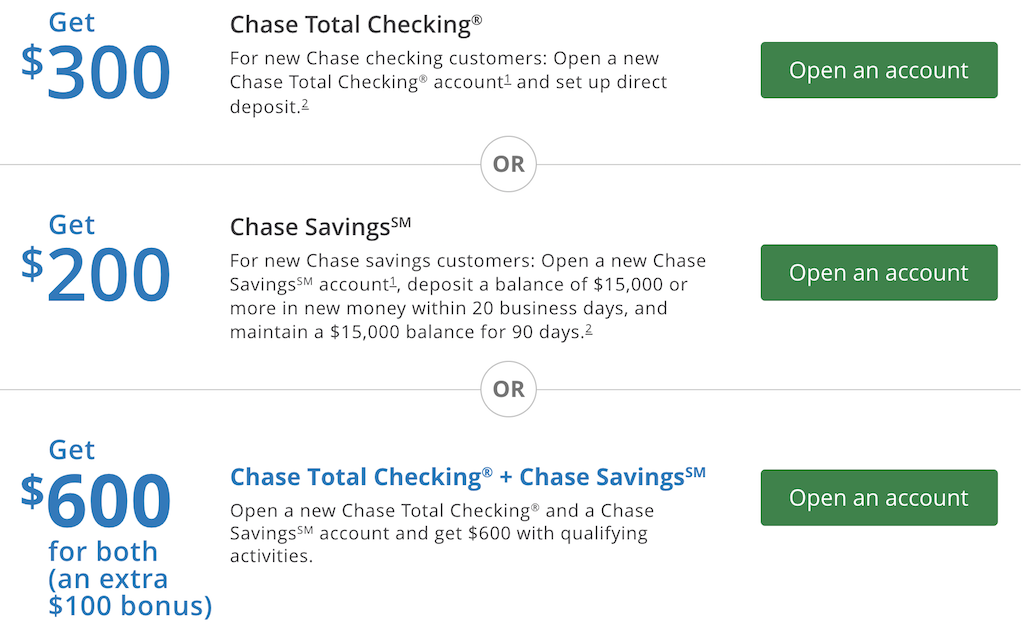
- Chase Savings℠ Account: This is the most common and accessible option, suitable for most individuals looking to start saving. It typically features a low minimum balance requirement to avoid monthly service fees, offers interest on your deposits, and provides convenient access through online banking and ATMs.
- Chase Premier Savings℠ Account: This account is designed for customers who can maintain higher balances and often comes with slightly better interest rates or waived fees if linked to a Chase Premier Plus Checking℠ or Chase Sapphire℠ Checking account. It’s ideal for those with substantial savings who can meet the higher balance requirements.
- Chase High School Checking & Savings / Chase College Checking & Savings: These specialized accounts cater to younger demographics, often featuring no monthly service fees for a specified period and educational resources. They are an excellent way for students to begin their financial journey with parental guidance.
Carefully review the features, minimum balance requirements, and any associated fees for each account type to make an informed decision that aligns with your financial capacity and savings objectives.
Step-by-Step Guide to Opening Your Account
With your preparations complete, you’re ready to open your Chase savings account. Chase provides both online and in-branch application options, offering flexibility based on your preference and comfort level.
Online Application Process
Opening an account online is often the quickest and most convenient method.
- Visit the Chase Website: Navigate to the official Chase Bank website and locate the “Savings Accounts” section.
- Choose Your Account: Select the specific savings account you wish to open based on your research in the preparation phase.
- Initiate Application: Click on the “Open Account” or “Apply Now” button.
- Provide Personal Information: You’ll be prompted to enter your personal details, including your full name, address, phone number, email, date of birth, and Social Security Number. Ensure all information is accurate and matches your identification documents.
- Review and Consent: Carefully read the terms and conditions, privacy policy, and account disclosures. You’ll need to consent to these digitally.
- Identity Verification: Chase may use third-party services to verify your identity electronically. In some cases, you might be asked to upload scans of your ID.
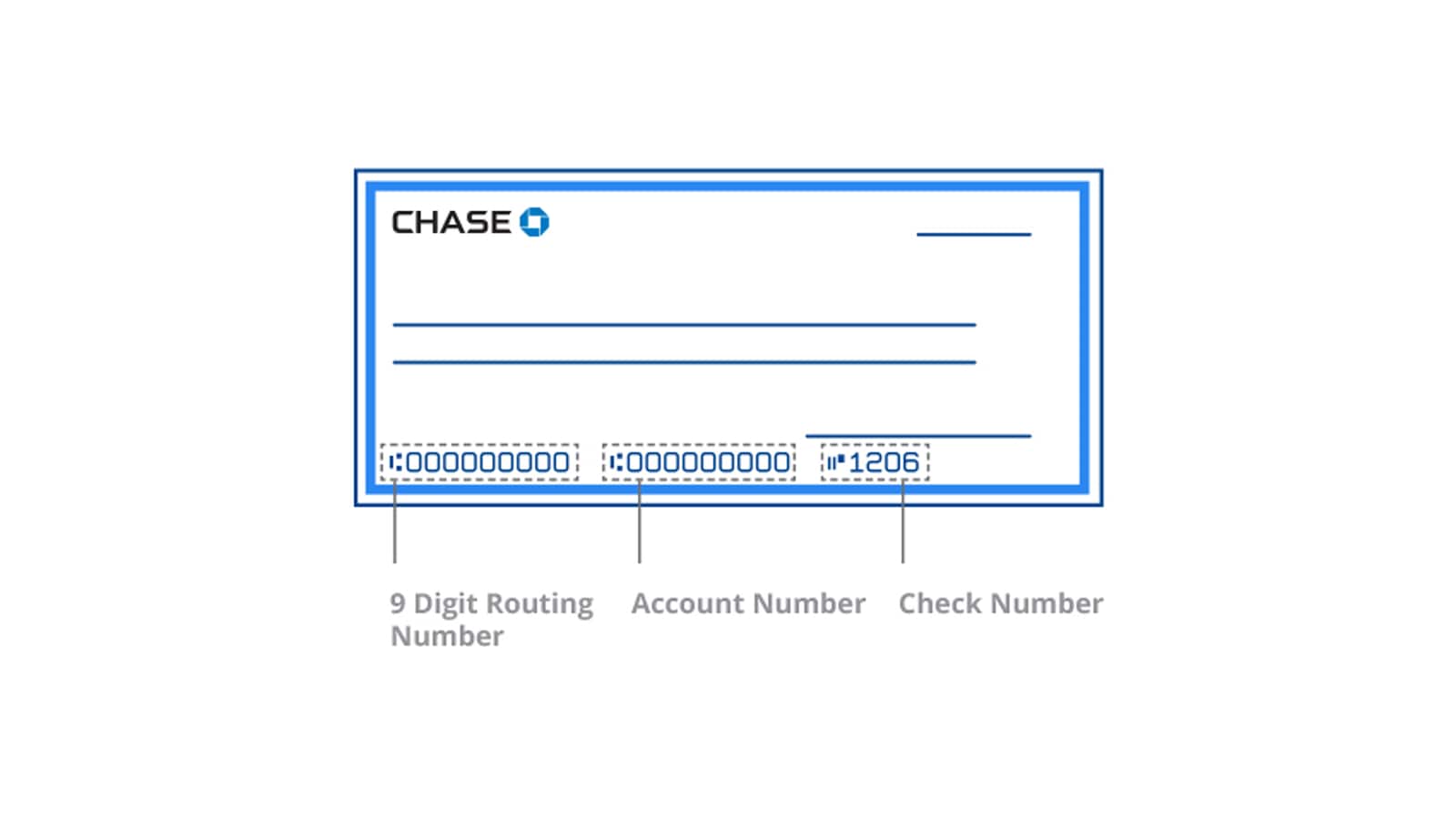
- Fund Your Account: You’ll be prompted to make your initial deposit. This can typically be done by linking an existing bank account via routing and account numbers, using a debit card, or initiating a transfer from another Chase account if you have one.
- Confirmation: Once approved and funded, you’ll receive a confirmation email with your new account details. Your debit card (if applicable) and welcome kit will usually arrive by mail within a few business days.
The entire online process can often be completed in as little as 10-15 minutes, provided all information is readily available.
In-Branch Application Process
For those who prefer a face-to-face interaction or have complex questions, opening an account at a Chase branch is an excellent alternative.
- Locate a Branch: Use the Chase website or mobile app to find the nearest branch location.
- Schedule an Appointment (Optional but Recommended): While walk-ins are usually welcome, scheduling an appointment can minimize wait times and ensure a banking specialist is available to assist you.
- Bring Required Documents: Gather all the documents you identified in the preparation section (photo ID, proof of address, SSN/ITIN, initial deposit funds).
- Meet with a Banker: A Chase representative will guide you through the application forms, explain the account features in detail, and answer any questions you may have. This is an opportune moment to clarify any ambiguities about fees, interest rates, or account management.
- Sign Documents: You will sign physical or digital forms to finalize the account opening.
- Make Initial Deposit: Provide your initial deposit to the banker.
- Receive Account Information: You’ll typically leave the branch with your new account number, temporary checks (if a checking account is also opened), and information on how to set up online banking. Your debit card will be mailed to you.
The in-branch experience offers personalized assistance and immediate answers, which can be invaluable for new customers or those with specific concerns.
Initial Deposit and Funding Your Account
Making your initial deposit is a critical step in activating your new savings account. As mentioned, Chase savings accounts often have a minimum opening deposit, which can be as low as $25 or $50, but sometimes higher for premium accounts. You can fund your account using several methods:
- Electronic Transfer: From an existing bank account (yours or someone else’s, if they are helping you open the account).
- Debit Card: Using a debit card from another bank.
- Cash or Check: For in-branch applications, you can directly deposit cash or a check.
- Internal Transfer: If you already have a Chase checking account, you can transfer funds instantly.
Ensure you meet the minimum deposit requirement to avoid any initial fees or delays in activating your account.
Managing Your New Chase Savings Account
Opening the account is just the beginning. Effective management is crucial to maximizing the benefits of your Chase savings account and achieving your financial goals. Chase provides a robust suite of tools and resources to help you stay on track.
Online and Mobile Banking Features
Chase’s digital platforms are at the forefront of modern banking convenience. Once your account is open, setting up online and mobile banking is highly recommended. Through these platforms, you can:
- Monitor Balances and Transactions: Keep a close eye on your savings, track deposits and withdrawals, and review your account history.
- Transfer Funds: Easily move money between your Chase accounts or to external accounts.
- Set Up Alerts: Receive notifications for specific transactions, low balances, or when deposits are made, helping you stay informed.
- Access eStatements: View and download monthly statements digitally, reducing paper clutter and enhancing security.
- Utilize Zelle®: Send and receive money quickly and securely with Zelle®, directly from your Chase app.
These digital tools empower you with 24/7 access to your finances, fostering proactive money management.
Understanding Fees and Interest Rates
While savings accounts are generally straightforward, it’s vital to understand the specifics of your Chase account’s fee structure and interest rate.
- Monthly Service Fees: Chase savings accounts may have a monthly service fee. However, these fees are typically waivable by meeting certain criteria, such as maintaining a minimum daily balance, having qualifying direct deposits, or linking to a specific Chase checking account. Always review these waiver requirements.
- Interest Rates: Savings accounts earn interest, albeit often at modest rates for standard accounts. The interest rate is usually expressed as an Annual Percentage Yield (APY) and can fluctuate. While the primary goal of a savings account isn’t high returns, understanding how interest accrues and is paid (e.g., monthly) is important. For higher balances, consider if a Premier Savings account or a Chase CD might offer a better yield.
- Withdrawal Limits: Federal Regulation D previously limited certain types of withdrawals and transfers from savings accounts to six per monthly statement cycle. While this regulation has been suspended, banks may still impose their own limits. It’s wise to check Chase’s specific policy to avoid potential fees or account conversions if you anticipate frequent withdrawals.
Transparency regarding these elements allows you to manage your account effectively and avoid unexpected charges.
Setting Up Savings Goals and Automation
One of the most powerful features of a savings account is its ability to help you achieve specific financial goals. Chase’s online and mobile banking platforms can facilitate this through:
- Goal Setting Tools: Many digital banking interfaces now include tools that allow you to define savings goals (e.g., “Down Payment,” “Vacation,” “Emergency Fund”) and track your progress toward them.
- Automated Transfers: Set up recurring, automatic transfers from your Chase checking account to your savings account. This “pay yourself first” strategy is incredibly effective, ensuring consistent contributions to your savings without requiring manual effort. You can choose the frequency (weekly, bi-weekly, monthly) and amount that fits your budget.
- Round-Up Programs: Some banks offer programs where debit card purchases are rounded up to the nearest dollar, and the difference is transferred to your savings. While Chase may not always have a direct “round-up” for savings, linking to a checking account and performing transfers to achieve a similar outcome is possible.
By automating your savings, you remove the temptation to spend money that should be saved, making your financial goals more attainable.
Maximizing Your Savings Potential with Chase
Beyond simply opening and managing your savings account, there are strategies and additional products within the Chase ecosystem that can help you amplify your savings potential and build a more robust financial future.
Linking to Chase Checking Accounts
As touched upon earlier, integrating your Chase savings account with a Chase checking account offers significant advantages. Primarily, this allows for seamless, instant transfers between accounts, providing quick access to funds when needed while keeping your savings separate for disciplined growth. Moreover, linking accounts can often help you meet the minimum balance requirements to waive monthly service fees on both accounts, saving you money. For customers with higher balances, linking to premium checking accounts like Chase Premier Plus Checking or Chase Sapphire Checking can unlock access to the Chase Premier Savings account with potentially better interest rates and additional benefits. This synergy streamlines your banking experience and can lead to financial efficiencies.
Exploring Additional Financial Products
Chase offers a comprehensive suite of financial products, and exploring these can further enhance your financial strategy.
- Certificates of Deposit (CDs): For funds you don’t need immediate access to, Chase CDs offer fixed interest rates that are typically higher than standard savings accounts. They come with various term lengths, allowing you to lock in a rate for a specific period and potentially earn more on your savings.
- Investment Accounts: If your savings goals extend to long-term wealth building, Chase offers investment services through J.P. Morgan Wealth Management. Moving beyond basic savings into diversified investments can significantly increase your earning potential over time, though it comes with higher risk.
- Credit Cards: Utilizing Chase credit cards responsibly can build your credit score, which is crucial for future financial endeavors like loans or mortgages. Some Chase credit cards also offer cash back or rewards that can indirectly contribute to your financial health.
Considering these additional products can help you create a holistic financial plan tailored to your evolving needs.
Leveraging Chase’s Financial Tools and Resources
Chase provides its customers with various tools and educational resources aimed at fostering financial literacy and smart money management.
- Financial Education Resources: Chase’s website often features articles, guides, and videos on topics like budgeting, saving tips, investing basics, and credit management. Regularly reviewing these resources can provide valuable insights to improve your financial acumen.
- Budgeting Tools: While not always embedded directly into the savings account interface, Chase’s online banking platform or linked third-party apps can help you create and stick to a budget, which is fundamental to consistent saving.
- Customer Service: Should you have questions or encounter issues, Chase’s customer service channels (phone, chat, in-branch) are readily available. Leveraging these resources ensures you always have support as you navigate your financial journey.
By actively engaging with these tools and resources, you can not only manage your savings account effectively but also continually enhance your overall financial intelligence and decision-making capabilities.
Opening a savings account with Chase Bank is a significant step towards securing your financial future. By understanding the options available, preparing thoroughly, navigating the application process with confidence, and actively managing your account, you can effectively leverage Chase’s robust banking services to achieve your personal finance goals. Remember, consistent saving, combined with smart banking choices, paves the way for greater financial stability and peace of mind.
aViewFromTheCave is a participant in the Amazon Services LLC Associates Program, an affiliate advertising program designed to provide a means for sites to earn advertising fees by advertising and linking to Amazon.com. Amazon, the Amazon logo, AmazonSupply, and the AmazonSupply logo are trademarks of Amazon.com, Inc. or its affiliates. As an Amazon Associate we earn affiliate commissions from qualifying purchases.