
The phrase “getting a tax return” often conjures images of a welcome refund check arriving in the mail or a direct deposit hitting your bank account. While that’s a delightful outcome for many, the “tax return” itself technically refers to the official documentation you submit to tax authorities, detailing your income, expenses, and other financial information for a specific tax year. It’s a fundamental aspect of personal finance, a civic duty, and often a gateway to significant financial benefits. Navigating the world of taxes can seem daunting, but with a clear understanding of the process, available resources, and strategic planning, you can ensure a smooth and financially optimal experience.

This guide will demystify the process of “getting a tax return” – from understanding its core purpose to choosing the right filing method, preparing your documents, and even making smart decisions with any resulting refund or payment due.
Demystifying the “Tax Return” and Why It Matters
Before diving into the mechanics, it’s crucial to clarify what a tax return is and why its annual completion is a cornerstone of responsible financial management.
Understanding What a Tax Return Truly Is
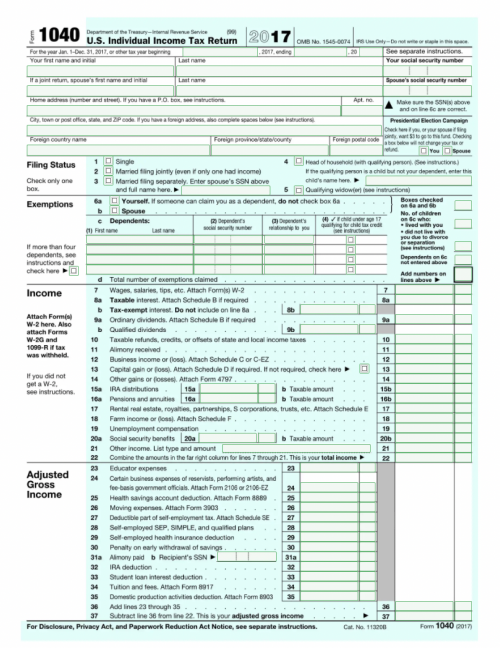
At its heart, a tax return is a formal report submitted to government tax agencies (like the IRS in the United States) that declares your taxable income, calculates your tax liability, and determines whether you are owed a refund or owe additional taxes. It’s a summary of your financial year, encompassing earnings from employment, investments, self-employment, and various other sources, alongside deductions and credits that can reduce your overall tax burden.
For most individuals, the goal is often to receive a “tax refund,” which occurs when you’ve paid more in taxes throughout the year (through payroll withholdings or estimated tax payments) than your actual tax liability. This refund isn’t free money; it’s simply your own money being returned to you by the government. Conversely, if you’ve paid less than your liability, you’ll owe additional taxes. The act of filing the return is what triggers either outcome.
The Mandate and Benefits of Filing Annually
Filing a tax return is not just a suggestion; for most working adults and entities, it’s a legal obligation. Even if you believe you don’t owe any taxes or expect a refund, there are compelling reasons to file:
- Legal Compliance: The most straightforward reason is to comply with tax laws. Failure to file, particularly if you owe taxes, can result in significant penalties, interest charges, and even legal repercussions.
- Claiming a Refund: If too much tax was withheld from your paychecks or paid through estimated taxes, you are entitled to get that money back. The only way to claim it is by filing a tax return.
- Accessing Tax Credits: Many valuable tax credits, designed to support specific financial situations (e.g., child tax credit, earned income tax credit, education credits), are refundable, meaning they can result in a refund even if you had no tax liability. You must file to receive them.
- Building Social Security Credits: Your income reported on your tax return contributes to your Social Security earnings record, which determines your eligibility and benefit amount in retirement.
- Applying for Financial Aid: If you or your dependents plan to apply for federal student aid, your tax information will be a crucial component of the Free Application for Federal Student Aid (FAFSA).
- Obtaining a Loan: Lenders often request copies of previous tax returns to verify income when you apply for mortgages, car loans, or other forms of credit.
- Proof of Income for Other Programs: Many government benefits or assistance programs require proof of income, which your filed tax return can provide.
Gathering Your Financial Arsenal: Essential Documents
The foundation of an accurate tax return lies in having all your relevant financial documents organized and at your fingertips. Procrastination here is your enemy; gathering these items systematically will save you time, stress, and potential errors.
Income Verification: W-2s, 1099s, and More
Your primary focus should be on documents that report your income. These forms are typically mailed to you by your employers, banks, investment firms, and other payers by late January.
- Form W-2, Wage and Tax Statement: This is for employees and reports your annual wages and the amount of tax withheld from your paychecks. You should receive one from each employer you worked for during the tax year.
- Form 1099-NEC, Nonemployee Compensation: For independent contractors, freelancers, or anyone paid more than a certain threshold (typically $600) for services rendered, this form reports your gross earnings.
- Form 1099-MISC, Miscellaneous Information: Reports various types of miscellaneous income, such as rents, royalties, or awards.
- Form 1099-INT, Interest Income: If you earned more than $10 in interest from a bank account, CD, or other sources, you’ll receive this.
- Form 1099-DIV, Dividends and Distributions: Reports dividends and capital gain distributions from stocks, mutual funds, and other investments.
- Form 1099-B, Proceeds From Broker and Barter Exchange Transactions: Details sales of stocks, bonds, and other securities.
- Form 1099-R, Distributions From Pensions, Annuities, Retirement or Profit-Sharing Plans, IRAs, Insurance Contracts, etc.: If you received distributions from retirement accounts, this form is essential.
- Form SSA-1099, Social Security Benefit Statement: Reports benefits received from Social Security.
- Schedule K-1 (Form 1065/1120S): For partners in a partnership or shareholders in an S corporation, detailing your share of income, losses, and deductions.
- Any other income statements: Including gambling winnings (W2-G), unemployment compensation (1099-G), or income from rental properties.
Identifying Potential Deductions and Credits
These are the elements that can significantly reduce your taxable income or your tax liability directly. Knowing what you qualify for can make a substantial difference in your refund or amount owed.
- Mortgage Interest Statement (Form 1098): For homeowners, reports the interest paid on your mortgage.
- Student Loan Interest Statement (Form 1098-E): For those paying student loan interest.
- Tuition Statements (Form 1098-T): For education expenses, crucial for education credits.
- Medical Expense Records: If you had substantial out-of-pocket medical costs.
- Charitable Contribution Records: Receipts for cash and non-cash donations.
- Child Care Expenses: Records for child and dependent care credits.
- Retirement Contributions: Documentation of contributions to IRAs, HSAs, or other plans.
- State and Local Taxes (SALT): Records of property taxes paid.
- Self-Employment Expenses: Receipts, mileage logs, and other documentation for business expenses if you’re self-employed.
Other Critical Financial Records
- Your Previous Year’s Tax Return: A valuable reference for personal information, prior year’s adjusted gross income (AGI), and carryovers.
- Identity Verification: Your Social Security number (SSN) or Individual Taxpayer Identification Number (ITIN) for yourself and all dependents.
- Bank Account Information: For direct deposit of refunds or direct debit of payments.
- Health Insurance Information: Form 1095-A, B, or C to prove minimum essential coverage (though the penalty for not having insurance is no longer active at the federal level, reporting is still required).
Choosing Your Filing Path: DIY vs. Professional Help
Once your documents are in order, the next critical step is deciding how you will prepare and submit your tax return. Your choice will depend on the complexity of your financial situation, your comfort level with tax forms, and your budget.
Self-Service Solutions: Tax Software and Free File Options
For many taxpayers, especially those with straightforward finances, self-service options offer convenience and cost-effectiveness.
- Commercial Tax Software: Platforms like TurboTax, H&R Block Tax Software, TaxAct, and TaxSlayer guide you step-by-step through the filing process. They are designed to be user-friendly, check for common errors, and help identify potential deductions and credits. Most offer different versions, from free (for very simple returns) to premium (for more complex situations, like self-employment or investment income). They generally support both federal and state filings.
- IRS Free File Program: This program allows eligible taxpayers (typically those with an adjusted gross income below a certain threshold, which changes annually) to prepare and e-file their federal tax returns for free using guided tax preparation software provided by commercial partners. Some partners also offer free state filing. This is a fantastic resource for lower to moderate-income individuals.
- Free Fillable Forms: For those comfortable with tax forms and calculations, the IRS also offers free fillable forms directly on its website. This option provides no guidance or error-checking but is completely free for federal returns, regardless of income.
The Value of a Tax Professional: When to Seek Expert Advice
While DIY methods are popular, there are many scenarios where the expertise of a tax professional is invaluable.
- Complex Financial Situations: If you have multiple income streams (e.g., W-2, self-employment, rental income), significant investments, stock options, foreign income, or intricate deductions, a professional can ensure accuracy and optimize your tax outcome.
- Life Changes: Major life events such as marriage, divorce, birth of a child, buying or selling a home, starting a business, or inheriting assets can drastically alter your tax situation.
- Audits or Tax Issues: If you’ve received a notice from the IRS, are facing an audit, or have unfiled back taxes, a professional can represent you and navigate the complexities.
- Time Constraints or Lack of Confidence: If you simply don’t have the time to dedicate to tax preparation or feel overwhelmed by the process, a professional can alleviate the burden and provide peace of mind.
- Proactive Tax Planning: Beyond just filing, tax professionals can offer year-round advice on tax strategies, investment decisions, and financial planning to minimize your future tax liabilities.
Tax professionals include Certified Public Accountants (CPAs), Enrolled Agents (EAs), and other professional tax preparers. When choosing one, look for credentials, experience, and good reviews, and always inquire about their fees upfront.
The Step-by-Step Filing Process: From Preparation to Submission
Regardless of whether you choose to self-file or hire a professional, the fundamental steps of getting your tax return ready for submission remain consistent.
Preparing Your Return: Accuracy is Key
This stage involves transferring the information from your collected documents onto the appropriate tax forms, either manually or via software.
- Input Personal Information: Start with your name, address, Social Security Number, and similar details for any dependents.
- Report All Income: Systematically enter all income reported on your W-2s, 1099s, and any other income sources. Be thorough; omitting income is a common reason for IRS correspondence.
- Claim Deductions and Credits: This is where careful record-keeping pays off. Input all eligible deductions (which reduce your taxable income) and credits (which directly reduce your tax liability, dollar-for-dollar). Tax software is excellent at prompting you for these.
- Review and Double-Check: Before proceeding, meticulously review every entry. Check for typos, transposed numbers, and ensure all documents have been accounted for. Even a small error can cause delays or trigger an audit. Most software includes an error-checking feature.
Review and E-filing or Mailing
Once satisfied with your preparation, you’re ready to submit.
- E-filing: This is the most popular and recommended method. It’s faster, more accurate (due to built-in error checks), and allows for quicker processing of refunds. Most tax software and professionals offer e-filing directly. You’ll typically need your Adjusted Gross Income (AGI) from your previous year’s tax return to verify your identity for e-filing.
- Mailing: If you prefer, or if e-filing isn’t an option for your specific situation (e.g., certain amended returns), you can print out your completed forms and mail them to the IRS. Ensure you mail to the correct address, include all required schedules and attachments, and consider using certified mail with a return receipt for proof of mailing. Keep a copy for your records.
What Happens After You File? Tracking Your Refund
The process doesn’t end the moment you hit “submit” or drop your envelope in the mail.
- Confirmation: If e-filing, you’ll typically receive an email confirmation from your software provider and then another from the IRS (or state tax agency) confirming acceptance of your return. This can take a few days.
- Tracking Your Refund: For federal refunds, you can use the IRS’s “Where’s My Refund?” tool online or via their mobile app. You’ll need your SSN, filing status, and the exact refund amount. Most refunds for e-filed returns with direct deposit are issued within 21 calendar days. Paper-filed returns take significantly longer.
- Paying Taxes Owed: If you owe taxes, you typically have options to pay directly from your bank account via electronic funds withdrawal (if e-filing), by credit/debit card, or by mailing a check or money order with Form 1040-V (Payment Voucher). Ensure payment is made by the tax deadline to avoid penalties.
Maximizing Your Financial Outcome and Future Planning
Getting a tax return isn’t just about compliance; it’s a vital part of your overall financial strategy. Understanding what your refund means and how to plan for next year can significantly impact your financial health.
Understanding Your Refund: A Windfall or Overpayment?
A tax refund feels great, but it’s important to view it in its true context: it’s money you overpaid the government throughout the year, effectively giving them an interest-free loan. While some people appreciate the forced savings aspect, others prefer to have more of their income in their regular paychecks.
Consider adjusting your W-4 form with your employer to modify your withholdings. If you consistently receive a large refund, you might be having too much withheld. Adjusting it could mean more money in your paychecks throughout the year, which you could then save, invest, or use to pay down debt. Conversely, if you consistently owe a significant amount, you might need to increase your withholdings or make estimated tax payments.
Strategic Use of Your Refund
If you do receive a refund, think strategically about how to use it. It’s an opportunity to give your finances a boost.
- Pay Down High-Interest Debt: This is often the most financially impactful use. Credit card debt, personal loans, or other high-interest obligations can be significantly reduced.
- Build an Emergency Fund: A robust emergency fund (3-6 months of living expenses) is crucial for financial security.
- Invest for the Future: Contribute to an IRA, 401(k), or other investment accounts to grow your wealth over time.
- Make a Down Payment: Save for a down payment on a house, car, or other significant purchase.
- Home Improvements: Invest in repairs or upgrades that add value to your home.
- Education or Skill Development: Invest in yourself through courses or certifications that can boost your career earnings.

Proactive Tax Planning for Next Year
Don’t wait until next tax season to start thinking about your taxes. Proactive planning can lead to better outcomes.
- Keep Excellent Records: Maintain an organized system for all income statements, receipts for expenses, and documentation for potential deductions and credits throughout the year. Digital copies are highly recommended.
- Review Withholdings: Periodically check your W-4 with your employer, especially after major life changes, to ensure your withholdings are appropriate.
- Maximize Retirement Contributions: Contributing to tax-advantaged accounts like 401(k)s and IRAs not only saves for retirement but also reduces your taxable income.
- Understand Tax Law Changes: Tax laws can change annually. Stay informed, or rely on your tax professional to keep you updated.
- Consider Estimated Taxes: If you have significant income from self-employment, investments, or other sources not subject to withholding, you may need to make quarterly estimated tax payments to avoid penalties.
In conclusion, “getting a tax return” is more than just a bureaucratic chore; it’s an annual financial check-up that offers opportunities for refunds, significant savings through deductions and credits, and crucial data for future financial planning. By understanding the process, organizing your documents, choosing the right filing method, and making informed decisions with your results, you can navigate tax season with confidence and leverage it to strengthen your overall financial well-being.
aViewFromTheCave is a participant in the Amazon Services LLC Associates Program, an affiliate advertising program designed to provide a means for sites to earn advertising fees by advertising and linking to Amazon.com. Amazon, the Amazon logo, AmazonSupply, and the AmazonSupply logo are trademarks of Amazon.com, Inc. or its affiliates. As an Amazon Associate we earn affiliate commissions from qualifying purchases.