
In the rapidly evolving landscape of digital finance, the ability to move money seamlessly across borders and platforms has become a fundamental requirement for personal and professional success. PayPal remains a cornerstone of this ecosystem, serving as a bridge between traditional banking and the digital economy. Whether you are looking to streamline your online shopping, launch a freelance career, or manage a growing business, understanding how to effectively set up and utilize a PayPal account is a critical financial milestone.
This guide provides a detailed roadmap for opening a professional PayPal account, categorized by financial intent, while exploring the strategic advantages of integrating this tool into your broader wealth management strategy.
Understanding PayPal’s Role in the Modern Financial Ecosystem
Before diving into the technical steps of registration, it is essential to understand where PayPal sits within your financial portfolio. Unlike a traditional checking account, PayPal functions as a digital wallet and a payment processor, offering layers of security and convenience that standard wire transfers or credit card entries often lack.
Why a Digital Wallet is Essential Today
For the modern consumer, a digital wallet provides a centralized hub for managing multiple funding sources. By linking your bank accounts, debit cards, and credit cards to a single secure platform, you minimize the footprint of your sensitive financial data. Instead of sharing your card details with dozens of online retailers, you share them only with PayPal, which acts as an intermediary. From a personal finance perspective, this reduces the risk of fraud and simplifies the tracking of discretionary spending.
Personal vs. Business Accounts: Choosing the Right Path
One of the most critical decisions you will make during the setup process is choosing between a Personal and a Business account.
-
Personal Accounts: These are designed for individuals who primarily use the platform for shopping and sending money to friends or family. They offer a simplified interface and are ideal for managing household expenses or receiving small, non-commercial transfers.
-
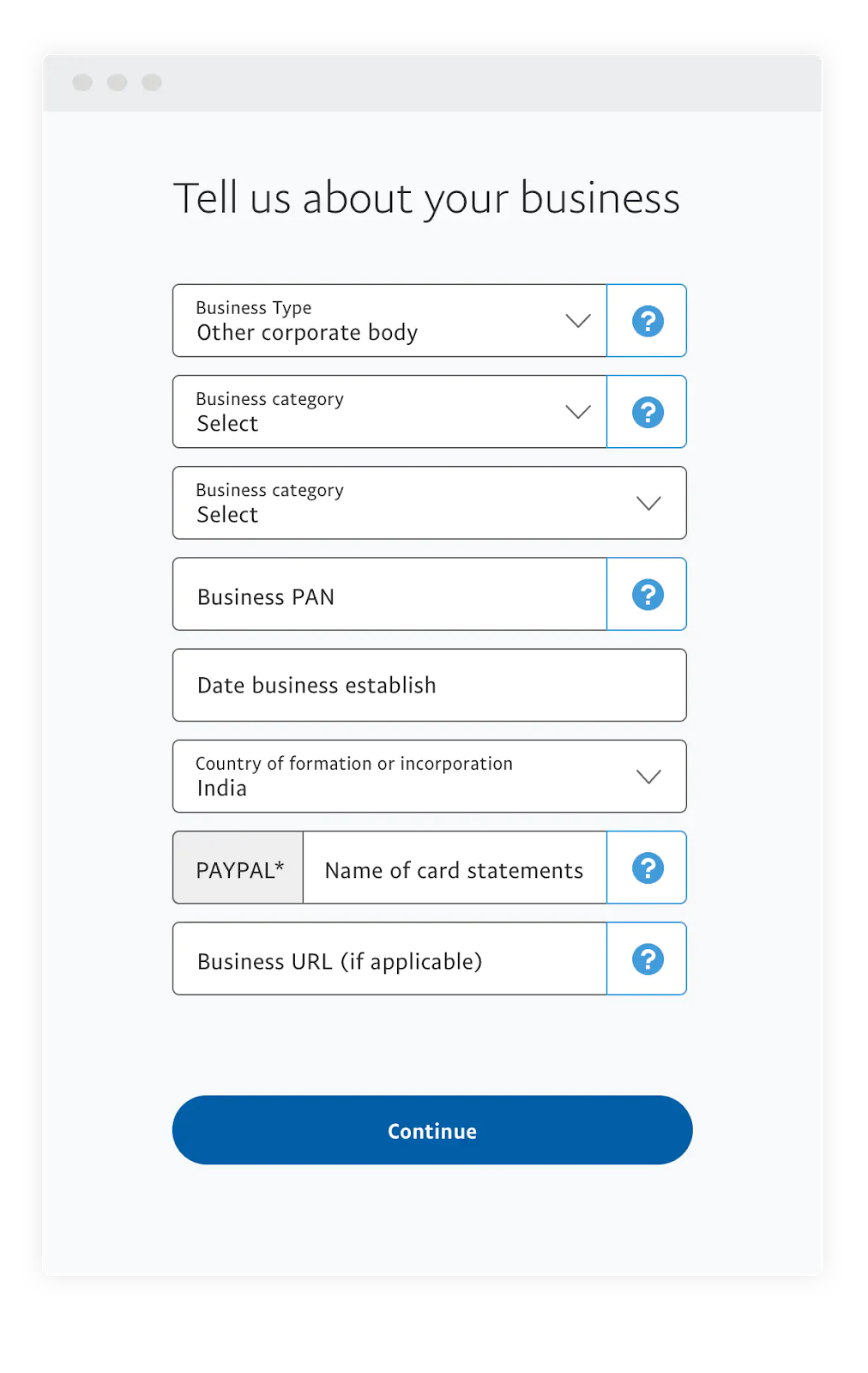
Business Accounts: These are tailored for entrepreneurs, freelancers, and corporate entities. A Business account allows you to operate under a company name, accept credit card payments from customers who do not have PayPal, and grant limited access to employees for bookkeeping purposes. For those focused on building an online income or a side hustle, the Business account provides the professional infrastructure necessary to scale.
Step-by-Step Guide to Setting Up Your PayPal Personal Account
Setting up a Personal account is the most common entry point for users. It requires a balance of personal information and financial verification to ensure compliance with global anti-money laundering (AML) and “Know Your Customer” (KYC) regulations.
Gathering Necessary Documentation
To ensure a smooth registration process, you should have the following information ready:
-
Legal Name: This must match your government-issued identification.
-
Contact Information: A valid email address and a primary phone number.
-
Mailing Address: This will serve as your billing address and must be verified for shipping purposes.
-
Tax Identification: In many jurisdictions, you may eventually be asked for a Social Security Number or equivalent for tax reporting purposes, especially if your transaction volume reaches certain thresholds.
The Registration Process: From Email to Verification
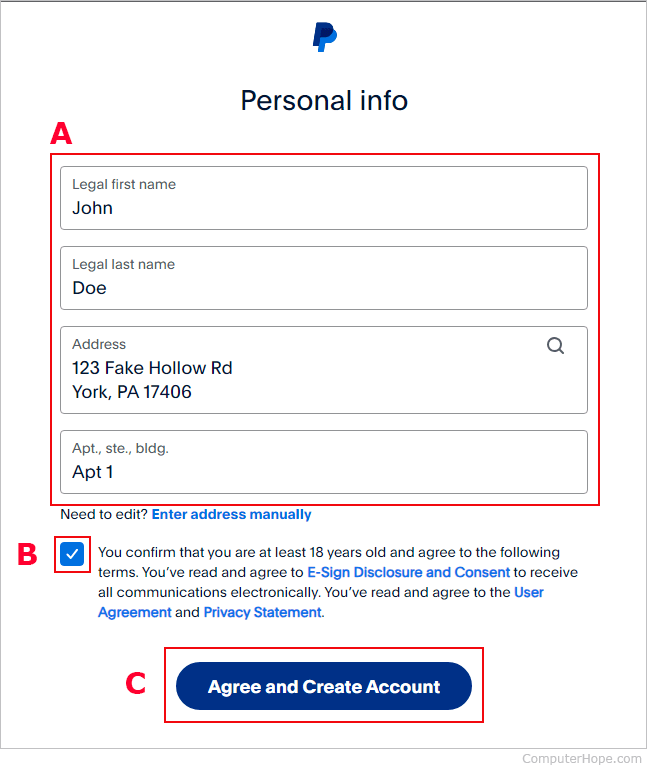
The process begins at the PayPal homepage or via the mobile application. After selecting “Sign Up” and choosing the “Personal Account” option, you will be prompted to enter your phone number. This is a crucial security step, as PayPal uses two-factor authentication (2FA) to protect your funds.
Once your phone number is verified via a text code, you will enter your email and create a strong password. It is highly recommended to use a unique password that is not shared with any other financial or social media accounts. After entering your legal name and address, you will be presented with the user agreement. Reviewing these terms is vital for understanding your rights regarding dispute resolution and buyer protection.
Linking Bank Accounts and Credit Cards Securely
A PayPal account is most effective when it is connected to your broader financial network. You can link a bank account for direct transfers (ACH) or a credit card for immediate purchases. To link a bank account, you will provide your routing and account numbers. PayPal typically verifies this by making two “micro-deposits” (usually a few cents each) to your account. You will then log back into PayPal and enter those amounts to confirm ownership. This verification process is a hallmark of secure financial tools, ensuring that only you can authorize the movement of your capital.
Maximizing Your Financial Potential with a PayPal Business Account
If your goal is to generate online income or manage a professional enterprise, a Business account is the superior choice. It shifts the platform from a simple payment method to a comprehensive financial management suite.
Elevating Your Professionalism
A Business account allows you to send professional invoices that include your company logo and specific terms of service. For freelancers, this level of presentation is essential for building trust with high-value clients. Moreover, when you receive payments, the sender sees your business name rather than your personal legal name, providing a layer of privacy and corporate identity that is crucial for personal branding.
Accepting Payments Globally
One of the primary advantages of a Business account is the ability to accept payments in multiple currencies. PayPal handles the currency conversion, allowing you to reach a global market without needing to set up local bank accounts in every country where you have customers. For those involved in e-commerce or international consulting, this lowers the barrier to entry for global trade significantly.
Managing Cash Flow and Business Expenses
PayPal’s business tools include detailed reporting features that can be integrated into accounting software like QuickBooks or Xero. This makes tax season far more manageable. You can categorize income, track expenses, and even issue refunds directly through the platform. For those looking to manage business finance more aggressively, the PayPal Business Debit Mastercard offers immediate access to your balance, allowing you to reinvest profits into your business without waiting for a bank transfer to clear.
Security Protocols and Financial Best Practices
In the realm of personal finance, security is paramount. Since PayPal acts as a gateway to your primary bank accounts, maintaining rigorous security habits is non-negotiable.
Two-Factor Authentication and Protecting Your Assets
Beyond the initial setup, you should enable biometric login on mobile devices and app-based two-factor authentication (using tools like Google Authenticator or Authy). This ensures that even if your password is compromised, an unauthorized user cannot access your funds without physical possession of your secondary device.
Recognizing and Avoiding Common Financial Scams
As a PayPal user, you may be targeted by phishing emails or “overpayment” scams. Always remember that PayPal will never ask for your password via email. Furthermore, if you are using the platform for business, be wary of customers who ask to use the “Friends and Family” payment option for commercial transactions. While this avoids fees, it also strips away your Seller Protection, leaving you vulnerable to chargebacks and fraud.
Understanding Transaction Fees and Tax Implications
Financial literacy involves understanding the costs of the tools you use. While opening a PayPal account is free, receiving money for goods and services incurs a transaction fee (typically a percentage of the total plus a fixed fee). It is important to factor these costs into your pricing model or personal budget. Additionally, PayPal is required to report certain levels of income to tax authorities (such as the IRS via Form 1099-K). Keeping accurate records of these transactions will prevent surprises during fiscal year-end reporting.
Integrating PayPal into Your Broader Financial Strategy
Once your account is active and secure, you can begin to use it as a strategic asset in your financial life.
Using PayPal for Savings and Goal Tracking
In some regions, PayPal offers high-yield savings accounts or the ability to hold balances in “Goals” categories. While not a replacement for a dedicated investment portfolio, these features can serve as an excellent “sinking fund” for specific purposes, such as an upcoming vacation or a small business equipment upgrade. Keeping these funds separate from your main bank account can help prevent accidental spending.

The Role of PayPal in the Gig Economy
For those pursuing side hustles, PayPal is often the default payment method for platforms like Upwork, eBay, and various affiliate marketing programs. By centralizing your gig economy income into a single PayPal account, you can more easily monitor the ROI of your various projects. You can see at a glance which side hustle is providing the highest net income after fees, allowing you to pivot your time and energy toward the most profitable ventures.
Opening a new PayPal account is more than just a digital registration; it is an entry into a sophisticated world of global finance. By choosing the right account type, prioritizing security, and understanding the underlying financial mechanics, you position yourself to navigate the digital economy with confidence and professional rigour. Whether for personal utility or business growth, your PayPal account serves as a versatile tool in your journey toward financial mastery.
aViewFromTheCave is a participant in the Amazon Services LLC Associates Program, an affiliate advertising program designed to provide a means for sites to earn advertising fees by advertising and linking to Amazon.com. Amazon, the Amazon logo, AmazonSupply, and the AmazonSupply logo are trademarks of Amazon.com, Inc. or its affiliates. As an Amazon Associate we earn affiliate commissions from qualifying purchases.