
Establishing a dedicated business bank account is a foundational milestone for any entrepreneur, moving beyond the informal stages of a side hustle into the realm of structured, professional commerce. Choosing the right institution is a strategic decision that impacts operational efficiency, credit accessibility, and long-term scalability. Chase Bank, as one of the largest financial institutions in the United States, offers a robust ecosystem of business services that cater to everything from solo freelancers to multi-state corporations.
Opening a Chase business account is more than just securing a place to store capital; it is about integrating your business into a network that provides sophisticated payment processing, credit facilities, and digital management tools. This guide explores the nuances of selecting the right account tier, gathering the necessary legal documentation, and navigating the application process to ensure your business is positioned for financial success.
Selecting the Optimal Account Tier for Your Business Needs
Chase offers several distinct tiers of business checking accounts, each designed to align with different stages of business growth and transaction volumes. Selecting the wrong tier can lead to unnecessary fees or a lack of required features, so it is essential to evaluate your current cash flow and projected activity.
Chase Business Complete Banking®
This is the entry-level tier, ideal for small businesses, startups, and sole proprietors. It features a relatively low monthly service fee that can be waived through several methods, such as maintaining a minimum daily balance or linking a Chase Private Client account. A standout feature of this account is the integrated “Chase QuickAccept,” which allows business owners to accept credit card payments through the Chase Mobile app with same-day deposits at no additional cost.
Chase Performance Business Banking®
For mid-sized businesses with higher transaction volumes, the Performance tier offers expanded capabilities. This account typically includes a higher number of no-fee transactions and more generous limits for cash deposits. It also includes professional services such as no-fee incoming wires and two no-fee outgoing domestic wires per month. This tier is suited for businesses that have moved past the initial startup phase and require more frequent movement of capital.
Chase Platinum Business Banking®
Designed for established enterprises with complex financial needs, the Platinum tier provides the highest level of service and the most significant fee waivers. It offers the largest volume of free transactions and cash deposits, along with specialized access to Chase’s premier customer service teams. This account is built for businesses with high liquid balances that want to leverage their relationship with the bank to minimize operational costs.
The Documentation Blueprint: What You Need to Apply
The most common hurdle in opening a business account is the failure to provide the specific legal documentation required by federal “Know Your Customer” (KYC) regulations and internal bank policies. The requirements vary significantly based on your business’s legal structure.
Sole Proprietorships
As the simplest business form, sole proprietors face the fewest hurdles. You will generally need your Social Security Number (SSN) or an Employer Identification Number (EIN), a valid government-issued photo ID, and a “Doing Business As” (DBA) certificate if you are operating under a name other than your legal name.
Limited Liability Companies (LLCs)
For an LLC, the requirements become more rigorous. You must provide your Articles of Organization or Certificate of Formation filed with the state. Additionally, an LLC Operating Agreement is often required to identify the members and managers who have the authority to open accounts and sign on behalf of the company. All owners with a 25% or greater stake must typically provide their personal information and identification.
Corporations
Corporations (both S-Corp and C-Corp) must present their Articles of Incorporation and Corporate Bylaws. A Corporate Resolution is also mandatory, which is a formal document created by the board of directors authorizing specific individuals to open the bank account. Like LLCs, significant shareholders must be identified and verified.
Partnerships
General Partnerships, Limited Partnerships (LP), and Limited Liability Partnerships (LLP) must provide a written Partnership Agreement. This document outlines the roles of the partners and specifies who has the financial authority to manage the business’s banking relationship.
Navigating the Application Workflow: Online vs. In-Branch
Chase has modernized the application process, allowing many entrepreneurs to open accounts digitally. However, the path you take often depends on the complexity of your business structure and your existing relationship with the bank.
The Online Application Process
If you are a sole proprietor or an LLC with a single member, the online application is usually the most efficient route. The digital portal allows you to upload digital copies of your ID and formation documents. The process typically takes about 10 to 20 minutes, with accounts often being approved and activated within one to two business days. It is important to ensure that all digital scans are clear and that the address on your application matches the address on your legal documents exactly to avoid automated rejections.
The In-Branch Experience
For multi-member LLCs, corporations, or businesses with complex ownership hierarchies, an in-person appointment at a Chase branch is often mandatory. This allows a business banker to verify the identities of all authorized signers and review complicated legal documents in real-time. The advantage of the in-branch route is the ability to build a direct relationship with a banker who can provide personalized advice on credit cards, merchant services, and lending products tailored to your specific industry.
Immediate Post-Opening Steps
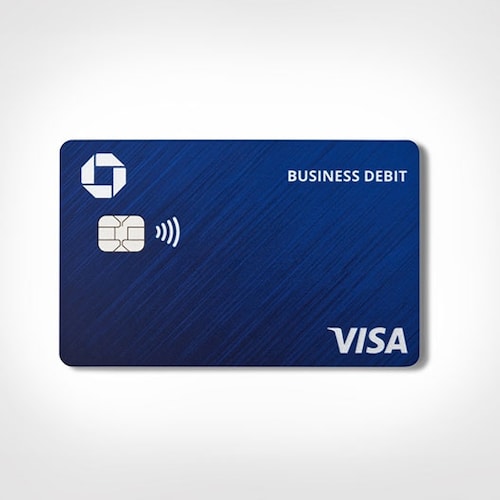
Once the account is approved, there are several immediate actions required to ensure the account remains active and secure. This includes making an initial deposit (which may be required to meet sign-on bonus criteria), setting up digital banking credentials, and ordering business debit cards for yourself and any authorized employees.
Strategic Benefits: Leveraging the Chase Business Ecosystem
Opening a checking account is often the first step in a broader financial strategy. Chase provides a suite of tools that, when integrated, can significantly streamline a business’s back-office operations.
Chase Ink Business Credit Cards
The Chase Ink suite—including the Business Cash, Business Unlimited, and Business Preferred cards—is highly regarded for its rewards structures. By linking these cards to your business checking account, you can centralize your spending, maximize points for travel or cash back, and simplify your end-of-year tax preparation. Having an active checking account can also improve your internal “credit score” within the bank, potentially leading to higher credit limits.
Integrated Payment Processing
Through Chase QuickAccept and Global Technology Solutions, businesses can accept payments from customers via card-present or card-not-present transactions. The primary advantage here is the speed of capital; while third-party processors might take days to settle funds, Chase-processed payments often hit the business checking account on the same day, significantly improving liquidity.
Cash Flow Management Tools
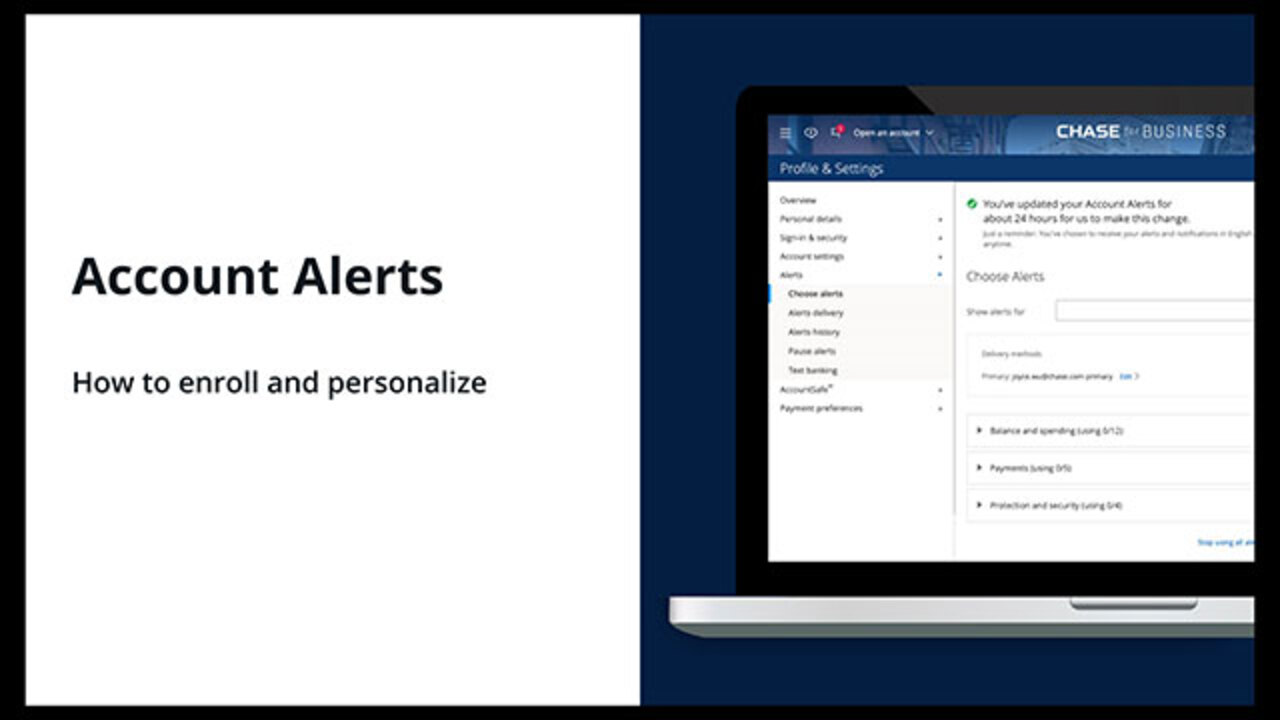
The Chase Business Online portal provides advanced reporting features that allow owners to monitor cash flow patterns. You can set up automated alerts for low balances, manage employee access levels to limit who can see sensitive financial data, and utilize the “Online Bill Pay” feature to automate recurring expenses, ensuring that you never miss a vendor payment.
Maintaining Your Account and Avoiding Hidden Costs
To maximize the value of a Chase business account, you must be diligent about account maintenance and fee avoidance. Commercial banking operates differently than personal banking, and the costs of mismanagement can add up quickly.
Waiving Monthly Service Fees
Every Chase business account has a path to a $0 monthly service fee. Whether it is through maintaining a minimum daily balance, spending a certain amount on a linked Chase business credit card, or receiving a specific volume of deposits via QuickAccept, you should architect your finances to hit these marks. Automated transfers from other accounts can be a useful tool to ensure your balance never dips below the required threshold.
Monitoring Transaction Limits
Unlike personal accounts, business accounts often have limits on the number of “free” transactions (deposits, withdrawals, and transfers) allowed per month. Exceeding these limits results in per-item fees. If you find your business consistently exceeding these limits, it is a signal that you need to upgrade to a higher account tier where the cost-per-transaction is lower or more free transactions are included.

Security and Fraud Prevention
Business accounts do not always carry the same consumer protections as personal accounts regarding unauthorized transactions. Therefore, utilizing Chase’s security features is paramount. This includes setting up multi-factor authentication (MFA), using “Positive Pay” services if you issue paper checks to prevent check fraud, and regularly reviewing account statements for any discrepancies.
By meticulously choosing the right account tier, preparing your documentation in advance, and leveraging the full breadth of the Chase financial ecosystem, you create a professional foundation that supports both daily operations and long-term capital growth. A Chase business account is not merely a repository for funds; it is a strategic asset in the management of a modern enterprise.
aViewFromTheCave is a participant in the Amazon Services LLC Associates Program, an affiliate advertising program designed to provide a means for sites to earn advertising fees by advertising and linking to Amazon.com. Amazon, the Amazon logo, AmazonSupply, and the AmazonSupply logo are trademarks of Amazon.com, Inc. or its affiliates. As an Amazon Associate we earn affiliate commissions from qualifying purchases.