
Opening a new bank account is a foundational step in managing one’s personal finances effectively. In the landscape of financial institutions, Chase Bank stands out as one of the largest and most recognized, offering a comprehensive suite of banking products and services to millions of customers across the United States. For individuals considering where to entrust their financial transactions, savings, and investments, Chase presents a compelling option due to its extensive reach, diverse offerings, and robust digital banking capabilities. However, navigating the account opening process, understanding the requirements, and selecting the most suitable account type can seem daunting without a clear roadmap.

This comprehensive guide aims to demystify the process of opening a Chase bank account, providing a step-by-step walkthrough, outlining essential preparations, and offering insights into maximizing your banking experience. Whether you’re a first-time account opener, looking to switch banks, or seeking to consolidate your financial dealings with a single institution, understanding the nuances of how to set up an account with Chase is crucial for a smooth and successful transition. By the end of this article, you will be equipped with the knowledge to confidently embark on your journey to becoming a Chase customer, paving the way for better financial management and access to a broad spectrum of financial tools.
Understanding Why Chase Might Be the Right Choice for Your Finances
Before delving into the mechanics of opening an account, it’s insightful to consider why Chase remains a top contender for personal banking needs. The decision to bank with a particular institution often hinges on a blend of convenience, product variety, customer service, and perceived trustworthiness. Chase excels in several key areas that make it an attractive option for a diverse clientele, from students and young professionals to families and retirees. Understanding these benefits can help solidify your decision and ensure it aligns with your long-term financial goals.
A Legacy of Trust and Innovation
Chase boasts a long and storied history within the American financial sector, dating back to 1799. This extensive legacy has fostered a strong reputation for reliability and stability, crucial factors when choosing a custodian for your money. Beyond its history, Chase has consistently invested in technological innovation, offering cutting-edge digital banking solutions that cater to the modern consumer. Their commitment to security and customer protection provides peace of mind, knowing your assets are handled by a reputable and secure institution that adheres to stringent financial regulations.
Diverse Product Offerings
One of Chase’s significant strengths lies in its extensive array of financial products. Beyond standard checking and savings accounts, they offer specialized options such as student accounts, premier checking accounts with added benefits, and various savings vehicles designed for different financial objectives. Furthermore, Chase extends its services into credit cards, mortgages, auto loans, investment services, and business banking, providing a one-stop shop for almost all financial needs. This comprehensive suite allows customers to consolidate their financial relationships, often simplifying management and potentially unlocking better rates or rewards through bundled services.
Extensive Branch and ATM Network
For many individuals, the accessibility of physical branches and ATMs remains a critical factor. Chase operates one of the largest branch networks in the United States, alongside an equally vast network of ATMs. This widespread physical presence means that customers can often find a Chase location nearby for in-person transactions, advice, or resolving complex issues that might be better handled face-to-face. While digital banking has grown exponentially, the option for human interaction and immediate assistance provides a valuable layer of service and reassurance.
Digital Banking Convenience
In today’s fast-paced world, digital banking is no longer a luxury but a necessity. Chase has made significant investments in its online banking platform and mobile app, offering a seamless and intuitive experience. Customers can easily check balances, transfer funds, pay bills, deposit checks via mobile, and manage their investments from virtually anywhere, at any time. Features like Zelle for fast money transfers and budgeting tools integrated into the app empower users to take greater control over their finances, making everyday banking tasks efficient and straightforward.
Essential Preparations Before You Apply
Embarking on the application process for a new bank account requires a degree of preparation to ensure a smooth and successful experience. Gathering the necessary documents, understanding the different account types, and familiarizing yourself with potential fees are all critical steps that can prevent delays and help you choose an account that truly serves your financial needs. Diligent preparation sets the stage for a positive banking relationship from the outset.
Required Documentation Checklist
Regardless of whether you apply online or in person, banks are legally obligated to verify your identity and other personal details. This is part of their commitment to preventing fraud and complying with anti-money laundering regulations. Having these documents ready beforehand will expedite your application.
- Proof of Identity (Government-Issued ID): You will need at least one primary form of identification. Acceptable documents typically include a valid driver’s license, a state-issued ID card, or a passport. Ensure your ID is current and not expired.
- Proof of Address (Utility Bill, Lease Agreement): Banks need to verify your current residential address. Common forms of proof include a recent utility bill (gas, electric, water, internet) in your name, a lease agreement, a mortgage statement, or a recent bank statement from another institution. The document should be dated within the last 60 days.
- Social Security Number (SSN) or Individual Taxpayer Identification Number (ITIN): For tax reporting purposes and to comply with federal regulations, you will need to provide your Social Security Number. Non-resident aliens who pay taxes in the U.S. may provide an ITIN.
- Initial Deposit Funds: While not always required at the exact moment of application, you will eventually need funds to activate your account. Be prepared with information for linking an external bank account, or have cash/a check ready for an in-branch deposit.
Understanding Account Types and Your Needs
Chase offers a variety of checking and savings accounts, each designed to meet different financial behaviors and goals. Taking the time to understand these options will help you choose the account that best fits your lifestyle and financial aspirations.
- Checking Accounts (Everyday Banking): These accounts are designed for daily transactions, such as paying bills, making purchases with a debit card, and withdrawing cash. Chase offers various checking accounts like Chase Total Checking (their most popular option), Chase Premier Plus Checking, and Chase Sapphire Banking, each with varying benefits, fee structures, and minimum balance requirements. Consider your typical transaction volume, how you primarily use your money, and if you want features like waived ATM fees or higher transaction limits.
- Savings Accounts (Building Wealth): Savings accounts are ideal for setting aside money for future goals, whether short-term emergencies or long-term investments. Chase Savings is a standard option, while Chase Premier Savings offers potentially higher interest rates for customers who meet certain criteria. Evaluate your savings goals, how frequently you might need to access these funds, and the potential for earning interest.
- Other Specialized Accounts: Depending on your unique circumstances, you might consider other accounts such as student checking accounts (often with no monthly fees), or CD (Certificate of Deposit) accounts for fixed-term, higher-interest savings.
Reviewing Fees and Account Minimums
Before committing to an account, it’s crucial to understand its associated fees and minimum balance requirements. Many Chase accounts offer ways to waive monthly service fees, often by maintaining a certain minimum daily balance, setting up direct deposits, or linking other Chase accounts. Be sure to review:
- Monthly Service Fees: How much is the fee, and how can it be waived?
- Minimum Balance Requirements: What balance do you need to maintain to avoid fees?
- ATM Fees: Are there fees for using non-Chase ATMs?
- Overdraft Fees: What are the charges for overdrawing your account?
- Foreign Transaction Fees: If you travel internationally, are there fees for debit card use abroad?
A thorough understanding of these aspects will prevent unexpected charges and ensure the account remains cost-effective for your financial situation.
The Application Process: Step-by-Step
Once you have gathered your documents and decided on the ideal account type, the actual application process is relatively straightforward. Chase offers both online and in-branch application methods, providing flexibility based on your preference for convenience versus personalized assistance.
Online Application: A Digital Walkthrough
Applying for a Chase bank account online is a popular and efficient method for many individuals. It allows you to complete the process from the comfort of your home, at your own pace.
- Navigating the Chase Website: Start by visiting the official Chase Bank website. Navigate to the “Checking” or “Savings” section, and explore the different account options. Once you’ve selected your desired account, click the “Open an Account” or “Apply Now” button.
- Filling Out the Application Form: You will be prompted to provide personal information, including your full legal name, date of birth, address, phone number, email, and your Social Security Number (or ITIN). You’ll also need to input information from your government-issued ID. Be meticulous in filling out all fields accurately to avoid delays.
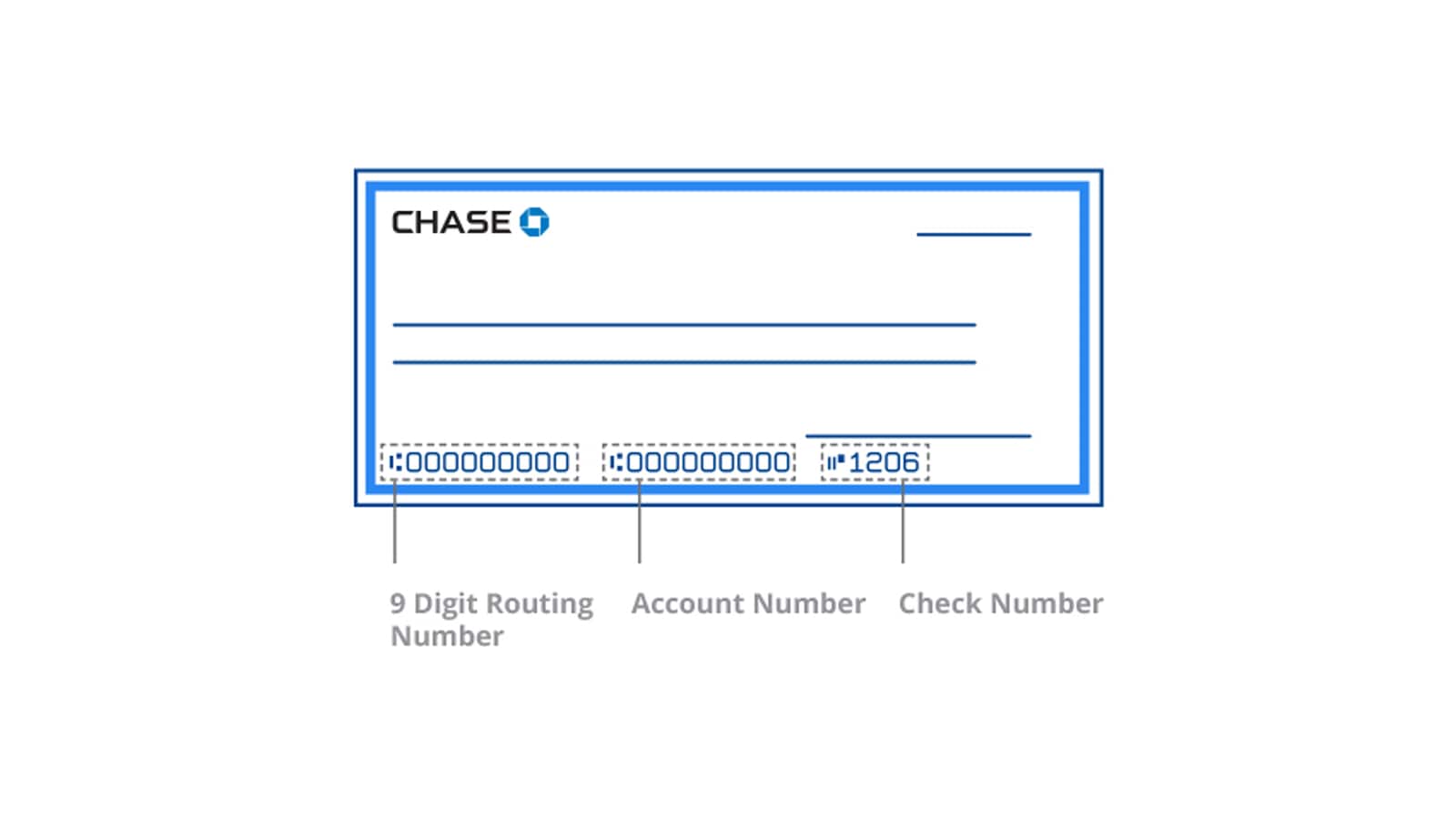
- Linking External Accounts (Initial Funding): During the online application, you will typically be asked how you wish to make your initial deposit. This often involves securely linking an existing bank account from another institution via its routing and account numbers. Chase may initiate small verification deposits (micro-deposits) to confirm ownership, which you’ll need to verify on their site. Alternatively, you might be able to fund the account via debit card or set up a direct deposit.
In-Branch Application: Personalized Assistance
For those who prefer a more personal touch or have complex questions, applying in person at a Chase branch can be a beneficial experience.
- Scheduling an Appointment: While walk-ins are often accommodated, scheduling an appointment online or by phone can save you waiting time and ensure a banker is available to assist you thoroughly.
- What to Bring to the Branch: Bring all your required documentation (ID, proof of address, SSN/ITIN) and your initial deposit funds (cash, check, or details of an external account).
- Consulting with a Banker: A Chase representative will guide you through the application form, answer any questions you might have about account features, fees, or how to manage your account. They can also offer personalized advice on which account best suits your financial profile. This one-on-one interaction can be invaluable for understanding all the terms and conditions.
Understanding the Approval Process
Once you submit your application, whether online or in-branch, Chase will review your information. This typically involves a credit check (though opening a checking or savings account usually doesn’t require a high credit score, it helps verify identity and financial history), and verification of the provided documents. Most applications are approved relatively quickly, often within minutes for online applications or instantly in-branch. In some cases, if more information is needed or there are discrepancies, the process might take a few business days. Upon approval, you will receive confirmation, and details about when your debit card and welcome kit will arrive.
Post-Opening: Maximizing Your Chase Banking Experience
Opening your Chase bank account is just the first step. To truly leverage the benefits and manage your finances effectively, it’s essential to set up and utilize the various tools and services Chase offers. Proactive engagement with your new account can significantly enhance your financial organization and security.
Setting Up Online and Mobile Banking
Immediately after your account is active, enroll in online banking and download the Chase Mobile app. These platforms are your primary tools for managing your money day-to-day. You can monitor transactions, check balances, transfer funds between accounts, and access digital statements. The mobile app also offers convenient features like mobile check deposit and spending insights, empowering you to stay on top of your finances from anywhere.
Activating Your Debit Card and Setting Up PINs
Your new debit card will typically arrive by mail within 5-7 business days after account opening. Follow the instructions to activate it, usually by calling a toll-free number or activating it through the Chase website/app. You will also be prompted to set up a Personal Identification Number (PIN), which is crucial for ATM withdrawals and debit card purchases. Memorize your PIN and keep it secure; never write it down or share it with anyone.
Exploring Bill Pay and Zelle Features
Take advantage of Chase’s integrated financial management tools. The online Bill Pay service allows you to schedule and pay recurring bills directly from your checking account, helping you avoid late fees and manage cash flow. Zelle, integrated into the Chase Mobile app, provides a fast, free, and secure way to send and receive money with friends, family, and other trusted individuals directly from your bank account, often within minutes. Familiarizing yourself with these features can streamline your monthly financial obligations.
Leveraging Rewards Programs and Special Offers
Depending on the specific Chase account or credit card you may eventually acquire, you might be eligible for various rewards programs, sign-up bonuses, or special offers. Many checking and savings accounts have introductory offers for new customers who meet certain direct deposit or balance requirements. Stay informed about these opportunities, as they can provide significant financial benefits, whether through cash back, points, or waived fees.

Monitoring Your Account and Financial Health
Regularly review your account statements and transaction history through online banking or the mobile app. This practice helps you track your spending, identify any unauthorized transactions promptly, and reconcile your budget. Chase also offers tools and resources that can help you set financial goals, track progress, and gain deeper insights into your spending habits, contributing to overall financial wellness. Being vigilant about your account activity is a cornerstone of responsible money management.
In conclusion, opening a Chase bank account is a straightforward process when approached with adequate preparation and understanding. By carefully considering your financial needs, gathering the necessary documentation, and utilizing the digital tools available, you can establish a robust banking relationship that supports your personal finance goals. Chase’s extensive network, diverse product offerings, and commitment to digital innovation make it a compelling choice for anyone seeking a reliable and comprehensive banking partner.
aViewFromTheCave is a participant in the Amazon Services LLC Associates Program, an affiliate advertising program designed to provide a means for sites to earn advertising fees by advertising and linking to Amazon.com. Amazon, the Amazon logo, AmazonSupply, and the AmazonSupply logo are trademarks of Amazon.com, Inc. or its affiliates. As an Amazon Associate we earn affiliate commissions from qualifying purchases.