
The Affordable Care Act (ACA), widely known as Obamacare, stands as a cornerstone of America’s healthcare landscape, designed to make health insurance more accessible and affordable for millions. Enacted in 2010, the ACA expanded Medicaid eligibility, created Health Insurance Marketplaces, and introduced subsidies to help individuals and families pay for coverage. For many, navigating the complexities of healthcare policy can feel daunting, but understanding the process of obtaining an ACA-compliant plan is a critical step towards securing essential medical care and protecting your financial well-being. This guide aims to demystify the journey, offering a professional, insightful, and engaging roadmap to securing the health insurance coverage you need, while optimizing for financial prudence.
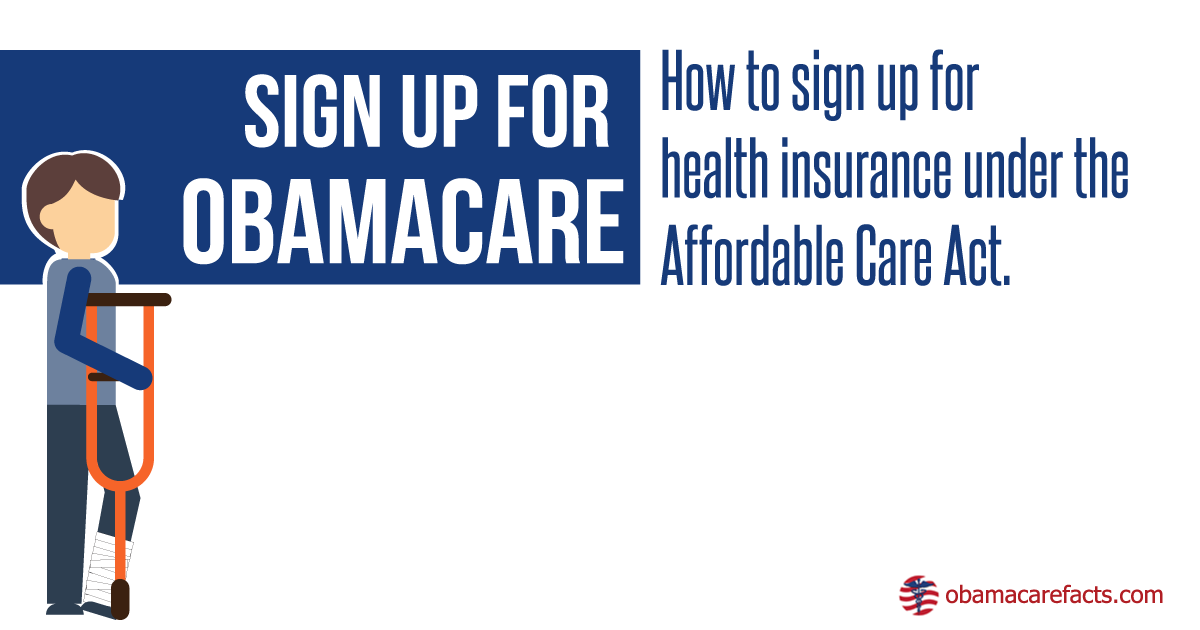
Demystifying the Affordable Care Act: What is Obamacare?
The Affordable Care Act represents a pivotal shift in how Americans access healthcare. Far more than just a piece of legislation, it established a framework designed to address long-standing issues within the U.S. healthcare system, particularly regarding affordability and availability. For consumers, “Obamacare” primarily refers to the individual health insurance plans available through the Health Insurance Marketplace (often Healthcare.gov or a state-run exchange). These plans are required to cover a set of “essential health benefits,” prohibiting insurers from denying coverage based on pre-existing conditions and eliminating annual and lifetime limits on coverage. Understanding the foundational principles of the ACA is the first step towards leveraging its benefits.
Purpose and Core Benefits
At its heart, the ACA aims to expand health insurance coverage, improve consumer protections, and stabilize the health insurance market. It ensures that everyone, regardless of health status, has access to comprehensive health insurance. Key benefits include preventive care services covered at no extra cost, protection against medical bankruptcy due to catastrophic illness, and the ability for young adults to stay on their parents’ plan until age 26. For those previously unable to afford or qualify for insurance, the ACA opened doors to vital medical services, turning what was once a privilege into a more accessible right.
The Role of the Health Insurance Marketplace
The Health Insurance Marketplace is a central platform established by the ACA where individuals, families, and small businesses can shop for and enroll in health insurance plans. In most states, this is Healthcare.gov, while others operate their own state-based exchanges. The Marketplace provides a standardized way to compare plans, understand costs, and determine eligibility for financial assistance, making the complex world of health insurance more transparent and manageable. It’s the primary gateway through which most individuals obtain Obamacare coverage, acting as a crucial bridge between consumers and a diverse array of private insurance providers offering ACA-compliant plans.
Strategic Pathways to Enrollment: Open and Special Periods
Obtaining health insurance through the ACA Marketplace isn’t an open-ended process; it’s governed by specific enrollment periods. Missing these windows can mean a lapse in coverage or an inability to enroll altogether, underscoring the importance of understanding when and how you can apply. The two primary pathways are Open Enrollment and Special Enrollment Periods, each with distinct triggers and timelines. Strategic planning around these periods is essential for maintaining continuous coverage and ensuring timely access to financial assistance.
Understanding Open Enrollment
Open Enrollment is the annual period when anyone can apply for new health insurance coverage or change their existing plan through the Marketplace. For most states using Healthcare.gov, this typically runs from November 1st to January 15th, with specific dates for coverage to begin (e.g., enrolling by December 15th for coverage starting January 1st). This period is crucial for evaluating new plan options, adjusting coverage based on changing needs, or enrolling for the first time. It’s an opportunity to reassess your financial situation, health needs, and compare premium costs and benefits across various insurers to make the most cost-effective choice for the upcoming year. Missing Open Enrollment without a qualifying life event generally means you’ll have to wait until the next Open Enrollment period to apply for Marketplace coverage.
Qualifying for a Special Enrollment Period (SEP)
Outside of Open Enrollment, individuals can only enroll in or change a Marketplace plan if they qualify for a Special Enrollment Period (SEP). SEPs are triggered by specific “qualifying life events” that result in a change in household size, income, or place of residence, or loss of existing health coverage. These events include marriage, divorce, birth or adoption of a child, moving to a new area, losing job-based insurance, or gaining U.S. citizenship. Most SEPs allow a 60-day window from the date of the qualifying event to enroll in a new plan. This provision ensures that life’s major changes don’t leave individuals without access to essential health coverage, offering a critical safety net outside the annual enrollment cycle. Understanding which life events qualify for an SEP is vital for anyone facing unexpected changes throughout the year.
The Application Journey: Step-by-Step Guidance
Applying for Obamacare through the Health Insurance Marketplace is a multi-step process designed to gather essential information, determine eligibility for financial aid, and help you select a suitable plan. While it might seem intricate, breaking it down into manageable steps can significantly simplify the experience. Being prepared with the necessary documentation and understanding each stage of the application will ensure a smoother and more efficient journey towards securing your health coverage. The goal is to make an informed decision that aligns with your financial capacity and healthcare needs.
Gathering Required Documentation
Before you begin the application, it’s crucial to gather all necessary information and documents for yourself and anyone else you’re including in your household application. This typically includes:
- Social Security Numbers (SSNs) for all applying household members (or document numbers for immigrants who are legally present).
- Employer and income information for every member of your household (e.g., pay stubs, W-2 forms, or self-employment income details). This is critical for determining eligibility for financial assistance.
- Information about current health coverage, if any, for all household members.
- Information about any job-based health coverage that is available to you or anyone in your household, even if you don’t take it.
- Citizenship or immigration status documents for legally present non-citizens.
Having these details readily available will streamline the online application process and prevent delays.
Online Application Walkthrough

The primary method for applying for Obamacare is online through Healthcare.gov or your state’s Marketplace website. The process typically involves:
- Creating an Account: You’ll start by setting up a secure account with a username and password.
- Providing Household Information: Enter details about yourself and everyone in your household, including their relationship to you, age, and location.
- Entering Income Information: Accurately report your household’s estimated modified adjusted gross income (MAGI) for the year you want coverage. This is crucial for determining subsidy eligibility.
- Reporting Current Health Coverage: Disclose any existing health insurance.
- Reviewing Eligibility Results: The Marketplace will then determine if you qualify for Medicaid/CHIP or for financial assistance (Premium Tax Credits and Cost-Sharing Reductions) to help pay for a Marketplace plan.
- Comparing Plans: Once eligibility is determined, you’ll be able to browse available plans in your area. You can filter by metal level, premium, deductible, and other features to find a plan that meets your needs.
- Enrolling in a Plan: After selecting a plan, you’ll complete the enrollment process directly through the Marketplace website.
- Making Your First Premium Payment: Often, your enrollment isn’t complete until you make your first premium payment directly to the insurance company.
Throughout the process, the Marketplace offers tools and resources, including help from navigators or licensed insurance agents, to assist you.
Unlocking Financial Aid: Subsidies and Cost Savings
One of the most significant financial advantages of the Affordable Care Act is the availability of financial assistance designed to make health insurance premiums and out-of-pocket costs more manageable. These subsidies are crucial for millions of Americans, transforming what might otherwise be unaffordable into a financially viable option. Understanding the types of financial aid available and how to qualify is paramount to maximizing your savings when obtaining Obamacare. This financial support directly impacts your personal budget and enhances access to necessary medical care.
Premium Tax Credits (PTC)
Premium Tax Credits (PTC), often referred to simply as “subsidies,” are a form of financial assistance that lowers your monthly health insurance premium. These credits are based on a sliding scale, meaning individuals and families with lower incomes receive larger tax credits. Eligibility for PTCs is determined by your household income relative to the federal poverty level (FPL) and the cost of the benchmark “second-lowest cost Silver plan” in your area. The credits can be taken in advance to lower your monthly premium payments or claimed when you file your federal income tax return. Accurate income estimation is critical, as discrepancies can lead to owing money back or receiving a larger refund at tax time. The American Rescue Plan Act of 2021 and the Inflation Reduction Act of 2022 significantly enhanced these subsidies, making coverage even more affordable for more people by expanding eligibility and increasing the amount of assistance available.
Cost-Sharing Reductions (CSR)
In addition to Premium Tax Credits, some individuals may qualify for Cost-Sharing Reductions (CSRs). CSRs are another form of financial aid that helps lower the amount you have to pay out-of-pocket when you receive medical care. This includes reducing your deductibles, co-payments, and coinsurance. Unlike PTCs, CSRs are only available if you enroll in a Silver-level plan. Eligibility for CSRs is also based on household income relative to the FPL, but generally applies to those with incomes up to 250% of the FPL. By choosing a Silver plan with CSRs, you effectively get a plan with better benefits (lower out-of-pocket costs) for the same premium as a standard Silver plan. This combination of lower monthly premiums (via PTCs) and reduced out-of-pocket costs (via CSRs) can significantly lighten the financial burden of healthcare.
Selecting Your Ideal Plan: A Financial and Medical Match
Once you’ve navigated the application process and understood your eligibility for financial assistance, the final critical step is choosing the right health insurance plan. This decision shouldn’t be rushed, as it involves balancing monthly premiums, deductibles, out-of-pocket maximums, and network restrictions with your personal health needs and financial situation. The Marketplace offers plans categorized by “metal levels,” each designed to offer different cost-sharing structures. Making an informed choice here can directly impact your annual healthcare expenses and access to specific providers.
Understanding Metal Levels: Bronze, Silver, Gold, Platinum
Marketplace plans are categorized into four “metal levels” based on how costs are split between you and your insurance company:
- Bronze plans generally have the lowest monthly premiums but the highest deductibles and out-of-pocket costs. They cover 60% of average medical costs, while you pay 40%. They are best suited for those who expect minimal medical care and want protection against catastrophic events.
- Silver plans have moderate monthly premiums and moderate out-of-pocket costs. They cover 70% of average medical costs (you pay 30%). These are the only plans eligible for Cost-Sharing Reductions, making them a popular and often best-value choice for those who qualify for CSRs.
- Gold plans have higher monthly premiums but lower deductibles and out-of-pocket costs. They cover 80% of average medical costs (you pay 20%). Gold plans are ideal for individuals who expect to use a fair amount of medical services and prefer more predictable costs.
- Platinum plans have the highest monthly premiums but the lowest deductibles and out-of-pocket costs. They cover 90% of average medical costs (you pay 10%). These plans are best for those who anticipate needing significant medical care and prefer to pay more upfront for minimal costs at the point of service.
Choosing the right metal level involves a careful financial calculation of your anticipated medical usage versus your ability to pay monthly premiums.

Key Financial Considerations: Deductibles, Co-pays, and Out-of-Pocket Maximums
Beyond the metal levels, several key financial terms will influence your overall healthcare costs:
- Deductible: The amount you must pay for covered healthcare services before your insurance plan starts to pay. High-deductible plans typically have lower premiums.
- Co-payment (Co-pay): A fixed amount you pay for a covered healthcare service after you’ve paid your deductible (e.g., $30 for a doctor’s visit).
- Coinsurance: Your share of the cost for a covered healthcare service, calculated as a percentage of the allowed amount for the service (e.g., if the plan pays 80%, you pay 20% after your deductible).
- Out-of-Pocket Maximum: The most you’ll have to pay for covered services in a policy period. Once you hit this limit, your insurance plan pays 100% of the costs for covered benefits. This is a crucial financial protection against catastrophic medical bills.
When comparing plans, don’t just look at the monthly premium. Consider the total potential costs, including the deductible and out-of-pocket maximum, especially if you anticipate needing significant medical care. Use the Marketplace’s comparison tools to model different scenarios based on your expected healthcare utilization.
Obtaining Obamacare is a structured process designed to provide essential health coverage with significant financial assistance. By understanding the ACA’s fundamentals, adhering to enrollment periods, meticulously completing your application, leveraging available subsidies, and making an informed plan selection, you can navigate the Marketplace effectively. Securing health insurance is not just about complying with mandates; it’s a strategic financial decision that safeguards your health and protects your personal finances from unforeseen medical expenses. With the right approach, Obamacare offers a robust pathway to accessible and affordable healthcare.
aViewFromTheCave is a participant in the Amazon Services LLC Associates Program, an affiliate advertising program designed to provide a means for sites to earn advertising fees by advertising and linking to Amazon.com. Amazon, the Amazon logo, AmazonSupply, and the AmazonSupply logo are trademarks of Amazon.com, Inc. or its affiliates. As an Amazon Associate we earn affiliate commissions from qualifying purchases.