
In the dynamic world of entrepreneurship, securing capital is often the most significant hurdle for businesses looking to grow, innovate, or simply sustain operations. While traditional avenues like bank loans and venture capital receive considerable attention, business grants represent a compelling, albeit often misunderstood, alternative. Unlike loans, grants do not require repayment, nor do they demand an equity stake in your company, making them an incredibly attractive form of non-dilutive funding. However, the process of obtaining a grant is far from a simple handout; it requires strategic planning, meticulous research, and persuasive communication. This comprehensive guide will demystify the grant application process, offering actionable insights for businesses aiming to unlock this powerful funding source.

Understanding Business Grants: A Foundation for Funding
Before embarking on the grant-seeking journey, it’s crucial to establish a clear understanding of what business grants are, why they are beneficial, and to dispel common misconceptions. This foundational knowledge will better prepare you for the competitive landscape of grant funding.
What is a Business Grant?
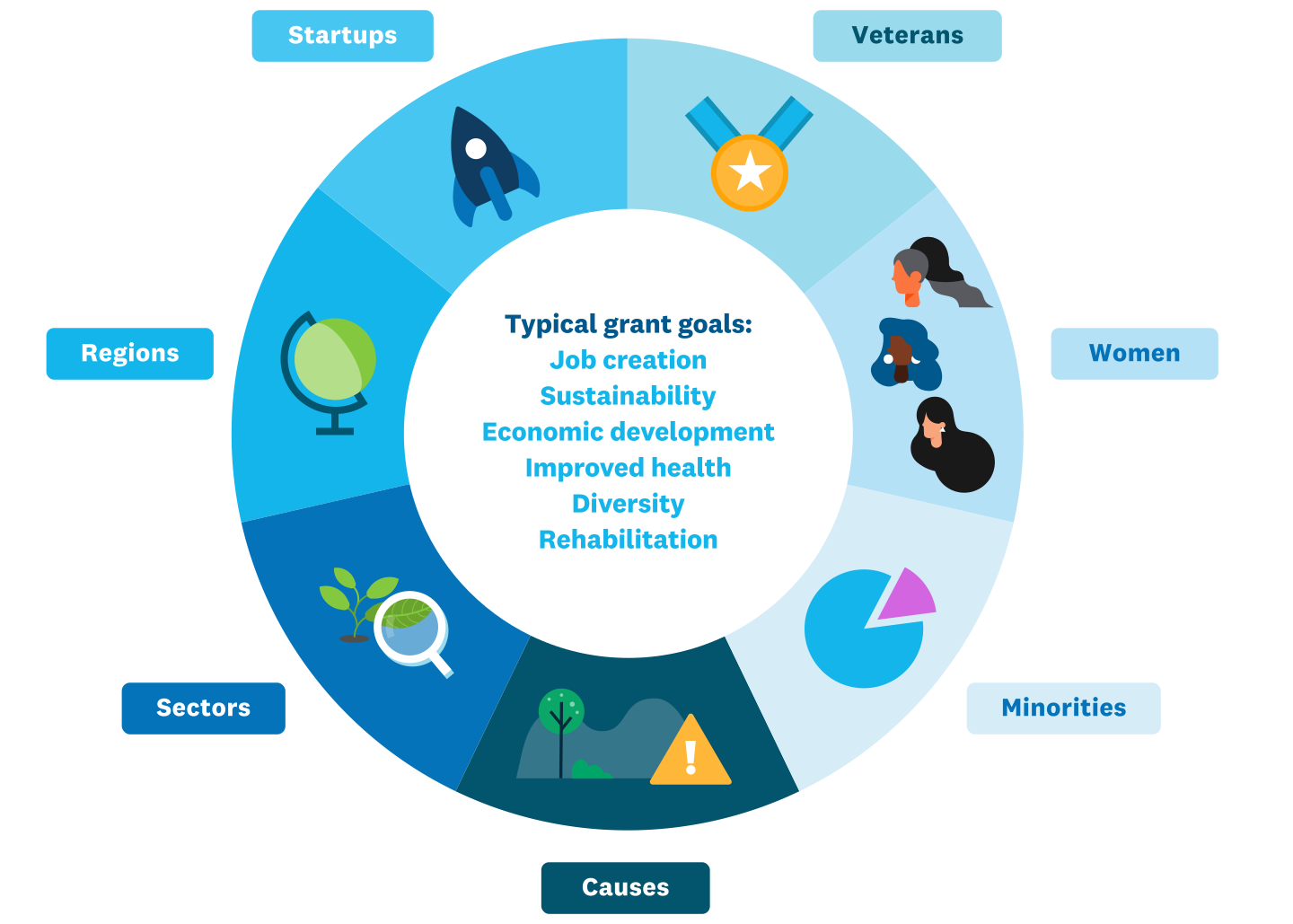
At its core, a business grant is a sum of money awarded to a business or individual, typically by a government agency, foundation, or corporation, for a specific purpose. This purpose is almost always aligned with the grantor’s mission or objectives, which could range from promoting economic development in a certain region, fostering innovation in a particular industry, supporting minority-owned businesses, or addressing social challenges through entrepreneurial ventures. Crucially, grants are “free money” in the sense that they do not need to be repaid, provided the recipient adheres to the terms and conditions outlined in the grant agreement. This distinguishes them sharply from loans, which incur interest and demand repayment, and from equity investments, which require giving up a share of ownership.
Why Pursue Grant Funding?
The benefits of securing a business grant extend far beyond the immediate financial injection. The most obvious advantage is the non-dilutive capital it provides, allowing your business to invest in research and development, expand operations, purchase equipment, hire talent, or launch new initiatives without incurring debt or surrendering ownership. Beyond the monetary aspect, receiving a grant can significantly enhance your business’s credibility and reputation. It serves as an external validation of your business idea, its potential impact, and the competency of your team, which can attract further investment, partnerships, and customer trust. Grants often come with opportunities for mentorship, networking, and access to resources provided by the grantor, fostering a supportive environment for growth.
Common Misconceptions About Grants
Despite their appeal, business grants are frequently misunderstood. One prevalent misconception is that grants are “easy money” readily available to any business. In reality, the grant landscape is highly competitive, requiring significant effort, time, and strategic alignment. Another common belief is that grants are only for non-profits or very specific, niche projects. While many grants target social good, a substantial number are available for for-profit businesses, particularly those engaged in innovation, job creation, or addressing market gaps. Furthermore, some entrepreneurs mistakenly believe grants are only for large, established corporations. While larger grants might favor such entities, a multitude of grants are specifically designed for startups and small businesses, often with an emphasis on local impact or underrepresented founders. Understanding these realities is the first step toward a successful grant-seeking strategy.
Navigating the Grant Landscape: Where to Look
The sheer volume and diversity of grant opportunities can be overwhelming. Knowing where to search and how to filter for relevant opportunities is paramount to an efficient and effective grant-seeking strategy.
Government Grants
Government grants are a cornerstone of funding for various initiatives, both public and private. At the federal level, agencies like the Small Business Administration (SBA), the Department of Energy (DOE), and the National Institutes of Health (NIH) offer numerous programs designed to stimulate economic growth, foster innovation, and support specific sectors. In the United States, Grants.gov is the primary portal for federal grants, acting as a central database for all discretionary funding opportunities from federal agencies. State and local governments also provide grants, often through their economic development departments, focusing on regional job creation, urban revitalization, or supporting local industries. These grants are typically more accessible for smaller businesses due to their localized focus.
Corporate and Foundation Grants
Beyond government entities, a vast ecosystem of private foundations and corporate philanthropy programs offers substantial grant funding. Foundations, established as non-profit organizations, typically have specific missions, such as promoting education, health, environmental sustainability, or economic empowerment. Businesses whose activities align with these philanthropic goals can find significant support here. Corporations, through their corporate social responsibility (CSR) initiatives, also award grants. These programs often seek to support businesses that contribute to community development, workforce training, or innovative solutions that complement their industry. Identifying potential corporate donors requires researching their CSR reports and charitable giving guidelines.
Industry-Specific and Niche Grants
Many grant opportunities are highly specialized, targeting specific industries, demographics, or types of businesses. For instance, grants exist for women-owned businesses, minority-owned businesses, veteran-owned businesses, or businesses operating in specific sectors like clean energy, biotechnology, agriculture, or the arts. These niche grants are often less competitive simply because fewer businesses qualify, increasing your chances of success if you fit the criteria. Professional associations, industry bodies, and specialized non-profits are excellent resources for discovering these tailored funding opportunities. Leveraging your unique business characteristics can open doors to these targeted grants.
Grant Databases and Resources
To streamline the search process, numerous online databases and resources have emerged. Besides Grants.gov, platforms like the Foundation Directory Online (Candid) provide extensive listings of private and corporate grantmakers. Other useful resources include industry-specific portals, local chambers of commerce, and university research offices. Engaging with grant consultants or grant writers can also be invaluable. These professionals possess specialized knowledge of the grant landscape, can help identify suitable opportunities, and often have the expertise to craft compelling proposals, significantly enhancing your application’s quality and likelihood of success.
The Grant Application Process: A Strategic Approach
The heart of obtaining a grant lies in the application itself. This is where you articulate your business’s vision, demonstrate its viability, and prove its alignment with the grantor’s objectives. A strategic approach is critical.
Assessing Eligibility and Fit
Before investing time and resources into an application, rigorously assess your business’s eligibility and fit for a particular grant. Each grant program has specific criteria regarding business size, industry, location, target demographic, and project scope. Carefully review the Request for Proposals (RFP) or grant guidelines to ensure your business meets all prerequisites. Beyond mere eligibility, consider the “fit” – does your business’s mission truly align with the grantor’s goals? A strong alignment signals that funding your project will help the grantor achieve their objectives, making your application more compelling. Applying for grants where you are a perfect fit is far more effective than broadly applying to many where the alignment is weak.
Crafting a Compelling Proposal
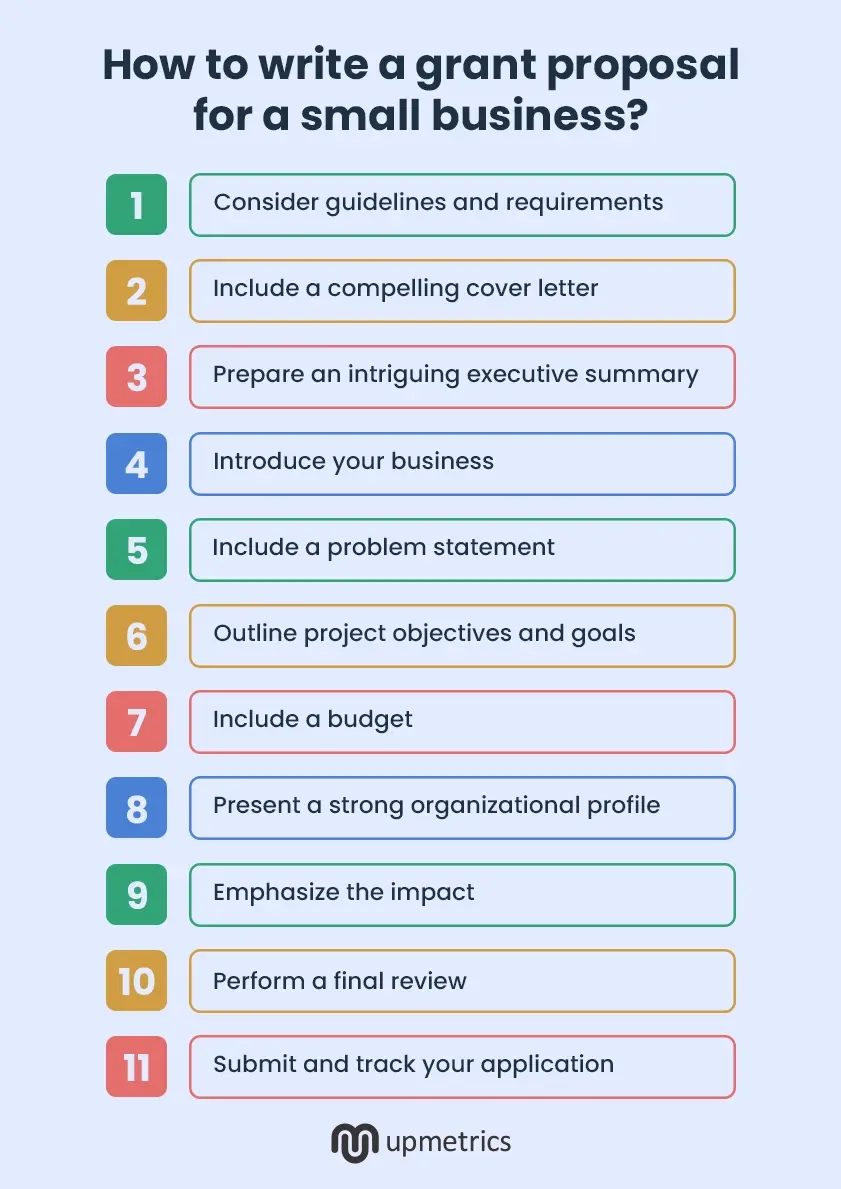
A grant proposal is more than just a business plan; it’s a persuasive narrative designed to convince the grantor of your project’s merit and impact. Key components typically include:
- Executive Summary: A concise overview of your entire proposal, highlighting key points.
- Problem Statement: Clearly define the problem your business addresses, supported by data.
- Proposed Solution: Detail how your business or project solves the identified problem, outlining activities, methodology, and timeline.
- Budget: A detailed, itemized breakdown of how grant funds will be used, demonstrating fiscal responsibility and justification for each expense.
- Evaluation Plan: Explain how you will measure the success and impact of your project, including metrics and reporting mechanisms.
- Organizational Capacity: Showcase your team’s expertise, experience, and the resources available to successfully execute the project.
Each section must be clear, coherent, and directly support your request.
Developing a Strong Business Case
While grants are not loans, grantors still want to see a robust business case. This includes demonstrating not only the immediate impact of the grant-funded project but also the long-term sustainability and potential for growth of your business. Provide realistic financial projections, showing how the grant will leverage other resources or lead to future revenue generation. Highlight your market analysis, competitive advantages, and scalability. Grantors are often looking for projects that can become self-sustaining or create lasting positive change, so articulate a vision that extends beyond the grant period. Emphasize how your project fills a unique need or addresses an underserved market, showcasing innovation and viability.
Adhering to Submission Guidelines
Attention to detail is non-negotiable in grant writing. Every grantor has specific submission guidelines regarding formatting, document order, word limits, and required attachments (e.g., résumés, letters of support, financial statements). Failure to adhere to these instructions can lead to immediate disqualification, regardless of the proposal’s quality. Always submit applications well before the deadline to account for any technical issues, and meticulously review every component for completeness, accuracy, and compliance. Professional proofreading is highly recommended to eliminate grammatical errors and typos, which can detract from your credibility.
Maximizing Your Chances: Best Practices for Success
Success in grant funding often boils down to preparation, persistence, and strategic positioning. Employing best practices can significantly enhance your proposals and increase your likelihood of securing funding.
Research and Due Diligence
Thorough research is the cornerstone of effective grant seeking. Beyond merely identifying eligible grants, delve into the grantor’s history, past awards, and specific priorities. Understand their mission, values, and what types of projects they typically fund. This deep understanding allows you to tailor your proposal to resonate directly with their interests, using their terminology and demonstrating a clear alignment. Don’t just find a grant; find the right fit. This due diligence also extends to understanding the competition and how your project stands out.
Storytelling and Impact
While data and facts are crucial, a compelling grant proposal also tells a story. Weave a narrative that conveys passion, purpose, and the profound impact your business or project will have. Humanize the problem you’re solving and vividly describe the positive change you aim to create. Grantors are often driven by a desire to make a difference, and a powerful story can evoke empathy and demonstrate the tangible benefits of their investment. Clearly articulate how your project aligns with their mission and how their funding will lead to measurable, meaningful outcomes. Quantify your potential impact whenever possible (e.g., number of jobs created, lives improved, environmental benefits).
Building Relationships
Networking and building relationships can be invaluable, particularly for larger or more complex grants. Attend grantor webinars, industry conferences, and networking events where potential funders might be present. When appropriate, consider reaching out to program officers or grant managers with specific, well-researched questions about their funding priorities or application process. These interactions can provide valuable insights, clarify ambiguities, and help you understand the grantor’s expectations. A respectful, professional inquiry can also put a face to your application, though unsolicited extensive pitches are generally discouraged.
Persistence and Learning from Rejection
The grant world is highly competitive, and rejection is a common part of the journey. Do not let initial setbacks deter you. Instead, view rejections as learning opportunities. Many grantors offer feedback on unsuccessful applications; actively seek it out. Use this feedback to refine your proposal, strengthen your business case, and improve your approach for future applications. Persistence is key; a “no” today does not mean a “no” forever. Continuously iterate on your proposals, adapt your strategy, and maintain an active search for new opportunities. Each application, successful or not, refines your process and builds your institutional knowledge.
Post-Award Responsibilities and Grant Management
Securing a grant is a significant achievement, but the work doesn’t end there. Effective grant management and responsible stewardship are crucial for fulfilling your commitments and building a strong foundation for future funding.
Financial Stewardship and Reporting
Grant recipients are typically obligated to manage funds in accordance with strict financial guidelines. This includes maintaining meticulous records of all expenditures, often requiring separate accounts or tracking systems to demonstrate that funds were used exactly as proposed in the budget. Regular financial reports detailing how the money was spent are usually a condition of the grant. Failure to comply with these reporting requirements can lead to demands for repayment of funds, damage to your reputation, and severely jeopardize your chances of receiving future grants from that or other organizations. Transparency and accountability are paramount.
Project Implementation and Evaluation
Beyond financial reporting, grantors expect to see progress on the project itself. You must implement the project as outlined in your proposal, adhering to the proposed timeline and achieving the stated objectives. This often involves submitting regular progress reports that detail activities undertaken, milestones achieved, challenges encountered, and any deviations from the original plan. The evaluation plan you presented in your proposal must be executed, collecting data and demonstrating the impact of the grant-funded activities. Providing clear, measurable evidence of success is vital for proving the value of the investment.
Building a Track Record for Future Funding
Successfully managing and completing a grant project is the best way to build a positive track record. A history of effective project execution, responsible financial management, and timely reporting not only enhances your reputation with the specific grantor but also serves as compelling evidence of your organization’s capability for future funding applications. Grantors are more likely to invest in businesses that have a proven ability to deliver on their promises. Treat each grant, regardless of its size, as an opportunity to demonstrate your commitment and capacity, paving the way for larger and more frequent funding opportunities in the future.
Obtaining a grant for a business is a challenging yet highly rewarding endeavor. It demands a strategic mindset, thorough preparation, and unwavering persistence. By understanding the grant landscape, crafting compelling proposals, adhering to best practices, and diligently managing post-award responsibilities, businesses can effectively tap into this valuable source of non-dilutive capital. Grants are not just about money; they are about validating your vision, accelerating your impact, and securing a stronger, more sustainable future for your enterprise. Embrace the journey, and position your business for financial success and lasting positive change.
aViewFromTheCave is a participant in the Amazon Services LLC Associates Program, an affiliate advertising program designed to provide a means for sites to earn advertising fees by advertising and linking to Amazon.com. Amazon, the Amazon logo, AmazonSupply, and the AmazonSupply logo are trademarks of Amazon.com, Inc. or its affiliates. As an Amazon Associate we earn affiliate commissions from qualifying purchases.