
In the modern financial landscape, a credit card is more than just a piece of plastic or a digital entry in a mobile wallet; it is a fundamental tool for building a financial identity. Whether you are looking to establish credit for the first time, rebuild a tarnished history, or optimize your spending through high-tier rewards, understanding how to obtain a credit card is a critical milestone in personal finance management. This process, while seemingly straightforward, requires a strategic approach to ensure approval and to secure terms that benefit your long-term economic health.
Understanding the Fundamentals of Credit Eligibility
Before submitting an application, it is imperative to understand the criteria that financial institutions use to evaluate risk. Lenders are not merely looking at your desire for credit; they are assessing the statistical likelihood that you will repay what you borrow.
The Role of Credit Scores and History
The cornerstone of any credit card application is your credit report and the resulting credit score—most commonly the FICO score or VantageScore. These three-digit numbers are derived from your history of managing debt. For those wondering how to obtain a credit card with a high limit or low interest rate, a score in the “Good” to “Excellent” range (700+) is typically required. Lenders examine five key factors: payment history, amounts owed (utilization), length of credit history, new credit inquiries, and the mix of credit types. If you are starting from zero—a “thin file”—your strategy will differ significantly from someone with a twenty-year history.
Income Requirements and Debt-to-Income Ratios
Credit is not an extension of income; it is a loan based on the ability to pay. Under the Credit CARD Act of 2009, issuers must consider an applicant’s “ability to pay.” This means you must provide proof of steady income. For individuals over 21, this can include “accessible” income from a spouse or partner. Lenders also calculate your Debt-to-Income (DTI) ratio. If a significant portion of your monthly earnings is already earmarked for student loans, car payments, or rent, a lender may view an additional credit line as a high-risk proposition, regardless of your credit score.
Choosing the Right Card for Your Financial Goals
The market is saturated with thousands of credit products. Obtaining a card is not just about getting “a” card, but getting the right one that aligns with your specific financial stage.
Secured vs. Unsecured Cards: Where to Start?
For those with no credit history or a history of defaults, a secured credit card is often the most viable entry point. To obtain a secured card, you must provide a refundable security deposit, which usually acts as your credit limit. This minimizes the lender’s risk while allowing the user to report positive payment history to the major credit bureaus.
Conversely, unsecured cards are the standard products where no collateral is required. These range from “starter” cards with low limits and few perks to “premium” cards that offer significant travel credits and insurance protections. Choosing between them requires an honest assessment of your current credit standing.
Reward Structures: Cash Back, Points, and Miles
If your credit score allows for a wider selection, the focus shifts to the value proposition.
- Cash Back: Ideal for the pragmatist. These cards return a percentage of spending (typically 1% to 5%) back to the user.
- Travel Points and Miles: Best for high-spenders or frequent travelers. These points can often be transferred to airlines or hotels, sometimes yielding a value of 2 cents per point or higher.
- Low Interest/Balance Transfer: For those carrying existing debt, the goal isn’t rewards, but interest mitigation. These cards offer 0% introductory APR periods, providing a window to pay down balances without accruing further charges.
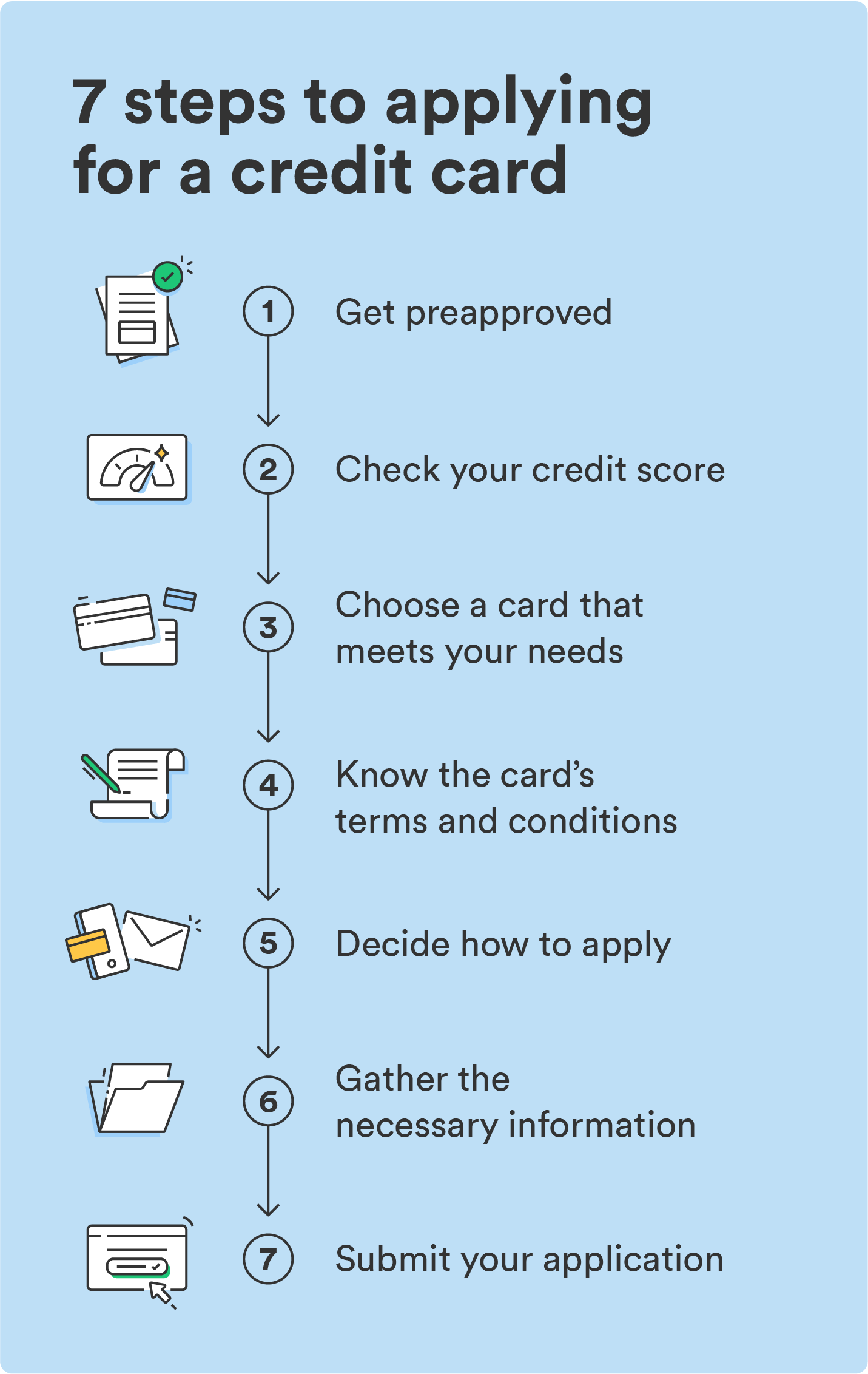
The Step-by-Step Application Process

Once you have identified a card that fits your profile, the application process must be handled with precision to avoid unnecessary “hard inquiries” that can temporarily dip your credit score.
Pre-Approval and Soft Inquiries
Many major issuers offer “pre-qualification” or “pre-approval” tools on their websites. This is a vital step in obtaining a credit card because it utilizes a “soft pull” on your credit report, which does not impact your score. While pre-approval is not a 100% guarantee of final acceptance, it provides a high-confidence indicator of whether you meet the lender’s internal benchmarks. Utilizing these tools allows you to shop around without damaging your credit profile.
Completing the Official Application
The formal application will require sensitive information, including your Social Security Number (SSN) or Individual Taxpayer Identification Number (ITIN), gross annual income, and monthly housing costs. Accuracy is paramount. Discrepancies between your application and the data held by credit bureaus (such as an old address or misspelled name) can trigger a manual review, delaying the process or leading to an automatic denial. Once submitted, the lender performs a “hard pull,” which stays on your credit report for two years but usually only impacts your score for one.
Navigating Denials and Building from Scratch
Not every application ends in an immediate “yes.” However, a denial is not a permanent failure; it is a data point for your financial roadmap.
Deciphering the Adverse Action Notice
If your application is declined, federal law requires the lender to send you an “Adverse Action Notice.” This document is invaluable because it outlines the specific reasons for the denial—such as “too many recent inquiries” or “insufficient income.”
A professional tip for obtaining a credit card after a denial is to call the issuer’s “reconsideration line.” Speaking with a human representative allows you to explain nuances that an algorithm might miss, such as a one-time medical bill that skewed your history or a recent raise that hasn’t been reflected in your credit file yet.
Strategies for Thin Credit Files
If you are denied because you lack history entirely, consider alternative paths:
- Authorized User Status: You can be added to the account of a family member with good credit. Their positive history will often reflect on your report.
- Student Credit Cards: Specifically designed for young adults with little income or history, these cards have lower barriers to entry.
- Credit Builder Loans: While not a credit card, these small loans held in a bank account help build the score necessary to qualify for a card later.
Responsible Management Post-Approval
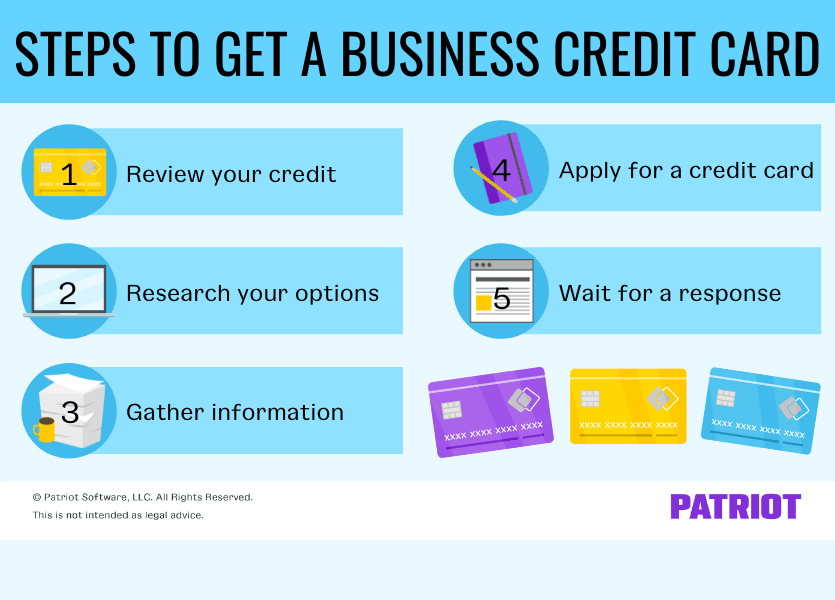
Obtaining the card is only the beginning. The way you manage the line of credit in the first six months will determine your future borrowing power and the likelihood of credit limit increases.
Utilization Ratios and Payment Schedules
Two factors dominate your credit health once the card is in hand. First is the Credit Utilization Ratio—the amount of credit you use compared to your total limit. To maintain a healthy profile, aim to keep this below 30%, though 10% is the “gold standard” for top-tier scores.
Second is the payment schedule. In the realm of money management, “on-time” means by the due date, every single month. Setting up autopay for at least the minimum balance is a fail-safe strategy to ensure you never miss a payment. However, to truly benefit from a credit card, the goal should always be to pay the statement balance in full to avoid interest charges, effectively using the bank’s money for free while reaping rewards.
Monitoring and Scaling
Once you have successfully obtained and managed your first card for 6 to 12 months, your credit score will likely see a significant upward trend. At this stage, you can look into “scaling” your credit. This might involve requesting a credit limit increase on your current card or applying for a secondary card that complements your spending habits. By treating credit as a strategic asset rather than a lifestyle subsidy, you turn the process of obtaining a credit card into a cornerstone of long-term wealth building and financial security.
aViewFromTheCave is a participant in the Amazon Services LLC Associates Program, an affiliate advertising program designed to provide a means for sites to earn advertising fees by advertising and linking to Amazon.com. Amazon, the Amazon logo, AmazonSupply, and the AmazonSupply logo are trademarks of Amazon.com, Inc. or its affiliates. As an Amazon Associate we earn affiliate commissions from qualifying purchases.