
In the rapidly evolving landscape of personal finance, digital payment platforms like Cash App have emerged as indispensable tools for millions. Offering unparalleled convenience for sending, receiving, and even investing money, these applications bridge the gap between traditional banking and the instant gratification of digital transactions. However, the true utility of such platforms often lies in their ability to integrate seamlessly with one’s broader financial ecosystem – specifically, their linked bank accounts. The process of moving funds from your Cash App balance to your conventional bank account is a fundamental operation for many users, enabling them to access their digital earnings, pay bills, or simply consolidate their finances.
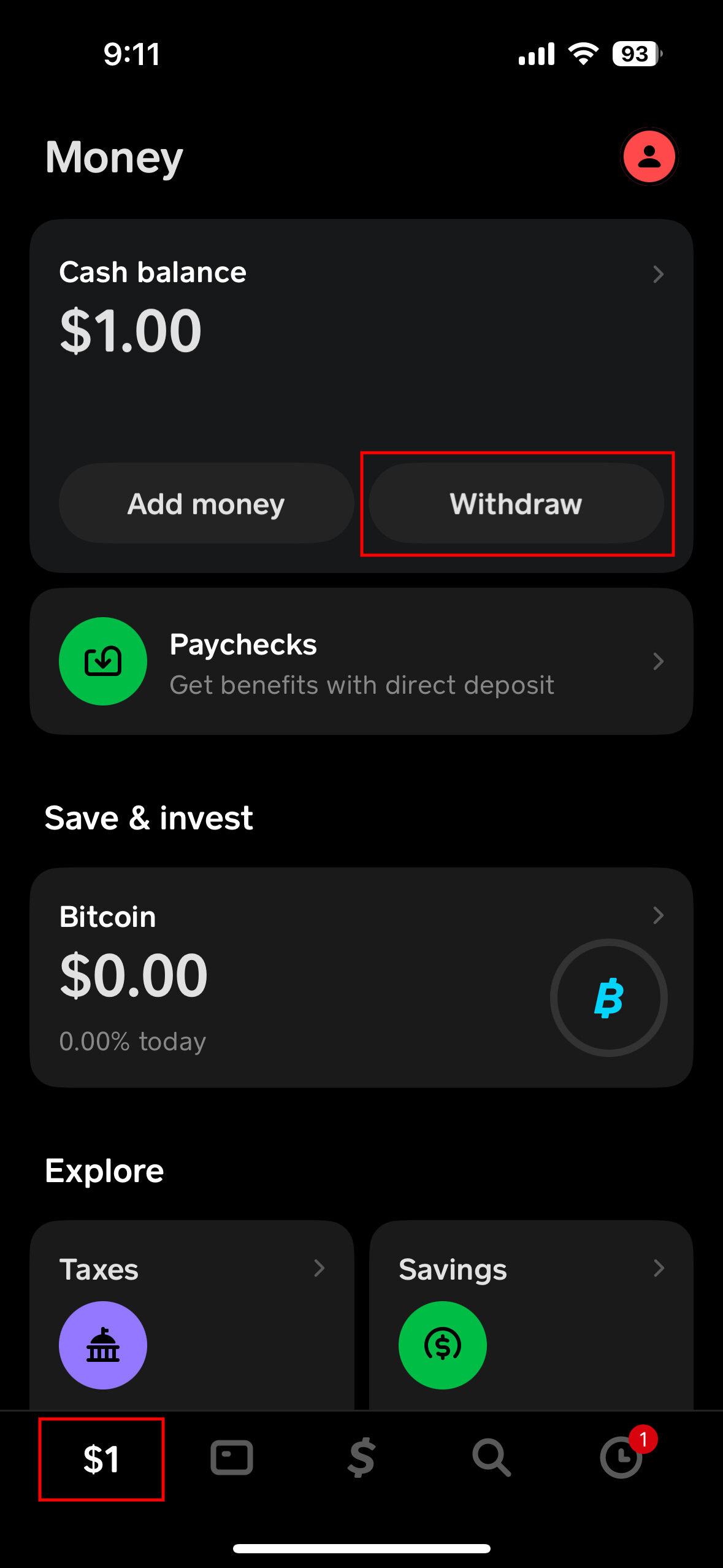
This guide delves into the precise mechanics of transferring money from Cash App to your bank, offering a detailed roadmap for both standard and instant deposits. We’ll explore the critical steps involved, demystify the associated fees and limits, and equip you with the knowledge to navigate potential challenges and safeguard your financial assets. By mastering this essential financial maneuver, you can ensure your money is always where you need it, when you need it, facilitating more informed and flexible personal finance management.
Understanding Cash App and Its Role in Modern Personal Finance
Cash App, developed by Block, Inc., has become a cornerstone of the peer-to-peer payment ecosystem, simplifying countless daily financial interactions. Its widespread adoption underscores a significant shift in how individuals manage and interact with their money, favoring speed and accessibility over traditional banking formalities for certain transactions. Understanding Cash App’s functionalities and its place within your financial toolkit is the first step toward efficient money management.
The Rise of Peer-to-Peer Payment Platforms
The advent of peer-to-peer (P2P) payment platforms has revolutionized how people exchange money. No longer confined to checks or lengthy bank transfers, individuals can now send and receive funds instantly with just a few taps on their smartphones. This convenience has been particularly transformative for splitting bills, repaying friends, and managing small business transactions. P2P platforms have democratized access to financial services, offering a digital wallet that is always at your fingertips, free from the constraints of banking hours or physical locations.
Cash App’s Core Features and Benefits
Cash App stands out with a suite of features that extend beyond simple P2P transfers. Users can directly deposit paychecks, invest in stocks and Bitcoin, and even acquire a customizable debit card – the Cash Card – which draws directly from their Cash App balance. For many, it serves as a primary, or at least a significant, conduit for managing discretionary spending and receiving payments. Its user-friendly interface and robust feature set make it an attractive option for a diverse demographic seeking efficiency and control over their finances.
Why Linking to a Bank Account is Essential
While Cash App offers a robust set of features, its full potential is realized when seamlessly integrated with a traditional bank account. Linking your bank allows you to:
- Access Funds: Transfer larger sums from Cash App for significant expenses or savings goals.
- Pay Bills: Use your bank account to pay utilities, rent, or loan installments, which typically require traditional banking channels.
- Consolidate Finances: Maintain a clearer overview of your financial health by having all your funds in one primary location.
- Increase Liquidity: Convert your digital balance into spendable cash at ATMs or through traditional banking services.
Without a linked bank account, funds within Cash App remain somewhat isolated, limiting their utility for broader financial obligations and long-term planning.
The Step-by-Step Process: Instant vs. Standard Transfers
Moving money from Cash App to your bank account is a straightforward process, but understanding the nuances between standard and instant transfers, along with proper setup, is crucial for efficiency and cost-effectiveness. The choice between these two methods hinges on your urgency and willingness to incur a small fee for immediate access.
Linking Your Bank Account to Cash App
Before initiating any transfer, your bank account must be securely linked to your Cash App profile. This is a one-time setup that establishes the pathway for funds to flow between the two entities.
- Open Cash App: Launch the application on your mobile device.
- Navigate to the Banking Tab: Tap the banking icon (usually a house or bank building icon) on the home screen.
- Select “Link Bank”: Choose the option to link a bank account.
- Follow Prompts: You’ll be asked to provide your bank’s routing number and your account number. Cash App uses secure third-party services to verify your bank account, often requiring you to log in to your online banking portal through their secure portal. This ensures the account belongs to you and minimizes fraud risks.
- Confirmation: Once successfully linked, your bank account will appear as an available option for withdrawals.
Initiating a Standard Transfer (1-3 Business Days)
The standard transfer method is the default and most common option. It’s free of charge but requires a waiting period for the funds to process and appear in your bank account.
- Tap the Banking Tab: From the Cash App home screen.
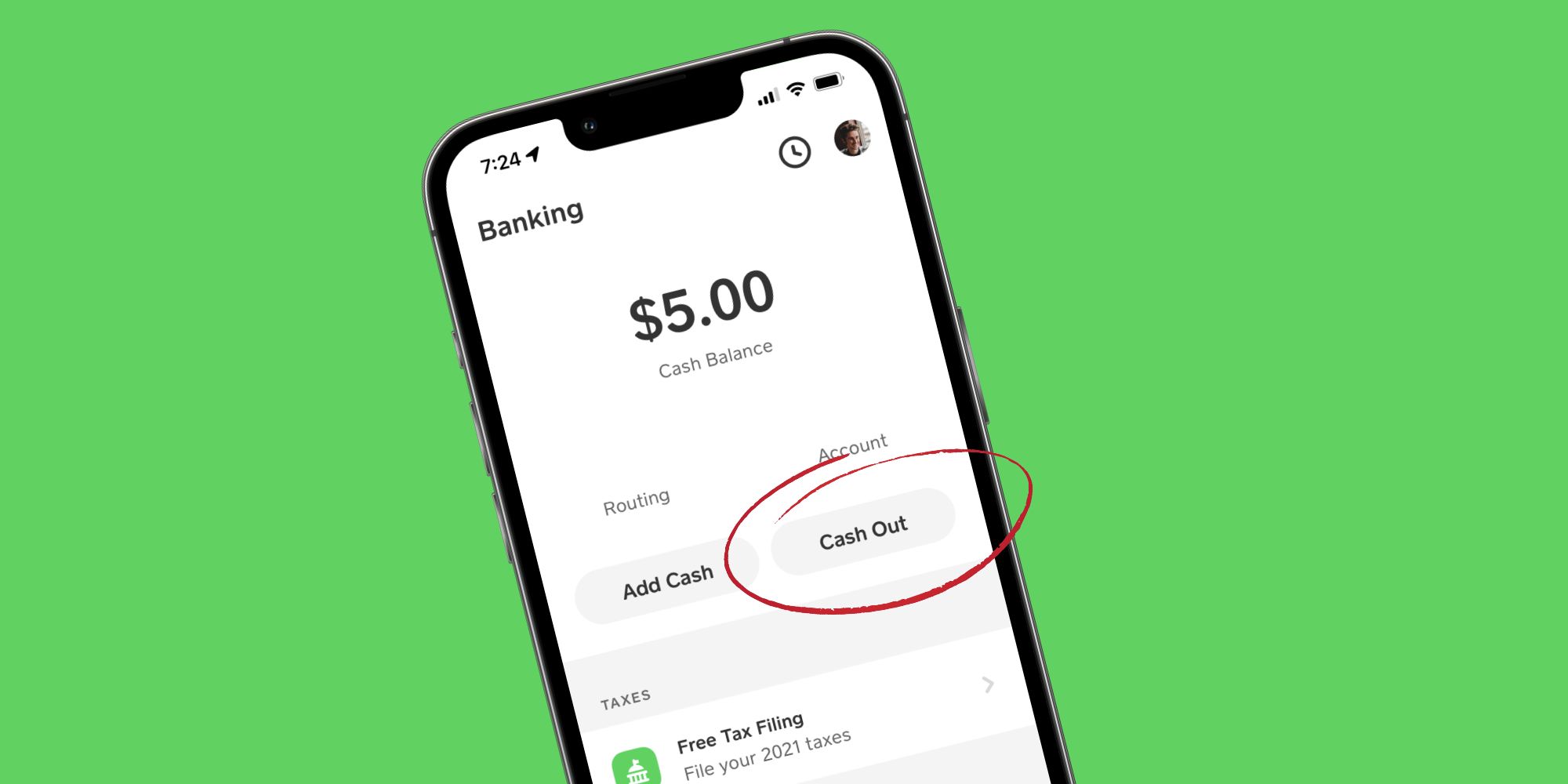
- Select “Cash Out”: This button is usually prominent.
- Enter Amount: Input the exact amount you wish to transfer.
- Choose “Standard” Transfer: Confirm that you want the free, standard transfer option.
- Confirm Details: Review the amount and the linked bank account to ensure accuracy.
- Tap “Confirm”: Your transfer will be initiated.
Funds typically arrive within 1 to 3 business days, excluding weekends and public holidays. This option is ideal for non-urgent situations where you can afford to wait for the funds.
Opting for an Instant Deposit (Immediate Transfer)
For situations demanding immediate access to your funds, Cash App offers an instant deposit option. This expedites the transfer, usually within minutes, but comes with a nominal fee.
- Tap the Banking Tab: From the Cash App home screen.
- Select “Cash Out”:
- Enter Amount: Input the exact amount you wish to transfer.
- Choose “Instant” Transfer: You’ll see the associated fee displayed (typically 0.5% to 1.75% of the transferred amount, with a minimum fee).
- Confirm Details: Review the amount, the fee, and the linked bank account.
- Tap “Confirm”: The funds should appear in your linked bank account almost immediately.
This option is invaluable for unexpected expenses, urgent bill payments, or any scenario where time is of the essence. It’s a trade-off between speed and cost, a decision often dictated by immediate financial needs.
Verifying Your Transfer Details
Regardless of the transfer method chosen, always double-check all details before confirming. This includes the amount being transferred and ensuring the correct linked bank account is selected. A simple mistake can lead to delays or, in worst-case scenarios, funds being sent to an unintended recipient, which can be difficult or impossible to reverse. Once confirmed, monitor your bank account statement for the incoming funds to ensure the transfer was successful and completed within the expected timeframe.
Navigating Fees, Limits, and Potential Delays
While Cash App simplifies money transfers, users must be aware of the operational parameters that govern these transactions. Fees, transfer limits, and potential delays are integral aspects of digital financial tools, and understanding them helps in planning and avoiding frustration.
Understanding Cash App Transfer Fees
The primary fee associated with moving money from Cash App to your bank account is for instant deposits. As mentioned, this typically ranges from 0.5% to 1.75% of the transaction amount. For example, transferring $100 instantly might incur a fee of $1.75. There is no fee for standard transfers, making it the most cost-effective option if you’re not in a hurry. These fees are transparently displayed before you confirm an instant transfer, allowing you to make an informed decision based on your financial urgency. For larger amounts, these fees can accumulate, so it’s wise to consider if the immediate access justifies the cost.
Daily, Weekly, and Monthly Transfer Limits
Cash App implements transfer limits for both sending and receiving money, as well as for cashing out to a bank account. These limits are primarily in place for security reasons and to comply with financial regulations.
- Unverified Accounts: Users with unverified accounts typically have lower limits. For instance, you might be able to send up to $250 within any 7-day period and receive up to $1,000 within any 30-day period. Cash-out limits would also be restricted.
- Verified Accounts: By verifying your identity (usually by providing your full name, date of birth, and the last four digits of your Social Security Number), you can significantly increase these limits. Verified users can send up to $7,500 per week and receive unlimited amounts. Cash-out limits for verified accounts are generally much higher, often up to $25,000 per week, allowing for greater financial flexibility.
It’s crucial to understand these limits, especially if you plan to transfer substantial amounts. If you anticipate needing to move large sums, verify your account well in advance to prevent any hindrances.
Common Reasons for Transfer Delays
While instant transfers are usually immediate, and standard transfers adhere to a 1-3 business day timeframe, delays can occasionally occur. Common reasons include:
- Bank Processing Times: Your bank’s internal processing procedures can sometimes extend the wait time. Some banks process incoming transfers only during specific hours.
- Weekends and Holidays: Financial institutions do not process transactions on non-business days, so transfers initiated on a Friday evening or before a holiday will experience delays until the next business day.
- Security Reviews: Large or unusual transactions may trigger automated security reviews by either Cash App or your bank, temporarily holding the funds for verification.
- Incorrect Information: Though less common with pre-linked accounts, if there was an issue during the linking process or if bank details have changed, it could cause a hold-up.
Troubleshooting Failed Transfers
If a transfer fails or funds don’t appear within the expected timeframe, take the following steps:
- Check Cash App Status: Review your Cash App activity feed to see if the transaction status shows as completed, pending, or failed.
- Contact Your Bank: Inquire with your bank about any pending or rejected incoming transfers, providing them with the exact amount and date of the transaction.
- Review Linked Account Details: Double-check that the correct bank account is still linked and that all details are accurate.
- Contact Cash App Support: If your bank cannot provide a resolution, or if Cash App indicates a successful transfer that hasn’t arrived, reach out to Cash App support directly through the app for assistance. Providing transaction IDs and relevant details will expedite the process.
Security Best Practices for Your Financial Transfers
In the digital age, financial security is paramount. While Cash App employs robust security measures, users also bear a significant responsibility in protecting their accounts and information. Adhering to best practices for security can prevent unauthorized access, fraudulent activities, and ensure the safe transfer of your funds.
Protecting Your Cash App Account
Your Cash App account is a gateway to your money, so safeguarding it is critical.
- Strong, Unique Passwords: Use complex passwords that combine letters, numbers, and symbols, and avoid reusing passwords across different platforms.
- Enable Two-Factor Authentication (2FA): This adds an extra layer of security, requiring a code sent to your phone or email in addition to your password, making it much harder for unauthorized users to access your account.
- Utilize a PIN or Fingerprint Lock: Set up a PIN or enable biometric authentication (fingerprint or face ID) within the app settings. This protects your account if your phone falls into the wrong hands.
- Regularly Review Activity: Periodically check your Cash App activity feed for any unfamiliar transactions. Report suspicious activity immediately.
Recognizing and Avoiding Scams
Scammers frequently target users of popular financial apps. Be vigilant against common tactics:
- Phishing Attempts: Beware of emails or messages pretending to be from Cash App asking for your login credentials or personal information. Cash App will never ask for your PIN or sign-in code outside of the app.
- Fake Customer Support: Only use official Cash App support channels. Scammers often set up fake support phone numbers or websites to trick users into revealing sensitive information.
- “Payment Pending” Scams: Do not send money to someone promising to “release” a larger sum to you. Cash App payments are instant; there is no such thing as a “pending” payment that requires you to send money first.
- Unsolicited Requests: Be skeptical of requests for money from strangers or offers that seem too good to be true. If you don’t know the sender or the reason for the payment, it’s best to decline.
The Importance of Up-to-Date Contact Information
Ensure your phone number and email address linked to your Cash App account are current and secure. These are crucial for receiving notifications about your transactions, security alerts, and for verifying your identity for customer support. If your contact information changes, update it within the app immediately. Losing access to your registered phone number or email can complicate account recovery or transaction verification.
When to Contact Cash App Support or Your Bank
Knowing when to seek professional help is vital.
- Cash App Support: Contact Cash App support via the app or their official website for issues like unauthorized transactions, account access problems, failed transfers where Cash App shows a successful completion, or any suspicious activity directly related to your Cash App account.
- Your Bank: Contact your bank for issues related to funds not appearing in your bank account after Cash App indicates a successful transfer, or if you suspect fraudulent activity originating from your bank account rather than Cash App itself.
Always provide as much detail as possible, including dates, amounts, and transaction IDs, to expedite the resolution process. Prompt reporting of security breaches or suspicious activity is key to mitigating potential financial losses.
Strategic Money Management with Cash App and Your Bank
Integrating Cash App into a broader, well-thought-out financial strategy can significantly enhance your ability to manage daily expenses, savings, and investments. Rather than viewing Cash App and your traditional bank account as separate entities, consider them complementary tools that, when used strategically, contribute to optimal financial health.
Leveraging Both Platforms for Optimal Financial Health
The synergy between Cash App and your bank account allows for a dynamic approach to personal finance.
- Budgeting and Spending Segmentation: Use Cash App for discretionary spending, such as dining out, entertainment, or small online purchases. This keeps these flexible expenses separate from your main banking account, which can be reserved for fixed costs like rent, utilities, and savings. By compartmentalizing funds, you gain clearer insight into your spending habits and can adhere more closely to your budget.
- Emergency Fund Access: While your primary emergency fund should ideally reside in a high-yield savings account at your bank, Cash App can serve as a quick conduit for small, immediate emergency needs, offering rapid transfers when time is critical.
- Dedicated Savings Goals: Utilize your bank account for long-term savings goals, investments, and larger financial planning. Cash App can then handle the day-to-day fluidity, ensuring that your core savings remain undisturbed.
Integrating Cash App into Your Broader Financial Strategy
Consider how Cash App fits into your overall financial ecosystem:
- Receiving Income: If you receive payments through Cash App (e.g., from freelancing, side hustles, or direct deposit), integrate a regular transfer schedule to move these funds to your primary bank account for bill payment and savings. This ensures your earnings are consolidated and accessible for all financial obligations.
- Micro-Investing and Bitcoin: For those exploring micro-investing or Bitcoin through Cash App, develop a strategy for when and how profits (or initial investments) will be moved to your bank account for diversification or other financial goals. Treat these investments as part of your broader portfolio, not isolated experiments.
- Tracking and Reporting: While Cash App provides activity logs, regularly reconciling these with your bank statements helps maintain accurate financial records. This is invaluable for budgeting, tax preparation, and overall financial oversight.
Future Trends in Digital Banking and P2P Payments
The financial landscape is continuously evolving. Staying informed about emerging trends in digital banking and P2P payments can help you adapt your financial strategies.
- Enhanced Interoperability: Expect greater seamlessness between different financial platforms and traditional banks, reducing friction in transfers and data sharing.
- Advanced Security Features: As technology advances, so too will security measures, with biometrics, AI-driven fraud detection, and blockchain technologies becoming more prevalent.
- Personalized Financial Tools: Apps will increasingly offer personalized insights, automated budgeting, and tailored financial advice based on your spending habits and goals.
Embracing these advancements while maintaining a solid understanding of fundamental financial principles will empower you to make the most of digital tools like Cash App and ensure a secure, efficient financial journey.
Conclusion
Mastering the process of moving money from Cash App to your bank account is a fundamental skill for anyone leveraging modern digital payment platforms. It represents a crucial bridge between the convenience of instant digital transactions and the stability and comprehensive services of traditional banking. By understanding the straightforward steps for both standard and instant transfers, familiarizing yourself with associated fees and limits, and adhering to diligent security practices, you can ensure your funds are always accessible and secure.
This guide has aimed to demystify the mechanics, offering clear instructions and insights into potential challenges. More importantly, it underscores the value of integrating Cash App into a holistic personal finance strategy. When used thoughtfully, alongside your primary bank account, Cash App becomes more than just a payment tool; it transforms into an integral component of efficient money management, empowering you to navigate your financial life with greater flexibility, control, and peace of mind. As digital finance continues to evolve, staying informed and proactive in managing your funds across all platforms will be key to financial success.
aViewFromTheCave is a participant in the Amazon Services LLC Associates Program, an affiliate advertising program designed to provide a means for sites to earn advertising fees by advertising and linking to Amazon.com. Amazon, the Amazon logo, AmazonSupply, and the AmazonSupply logo are trademarks of Amazon.com, Inc. or its affiliates. As an Amazon Associate we earn affiliate commissions from qualifying purchases.