
Managing your finances is perhaps the most critical life skill that is rarely taught in a formal classroom setting. It is the bridge between earning a living and building a life of freedom, security, and choice. In an era of economic volatility, rising inflation, and evolving digital marketplaces, the ability to command your capital—rather than being commanded by your expenses—is what separates those who struggle from those who thrive. Comprehensive financial management is not merely about restriction; it is about the strategic allocation of resources to meet your current needs while aggressively securing your future self.

Mastering the Art of Cash Flow: Beyond Basic Budgeting
The foundation of all financial success is a granular understanding of cash flow. Most individuals view budgeting as a restrictive exercise in deprivation, but in reality, a budget is a roadmap for your money. It ensures that every dollar has a job to do. To manage your finances effectively, you must transition from passive observation to active direction.
The 50/30/20 Framework
One of the most effective ways to categorize your spending is the 50/30/20 rule. This framework suggests that 50% of your after-tax income should go toward “Needs” (housing, utilities, groceries, transportation), 30% toward “Wants” (dining out, hobbies, subscriptions), and 20% toward “Financial Goals” (debt repayment, savings, and investments). By adopting this structure, you create an automatic boundary that prevents lifestyle creep from eroding your long-term wealth.
The Power of Sinking Funds
While most people account for monthly bills, they often fail to prepare for irregular but predictable expenses, such as car repairs, annual insurance premiums, or holiday spending. This is where “sinking funds” become essential. By setting aside a small amount each month specifically for these categories in separate high-yield savings accounts, you eliminate the need to rely on credit cards when these “surprises” occur. This proactive approach stabilizes your cash flow and reduces the psychological stress of seasonal expenses.
Establishing the Emergency Buffer
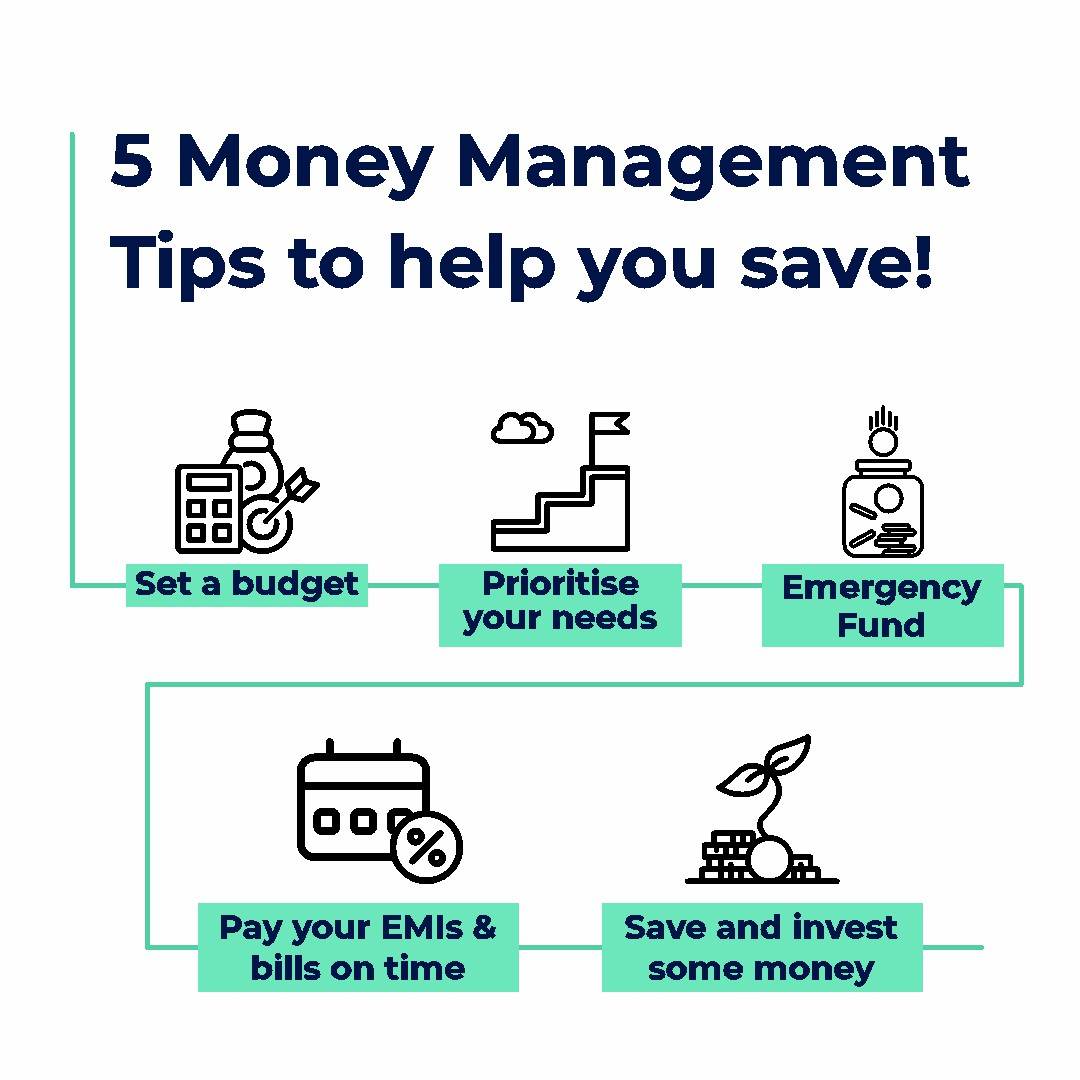
Before any serious investing can begin, an emergency fund must be established. The standard recommendation is three to six months of essential living expenses. This fund serves as your financial insurance policy. It prevents a job loss or a medical emergency from turning into a catastrophic debt cycle. In the current economic climate, keeping these funds in a High-Yield Savings Account (HYSA) is vital, as it allows your liquid cash to earn a competitive interest rate, partially offsetting the effects of inflation.
The Architecture of Debt Eradication and Credit Health
Debt is often the greatest anchor weighing down a person’s financial progress. However, managing finances effectively requires a nuanced understanding of the difference between “toxic debt” and “strategic leverage.” Toxic debt, such as high-interest credit card balances, compounds against you, while strategic debt, such as a low-interest mortgage or certain business loans, can be a tool for asset acquisition.
Strategies for Debt Repayment
When facing multiple debts, two primary psychological and mathematical strategies emerge: the Debt Snowball and the Debt Avalanche. The Snowball method focuses on paying off the smallest balances first to gain psychological momentum. The Avalanche method focuses on the debts with the highest interest rates first, which is mathematically the most efficient way to save money on interest. Choosing the right method depends on your personal temperament, but the key is consistency and the “debt roll-over” effect—applying the payment of a cleared debt toward the next one on the list.
Understanding and Optimizing Credit Scores
Your credit score is more than just a number; it is a financial passport that determines the cost of your future borrowing. A high credit score can save you hundreds of thousands of dollars over the life of a mortgage. Managing your finances means monitoring your credit utilization—the ratio of your credit card balances to your limits—and ensuring it stays below 30%. Timely payments are the most significant factor in your score, but the length of your credit history and the mix of account types also play pivotal roles.
Avoiding the Minimum Payment Trap
Credit card companies thrive on consumers who only pay the minimum balance. This is a design intended to keep you in debt for decades while maximizing the interest paid to the lender. A robust financial management plan mandates paying credit card balances in full every month. If you cannot afford to pay for an item in cash, you generally cannot afford to put it on a credit card unless it is an absolute emergency.
Strategic Wealth Building: Investing with Intent
Once your cash flow is stabilized and high-interest debt is managed, the focus must shift toward wealth creation. Saving is defensive, but investing is offensive. To outpace inflation and build a retirement corpus, you must put your money to work in the global markets.
The Miracle of Compounding and Time
The most potent tool in the investor’s arsenal is time. Compound interest is the process where the value of an investment grows because the earnings on an investment earn interest as time passes. Starting to invest in your 20s with a smaller amount can lead to a significantly larger portfolio than starting in your 40s with a much larger monthly contribution. Understanding this “time value of money” is central to long-term financial management.
Asset Allocation and Diversification
A sophisticated financial plan avoids “putting all your eggs in one basket.” Diversification involves spreading your investments across different asset classes—such as stocks, bonds, real estate, and commodities—to reduce risk. Within your stock portfolio, you should further diversify across different sectors and geographies. For the average individual, low-cost broad-market index funds or Exchange-Traded Funds (ETFs) are often the most efficient way to achieve this diversification without the high fees and risks associated with picking individual stocks.
Maximizing Tax-Advantaged Accounts
In the United States and many other jurisdictions, the government provides tax incentives to encourage retirement saving. Accounts like the 401(k), 403(b), and Individual Retirement Accounts (IRAs) allow your investments to grow tax-deferred or tax-free. If your employer offers a matching contribution to a 401(k), failing to contribute up to that match is effectively walking away from a 100% return on your money. Managing your finances effectively requires a deep dive into these vehicles to ensure you are minimizing your tax liability over the long term.
Revenue Diversification: Building Resilience Through Multiple Income Streams
In the modern economy, relying on a single source of income—usually a W-2 salary—is a significant risk. If that single source is removed, your entire financial structure collapses. Managed finances should include a strategy for diversifying your income through side hustles, passive income, or business ventures.
The Rise of the Side Hustle
The digital age has democratized the ability to earn extra income. Whether it is consulting in your field of expertise, freelancing via digital platforms, or monetizing a specific skill set, side hustles provide a secondary layer of financial security. This additional income should not be used to inflate your lifestyle; instead, it should be directed toward accelerated debt repayment or aggressive investing.
Generating Passive Income
Passive income is the “holy grail” of personal finance—earning money while you sleep. This can be achieved through dividend-paying stocks, rental real estate, or creating digital products like e-books or courses. While most passive income streams require a significant upfront investment of either time or capital, they eventually provide a cash flow that is decoupled from your hourly labor.
Entrepreneurship and Scalable Systems
For those looking to achieve true financial independence early, building a business offers scalability that a salary cannot match. By creating systems that provide value to others, you can create a wealth-generating engine. This requires a shift in mindset from being a consumer to being a producer. Managing your finances in this context involves understanding business expenses, tax deductions for the self-employed, and reinvesting profits into the business for future growth.
Safeguarding Your Financial Future: Risk Management and Legacy
Effective financial management is as much about keeping your money as it is about making it. Without proper risk management, a lifetime of diligent saving and investing can be wiped out by a single unforeseen event.
The Role of Insurance
Insurance is the transfer of risk. You should be adequately insured for things you cannot afford to pay for out of pocket. This includes health insurance, term life insurance (to protect dependents), disability insurance (to protect your ability to earn), and homeowners/renters insurance. Avoid “permanent” or “whole life” insurance policies that often come with high fees and low returns; for most, buying term life and investing the difference is a superior financial strategy.
Tax Efficiency and Estate Planning
As your net worth grows, tax efficiency becomes a primary concern. This involves strategies like tax-loss harvesting, where you sell underperforming assets to offset gains, and being mindful of the “capital gains” tax rates. Furthermore, estate planning ensures that your assets are distributed according to your wishes after your passing. This includes maintaining an updated will, designating beneficiaries on all accounts, and potentially setting up trusts to avoid the costly and lengthy process of probate.
The Psychology of Maintenance
Ultimately, managing your finances is a psychological game. It requires the discipline to delay gratification and the resilience to stay the course during market downturns. It is helpful to automate as much as possible—automatic transfers to savings, automatic investment contributions, and automatic bill payments. By removing the need for monthly decision-making, you reduce “decision fatigue” and ensure that your financial plan executes itself regardless of your emotional state.
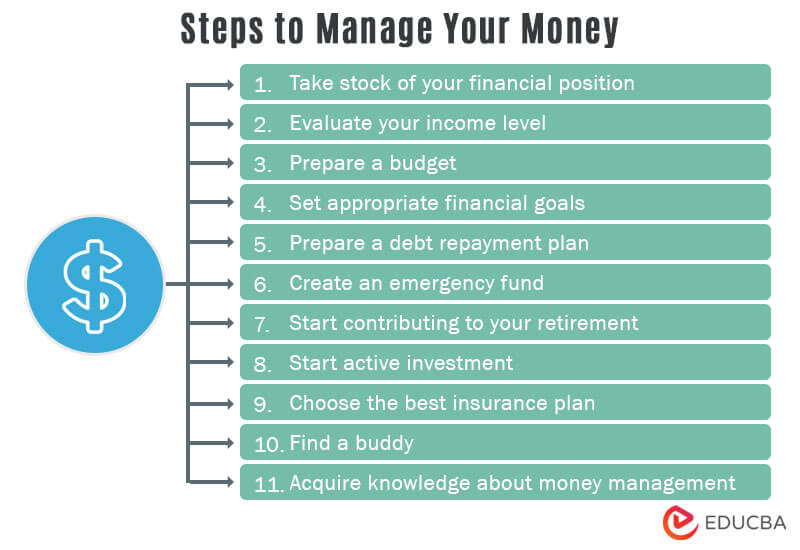
True financial management is a continuous cycle of earning, budgeting, protecting, and growing. It is a holistic approach that views money not as an end goal, but as a tool to facilitate a life of purpose. By mastering these pillars—cash flow, debt, investing, income diversification, and risk management—you position yourself to navigate the complexities of the modern world with confidence and clarity.
aViewFromTheCave is a participant in the Amazon Services LLC Associates Program, an affiliate advertising program designed to provide a means for sites to earn advertising fees by advertising and linking to Amazon.com. Amazon, the Amazon logo, AmazonSupply, and the AmazonSupply logo are trademarks of Amazon.com, Inc. or its affiliates. As an Amazon Associate we earn affiliate commissions from qualifying purchases.