
In an increasingly complex world, mastering the art of personal finance is not just a desirable skill, but a fundamental necessity for achieving stability, growth, and peace of mind. Effective financial management empowers individuals to navigate life’s inevitable challenges, seize opportunities, and ultimately build a future aligned with their deepest aspirations. It’s about taking control of your financial destiny rather than letting circumstances dictate it. This comprehensive guide will illuminate the pathways to financial mastery, offering actionable strategies and profound insights into cultivating a robust financial life. From understanding your current financial standing to investing for the future and protecting your wealth, we will explore the essential components of sound personal finance management, encouraging a proactive and informed approach to money.
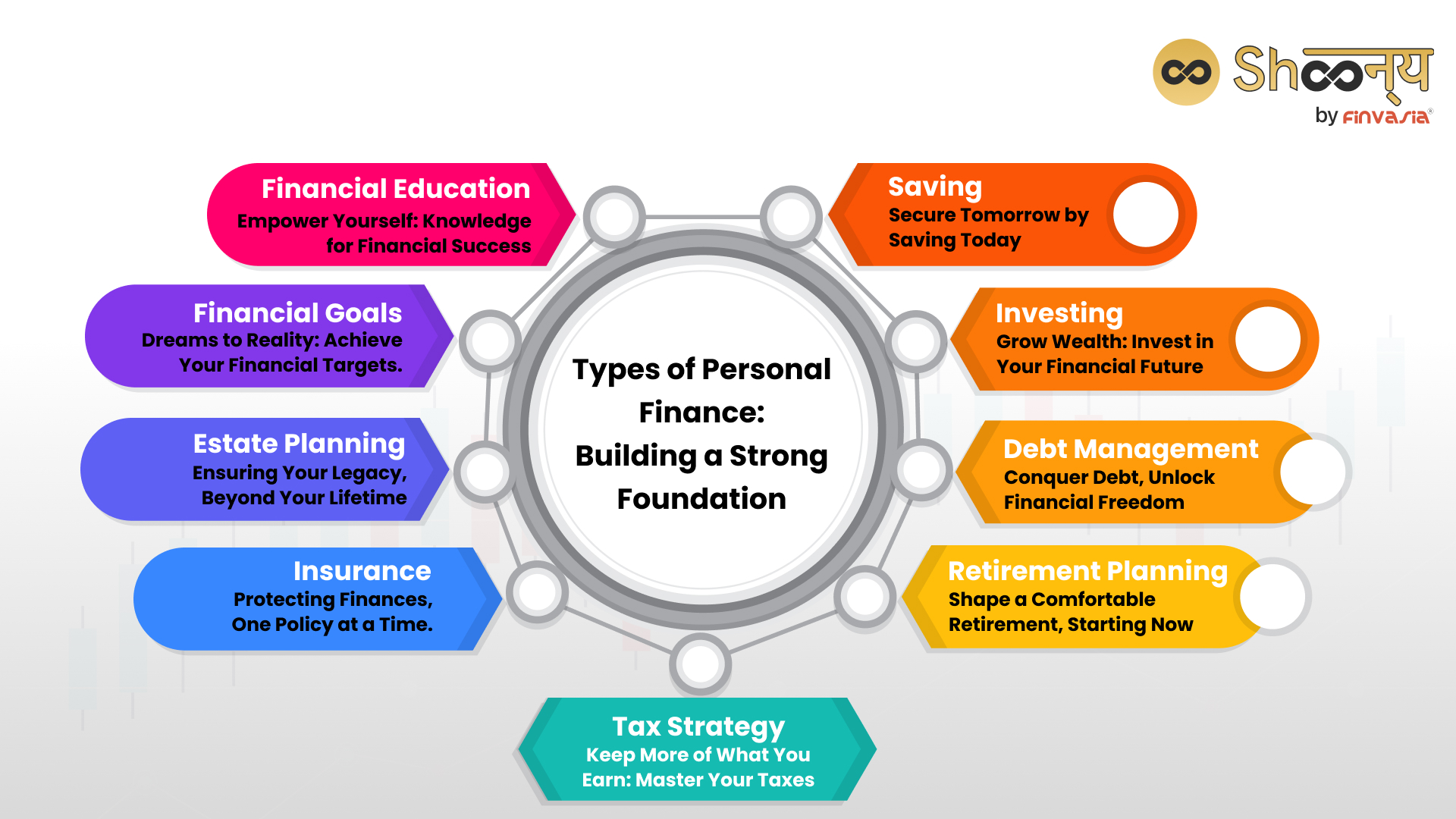
Laying the Foundation: Understanding Your Financial Landscape
Before you can chart a course for your financial future, you must first understand where you stand. This foundational step involves an honest assessment of your current financial situation, the establishment of clear, measurable goals, and the creation of a practical spending plan. Without these critical insights, any attempts at managing your finances will be akin to sailing without a compass.
Assessing Your Current Financial Health
The first step in any financial journey is an honest audit of your current financial health. This involves compiling a snapshot of your assets, liabilities, income, and expenses.
- Net Worth Calculation: Your net worth is a critical indicator of your financial standing, representing what you own minus what you owe. List all your assets (cash, savings, investments, real estate, valuable possessions) and subtract your liabilities (mortgages, car loans, student loans, credit card debt). A positive and growing net worth signifies progress. Regularly calculating your net worth provides a powerful benchmark for measuring your financial journey. It’s a tangible representation of your financial progress over time, allowing you to see the impact of your decisions, both good and bad. This exercise can be a stark wake-up call or a reassuring affirmation, but either way, it provides clarity that is indispensable for planning.
- Income and Expense Tracking: Understanding where your money comes from and, more importantly, where it goes, is paramount. Track every penny you earn and spend for at least a month, using a spreadsheet, budgeting app, or even a simple notebook. This exercise often reveals surprising insights into spending habits and potential areas for optimization. Many individuals are astonished to discover how much they spend on discretionary items once they meticulously track their outflows. This is not about judgment but about gaining a clear, unbiased view of your financial reality.
Setting Clear Financial Goals
With a clear understanding of your current position, the next step is to define where you want to go. Financial goals provide the motivation and direction for your money management efforts.
- Short-term Goals (1-3 years): These might include building an emergency fund, paying off high-interest credit card debt, saving for a down payment on a car, or funding a much-needed vacation. These goals require immediate attention and specific action plans. Achieving short-term goals provides crucial momentum and builds confidence for tackling larger objectives.
- Mid-term Goals (3-10 years): Examples include saving for a larger down payment on a home, funding a child’s education, or making significant contributions to a retirement account. These goals require more sustained effort and consistent savings strategies. They often involve a combination of saving and investing to maximize growth over a longer horizon.
- Long-term Goals (10+ years): This primarily revolves around retirement planning, significant wealth accumulation, or leaving a legacy. Long-term goals demand foresight, consistent investment, and regular review to ensure you remain on track. The power of compounding interest is most evident in long-term planning, making early and consistent contributions incredibly impactful. When setting goals, use the SMART framework: Specific, Measurable, Achievable, Relevant, and Time-bound. This ensures your goals are not just dreams but actionable objectives.
Creating a Realistic Budget
A budget is not about restriction; it’s about intentional spending and aligning your money with your values and goals. It’s your financial roadmap.
- Categorizing Expenses: Group your expenses into fixed (rent/mortgage, loan payments, insurance) and variable (groceries, entertainment, dining out, utilities). This distinction helps identify areas where you have more control.
- Allocating Funds: Based on your income and goals, allocate specific amounts to each category. A popular framework is the 50/30/20 rule: 50% of your income for needs, 30% for wants, and 20% for savings and debt repayment. Adjust this to fit your unique situation.
- Regular Review and Adjustment: A budget is a living document. Life changes, so your budget should too. Review it monthly or quarterly, making adjustments as your income, expenses, or goals evolve. Be flexible, but also hold yourself accountable. The act of budgeting fosters a mindful approach to spending, transforming it from an impulsive act to a deliberate choice.
Mastering Your Cash Flow: Income and Expenditure Strategies
Once your foundation is laid, the focus shifts to the dynamic management of your income and expenses. This involves optimizing your earnings and strategically controlling your outflows to maximize your savings potential and achieve your financial goals more rapidly.
Optimizing Income Streams
While budgeting helps control spending, increasing your income can significantly accelerate your financial progress.
- Primary Income Enhancement: Explore opportunities for advancement, salary negotiations, or acquiring new skills to boost your primary income. Continuous learning and professional development are investments that often yield significant returns. Don’t be afraid to advocate for your worth in the workplace. Research market rates for your position and be prepared to articulate your value and contributions.
- Secondary Income Sources (Side Hustles): Consider developing a side hustle or leveraging existing skills to generate additional income. This could range from freelancing, consulting, teaching, or starting a small online business. Side hustles not only provide extra cash but can also offer a creative outlet and develop new skills. Platforms like Upwork, Fiverr, or even local community boards offer avenues to explore.
- Passive Income Generation: While often requiring initial effort or capital, passive income streams (e.g., dividends from investments, rental income, royalties, high-yield savings accounts) can provide consistent cash flow with minimal ongoing effort. This is a long-term strategy but incredibly powerful for wealth building.
Strategic Expense Management
Controlling where your money goes is as crucial as increasing what comes in. This doesn’t mean deprivation but rather mindful consumption.
- Distinguishing Needs vs. Wants: Clearly differentiate between essential needs (housing, food, utilities, transportation) and discretionary wants (dining out, entertainment, designer clothes). While wants are important for quality of life, understanding their impact on your budget is vital. Prioritize needs first, then allocate funds for wants consciously.
- Cutting Unnecessary Costs: Review your tracked expenses for areas where you can reduce or eliminate spending without significantly impacting your quality of life. This could involve cancelling unused subscriptions, cooking more meals at home, negotiating better rates for services, or making more informed purchasing decisions. Small, consistent cuts can add up to substantial savings over time.
- Mindful Consumption: Adopt a mindset of mindful consumption. Before making a purchase, ask yourself if you truly need it, if it aligns with your values, and if you can afford it without derailing your financial goals. Delaying gratification can often lead to better decisions and prevent impulse buys.
The Power of Saving and Emergency Funds
Saving is the bedrock of financial security. It provides a buffer against unforeseen circumstances and the capital for future investments.

- Automate Your Savings: Set up automatic transfers from your checking account to your savings account each payday. Treat savings as a fixed expense – pay yourself first. This removes the temptation to spend the money and ensures consistency.
- Building an Emergency Fund: This is non-negotiable. Aim to save 3-6 months’ worth of living expenses in an easily accessible, high-yield savings account. This fund acts as a safety net for unexpected job loss, medical emergencies, or significant car/home repairs, preventing you from incurring debt or derailing other financial goals. The peace of mind an emergency fund provides is invaluable.
- Saving for Specific Goals: Create separate savings accounts for specific short-term and mid-term goals. This helps you visualize progress and keeps funds earmarked for their intended purpose, reducing the likelihood of dipping into them for other reasons.
Smart Money Moves: Investing and Debt Management
Once you have a handle on your cash flow and an emergency fund in place, the next crucial step is to make your money work harder for you. This involves intelligently managing debt and strategically investing for long-term growth.
Understanding Debt: Good vs. Bad Debt
Not all debt is created equal. Understanding the distinction is vital for effective financial management.
- Bad Debt: Typically high-interest consumer debt like credit card balances, payday loans, or store credit. This debt often depreciates in value quickly and can spiral out of control, eroding your financial health. Prioritize paying off bad debt aggressively, often using strategies like the “debt snowball” or “debt avalanche” methods.
- Good Debt: Debt used to acquire an asset that appreciates in value or generates income, or debt that helps you achieve a higher earning potential. Examples include a mortgage on a home, student loans for education, or a business loan for a profitable venture. While still needing careful management, good debt can be a tool for wealth creation.
- Debt Repayment Strategies: Develop a clear strategy for paying down debt. The debt avalanche method (paying off highest interest debt first) saves the most money, while the debt snowball method (paying off smallest balance first) provides psychological wins. Choose the method that best suits your motivation. Negotiate lower interest rates where possible and consolidate high-interest debt if it makes financial sense.
The Basics of Investing
Investing is where your money truly begins to work for you, potentially outstripping inflation and building substantial wealth over time.
- Understanding Risk Tolerance: Before investing, assess your comfort level with risk. Younger individuals with a longer time horizon can typically afford to take on more risk, while those closer to retirement generally opt for more conservative investments. Your risk tolerance should guide your asset allocation.
- Diversification: The golden rule of investing: “Don’t put all your eggs in one basket.” Spread your investments across different asset classes (stocks, bonds, real estate, commodities) and within those classes (various industries, geographies) to mitigate risk. Diversification smooths out returns and protects against significant losses in any single area.
- Asset Classes and Vehicles:
- Stocks: Represent ownership in a company, offering potential for high growth but also higher volatility.
- Bonds: Loans made to governments or corporations, offering more stable returns and lower risk than stocks.
- Mutual Funds & ETFs (Exchange Traded Funds): Pooled investments managed by professionals, offering instant diversification across many stocks or bonds with a single purchase. Excellent for beginners.
- Retirement Accounts: Utilize tax-advantaged accounts like 401(k)s, IRAs (Traditional or Roth), and HSAs. These offer significant tax benefits and are crucial for long-term wealth building. Maximize contributions, especially if your employer offers a 401(k) match, which is essentially free money.
- Start Early and Invest Consistently: The power of compounding interest means that money invested early has more time to grow exponentially. Regular, consistent contributions, even small ones, can lead to substantial wealth over decades. Adopt a “set it and forget it” approach with automated investments.
Planning for Major Life Events
Financial planning extends beyond daily budgets and general investing; it involves strategic preparation for life’s significant milestones.
- Retirement Planning: This is arguably the most critical long-term goal. Start early, contribute consistently to tax-advantaged accounts, and regularly assess if you are on track to meet your retirement income needs. Consider consulting a financial advisor for personalized retirement planning.
- Homeownership: Saving for a down payment, understanding mortgage options, and factoring in closing costs and ongoing maintenance are crucial steps. A home is often the largest asset an individual will acquire, demanding thorough financial preparation.
- Education Funding: Whether for your own advancement or a child’s future, saving for education requires a dedicated strategy, often involving 529 plans or other educational savings vehicles.
- Marriage and Family Planning: These events bring new financial considerations, including joint finances, life insurance needs, and potentially increased living expenses. Open communication about money is vital for couples.
Protecting Your Wealth and Future
Building wealth is only half the battle; protecting it from unforeseen risks and ensuring its smooth transfer to future generations is equally important. This involves strategic insurance coverage and thoughtful estate planning.
Insurance Essentials
Insurance acts as a financial safety net, protecting you and your assets from catastrophic loss.
- Health Insurance: A non-negotiable in most modern societies. Protects against exorbitant medical costs. Understand your deductible, co-pays, and out-of-pocket maximums.
- Life Insurance: Provides financial support to your dependents in the event of your death. Term life insurance is often suitable for most families, covering a specific period, while whole life insurance offers a savings component but is more expensive.
- Disability Insurance: Replaces a portion of your income if you become unable to work due to illness or injury. Often overlooked, but critical for protecting your earning potential.
- Property and Casualty Insurance: Homeowner’s/renter’s insurance protects your dwelling and belongings, while auto insurance is typically mandatory and protects against accident-related costs. Consider umbrella insurance for additional liability coverage.
Estate Planning Fundamentals
While often uncomfortable to discuss, thoughtful estate planning ensures your wishes are honored and your loved ones are cared for.
- Wills and Trusts: A will dictates how your assets will be distributed after your death. Trusts can offer more control, privacy, and potentially tax advantages.
- Beneficiary Designations: Ensure that beneficiary designations on your retirement accounts, life insurance policies, and other financial accounts are up-to-date. These designations often supersede your will.
- Power of Attorney: Designate someone to make financial and healthcare decisions on your behalf if you become incapacitated. This prevents legal battles and ensures your affairs are managed according to your wishes.

Regular Financial Review and Adjustment
Personal finance is not a one-time event but an ongoing process. Regular review is essential to adapt to life changes and maintain progress.
- Annual Financial Check-up: Dedicate time each year to review your budget, net worth, investment performance, debt levels, and insurance coverage. Are your goals still relevant? Are you on track?
- Adapt to Life Changes: Major life events—marriage, children, job changes, divorce, inheritance—all necessitate a re-evaluation and adjustment of your financial plan.
- Seek Professional Advice: For complex situations, consider consulting a certified financial planner. They can provide personalized advice, help with investment strategies, retirement planning, and estate planning, ensuring your financial plan is robust and aligned with your long-term objectives. A good advisor acts as a trusted partner, offering expertise and accountability.
In conclusion, managing personal finances is a continuous journey that demands discipline, education, and adaptability. By establishing a solid foundation, mastering your cash flow, making smart investment and debt decisions, and protecting your hard-earned wealth, you can unlock a future of financial security and freedom. It’s an empowering process that transforms uncertainty into confidence, allowing you to live a life aligned with your values and aspirations. Take control, stay informed, and commit to the ongoing practice of wise financial stewardship. Your future self will thank you.
aViewFromTheCave is a participant in the Amazon Services LLC Associates Program, an affiliate advertising program designed to provide a means for sites to earn advertising fees by advertising and linking to Amazon.com. Amazon, the Amazon logo, AmazonSupply, and the AmazonSupply logo are trademarks of Amazon.com, Inc. or its affiliates. As an Amazon Associate we earn affiliate commissions from qualifying purchases.