
Managing money wisely is far more than a mathematical exercise; it is a discipline that combines psychological resilience, strategic planning, and a deep understanding of economic principles. In an era of constant consumption and fluctuating market conditions, financial literacy has become the ultimate survival skill. To manage money effectively is to transition from a state of reactive survival to one of proactive wealth creation. This process requires a structural overhaul of how one views income, debt, and the passage of time.
The Foundation: Building a Bulletproof Budgeting System
The cornerstone of financial wisdom is the realization that if you do not tell your money where to go, it will simply disappear. Budgeting is often misunderstood as a restrictive practice designed to limit enjoyment. In reality, a well-structured budget is a roadmap that grants you permission to spend without guilt, provided your future is already secured.
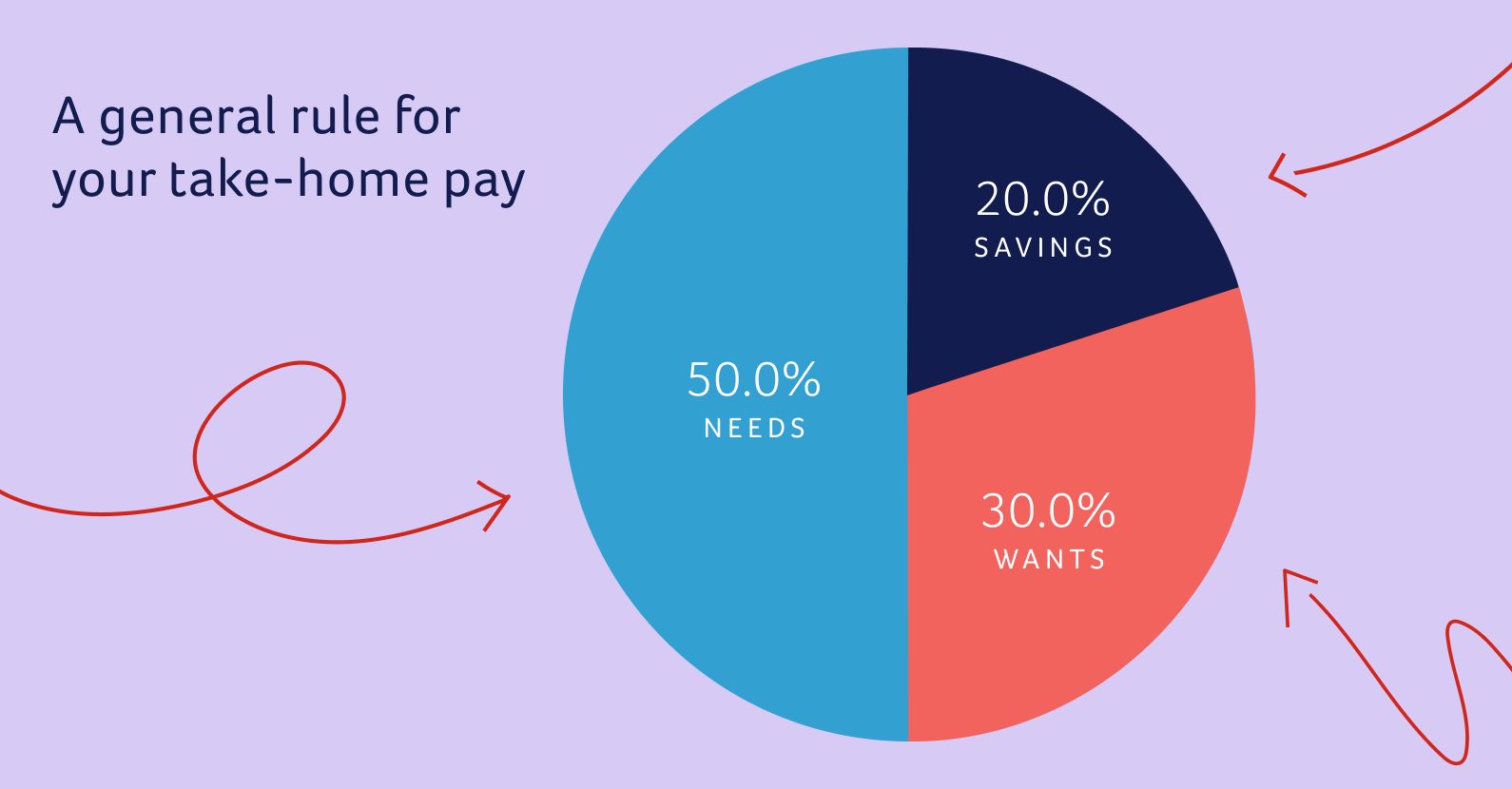
The 50/30/20 Rule of Allocation
One of the most effective frameworks for the modern earner is the 50/30/20 rule. This methodology divides after-tax income into three distinct buckets. Fifty percent is allocated to “Needs”—the non-negotiable expenses such as housing, utilities, groceries, and insurance. Thirty percent is dedicated to “Wants,” allowing for lifestyle choices, hobbies, and dining out. The final twenty percent is the most critical: “Financial Goals.” This includes debt repayment, emergency fund contributions, and long-term investments. By adhering to this ratio, you ensure that your lifestyle never outpaces your ability to build wealth.
Implementing Zero-Based Budgeting
For those who require more granular control, zero-based budgeting is the gold standard. The core philosophy is that every single dollar of your monthly income must be assigned a “job” before the month begins. If you earn $5,000, your total expenses, savings, and debt payments must equal exactly $5,000. This eliminates the “leakage” that often occurs when surplus cash sits idle in a checking account, only to be spent on impulsive, low-value purchases.
Leveraging Financial Tools and Automation
In the digital age, manual tracking is often the primary point of failure for many budgets. Wise money management involves utilizing software and apps that sync with your bank accounts to categorize spending in real-time. Furthermore, automation is the “secret weapon” of the financially successful. By automating transfers to savings and investment accounts on payday, you remove the element of human willpower from the equation. When money is moved before you have the chance to spend it, you naturally adapt your lifestyle to the remaining balance.
Strategic Debt Liquidation and the Emergency Buffer
Debt is the single greatest anchor weighing down financial progress. While some forms of debt, such as a low-interest mortgage, can be viewed as “strategic leverage,” high-interest consumer debt is a wealth-killer. Managing money wisely necessitates an aggressive stance toward debt elimination while simultaneously building a protective buffer against the unexpected.
The Debt Avalanche vs. The Debt Snowball
When tackling multiple debts, two primary strategies prevail. The “Debt Avalanche” focuses on paying off the debt with the highest interest rate first while maintaining minimum payments on others. This is the mathematically optimal choice, as it minimizes the total interest paid over time. Conversely, the “Debt Snowball” prioritizes paying off the smallest balances first to create psychological momentum. While the Avalanche is smarter on paper, the Snowball is often more effective in practice because it provides the quick wins necessary to sustain long-term behavioral change.
Establishing the Emergency Fund
A budget is only as strong as your ability to withstand a crisis. An emergency fund—typically three to six months of essential living expenses—acts as a financial insurance policy. This capital should be kept in a liquid, low-risk environment, such as a High-Yield Savings Account (HYSA). Having this buffer ensures that when a car repair or medical bill arises, you do not have to resort to high-interest credit cards, which would undo months of progress.
Understanding Good vs. Bad Debt
Wisdom in finance also involves knowing when debt can be an asset. “Good debt” typically involves borrowing at low interest rates to acquire assets that appreciate in value or produce income, such as education or real estate. “Bad debt” involves borrowing to purchase depreciating assets or consumables. Distinguishing between the two is vital; a wise manager uses credit as a tool for expansion, never as a crutch for lifestyle inflation.
Transitioning from Saving to Investing

Saving is the act of preserving capital, but investing is the act of making capital work for you. In a world where inflation consistently erodes the purchasing power of cash, simply keeping money in a standard bank account is a losing strategy. To manage money wisely, one must understand the mechanics of the market and the power of compounding.
The Power of Compound Interest
Albert Einstein famously referred to compound interest as the eighth wonder of the world. The concept is simple: you earn interest on your initial principal, and then you earn interest on that interest. Over decades, this creates an exponential growth curve. The most important factor in compounding is not the amount of money invested, but the amount of time that money is allowed to grow. Starting early, even with small amounts, is far more effective than starting late with large amounts.
Asset Allocation and Diversification
A wise investor understands that risk is a function of concentration. Diversification—spreading investments across various asset classes such as stocks, bonds, real estate, and commodities—protects the portfolio from the volatility of any single sector. Asset allocation should be determined by one’s age, risk tolerance, and time horizon. Generally, younger investors can afford higher exposure to equities (stocks) for growth, while those closer to retirement may shift toward fixed-income assets (bonds) for capital preservation.
Low-Cost Index Funds and ETFs
For the vast majority of people, attempting to “beat the market” by picking individual stocks is a losing game. The most effective way to build long-term wealth is through low-cost index funds or Exchange-Traded Funds (ETFs) that track the performance of the entire market, such as the S&P 500. These instruments offer instant diversification and have historically outperformed the majority of actively managed mutual funds over long periods. By minimizing fees and trading costs, you keep a larger share of the market’s returns.
Optimizing Income and Tax Efficiency
Managing what you have is the first step, but expanding your resources and protecting them from unnecessary taxation is the second. Financial wisdom includes a proactive approach to income generation and a strategic understanding of the tax code.
Diversifying Income Streams
Relying on a single source of income—usually a primary job—is a significant financial risk. Wise money management involves building multiple streams of income to create a more resilient financial ecosystem. This can include “active” side hustles, such as consulting or freelancing, and “passive” income, such as dividend-paying stocks, rental properties, or digital products. Diversified income provides a safety net during economic downturns and accelerates the path to financial independence.
Maximizing Tax-Advantaged Accounts
Taxes are often the largest expense a person faces over their lifetime. Utilizing tax-advantaged accounts is a primary way to manage money wisely. Contributions to accounts like a 401(k) or a Traditional IRA can reduce your taxable income today, while a Roth IRA allows for tax-free growth and withdrawals in retirement. Furthermore, Health Savings Accounts (HSAs) offer a triple-tax advantage: contributions are tax-deductible, growth is tax-free, and withdrawals for qualified medical expenses are tax-free. Failing to utilize these vehicles is essentially leaving money on the table.
Investing in Human Capital
The greatest asset anyone possesses is their ability to earn. Investing in yourself—through education, certifications, networking, and skill development—often yields a much higher return than any stock or bond. As the economy shifts toward automation and artificial intelligence, the ability to adapt and learn new high-value skills is the ultimate hedge against financial instability.
The Psychology of Wealth: Behavioral Finance
Ultimately, money management is less about math and more about behavior. Our brains are hardwired for immediate gratification, which is the antithesis of wealth building. Mastering the psychological aspect of finance is what separates those who stay wealthy from those who merely earn a lot of money.
Avoiding Lifestyle Creep
Lifestyle creep occurs when your spending increases at the same rate as your income. If you receive a $10,000 raise and immediately upgrade your car or move into a more expensive apartment, your financial net worth remains stagnant despite your higher earnings. The wise manager practices “stealth wealth,” maintaining a modest lifestyle even as their income grows, and directing the surplus into investments.
The Dangers of Emotional Investing
Markets are driven by two primary emotions: fear and greed. Emotional investors buy when the market is at an all-time high (driven by FOMO) and sell when it crashes (driven by panic). Wise money management requires a disciplined, long-term perspective. It involves sticking to a predetermined investment strategy regardless of market headlines. Successful investors view market downturns not as disasters, but as “sales” where assets can be acquired at a discount.

Defining Your “Why”
Money is a tool, not the destination. To manage money wisely over the long term, you must define your underlying values. Are you saving for freedom, security, the ability to travel, or to provide for your family? When your financial decisions are aligned with your core values, the discipline required to budget, save, and invest becomes much easier to maintain. Financial wisdom is the ability to use your resources to build a life that is both stable in the present and abundant in the future.
aViewFromTheCave is a participant in the Amazon Services LLC Associates Program, an affiliate advertising program designed to provide a means for sites to earn advertising fees by advertising and linking to Amazon.com. Amazon, the Amazon logo, AmazonSupply, and the AmazonSupply logo are trademarks of Amazon.com, Inc. or its affiliates. As an Amazon Associate we earn affiliate commissions from qualifying purchases.