
The pursuit of financial abundance is often misunderstood as a simple race to the highest salary. However, making the “most” money is rarely about the size of a single paycheck; it is about the strategic optimization of income, the aggressive pursuit of high-leverage investments, and the mastery of wealth preservation. To maximize your financial potential in the modern economy, you must move beyond the “trading time for dollars” mindset and adopt a multi-faceted approach that combines high-income skills, scalable business models, and sophisticated asset management.
Maximizing Active Income through High-Leverage Skills
The foundation of wealth for most individuals begins with active income. However, to make the most money, one must focus on high-leverage skills—those that are rare, valuable, and difficult to automate or outsource. These skills allow you to command a premium in the marketplace, providing the necessary capital to fuel other wealth-building engines.
Identifying and Cultivating High-Income Skills
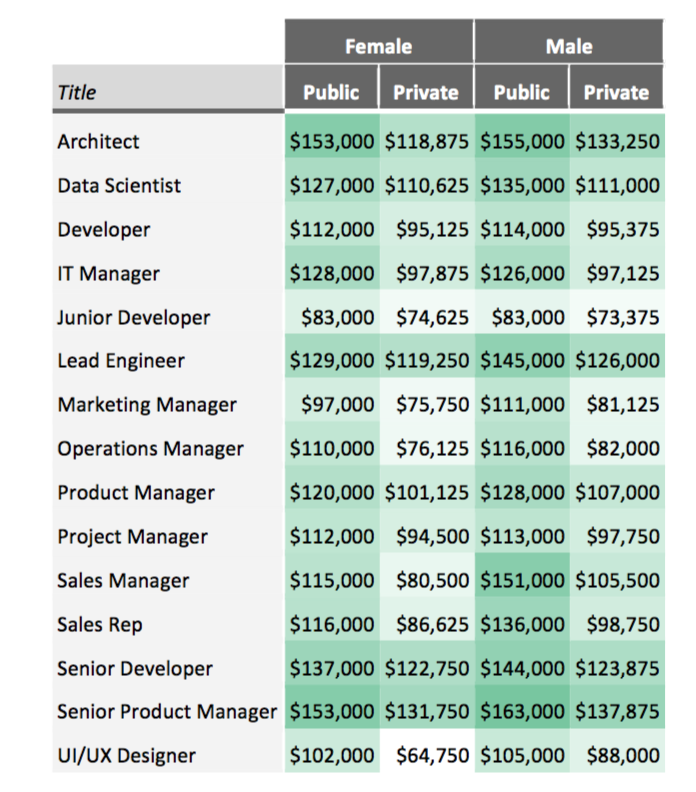
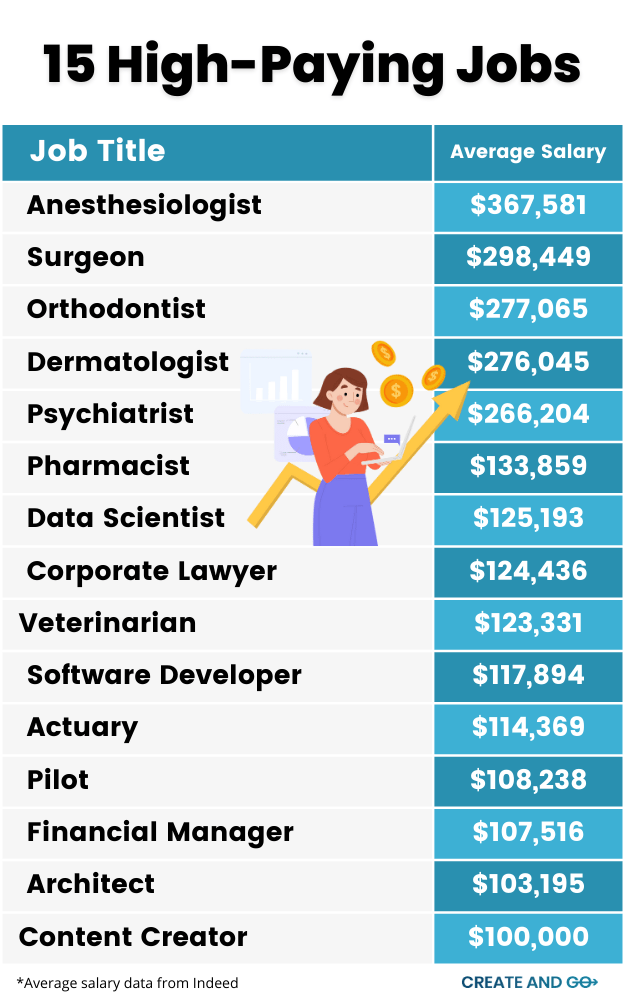
Not all skills are created equal. In today’s economy, the highest-paying roles often exist at the intersection of technology, psychology, and complex problem-solving. Fields such as software architecture, specialized medical practice, corporate law, and high-stakes enterprise sales offer significant earning ceilings. To maximize your income, you must identify a niche where your natural aptitudes meet a high market demand. Continuous learning is non-negotiable; as industries evolve, the ability to pivot and master new tools or methodologies ensures your earning power remains at its peak.
The Power of Specialization over Generalization
While being a “jack-of-all-trades” may offer job security, it rarely leads to extreme wealth. Specialization allows you to become an “authority” in a specific domain. Authorities are paid for their results and their reputation, rather than their time. Whether you are a consultant, a developer, or a surgeon, focusing on a specific, high-value problem allows you to charge premium rates that generalists simply cannot access.
Negotiating Your Worth in the Modern Market
Many professionals leave millions of dollars on the table over the course of their careers by failing to negotiate effectively. Making the most money requires a proactive approach to compensation. This involves understanding market benchmarks, documenting your tangible impact on a company’s bottom line, and being willing to walk away when your value is not recognized. Strategic job-hopping—moving to a new organization every 2–4 years—has also been statistically shown to increase lifetime earnings significantly compared to staying with a single employer.
Building Scalable Income Streams and the Creator Economy
While active income is essential, it is inherently limited by the number of hours in a day. To truly make the most money, you must decouple your earnings from your time. This is achieved through scalability—building systems where the cost of serving an additional customer is negligible compared to the revenue generated.
Leveraging the Creator Economy and Digital Products
The digital age has democratized the ability to reach a global audience. Content creators, educators, and software developers can build a product once and sell it thousands of times. Whether it is a specialized online course, a software-as-a-service (SaaS) platform, or a subscription-based newsletter, digital products offer profit margins that traditional businesses can only dream of. By building a personal brand and a loyal audience, you create an “attention asset” that can be monetized repeatedly.
E-commerce and the Evolution of Retail
The shift from brick-and-mortar to e-commerce continues to offer massive wealth-building opportunities. Through models like private labeling or direct-to-consumer (DTC) brands, entrepreneurs can tap into global supply chains to provide products to a targeted niche. The key to making the most money in e-commerce is not just selling a product, but building a brand with a high “Lifetime Value” (LTV) per customer, ensuring repeat business and sustainable growth.
Transitioning from Freelancing to an Agency Model
For those in service-based industries, the ceiling is often hit when their personal bandwidth is full. To break through this, one must transition from a freelancer to an agency owner. By hiring others to perform the core service, the founder shifts their focus to high-level strategy and business development. This transition allows the business to take on more clients and larger projects, effectively scaling the founder’s income without increasing their personal workload.
Strategic Investing and Long-Term Asset Allocation
Making money is only half the battle; keeping and growing it is what leads to true wealth. Strategic investing is the process of putting your money to work so that, eventually, your capital earns more than your labor ever could.
The Power of Compound Interest and Time
The “eighth wonder of the world,” compound interest, is the most potent tool for wealth accumulation. By reinvesting earnings, your wealth grows exponentially over time. To make the most money, one must start investing as early as possible. Even modest sums, when left to compound in a diversified portfolio over decades, can grow into significant fortunes. Consistency and patience are the hallmarks of the world’s most successful investors.
Diversification Across Asset Classes
A concentrated portfolio can make you rich, but a diversified portfolio keeps you rich. To maximize long-term returns while mitigating risk, wealth should be spread across various asset classes. This includes equities (stocks), which offer growth; fixed income (bonds), which provide stability; and real estate, which offers tax advantages and a hedge against inflation. For more sophisticated investors, “alternative assets” such as private equity, venture capital, and even high-value collectibles can provide outsized returns that are uncorrelated with the broader stock market.
Tax Efficiency and Wealth Preservation
It is not about how much you make, but how much you keep. High earners are often the most heavily taxed. To make the most money, you must understand the legal frameworks of your jurisdiction. Utilizing tax-advantaged accounts (like 401ks, IRAs, or ISAs), understanding capital gains versus ordinary income, and using business structures to deduct expenses are essential strategies. Wealth preservation also involves proper insurance and estate planning to ensure that your accumulated capital is protected from legal liabilities and passed on efficiently to future generations.
Entrepreneurial Ventures and the Path to Exponential Wealth
The highest levels of wealth are almost always achieved through equity—owning a piece of a valuable business. Entrepreneurship offers the potential for “exit events” where years of work are realized in a single, massive liquidity event.
Moving from Solopreneur to Scalable Enterprise
A solopreneur owns a job; a CEO owns a system. To move into the realm of high-level wealth, an entrepreneur must build a business that can function without them. This requires the development of robust SOPs (Standard Operating Procedures), the hiring of talented management, and the implementation of scalable technology. A business that is dependent on the founder is difficult to sell; a business that runs like a well-oiled machine is a highly valuable asset.
The Role of Systems and Outsourcing
Leverage is the secret to making the most money. By outsourcing low-value tasks and focusing on “high-leverage” activities—such as strategy, partnerships, and product innovation—you maximize the value of your time. Modern automation tools and global talent marketplaces make it easier than ever to build a lean, highly profitable organization that leverages the skills of others to generate revenue.
Preparing for a Business Exit or Acquisition
The “ultimate” payday for many entrepreneurs is selling their company. Whether it is an acquisition by a larger competitor or an Initial Public Offering (IPO), an exit can generate more wealth in one day than decades of salary. Achieving this requires building a business with clean financials, a strong competitive moat (the “unique selling proposition”), and a clear path for future growth that an acquirer would find attractive.
The Psychology of Wealth and Financial Discipline
Finally, making the most money requires a specific mindset. Without the right psychological framework, even high earners can find themselves living paycheck to paycheck or losing their fortunes to poor decision-making.
Mastering the Wealth Mindset
Wealthy individuals view money as a tool for expansion rather than a means for consumption. This shift in perspective is vital. While the average person looks at a dollar and thinks about what they can buy, the wealthy person looks at a dollar and thinks about how many more dollars it can “recruit.” This mindset fosters a long-term perspective, allowing for delayed gratification and more calculated risk-taking.
Avoiding Lifestyle Creep
As income increases, there is a natural tendency to increase spending—a phenomenon known as lifestyle creep. To make the most money, one must resist this urge. By maintaining a relatively modest lifestyle while income soars, you maximize the “gap” between earnings and expenses. This surplus is the raw material for investment and wealth building. True financial freedom comes not from what you own, but from the autonomy your capital provides.

The Importance of Financial Literacy and Constant Evolution
The financial landscape is constantly shifting. Interest rates rise and fall, new industries emerge, and tax laws change. To stay at the top, you must remain a student of finance. This means reading, networking with other high-net-worth individuals, and seeking advice from qualified professionals. The most successful people are those who realize that making the most money is a lifelong game of strategy, discipline, and continuous adaptation.
aViewFromTheCave is a participant in the Amazon Services LLC Associates Program, an affiliate advertising program designed to provide a means for sites to earn advertising fees by advertising and linking to Amazon.com. Amazon, the Amazon logo, AmazonSupply, and the AmazonSupply logo are trademarks of Amazon.com, Inc. or its affiliates. As an Amazon Associate we earn affiliate commissions from qualifying purchases.