
Booking a cruise is no longer merely a matter of selecting a destination and a date; it is a complex financial transaction that requires a sophisticated understanding of market dynamics, yield management, and capital allocation. In the modern travel economy, a cruise represents a significant discretionary expenditure that can range from a few thousand to tens of thousands of dollars. To approach this purchase through the lens of personal finance is to treat it as an investment in leisure where the goal is to maximize the “return on enjoyment” while minimizing the total cost of ownership.
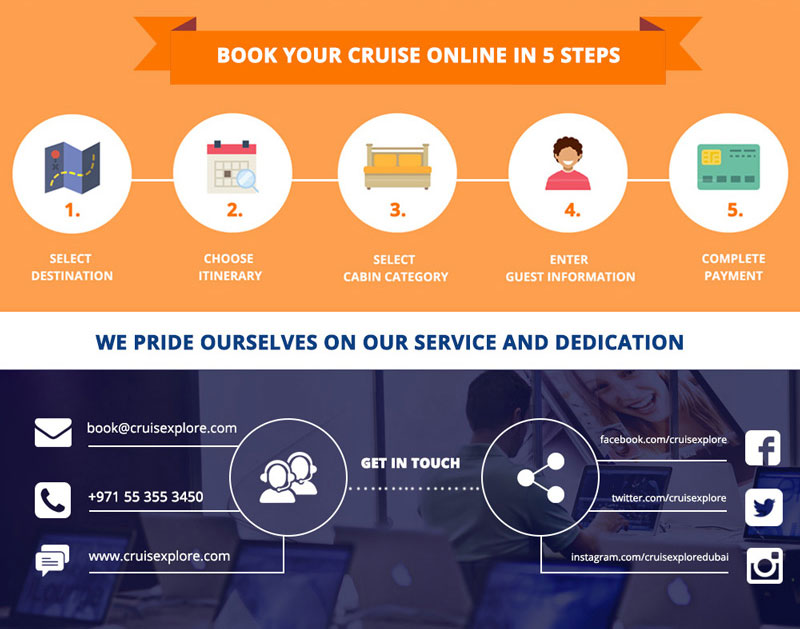
This guide explores the mechanics of booking a cruise from a strictly financial perspective, focusing on budgeting strategies, market timing, the leveraging of financial tools, and the long-term value of loyalty programs.
1. Financial Planning and the Total Cost of Ownership (TCO)
When most consumers look at a cruise booking, they are drawn to the “lead-in” price—the bolded figure on a website that suggests a Caribbean getaway for $499. However, from a professional financial standpoint, this figure is often a “teaser rate” that does not reflect the actual capital required to execute the trip. To book a cruise effectively, one must calculate the Total Cost of Ownership (TCO).
Deciphering the All-In Cost
The base fare of a cruise typically covers lodging, basic transportation between ports, and standard dining. To find the true cost, one must account for “ancillary expenditures.” These include port fees and taxes, which are mandatory and often added at the final checkout screen, as well as automatic gratuities or “crew appreciation” fees, which can add $15 to $20 per person per day. Furthermore, specialized expenses such as shore excursions, specialty dining, Wi-Fi packages, and beverage programs can easily double the initial ticket price. A disciplined booker creates a comprehensive spreadsheet that accounts for these variables before committing any capital.
All-Inclusive vs. A La Carte: A Cost-Benefit Analysis
The cruise industry is bifurcated into two primary financial models: the “a la carte” mass-market lines (such as Carnival or Royal Caribbean) and the “all-inclusive” luxury lines (such as Regent Seven Seas or Silversea).
Choosing between them is a matter of cash-flow analysis. While the upfront cost of an all-inclusive line may be three times higher than a mass-market line, it often includes airfare, transfers, excursions, and premium beverages. For a high-frequency consumer of these services, the all-inclusive model may actually represent a lower TCO. Conversely, for a traveler who does not consume alcohol or prefers independent exploration, the a la carte model allows for greater capital preservation by only paying for utilized services.
2. Timing the Market: Leverage and Volatility in Cruise Pricing
Much like the equities market, cruise pricing is driven by supply and demand, governed by sophisticated yield management algorithms. Understanding the volatility of these prices is essential for timing your booking to secure the highest possible value.
The “Wave Season” and Seasonal Fluctuations
The cruise industry has a specific period known as “Wave Season,” typically running from January through March. During this window, cruise lines compete aggressively for bookings for the remainder of the year, offering incentives such as reduced deposits, onboard credit, and cabin upgrades. From a financial perspective, this is the “buyer’s market” where the consumer has the most leverage.
Beyond Wave Season, one must consider the “shoulder seasons”—the periods between peak and off-peak travel. For example, booking an Alaskan cruise in May or September, rather than July, can result in a 30-40% reduction in price. While the weather may be more volatile, the financial savings provide a significant margin of safety for the traveler’s budget.
Last-Minute Bookings vs. Early-Bird Incentives
There are two primary schools of thought regarding booking windows: the “Early-Bird” and the “Last-Minute.”
- Early-Bird (12–18 months out): This strategy is for those who value certainty and specific assets (such as a particular suite). It often comes with “price protection” guarantees, where if the price drops before the final payment date, the cruise line will adjust the fare or offer credit.
- Last-Minute (Inside 90 days): This is a high-risk, high-reward strategy. When ships have unsold inventory close to the sail date, they slash prices to fill cabins, as a vacant room earns zero revenue from onboard spending. However, this requires extreme flexibility and often results in higher last-minute airfare costs, which can negate the cruise savings.

3. Optimizing Payments and Leveraging Financial Tools
The method by which you pay for a cruise can be just as important as the price itself. By using specific financial instruments, a traveler can de-risk the purchase and generate additional value.
Credit Card Rewards and Travel Arbitrage
Sophisticated travelers rarely pay for cruises with debit cards or cash. Instead, they utilize high-yield travel credit cards. Many cards offer 3x to 5x points on travel purchases, effectively providing a 3% to 5% rebate on the total cost. Furthermore, some cruise lines offer co-branded credit cards that provide “onboard credit” or “points” that can be redeemed for future voyages.
A strategic approach involves “sign-up bonus” (SUB) churning. By opening a new credit card specifically for a large cruise payment, a traveler can meet the spending requirement in a single transaction, earning a massive influx of points that can be used to offset the cost of airfare or the cruise itself.
Navigating Refund Policies and Travel Insurance ROI
In any large financial commitment, risk mitigation is paramount. Cruise contracts are notoriously one-sided, with steep cancellation penalties as the sailing date approaches. Travel insurance acts as a hedge against this risk.
When evaluating insurance, it is vital to perform a cost-benefit analysis. A “Cancel For Any Reason” (CFAR) policy is more expensive but provides the highest level of liquidity protection. For those with high-tier credit cards (like the Chase Sapphire Reserve or Amex Platinum), some level of trip cancellation insurance is often included as a card benefit, potentially saving the traveler hundreds of dollars in third-party premiums.
4. Capitalizing on Loyalty Programs and Corporate Incentives
The cruise industry relies heavily on recurring revenue, leading to the creation of robust loyalty ecosystems. For the long-term “investor” in cruise travel, these programs offer compounding benefits that significantly lower the cost of future voyages.
The Compounding Benefits of Cruise Line Loyalty
Most cruise lines have tiered loyalty programs (e.g., Royal Caribbean’s Crown & Anchor Society or Norwegian’s Latitudes Rewards). As you ascend these tiers, you unlock benefits that have tangible monetary value: free laundry services (reducing packing needs and baggage fees), complimentary specialty dining, and even free cruises for top-tier members. When booking, one should consider the “lifetime value” of staying with a single parent company (such as the Carnival Corporation, which owns multiple brands) to consolidate loyalty points.
Shareholder Benefits: A Unique Financial Loophole
One of the most overlooked “hacks” in cruise booking is the shareholder benefit. Major cruise conglomerates like Carnival Corporation (CCL), Royal Caribbean Group (RCL), and Norwegian Cruise Line Holdings (NCLH) offer onboard credit to shareholders who own a minimum of 100 shares of their stock.
This creates a unique financial synergy: you own an equity stake in the company, and in return, the company provides a “dividend” in the form of $50 to $250 in onboard credit every time you sail. For frequent cruisers, this credit can represent a significant annual return on the initial stock investment, independent of the stock’s price appreciation.
5. Conclusion: The Disciplined Approach to Booking
Booking a cruise is an exercise in financial management. By moving away from the emotional appeal of travel brochures and toward a data-driven, strategic mindset, a traveler can secure a premium experience without overextending their capital.
The key steps involve:
- Calculating the TCO to ensure the budget is realistic and inclusive of all hidden fees.
- Timing the market to take advantage of Wave Season and seasonal price drops.
- Utilizing financial instruments like high-yield reward cards and shareholder benefits to create “found money.”
- Managing risk through targeted insurance products that protect the principal investment.
When executed with precision, booking a cruise becomes less about “spending money” and more about “buying value.” Through rigorous planning and the application of sound financial principles, you can navigate the complexities of the cruise industry and ensure that your next voyage is as fiscally responsible as it is relaxing.
aViewFromTheCave is a participant in the Amazon Services LLC Associates Program, an affiliate advertising program designed to provide a means for sites to earn advertising fees by advertising and linking to Amazon.com. Amazon, the Amazon logo, AmazonSupply, and the AmazonSupply logo are trademarks of Amazon.com, Inc. or its affiliates. As an Amazon Associate we earn affiliate commissions from qualifying purchases.