
In an increasingly interconnected world, the act of making a payment has evolved far beyond the simple exchange of cash. From purchasing groceries to investing in global markets, understanding the diverse methods and underlying principles of financial transactions is crucial for both individuals and businesses. This guide delves into the intricate landscape of modern payments, offering insights into their evolution, practical applications, security considerations, and the innovations shaping their future, all through the lens of sound financial management.
Understanding the Evolution of Payment Methods
The journey of payment methods is a testament to human ingenuity and the constant pursuit of efficiency and security in commerce. What began as rudimentary bartering has transformed into a complex ecosystem of digital transfers and virtual currencies.

From Barter to Digital: A Historical Perspective
For millennia, trade was conducted through direct exchange – a system known as barter. While effective for simple transactions, its limitations in scalability and value equivalency soon became apparent. The invention of coinage, followed by paper money, revolutionized commerce by standardizing value and facilitating easier exchange. The advent of banks introduced mechanisms for holding and transferring funds, paving the way for checks and wire transfers. These early innovations laid the groundwork for the modern financial system, establishing core principles of trust, record-keeping, and the intermediary role of financial institutions. The latter half of the 20th century witnessed a paradigm shift with the introduction of credit cards, ushering in the era of electronic payments and significantly reducing reliance on physical currency.
The Rise of Cashless Societies
The 21st century has accelerated the move towards cashless societies, driven by technological advancements and changing consumer behaviors. Digital wallets, mobile payment apps, and contactless card readers are now commonplace, offering unparalleled convenience and speed. This shift is not merely about convenience; it also brings benefits in terms of financial inclusion, reducing the costs associated with handling cash, and providing better data for economic analysis. However, it also raises questions about privacy, cybersecurity, and accessibility for those without access to digital tools or banking services. Many governments and financial institutions are actively promoting cashless initiatives, recognizing their potential to streamline economies and combat illicit financial activities.
Global Implications and Accessibility
The globalization of commerce has necessitated payment systems that transcend borders seamlessly. International wire transfers, cross-border payment platforms, and multi-currency digital wallets have become indispensable tools for individuals sending money abroad and businesses engaging in international trade. The accessibility of these global payment systems varies significantly. In developed nations, a high penetration of smartphones and banking services means most citizens can easily access digital payment options. In contrast, developing regions might rely more on mobile money services that bypass traditional banking infrastructure, offering a lifeline for financial transactions to underserved populations. Understanding these diverse accessibility landscapes is key to appreciating the global impact and potential disparities in modern payment systems.
Navigating Common Payment Channels for Individuals
For the average individual, choosing the right payment method often comes down to convenience, security, and the specific transaction context. A diverse array of options caters to different needs, each with its own advantages and considerations.
Traditional Banking Methods (Bank Transfers, Checks)
Despite the rise of digital alternatives, traditional banking methods remain foundational. Bank transfers (or wire transfers) are a reliable way to move substantial sums of money, particularly for larger purchases or regular bill payments. They are generally secure, though often incur fees and can take a day or two to clear, especially across different institutions or internationally. Checks, while less prevalent than in decades past, still hold importance for certain transactions, such as rent payments or professional services, where a physical record or a delayed clearing period is preferred. They offer a tangible audit trail but are susceptible to fraud and can be slow. Understanding when these methods are appropriate, and their associated costs and timelines, is a cornerstone of personal financial management.
Digital Wallets and Mobile Payments (Apple Pay, Google Pay, PayPal)
Digital wallets and mobile payment platforms have revolutionized everyday transactions, offering unparalleled convenience and speed. Services like Apple Pay, Google Pay, and Samsung Pay allow users to link their credit and debit cards to their smartphones, enabling contactless payments with a simple tap. This not only speeds up checkout processes but often adds an extra layer of security through tokenization, where the actual card number is never transmitted. PayPal, a pioneer in online payments, facilitates secure online purchases and peer-to-peer transfers, acting as a trusted intermediary between buyers and sellers globally. These platforms streamline online shopping, bill payments, and in-store transactions, often integrating loyalty programs and budgeting tools, making them powerful instruments for financial control.
Credit and Debit Cards: Usage and Best Practices
Credit cards and debit cards are perhaps the most ubiquitous payment instruments. Debit cards draw directly from your bank account, offering a simple way to spend your own money without incurring debt. Credit cards, conversely, allow you to borrow money up to a certain limit, offering flexibility, rewards programs, and often purchase protection and fraud liability waivers. Best practices for both include regularly monitoring statements for unauthorized transactions, using strong PINs and passwords, and being mindful of where card details are stored online. For credit cards, responsible usage also entails paying balances in full each month to avoid interest charges and maintaining a healthy credit utilization ratio to protect your credit score – vital components of sound personal finance.
Peer-to-Peer (P2P) Payment Apps (Venmo, Zelle)
P2P payment apps have simplified the process of splitting bills, paying back friends, or making small payments to individuals. Venmo, Zelle, and Cash App are popular examples, allowing users to send money instantly to others using just a phone number or email address. These apps integrate with bank accounts, making transfers quick and often free for standard transactions. While incredibly convenient for casual exchanges, it’s crucial to use them cautiously, as transactions are often irreversible. Always double-check recipient details to avoid sending money to the wrong person. These tools exemplify how technology is enhancing the fluidity of personal financial interactions, making informal payments effortless.
Essential Payment Strategies for Businesses
For businesses, robust payment strategies are not just about facilitating transactions; they are about managing cash flow, optimizing customer experience, and ensuring operational efficiency.
Accepting Online Payments (Payment Gateways, E-commerce Platforms)
In the digital age, accepting online payments is non-negotiable for most businesses. Payment gateways (e.g., Stripe, Adyen, Authorize.Net) are critical technologies that securely transmit payment information from a customer’s website to the acquiring bank. They handle encryption, fraud detection, and transaction processing, often integrating seamlessly with e-commerce platforms (e.g., Shopify, Magento, WooCommerce). Businesses must choose gateways that support their target market’s preferred payment methods, offer competitive transaction fees, and provide robust security features. A well-integrated online payment system ensures a smooth checkout experience, reduces cart abandonment, and broadens a business’s market reach, directly impacting revenue and customer satisfaction.
Streamlining B2B Payments (Invoice Management, ACH Transfers)
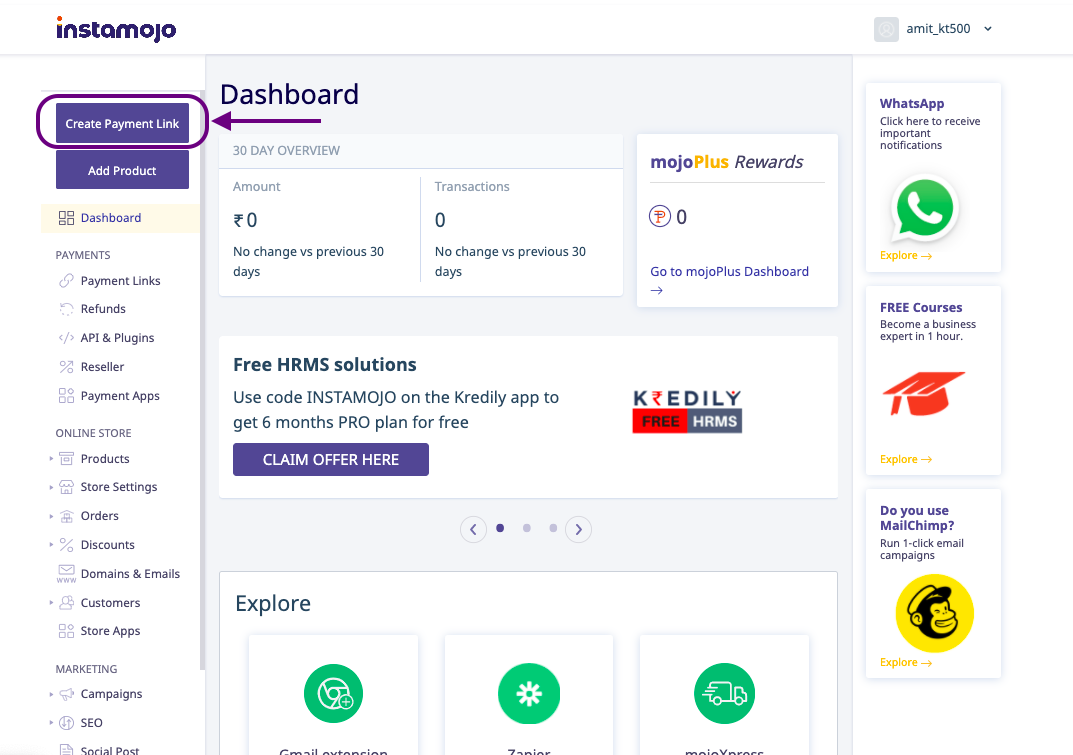
Business-to-business (B2B) payments often involve larger sums and more complex terms than consumer transactions. Streamlining these processes is vital for maintaining healthy cash flow and strong vendor relationships. Invoice management systems automate the creation, tracking, and reconciliation of invoices, reducing manual errors and speeding up payment collection. ACH (Automated Clearing House) transfers are a common and cost-effective method for B2B payments within the US, facilitating direct bank-to-bank electronic transfers for payroll, vendor payments, and bill payments. For international B2B transactions, specialized platforms offer competitive exchange rates and faster processing times than traditional wire transfers. Efficient B2B payment strategies reduce administrative overhead, improve liquidity, and strengthen financial reporting.
Point-of-Sale (POS) Systems for Brick-and-Mortar
Brick-and-mortar businesses rely heavily on efficient Point-of-Sale (POS) systems to process in-person payments. Modern POS systems go far beyond simple cash registers; they integrate inventory management, customer relationship management (CRM), sales reporting, and various payment acceptance methods. From traditional card terminals to mobile POS (mPOS) devices that accept contactless payments via smartphones or tablets, businesses have a range of options. Selecting a POS system that is reliable, scalable, and compatible with different payment types (credit/debit cards, digital wallets, gift cards) is crucial for delivering a seamless customer experience and accurately tracking sales data, which is fundamental for financial analysis and strategic planning.
Managing Payroll and Vendor Payments
Effective management of payroll and vendor payments is a cornerstone of business finance. Payroll processing involves accurately calculating wages, taxes, and deductions, and ensuring timely payment to employees, often via direct deposit. Automating payroll through specialized software or services minimizes errors and ensures compliance with labor laws. Similarly, managing vendor payments efficiently involves tracking invoices, negotiating payment terms, and scheduling disbursements to optimize cash flow. Centralized payment platforms can help businesses manage multiple vendor relationships, track expenses, and reconcile accounts, ensuring financial transparency and strong supplier relations. These operational payment strategies directly impact a business’s solvency and reputation.
Ensuring Security and Financial Prudence in Payments
The convenience of modern payment systems comes with an inherent responsibility: safeguarding financial information and practicing sound financial judgment. Security and prudence are inextricably linked in the digital payment landscape.
Protecting Your Payment Information (Phishing, Scams)
The digital realm is rife with attempts to compromise payment information. Protecting oneself from phishing scams (where attackers impersonate legitimate entities to trick users into revealing sensitive data) and other forms of online fraud is paramount. Always verify the authenticity of emails and websites before entering payment details. Use strong, unique passwords for all financial accounts and enable two-factor authentication (2FA) wherever possible. Be wary of unsolicited requests for payment information, especially those demanding immediate action or unusual payment methods. Regular monitoring of bank and credit card statements for suspicious activity provides an early warning system against unauthorized use of funds, reinforcing financial security.
Understanding Transaction Fees and Exchange Rates
While many payment methods offer convenience, they often come with associated costs. Transaction fees can vary widely, from a small percentage of the transaction amount (common for credit card processing for businesses) to flat fees for wire transfers or international remittances. For individuals, ATM fees, foreign transaction fees on credit cards, and certain digital wallet transfer fees can erode savings. When dealing with international payments, understanding exchange rates is critical. These rates fluctuate constantly, and different providers offer varying margins. Always compare rates and fees across services to minimize costs and maximize the value of your money. Ignorance of these charges can significantly impact one’s personal and business finance over time.
The Role of Budgeting and Financial Planning in Payments
Payments are the outflow component of personal and business finance. Therefore, effective budgeting and financial planning are crucial for managing these outflows responsibly. A well-structured budget helps individuals track their income and expenses, ensuring that payment obligations can be met without overspending. For businesses, meticulous financial planning ensures sufficient cash reserves for operational payments, debt servicing, and strategic investments. Automated bill payments and regular review of recurring subscriptions are practical steps to manage payment commitments. By aligning payment activities with a robust financial plan, both individuals and organizations can maintain financial stability, avoid unnecessary debt, and work towards their long-term financial goals.
Leveraging Technology for Secure Transactions (Encryption, Biometrics)
Modern payment security relies heavily on sophisticated technology. Encryption scrambles data during transmission, making it unreadable to unauthorized parties – a fundamental component of secure online transactions. Financial institutions and payment processors invest heavily in advanced encryption protocols to protect sensitive customer data. Biometric authentication, such as fingerprint or facial recognition, offers a highly secure and convenient method for verifying identity, reducing reliance on easily compromised passwords. Tokenization, where a unique, single-use token replaces actual card details, further enhances security in contactless and online payments. Leveraging these technological safeguards, while understanding their limits, empowers users to make transactions with greater peace of mind.
The Future of Payments: Innovations and Trends
The payment landscape is in a state of perpetual evolution, with new technologies and shifting consumer expectations continually pushing the boundaries of what’s possible.
Cryptocurrency and Blockchain: A Decentralized Future?
Perhaps the most disruptive innovation in payments is the advent of cryptocurrency and its underlying blockchain technology. Cryptocurrencies like Bitcoin and Ethereum offer a decentralized alternative to traditional currencies, enabling peer-to-peer transactions without the need for intermediaries like banks. Blockchain’s distributed ledger technology provides unparalleled transparency and immutability, holding the promise of faster, cheaper, and more secure international payments. While still facing regulatory hurdles and volatility, stablecoins (cryptocurrencies pegged to fiat currencies) and central bank digital currencies (CBDCs) are emerging as more practical applications, hinting at a future where digital assets play a significant role in mainstream financial transactions, potentially redefining the very concept of money.
Instant Payments and Real-time Settlements
The demand for speed is a key driver in payment innovation. Instant payment systems and real-time settlements are becoming the norm, allowing funds to be transferred and made available within seconds, 24/7. Initiatives like SEPA Instant Credit Transfer in Europe, Faster Payments in the UK, and RTP (Real-Time Payments) in the US are transforming both consumer and business transactions. This immediate availability of funds has profound implications for cash flow management, especially for businesses, and enhances liquidity for individuals. The shift towards real-time processing reduces settlement risk and unlocks new possibilities for innovative financial products and services, making financial operations more dynamic and responsive.
AI and Machine Learning in Fraud Detection
As payment systems become more complex, so do the methods of fraud. Artificial intelligence (AI) and machine learning (ML) are at the forefront of combating financial crime. These technologies analyze vast datasets of transaction patterns in real-time, identifying anomalies and suspicious behaviors that human analysts might miss. AI algorithms can detect fraudulent activities with greater accuracy and speed, flagging potentially illicit transactions before they are completed. This proactive approach significantly reduces financial losses for consumers and businesses alike, bolstering trust in digital payment systems. As AI continues to evolve, its role in securing financial transactions will become even more sophisticated and indispensable.

Biometric Payments and Enhanced Convenience
Building on biometric authentication for access, biometric payments are moving towards direct payment authorization using physical characteristics. Imagine paying with just your fingerprint, face scan, or even iris scan, eliminating the need for cards or phones. This offers an unparalleled level of convenience and security, as biometrics are inherently unique and difficult to replicate. While privacy concerns and data security remain critical considerations, the trend towards embedding biometric payment capabilities directly into terminals and even wearables suggests a future where payment is not just seamless but virtually invisible, integrating effortlessly into our daily lives and further enhancing the user experience in financial transactions.
In conclusion, the act of making a payment is a dynamic and multifaceted aspect of modern finance. From understanding the historical context and navigating current options to embracing future innovations, a comprehensive grasp of payment methods empowers individuals and businesses to manage their money effectively, securely, and efficiently in an ever-evolving global economy.
aViewFromTheCave is a participant in the Amazon Services LLC Associates Program, an affiliate advertising program designed to provide a means for sites to earn advertising fees by advertising and linking to Amazon.com. Amazon, the Amazon logo, AmazonSupply, and the AmazonSupply logo are trademarks of Amazon.com, Inc. or its affiliates. As an Amazon Associate we earn affiliate commissions from qualifying purchases.