
In the modern digital economy, the dream of achieving financial independence through e-commerce has never been more accessible. Shopify has emerged as the premier platform for entrepreneurs looking to carve out their own piece of the global marketplace. However, “making money” on Shopify is not a matter of luck; it is a discipline rooted in financial strategy, margin management, and capital allocation. To succeed, one must view a Shopify store not just as a website, but as a sophisticated financial vehicle designed to generate consistent cash flow and long-term equity.
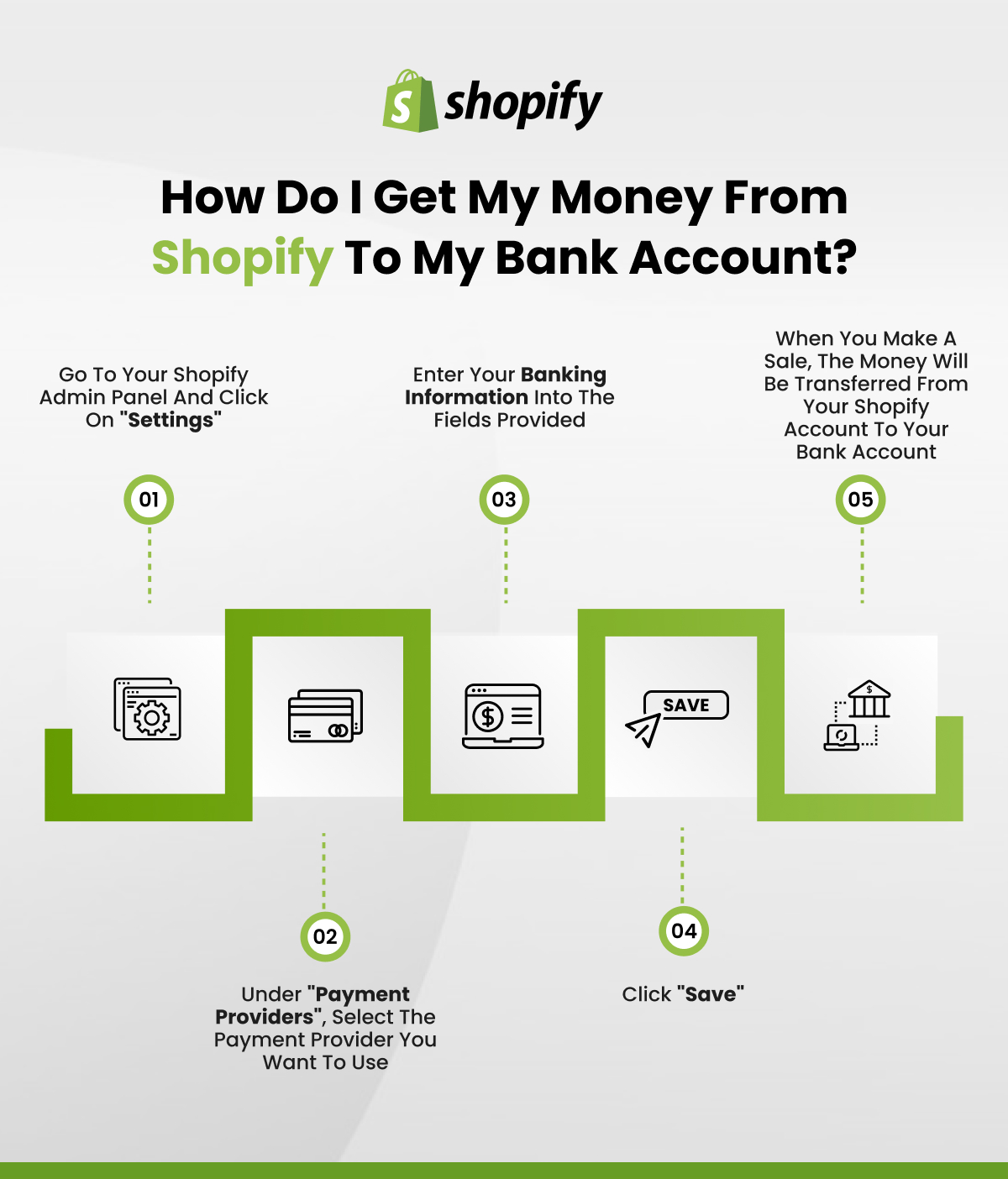
This guide explores the strategic financial frameworks required to build, manage, and scale a Shopify business into a significant source of income.
1. Choosing the Right Business Model for Maximum ROI
The foundation of any profitable Shopify venture is the business model. Your choice determines your upfront capital requirements, your profit margins, and your long-term scalability. In the realm of online income, three primary models stand out for their ability to generate significant returns.
Dropshipping: Low Entry Cost, High Volume Potential
Dropshipping remains one of the most popular entry points for those looking to start a side hustle with minimal financial risk. In this model, you act as a middleman, selling products that are fulfilled by a third-party supplier. The primary financial advantage is the lack of inventory costs. You only pay for the product after a customer has paid you.
While the margins are typically lower—often ranging between 10% and 30%—the ability to test products without a major capital outlay makes it a highly efficient way to identify “winning” products that can later be transitioned into more profitable models. Success in dropshipping relies on high-volume traffic and tight control over advertising spend.
Private Labeling and Manufacturing for Higher Margins
For those with more capital to invest, private labeling offers a path to significantly higher profit margins and brand equity. This involves sourcing a product from a manufacturer and selling it under your own brand. Because you are buying in bulk, your unit cost drops significantly, often allowing for margins of 50% to 70%.
From a financial perspective, this model requires a larger initial investment in inventory and quality control. However, the long-term wealth generation potential is much higher. Private label businesses are far more attractive to aggregators and investors, meaning the “exit value” of your company—should you choose to sell it—could represent a windfall of 3x to 5x your annual profit.
Print-on-Demand: Monetizing Creativity with Zero Inventory Risk
Print-on-Demand (POD) is a hybrid model that blends the low-risk nature of dropshipping with the branding potential of unique products. By selling custom-designed apparel, home goods, or accessories, you create a unique value proposition. Financially, POD eliminates the need for warehousing and unsold stock, which are common “profit killers” in traditional retail. While the cost per unit is higher than bulk manufacturing, the lack of overhead makes it an excellent cash-flow positive model for creative entrepreneurs.
2. Financial Planning and Cost Management on Shopify
Generating revenue is only half the battle; the real challenge is retaining that revenue as profit. Understanding the nuances of your financial statements is what separates a hobbyist from a professional business owner.
Understanding the Cost of Goods Sold (COGS)
The most critical metric in your Shopify business is the Cost of Goods Sold (COGS). This includes the manufacturing cost, shipping fees, and packaging costs. To maintain a healthy business, you must have a deep understanding of your “contribution margin”—what remains after COGS is deducted from the sale price. Professional Shopify earners typically aim for a 3x markup (selling for $30 what costs $10 to source and ship) to ensure there is enough room for marketing costs and operational overhead.
Navigating Shopify Fees and Transaction Costs
Shopify is a “Software as a Service” (SaaS) platform, and its convenience comes with a price tag. Business owners must account for monthly subscription fees, payment processing fees (Shopify Payments or third-party gateways), and the “App Tax.”
The App Tax refers to the cumulative cost of the various plugins used for upsells, email marketing, or SEO. While these tools are essential for growth, they can quickly erode profits if not monitored. A monthly audit of your Shopify “Apps” section is vital to ensure every tool you pay for is generating a positive Return on Investment (ROI).
Budgeting for Customer Acquisition Costs (CAC)
In the world of online income, traffic is rarely free. Whether through Facebook Ads, Google Search, or Influencer marketing, you will likely pay to acquire customers. Your Customer Acquisition Cost (CAC) must always be lower than your Average Order Value (AOV) minus COGS. If it costs you $15 to acquire a customer who spends $40, and your product costs $10, you are left with $15 in gross profit. Monitoring this ratio daily is the only way to ensure your business remains solvent as you scale.
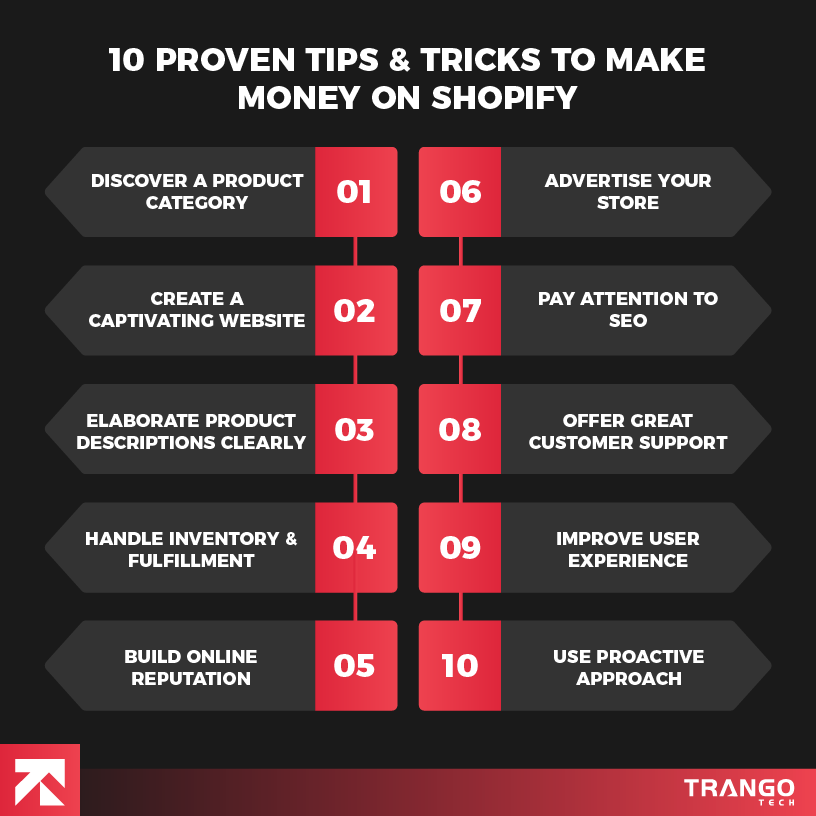
3. Revenue Optimization Strategies to Increase Average Order Value
To maximize your earnings on Shopify, you must focus on increasing the “efficiency” of every visitor who lands on your store. This is achieved by focusing on the Average Order Value (AOV) and Lifetime Value (LTV).
Upselling and Cross-selling Techniques
One of the fastest ways to increase your profit without increasing your ad spend is through upselling. By offering a “premium” version of a product or suggesting complementary items at checkout (cross-selling), you increase the total revenue per transaction. Since the cost to acquire that customer has already been paid, almost all the additional revenue from an upsell flows directly to your bottom line.
Subscription Models for Recurring Monthly Revenue
The most stable way to make money on Shopify is through recurring revenue. Transitioning a one-time purchase into a subscription model—whether for supplements, beauty products, or “mystery boxes”—creates a predictable monthly income stream. This significantly increases the Lifetime Value (LTV) of a customer, allowing you to spend more on initial acquisition while remaining highly profitable in the long run.
Implementing Tiered Discounting and Bundling
Bundling products (e.g., “Buy 3 and Save 20%”) encourages customers to spend more than they originally intended. From a financial standpoint, bundling also reduces shipping costs per item, as multiple products are sent in a single package. This “shipping efficiency” is a hidden lever that can add several percentage points to your net profit margin.
4. Leveraging High-Return Marketing Channels
A Shopify store is a destination; marketing is the road that leads there. To generate significant income, you must diversify your traffic sources to protect against platform changes and rising ad costs.
Search Engine Optimization (SEO) for Long-Term Passive Traffic
While paid ads offer immediate results, SEO is an investment in long-term wealth. By optimizing your product pages and creating high-value blog content, you can attract organic traffic that costs nothing per click. This “free” traffic provides the highest ROI of any marketing channel, as it continues to generate sales long after the initial work is done.
High-Conversion Email Marketing and Retention
Your email list is your most valuable financial asset. Unlike social media followers, you own your email list. Professional Shopify owners use automated “flows”—such as abandoned cart reminders, welcome series, and post-purchase follow-ups—to drive sales. Email marketing typically accounts for 20% to 40% of a successful store’s total revenue, and because the cost of sending an email is negligible, the profit margins are nearly 100%.
Paid Advertising: Balancing Spend against Lifetime Value (LTV)
Paid advertising is the fuel for scaling. However, the goal should not just be a “one-off” sale. Smart investors in the Shopify space look at the “LTV to CAC” ratio. If a customer is likely to return and buy three more times over the next year, you can afford to break even—or even lose a small amount—on the first sale to acquire that customer. This long-term financial perspective allows you to outbid competitors who are only looking at immediate profit.
5. Scaling Your Shop for Long-Term Wealth Generation
Once you have a profitable store, the focus shifts from “making money” to “building a business.” Scaling requires a transition from being a solo operator to being a strategic manager of capital and systems.
Outsourcing and Automation to Buy Back Your Time
To reach high income levels—such as $10k, $50k, or $100k in monthly profit—you cannot do everything yourself. Investing in Virtual Assistants (VAs) for customer service and using automation tools for order fulfillment allows you to focus on high-level growth strategies. In the world of finance, this is known as “leverage.” You are leveraging other people’s time to increase your own earning potential.
Expanding into Global Markets
Shopify makes it remarkably easy to sell internationally. By expanding into markets like the EU, UK, or Australia, you can multiply your reach without significantly increasing your overhead. Utilizing tools like “Shopify Markets” allows you to handle currency conversion and local duties, opening up new revenue streams that were previously inaccessible.

Preparing Your Business for Potential Exit and Acquisition
The ultimate way to make money on Shopify is to sell the business itself. E-commerce brands are currently in high demand among private equity firms and e-commerce aggregators. To maximize your exit price, you must maintain clean financial records, demonstrate year-over-year growth, and show that the business can operate without your constant involvement. Selling a store for a 4x multiple of a $250,000 annual profit results in a million-dollar payday—the ultimate realization of the Shopify dream.
In conclusion, making money on Shopify is a multifaceted endeavor that requires a blend of disciplined financial management, strategic marketing, and operational efficiency. By selecting the right model, optimizing your margins, and focusing on long-term customer value, you can transform a simple online store into a powerful engine for wealth creation.
aViewFromTheCave is a participant in the Amazon Services LLC Associates Program, an affiliate advertising program designed to provide a means for sites to earn advertising fees by advertising and linking to Amazon.com. Amazon, the Amazon logo, AmazonSupply, and the AmazonSupply logo are trademarks of Amazon.com, Inc. or its affiliates. As an Amazon Associate we earn affiliate commissions from qualifying purchases.