
In the dynamic world of business, a well-crafted proposal is often the decisive factor in securing new clients, forging lucrative partnerships, or winning critical projects. More than just a document outlining services, a business proposal serves as a strategic financial instrument, meticulously detailing how your offerings translate into tangible monetary value and a robust return on investment (ROI) for the recipient. It’s a comprehensive business case, meticulously prepared to demonstrate financial viability, mitigate risk, and articulate a clear path to financial benefit for both parties. For any entrepreneur, consultant, or business development professional, mastering the art of the business proposal is not merely about sales; it’s about fluent communication in the language of business finance, ensuring that every solution presented resonates with the client’s financial objectives and bottom line.

This article delves into the financial underpinnings of effective business proposal creation. We’ll explore how to identify and address a client’s financial challenges, structure your proposal to highlight monetary gains, quantify the value of your services, and present a compelling financial argument that paves the way for a successful partnership. By focusing on the core financial components, you can transform your proposals from mere summaries of work into powerful tools for economic growth and strategic advantage.
Understanding the Financial Landscape and Client Needs
Before a single word is written, the most critical step in crafting a financially compelling business proposal is a deep understanding of the recipient’s current financial situation, challenges, and aspirations. Your proposal isn’t just about your solution; it’s about how your solution impacts their finances.
Identifying the Client’s Financial Pain Points
Every business faces financial pressures, whether it’s the need to reduce operational costs, increase revenue, improve profit margins, streamline financial processes, or secure funding for expansion. Your initial discovery phase must be focused on uncovering these specific financial pain points. Are they struggling with high overheads? Is their cash flow inconsistent? Are they missing out on potential revenue streams? Do they need to optimize their budget allocation? A clear understanding of these issues allows you to tailor your proposal to directly address their economic vulnerabilities, positioning your offering not just as a service, but as a financial solution. This requires active listening, incisive questioning, and thorough research into their industry’s typical financial challenges and benchmarks.
Researching Market Trends and Competitive Pricing
A financially sound proposal doesn’t exist in a vacuum. It must be competitive and reflective of current market realities. This involves comprehensive research into industry-specific financial trends, average project costs, and competitor pricing models. Understanding what competitors charge for similar services allows you to position your own pricing strategically – whether you aim to be a cost-leader or justify a premium through superior financial returns. Furthermore, staying abreast of broader economic trends and their impact on your client’s industry (e.g., inflation rates, supply chain disruptions, shifts in consumer spending) enables you to frame your proposal within a realistic and forward-looking financial context. This research helps you anticipate potential financial objections and proactively address them within your proposal.
Defining Clear Financial Objectives for the Proposal
Once you understand the client’s financial context, you must define what financial success looks like for both parties from this engagement. For the client, this might be a quantifiable reduction in expenses, a projected increase in revenue, or a specific ROI target within a defined timeframe. For your business, it’s about securing a profitable contract that aligns with your own financial goals. Your proposal should explicitly state how your solution will help the client achieve these financial objectives. For instance, instead of just saying “we will improve efficiency,” you might state, “we will implement a system that reduces operational costs by 15% within the first year, leading to an estimated annual savings of $X.” Setting clear, measurable financial goals provides a benchmark for success and reinforces the economic value of your proposition.
Structuring Your Proposal for Maximum Financial Impact
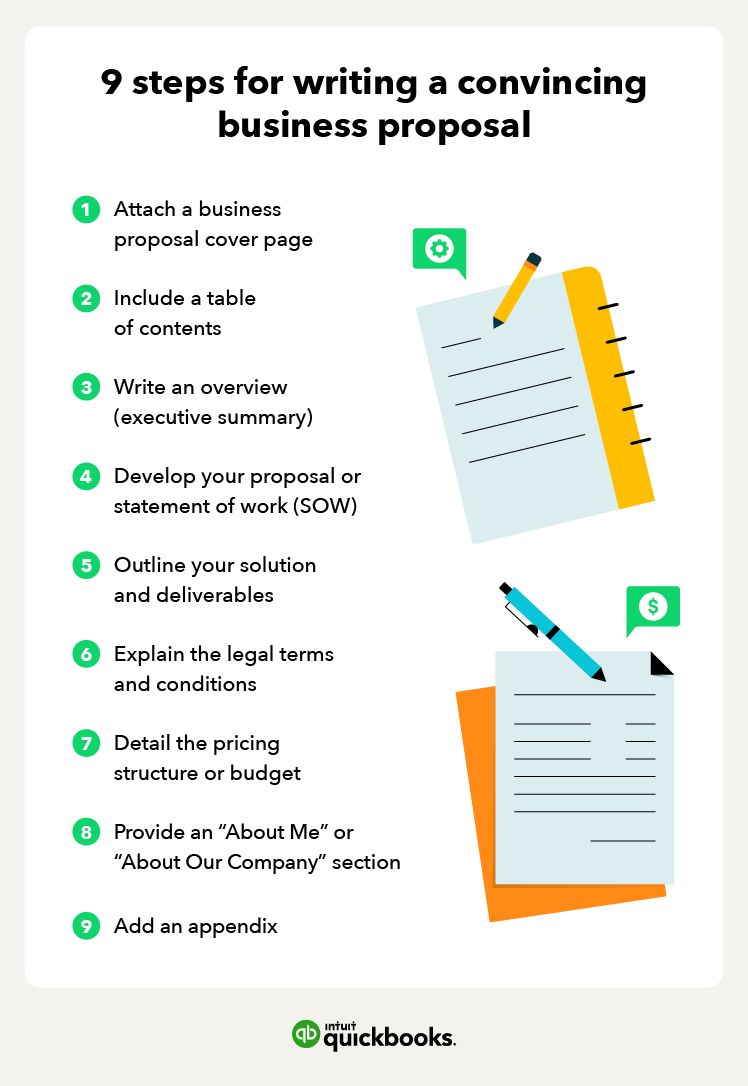
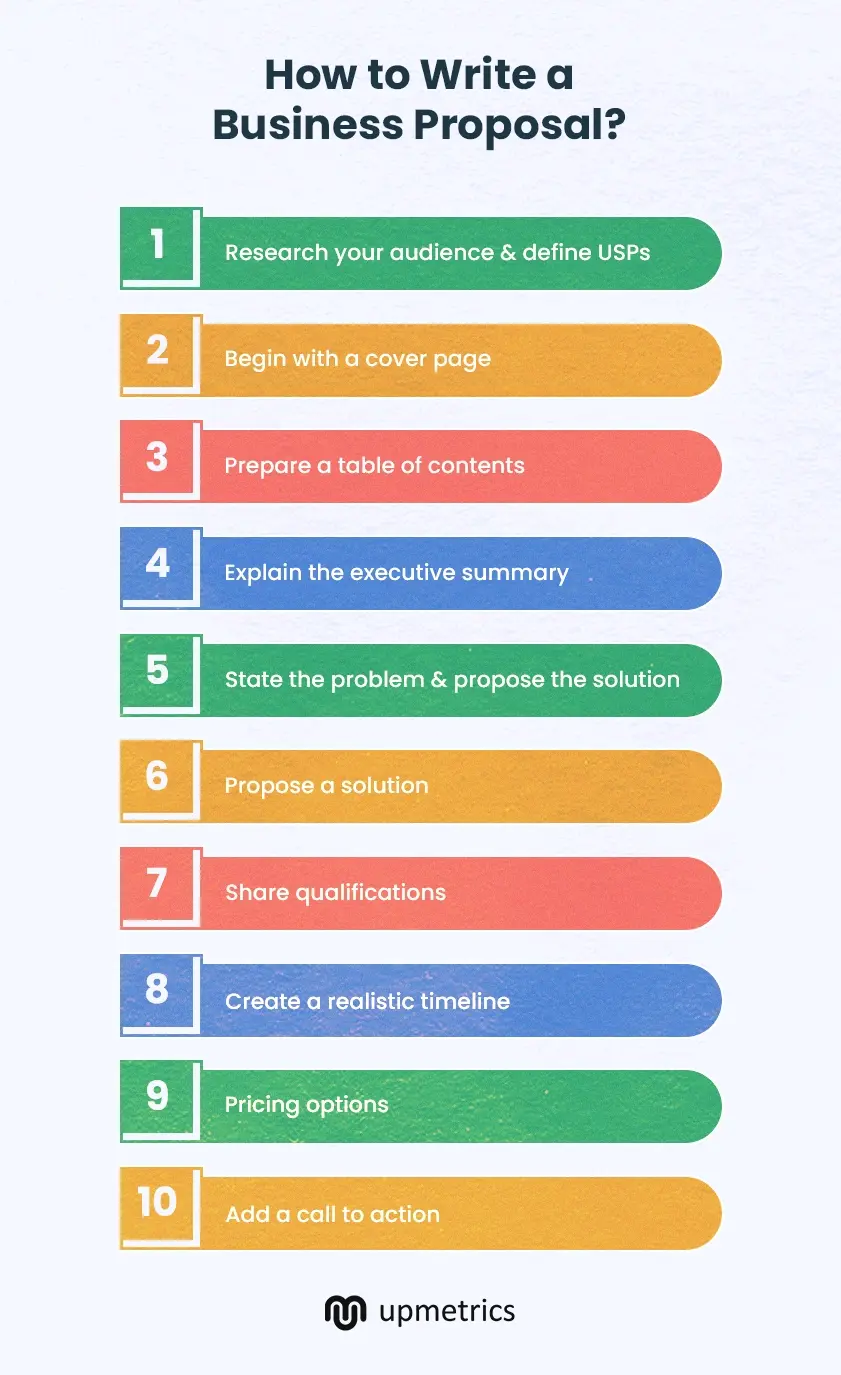
The architecture of your business proposal is crucial for effectively communicating its financial value. Each section should build upon the last, culminating in a clear and compelling financial argument that is difficult to ignore.
Crafting a Compelling Executive Summary with Financial Highlights
The executive summary is arguably the most critical component, especially from a financial perspective. It’s often the first, and sometimes only, section a busy decision-maker will read in detail. Therefore, it must immediately grab attention by concisely stating the client’s core financial challenge and directly presenting your proposed solution’s key financial benefits. This isn’t the place for vague promises; it’s where you highlight the projected ROI, cost savings, revenue generation, or profit improvement your solution offers. Use strong, action-oriented language and, where possible, include headline financial figures that entice the reader to delve deeper into the detailed financial breakdown presented later. Think of it as a financial elevator pitch for your entire proposal.
Detailing the Solution’s Financial Benefits and ROI
Beyond the executive summary, dedicate a specific section to elaborating on the financial advantages of your solution. This is where you connect every feature and service back to tangible financial outcomes. How does your service lead to increased sales, reduced churn, optimized resource allocation, or mitigation of financial risks? Provide concrete examples, utilize projections, and explain the methodology behind your financial claims.
For instance, if your solution streamlines a process, explain how many hours it saves, what the hourly cost of labor is, and thus the direct financial saving. If it improves customer retention, calculate the lifetime value of a customer and the financial impact of retaining a higher percentage. This section must clearly articulate the return on investment (ROI) your client can expect, providing a powerful incentive for them to move forward.
Presenting a Transparent and Justified Pricing Model
Pricing is often the most scrutinized part of any proposal. Your pricing model must be transparent, easy to understand, and clearly justified by the value it provides. Avoid simply listing costs; instead, explain what the client is paying for and why it represents excellent financial value. Consider different pricing structures (e.g., fixed-fee, hourly, retainer, performance-based, tiered packages) and choose the one that best aligns with the client’s needs and the perceived financial risk/reward.
Break down costs where appropriate, clearly delineating between one-time fees, recurring charges, and optional add-ons. If your solution offers long-term savings, present a cost-benefit analysis that shows initial investment offset by future gains. Be prepared to defend your pricing by linking it directly to the financial benefits detailed earlier in the proposal, demonstrating that the investment is dwarfed by the projected returns.
Outlining Terms, Conditions, and Payment Structures
The financial aspects extend beyond just the price. A comprehensive proposal includes clear terms and conditions that protect both parties and define the financial expectations of the engagement. This section should detail payment schedules (e.g., upfront deposit, milestone payments, net 30 days), invoicing procedures, late payment policies, and any potential penalties or incentives. Clearly specify what happens if project scope changes and how those changes impact the financial agreement. Furthermore, outline any warranties, guarantees, or refund policies that may impact the client’s financial commitment or risk. Clarity in these financial logistics prevents misunderstandings and builds trust, reinforcing your professionalism and commitment to a smooth financial relationship.
Quantifying Value and Demonstrating Return on Investment (ROI)
The heart of a financially robust business proposal lies in its ability to quantify the value proposition and unequivocally demonstrate a positive return on investment. This moves the conversation from abstract benefits to concrete financial gains.
Calculating Tangible and Intangible Financial Returns
While tangible financial returns (e.g., direct cost savings, increased revenue, improved profit margins) are straightforward to calculate and present, don’t overlook the impact of intangible benefits that eventually translate into financial value. These might include improved employee morale leading to reduced turnover costs, enhanced brand reputation attracting higher-value customers, or better data security preventing costly breaches. For tangible returns, use clear formulas and data points. For intangibles, provide a logical bridge to their financial impact. For example, “improved employee satisfaction is projected to reduce turnover by X%, saving an estimated $Y annually in recruitment and training costs.” Showing both direct and indirect financial benefits paints a fuller picture of the economic upside.
Utilizing Case Studies and Financial Projections
Proof is power, especially when it comes to financial claims. Incorporate relevant case studies that highlight successful outcomes and demonstrate the financial impact your solutions have had for similar clients. Presenting real-world data and testimonials that speak to financial improvements (e.g., “Client X achieved a 20% increase in sales and a 15% reduction in operational costs within six months”) significantly enhances credibility. Supplement these with detailed financial projections for the prospective client, outlining expected savings, revenue growth, or ROI over a specific timeframe (e.g., 1, 3, or 5 years). These projections should be realistic, well-substantiated, and accompanied by the underlying assumptions used in their calculation. Visual aids like charts and graphs can make complex financial data more digestible and impactful.
Addressing Potential Financial Risks and Mitigation Strategies
A truly insightful proposal acknowledges that no investment is without risk. Proactively addressing potential financial risks associated with your solution demonstrates transparency, foresight, and a commitment to protecting the client’s investment. This might include discussing implementation delays, integration challenges, or market fluctuations that could impact projected financial outcomes. More importantly, outline the specific strategies you have in place to mitigate these risks. This could involve phased implementation, performance guarantees, contingency planning, or ongoing support. By openly discussing and mitigating risks, you build trust and assure the client that you’ve considered their financial security, making your proposal more robust and persuasive.
Finalizing and Presenting Your Financial Case
The final stages of proposal development and presentation are crucial for ensuring that your financial arguments are clear, compelling, and ultimately lead to a successful outcome.
Reviewing for Financial Accuracy and Clarity
Before submission, a meticulous review of all financial data is non-negotiable. Double-check every number, calculation, and projection for accuracy. Inaccuracies can instantly undermine your credibility and raise significant red flags for a financially astute client. Ensure that your financial language is clear, concise, and unambiguous. Avoid jargon where simpler terms suffice, but don’t shy away from using industry-standard financial terminology when appropriate. The goal is for the client to easily understand the financial implications of your proposal without needing extensive clarification. Consider having a colleague or even an external financial expert review this section for clarity and soundness.
Preparing for Q&A on Financial Implications
A successful proposal often leads to a follow-up meeting or a Q&A session. Be thoroughly prepared to discuss every financial aspect of your proposal in detail. Anticipate common financial questions: “How did you arrive at that ROI figure?” “What are the hidden costs?” “What happens if the project goes over budget?” “What’s the payback period?” Have your supporting data, methodologies, and financial models ready to reference. Being able to confidently and articulately defend your financial claims demonstrates expertise and instills confidence in your client, showing them you’ve done your homework and stand behind your numbers.
Securing Commitment with a Financially Sound Call to Action
The culmination of your business proposal is a clear and direct call to action (CTA) that encourages the client to take the next step towards realizing the financial benefits you’ve outlined. The CTA should reiterate the core financial value proposition and make it easy for the client to proceed. This might be a request for a follow-up meeting to finalize terms, an invitation to a pilot project, or simply signing the enclosed agreement. Frame the CTA in terms of their financial gain: “To begin experiencing a projected X% reduction in costs within the next six months, please sign and return this agreement by [date].” By directly linking the next step to their financial advantage, you provide a powerful incentive for immediate action and move closer to securing a profitable partnership.
In conclusion, a business proposal is far more than a sales document; it is a meticulously crafted financial argument designed to demonstrate value, mitigate risk, and articulate a clear path to economic benefit for all stakeholders. By adopting a financial lens throughout the proposal creation process—from understanding client needs and structuring your argument to quantifying ROI and preparing for robust financial discussions—you elevate your proposals from mere summaries of work to powerful tools for driving growth, securing investments, and forging lasting, profitable partnerships. Mastering this financially-driven approach is essential for anyone aiming to succeed in today’s competitive business landscape.
aViewFromTheCave is a participant in the Amazon Services LLC Associates Program, an affiliate advertising program designed to provide a means for sites to earn advertising fees by advertising and linking to Amazon.com. Amazon, the Amazon logo, AmazonSupply, and the AmazonSupply logo are trademarks of Amazon.com, Inc. or its affiliates. As an Amazon Associate we earn affiliate commissions from qualifying purchases.