
A business plan is more than a visionary document; it is a rigorous financial roadmap designed to transform an abstract concept into a profitable enterprise. In the world of business finance, a plan serves as the primary tool for securing capital, managing cash flow, and ensuring long-term sustainability. Whether you are seeking a traditional bank loan, pitching to venture capitalists, or bootstrapping a side hustle, your business plan must demonstrate a clear path to revenue and a sophisticated understanding of financial risk.
To create a plan that resonates with investors and provides a blueprint for fiscal success, you must move beyond generalities and focus on the mechanics of money. This guide details the essential steps to constructing a business plan centered on financial intelligence and strategic growth.
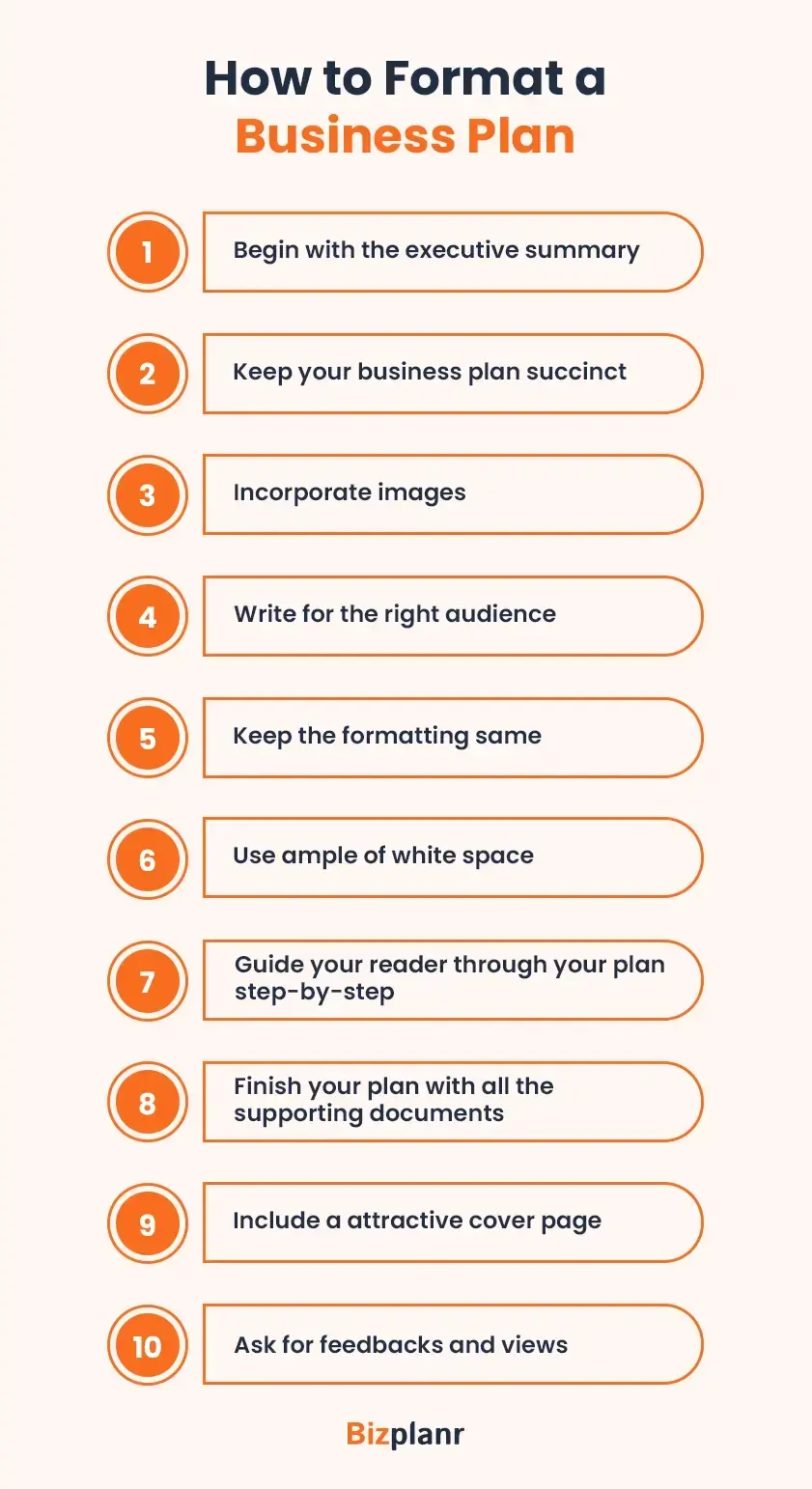
The Financial Blueprint: Why Every Business Plan Starts with Numbers
The core purpose of a business plan is to prove that an idea is economically viable. For founders and financial managers, the document acts as a safeguard against the most common reason for business failure: running out of capital. By meticulously documenting your financial assumptions, you create a baseline against which you can measure actual performance.
A finance-centric business plan prioritizes “hard” data. This includes market sizing, cost structures, and anticipated profit margins. While the mission and vision of a company are important for culture, the financial blueprint is what convinces stakeholders that the company can survive market volatility. When you begin your plan, you are essentially building a mathematical model of your business. You are answering the fundamental question: How much will it cost to acquire a customer, and how much profit will that customer generate over time?
By establishing these metrics early, you enable “data-driven decision-making.” Instead of guessing which marketing channel to use or when to hire new staff, you refer to your plan’s financial projections to determine if the business has the liquidity to support such moves. This disciplined approach is what separates a hobby from a professional enterprise.
Essential Components of a Profit-Driven Business Plan
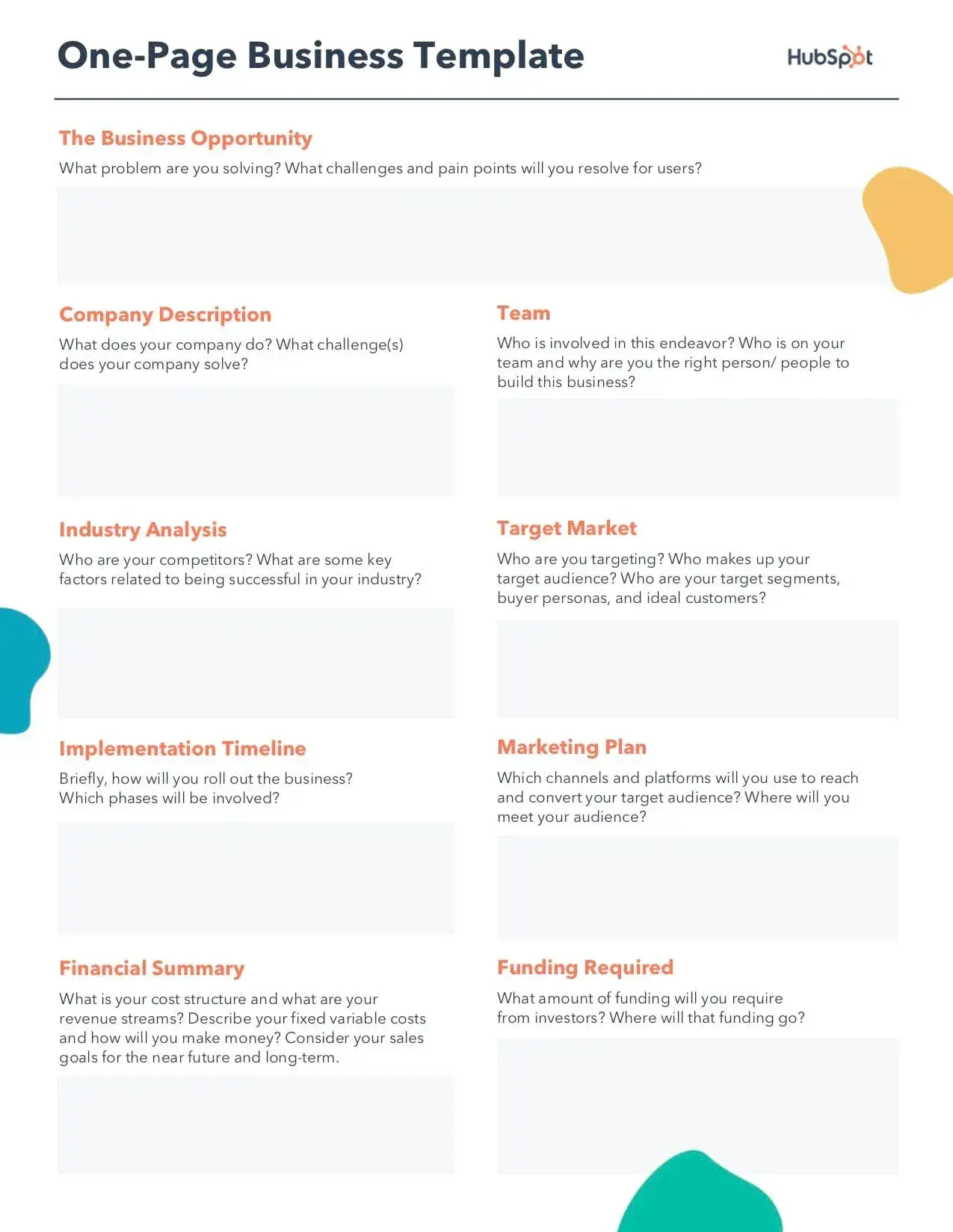
A professional business plan follows a structured format that allows readers to quickly identify the financial opportunity. While every industry is different, the following components are non-negotiable for any plan intended to attract funding or manage business finances.
The Executive Summary: Your Financial Hook
The executive summary is the most critical section of your document. Investors often read this page first to decide if the rest of the plan is worth their time. In a money-focused plan, this section should move quickly past the “what” and focus on the “how much.”
You must clearly state the funding requirement, the intended use of capital, and the projected return on investment (ROI). Highlight your key financial milestones, such as your anticipated break-even date and your three-year revenue targets. If you are seeking $500,000 in seed funding, the executive summary should explain exactly how that capital will be deployed to reach a specific valuation or revenue milestone.
Revenue Models and Pricing Strategy
How your business generates income is the engine of your plan. This section requires a deep dive into your revenue model—whether it is subscription-based, transactional, freemium, or service-oriented. You must justify your pricing strategy not just by what competitors charge, but by your cost of goods sold (COGS) and desired gross margins.
For instance, if you are launching a high-volume product, your plan should detail the economies of scale you expect to achieve. If you are focused on a high-ticket service, you must explain how your pricing accounts for the long sales cycles and high customer acquisition costs (CAC). A strong pricing strategy demonstrates that you understand the relationship between volume, price, and overhead.
Market Analysis and Economic Feasibility
Market analysis in a business plan is often misunderstood as a simple look at trends. In a financial context, it is about quantifying the Total Addressable Market (TAM), Serviceable Addressable Market (SAM), and Serviceable Obtainable Market (SOM).
You need to prove that there is enough money circulating in your target niche to support your revenue goals. This involves analyzing the spending power of your target demographic and the financial health of your competitors. If the market is saturated, your plan must explain how you will capture market share without entering a “race to the bottom” on pricing, which would erode your margins and jeopardize your financial stability.
Building Robust Financial Projections
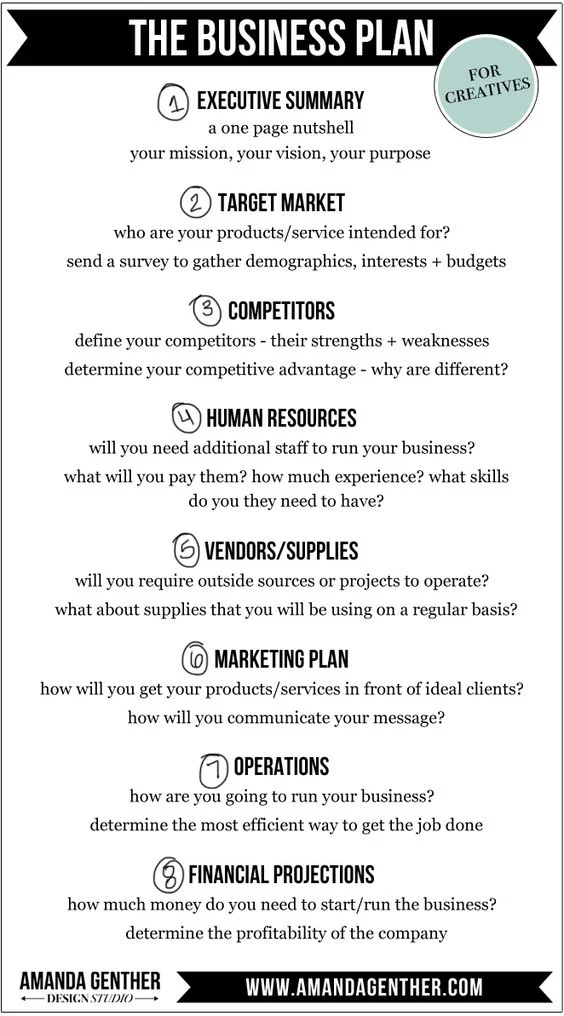
The financial projections section is the “engine room” of your business plan. This is where your narrative meets reality. Projections should typically cover three to five years and must be grounded in realistic assumptions rather than blind optimism.
Income Statements and Cash Flow Forecasts
The Pro Forma Income Statement (Profit and Loss) shows your projected revenue, expenses, and profits over a specific period. It allows you to demonstrate the scalability of your business model. However, for a new business, the Cash Flow Forecast is even more vital.
Cash flow is the lifeblood of an organization. Many profitable businesses fail because their cash is tied up in inventory or accounts receivable while their bills are due. Your business plan must show a month-by-month cash flow analysis for at least the first year, proving that you have enough liquidity to survive the “valley of death”—the period before the business becomes self-sustaining.
The Balance Sheet: Assets, Liabilities, and Equity
A balance sheet provides a snapshot of your business’s financial health at a specific point in time. It lists what you own (assets), what you owe (liabilities), and the owner’s investment (equity). For a business plan, the projected balance sheet shows how the company’s value will grow as it pays down debt and accumulates retained earnings. This is particularly important for capital-intensive businesses, such as manufacturing or real estate, where asset management is a key driver of financial success.
Break-Even Analysis: Identifying the Point of Profitability
Every investor wants to know when they will see a return. A break-even analysis calculates the exact point where your total revenue equals your total expenses. This is calculated by dividing your fixed costs by your contribution margin (price per unit minus variable cost per unit).
Including a break-even chart in your business plan shows that you have a firm grasp of your cost structure. It provides a clear target for your sales team and a psychological milestone for the founders. Knowing that you need to sell 1,500 units a month to cover costs gives the entire organization a concrete financial goal to rally behind.
Capital Requirements and Funding Strategies
Once you have defined your financial projections, you must address how you will fund the journey. This section of the business plan details the “Ask.”
Determining How Much Capital You Need
One of the most common mistakes in business planning is asking for too little money. You must account for your “burn rate”—the amount of money you spend each month before achieving positive cash flow. Your capital request should include a “buffer” for unforeseen expenses, market shifts, or delays in product development. A well-constructed plan categorizes the capital needed into buckets: working capital, equipment, marketing, and talent acquisition.
Choosing Between Bootstrapping, Debt, and Equity
Your plan should outline your preferred method of financing.
-
Bootstrapping: Relying on personal savings and early revenue. This retains 100% ownership but can limit growth speed.
-
Debt Financing: Taking out bank loans or lines of credit. This requires a strong credit history and a plan for interest payments but doesn’t require giving up equity.
-
Equity Financing: Selling a portion of the company to investors (angel investors or VCs). This provides large amounts of capital and expertise but dilutes your ownership.
Your choice of funding strategy should align with your long-term financial goals and the risk profile of your business.
The Investor Pitch: Translating Your Plan into ROI
If you are using your business plan to raise money, you must speak the language of ROI. Investors are looking for an “exit strategy.” Whether it is an Initial Public Offering (IPO), an acquisition by a larger company, or a long-term dividend payout, your plan should indicate how the people putting money in will eventually get their money out—with a significant profit.
Long-Term Financial Management and Scalability
A business plan is not a static document to be filed away once funding is secured. It is a living management tool. The final sections of your plan should focus on how you will manage your finances once the business is operational.
Monitoring Variance and Adjusting the Plan
Financial discipline requires comparing your “budgeted” figures against your “actual” figures on a monthly basis. This is known as variance analysis. Your business plan should outline a governance structure for reviewing financial performance. If your marketing costs are 20% higher than projected, or your sales are 10% lower, your plan should provide a framework for how the business will pivot to remain solvent.
Reinvestment Strategies for Compound Growth
Finally, a plan for a successful business must address what happens when the company becomes profitable. Will profits be distributed to shareholders, or will they be reinvested into the company to fuel further expansion? In the world of business finance, reinvesting profits—often referred to as “organic growth”—is one of the most effective ways to build long-term wealth and increase the valuation of the company.
By focusing on these financial pillars—revenue modeling, cash flow management, break-even analysis, and capital strategy—you create a business plan that is more than just a dream. You create a strategic asset that provides the clarity, confidence, and capital necessary to build a thriving, profitable business in any economic climate.
aViewFromTheCave is a participant in the Amazon Services LLC Associates Program, an affiliate advertising program designed to provide a means for sites to earn advertising fees by advertising and linking to Amazon.com. Amazon, the Amazon logo, AmazonSupply, and the AmazonSupply logo are trademarks of Amazon.com, Inc. or its affiliates. As an Amazon Associate we earn affiliate commissions from qualifying purchases.