
The evolution of decentralized ledger technology has transformed from a niche cryptographic experiment into a cornerstone of modern software engineering. While the early days of digital currency required deep expertise in C++ and peer-to-peer networking, the current ecosystem offers a diverse array of frameworks, software development kits (SDKs), and automated tools that have lowered the barrier to entry. However, “making a crypto coin” remains a complex technical endeavor that demands a rigorous understanding of distributed systems, security protocols, and consensus logic.
This guide explores the technical lifecycle of cryptocurrency creation, focusing exclusively on the engineering and software development aspects required to launch a functional digital asset.
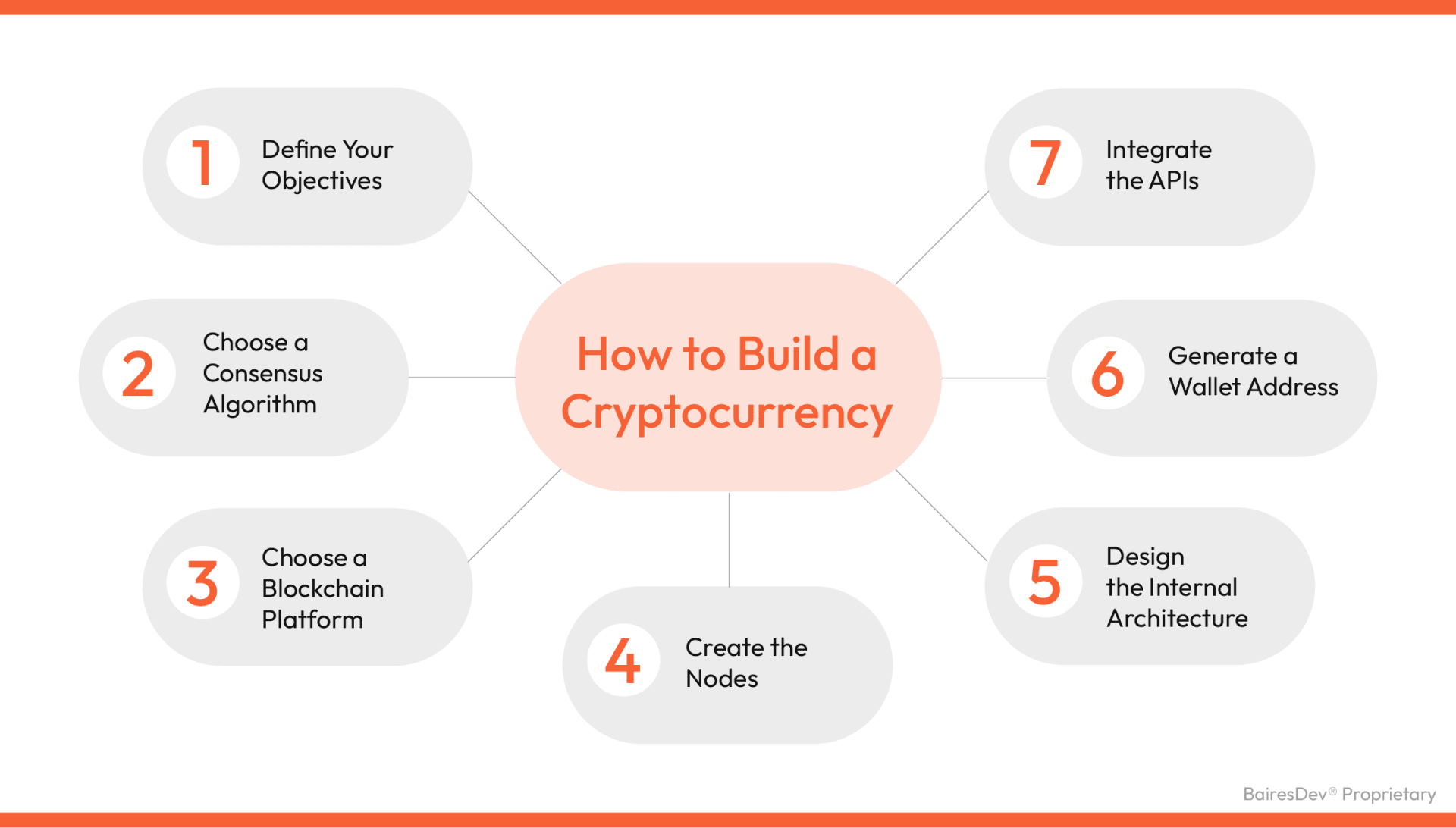
1. Defining the Core Blockchain Architecture
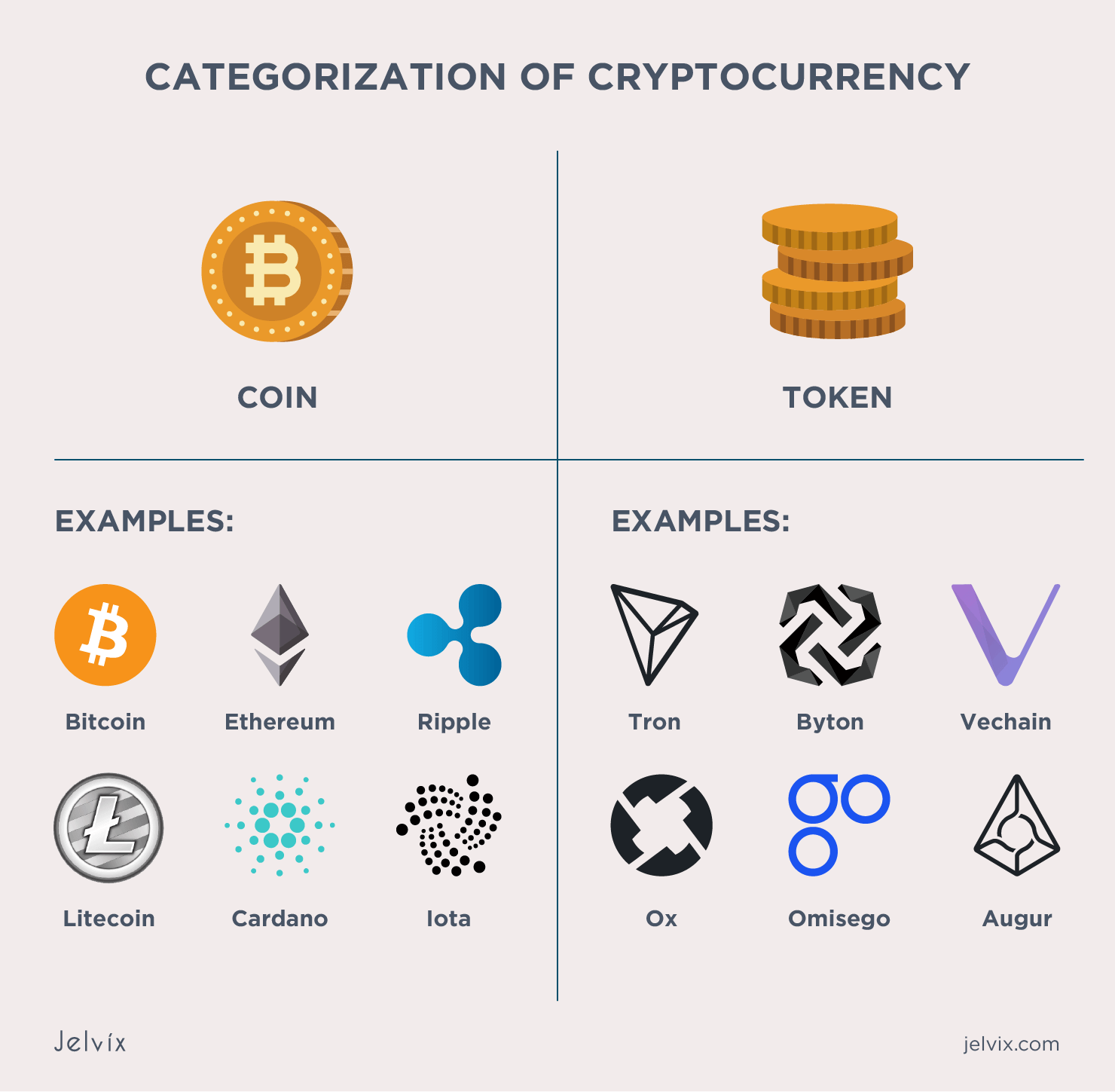
Before a single line of code is written, a developer must determine the structural foundation of the project. In the tech niche, this begins with a fundamental distinction: whether to build an entirely new blockchain (a “coin”) or to deploy a smart contract on an existing network (a “token”).
Choosing Between a Native Blockchain and a Token Standard
Creating a native coin involves building a Layer-1 (L1) protocol. This requires developing a unique ledger, a peer-to-peer (P2P) networking layer, and a consensus engine. This path offers maximum flexibility but demands significant engineering resources to maintain network security and node participation.
Conversely, developing a token (such as those using the ERC-20 or BEP-20 standards) leverages the existing security and infrastructure of established networks like Ethereum or Binance Smart Chain. For most software developers, starting with a token standard is the preferred entry point, as it allows focus on application logic rather than low-level networking code.
Selecting and Optimizing Consensus Mechanisms
The consensus mechanism is the heartbeat of any cryptocurrency. It is the software logic that ensures all nodes in a distributed network agree on the state of the ledger.
- Proof of Work (PoW): Requires heavy computational power and complex hashing algorithms (like SHA-256). From a tech standpoint, this involves managing difficulty adjustment algorithms and hardware compatibility.
- Proof of Stake (PoS): Focuses on validator nodes and stake-weighted voting. Engineering a PoS system requires sophisticated slashing logic (to punish bad actors) and rewards distribution software.
- Delegated Proof of Stake (DPoS) and PoA: These are often chosen for high-throughput applications, relying on a limited set of known validators to increase transaction speed and reduce latency.
2. The Development Stack: Frameworks and Programming Languages
The choice of programming language dictates the performance, safety, and interoperability of the cryptocurrency. Modern blockchain development has moved beyond the constraints of early Bitcoin architecture, embracing languages designed for memory safety and high concurrency.
Forking vs. Building with SDKs
One of the most common technical shortcuts is “forking.” By cloning the source code of an open-source project like Bitcoin or Litecoin, a developer can modify parameters—such as block time, total supply, and hashing algorithms—to create a new coin. This is an excellent way to study existing codebase architectures.
However, for bespoke functionality, developers often turn to modular frameworks:
- Cosmos SDK: A modular framework for building interoperable, application-specific blockchains using the Go programming language.
- Substrate (Polkadot): A Rust-based framework that allows for “pallet” customization, where developers can plug in pre-built modules for governance, staking, and identity.
- Hardhat and Foundry: For those building tokens on EVM (Ethereum Virtual Machine) chains, these development environments are essential for compiling, deploying, and debugging smart contracts.
Language Selection: Solidity, Rust, and Go
The “tech” of the coin is heavily influenced by the language. Solidity is the industry standard for smart contracts, designed specifically for the EVM. It is object-oriented and highly focused on state changes. Rust, used in Solana and Polkadot, is favored for its memory safety and performance, making it ideal for high-frequency transaction environments. Go (Golang) remains a favorite for the core networking layers of blockchains due to its efficiency in handling concurrent processes.
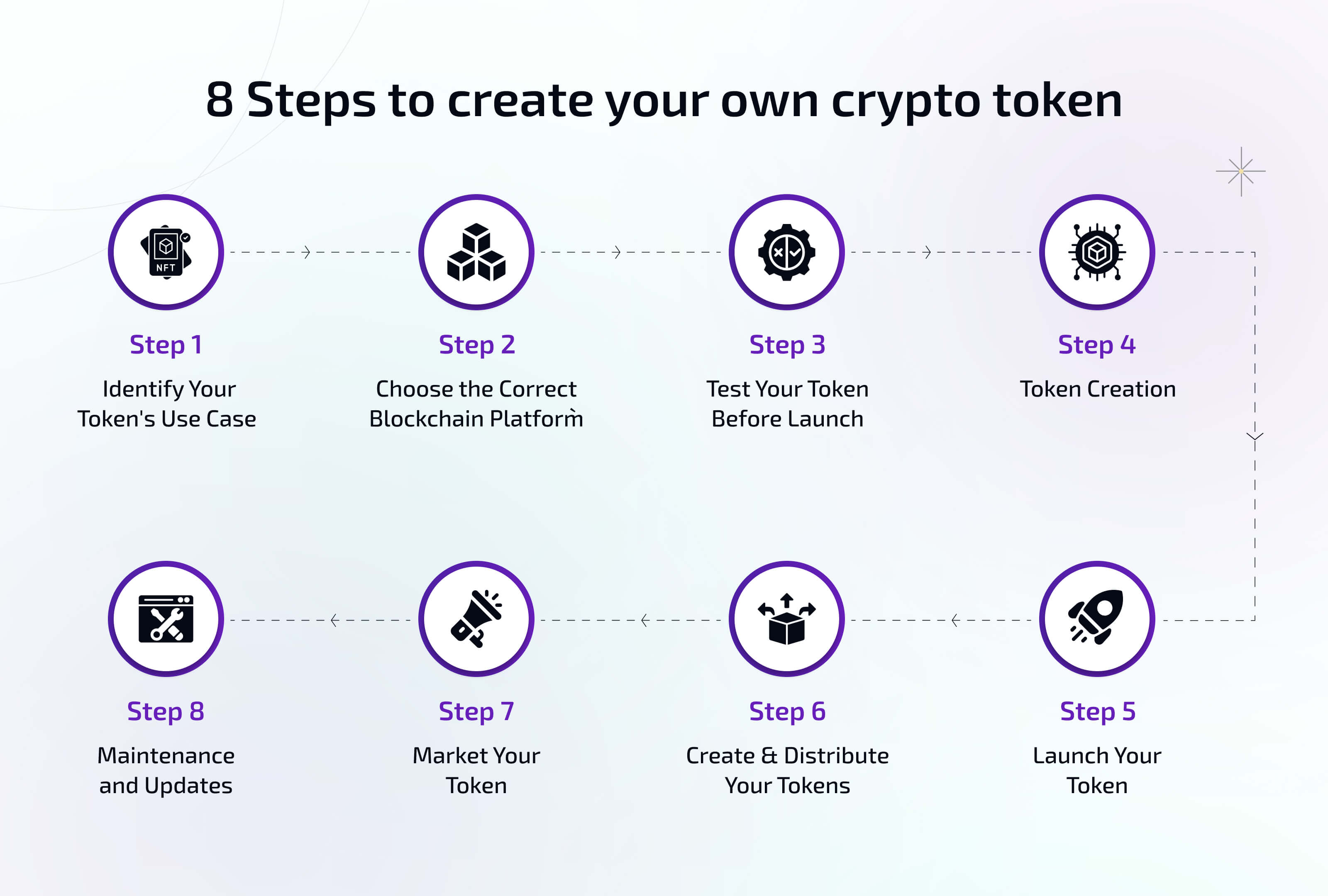
3. Engineering Smart Contracts and Security Protocols
If you are building a token or a programmable coin, the smart contract is the engine that executes transactions without intermediaries. This section of development is where the most critical technical risks reside.
Implementing Standard Protocols (ERC-20, ERC-721, ERC-1155)
To ensure the coin is compatible with existing infrastructure like wallets (MetaMask) and decentralized applications (dApps), it must adhere to specific technical standards. An ERC-20 contract, for instance, must implement specific functions: totalSupply, balanceOf, transfer, and approve. Deviating from these interface standards can lead to “bricking” the asset, rendering it unusable by standard software tools.
Advanced Security Auditing and Logic Testing
In blockchain tech, code is law, and code is immutable. Once a contract is deployed to a mainnet, it generally cannot be changed. Therefore, the technical workflow must include:
- Unit Testing: Writing scripts to test every possible interaction with the contract logic.
- Formal Verification: Using mathematical proofs to ensure the code behaves exactly as intended.
- Static Analysis Tools: Utilizing software like Slither or Mythril to automatically detect common vulnerabilities such as reentrancy attacks, integer overflows, or front-running opportunities.
4. Network Deployment and Infrastructure Management
Once the code is written and audited, the “making” process shifts to deployment and the maintenance of the digital infrastructure.
Setting Up Validator Nodes and RPC Endpoints
For a native coin, the developer must bootstrap the network by deploying the initial set of nodes. This involves configuring server environments (often using Docker and Kubernetes) to ensure high availability.
- RPC (Remote Procedure Call) Nodes: These are essential for allowing external software—like wallets and block explorers—to communicate with the blockchain. Engineering a robust RPC layer is vital for user adoption.
- Genesis Block Configuration: The “Genesis Block” is the first block of a blockchain. Technically, this involves hardcoding the initial distribution, network parameters, and timestamps into the software’s initial state.
Integrating Wallets and Block Explorers
A cryptocurrency is invisible without a way to view and move it. The technical setup is not complete until:
- Block Explorer Integration: Deploying an instance of an explorer (like Blockscout) that indexes the blockchain and provides a searchable UI for transactions.
- Wallet Compatibility: Ensuring the coin’s derivation paths and chain IDs are correctly configured so that software wallets can sign transactions and display balances accurately.
5. Future-Proofing: Scalability and AI Integration
The final stage of “making” a crypto coin involves preparing the technology for scale. As transaction volume increases, a basic blockchain will face congestion and high latency.
Implementing Layer-2 and Sidechain Solutions
To maintain high performance, developers are increasingly looking at Layer-2 scaling solutions. This includes:
- Optimistic Rollups: Bundling transactions together off-chain before submitting them to the main layer.
- ZK-Rollups (Zero-Knowledge): Using advanced mathematics to prove the validity of transactions without revealing the underlying data, offering both privacy and massive scalability.
The Role of AI in Blockchain Optimization
Emerging trends see the integration of AI tools directly into the blockchain stack. AI can be used for “Smart Contract Autopilot” features, where machine learning models analyze network traffic to optimize gas fees in real-time. Furthermore, AI-driven security bots can monitor the blockchain 24/7, identifying suspicious patterns and automatically flagging potential exploits before they result in a loss of funds.
In conclusion, creating a cryptocurrency is a multidisciplinary software engineering challenge. It requires a deep dive into cryptography, a mastery of modern programming languages, and a rigorous approach to security and systems architecture. By focusing on these technical pillars, developers can move beyond the hype and build robust, scalable decentralized systems that push the boundaries of what software can achieve.
aViewFromTheCave is a participant in the Amazon Services LLC Associates Program, an affiliate advertising program designed to provide a means for sites to earn advertising fees by advertising and linking to Amazon.com. Amazon, the Amazon logo, AmazonSupply, and the AmazonSupply logo are trademarks of Amazon.com, Inc. or its affiliates. As an Amazon Associate we earn affiliate commissions from qualifying purchases.