
Embarking on a new business venture, whether it’s a groundbreaking startup, an innovative side hustle, or an expansion of an existing enterprise, is an exciting journey. However, without a meticulously crafted business plan, even the most brilliant ideas can falter. A business plan isn’t merely a formality; it’s a dynamic financial blueprint, a strategic compass, and an indispensable tool for attracting capital and navigating the complexities of the market. For those focused on financial success, investment, and sustainable income, understanding each step of its creation is paramount. This comprehensive guide will walk you through the process, emphasizing the financial underpinnings that make your plan a powerful instrument for growth and stability.

The Indispensable Role of a Business Plan in Financial Success
At its core, a business plan is a detailed document outlining your company’s goals, strategies, and, most importantly, its financial projections. For anyone operating within the “Money” sphere—be it securing investment, managing business finance, or planning for online income—this document serves as the bedrock.
Beyond a Document: A Financial Roadmap
Think of your business plan as a comprehensive financial roadmap. It compels you to scrutinize every aspect of your venture from a financial perspective: What are the startup costs? What revenue streams will you generate? How will you manage cash flow? By addressing these questions proactively, you create a clear path to profitability and sustainable financial operations. It forces you to project your income statements, balance sheets, and cash flow, which are critical for understanding the economic viability and long-term financial health of your business. This isn’t just about making money; it’s about making smart money decisions that ensure longevity.
Attracting Investment and Securing Funding
For many entrepreneurs, a primary goal of a business plan is to attract investors or secure loans. Investors, whether angel investors, venture capitalists, or even family and friends, want to see a clear return on their investment. Banks require assurance that you can repay a loan. Your business plan provides the evidence they need, showcasing your market opportunity, competitive advantage, operational efficiency, and, crucially, robust financial projections that demonstrate profitability and scalability. It’s your opportunity to speak their language, presenting a compelling financial narrative that instills confidence and mitigates perceived risks. Without a strong financial section, securing the necessary capital from outside sources becomes a formidable, if not impossible, challenge.
Mitigating Financial Risks and Guiding Decisions
Every business faces risks, but a well-constructed business plan helps you identify and mitigate financial pitfalls before they become critical. By forecasting expenses, revenues, and potential challenges, you can develop contingency plans, identify potential cash flow shortages, and make informed strategic adjustments. It provides a framework for regular financial reviews and allows you to measure performance against your initial projections, enabling agile decision-making and course correction. This proactive approach to financial risk management is invaluable, especially in dynamic markets where online income models and side hustles can be particularly volatile.
Core Components: The Financial Heart of Your Plan
While a business plan covers various facets, the financial components are often the most scrutinized, especially by those looking to fund or invest. Each section contributes to a holistic financial picture.
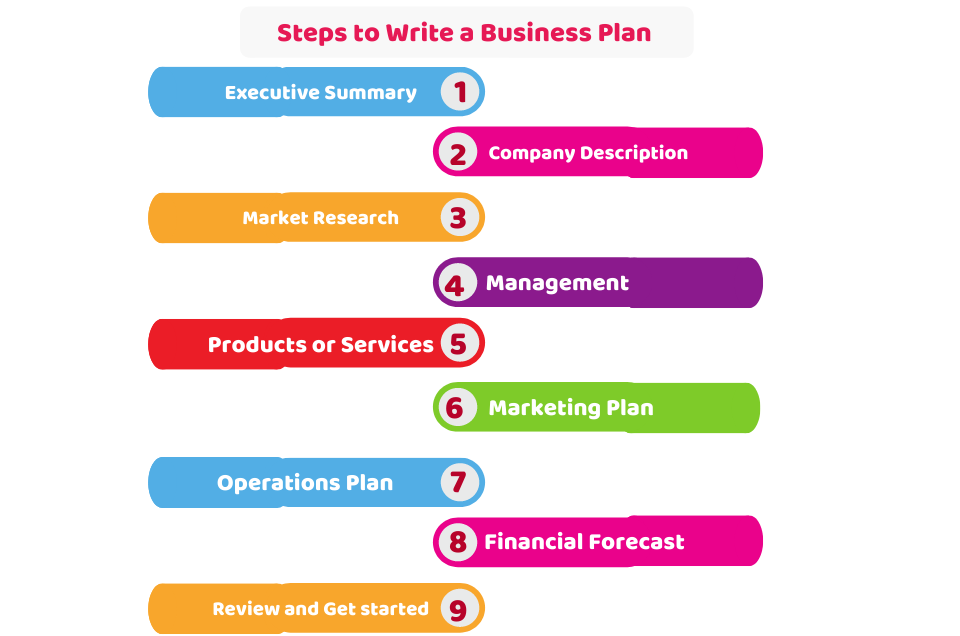
Executive Summary: Your Financial Snapshot
The executive summary is arguably the most critical part of your business plan. While it appears first, it’s often written last. It must be a concise, compelling overview of your entire plan, highlighting the most attractive financial aspects of your venture. This includes your business concept, target market, unique selling proposition, and, crucially, a summary of your financial projections—initial funding request, expected revenue, and anticipated profitability. For an investor with limited time, this section must grab their attention and convey the financial viability and potential ROI of your idea within minutes.
Market Analysis: Understanding Revenue Potential and Costs
Understanding your market is key to accurate financial forecasting. This section delves into the size of your target market, its growth potential, customer demographics, and competitive landscape. Financially, this translates into identifying potential revenue streams, pricing strategies, and anticipated market share. You’ll assess how much customers are willing to pay, the costs associated with reaching those customers (marketing, distribution), and how your pricing strategy compares to competitors. A thorough market analysis underpins your revenue projections, making them more credible and robust. It also helps estimate the financial investment required for market entry and sustained growth.
Organizational & Management Structure: Efficiency and Payroll
This section details who will run the business and their respective roles. From a financial perspective, this directly relates to payroll, benefits, and operational efficiency. You’ll outline the team members, their experience (demonstrating capability to execute the plan), and the organizational hierarchy. This helps in budgeting for salaries, understanding personnel-related costs, and projecting the financial impact of your team structure. For investors, a strong management team is as crucial as strong financial projections, as they demonstrate the human capital needed to achieve the financial goals outlined.
Crafting Your Financial Projections
This is where the rubber meets the road for the “Money” category. Accurate and realistic financial projections are the backbone of your business plan, demonstrating your venture’s economic feasibility and attractiveness.
Startup Costs: Initial Outlays and Funding Needs
Before you generate any income, you’ll incur costs. This section details all the initial expenses required to get your business off the ground. Think about equipment, rent deposits, legal fees, initial inventory, software licenses, website development, permits, and initial marketing campaigns. Itemize everything, estimate costs, and sum them up to determine your total startup funding requirement. This figure is crucial for determining how much capital you need to raise, whether through personal savings, loans, or investments. Be thorough and consider potential contingencies.

Operational Projections: Revenue, Expenses, and Profitability
This is where you project your income statement (also known as a Profit & Loss statement) for at least the next three to five years.
- Revenue Projections: Based on your market analysis, estimate your sales volume and pricing over time. Be realistic and justify your assumptions. Break down revenue by product line or service.
- Cost of Goods Sold (COGS): If you sell products, what does it cost to produce or acquire each unit? For services, this might include direct labor costs.
- Operating Expenses: Detail all recurring costs of running your business, such as rent, utilities, salaries (administrative, sales, marketing), insurance, office supplies, software subscriptions, and marketing spend.
- Profitability: Subtracting COGS and operating expenses from revenue will give you your gross and net profit. Show how profitability is expected to grow over time, indicating a viable business model.
Cash Flow Statement: Managing Liquidity
The cash flow statement is arguably the most important financial statement for a startup or small business, as it tracks the actual movement of cash in and out of your business. Profitability is essential, but a business can be profitable on paper and still run out of cash. This statement shows whether you have enough liquid funds to cover your short-term obligations. It’s typically projected monthly for the first year, then quarterly, and annually for subsequent years. It details cash from operations, investing activities, and financing activities, providing a clear picture of your liquidity and potential need for additional financing.
Balance Sheet: Financial Health at a Glance
The balance sheet provides a snapshot of your company’s financial health at a specific point in time, listing your assets (what you own), liabilities (what you owe), and owner’s equity (the residual value). It’s projected for the end of each fiscal year. This statement helps evaluate the business’s solvency, liquidity, and overall financial structure. For investors, it shows how the business is funded and what it owns, indicating financial strength and stability.
Break-Even Analysis: Pinpointing Profitability
A break-even analysis determines the point at which your total revenues equal your total costs, meaning you are neither making a profit nor incurring a loss. This is a critical metric for any business. It helps you understand how many units you need to sell, or how much revenue you need to generate, to cover all your expenses. This calculation provides valuable insight into the sales volume required to achieve profitability and helps in setting realistic sales targets.
Leveraging Your Business Plan for Funding and Growth
Once your business plan is meticulously crafted, its utility extends far beyond mere documentation; it becomes an active tool for financial acquisition and strategic guidance.
Presenting to Investors: Speaking the Language of Finance
When presenting to potential investors, your business plan, especially its financial sections, is your primary communication tool. Investors are primarily concerned with return on investment (ROI), risk, and scalability. Your presentation should distill the complex financial data into clear, compelling arguments that showcase why your business is a sound financial opportunity. Highlight key financial metrics such as projected revenues, profit margins, cash flow, and your funding ask, clearly articulating how their investment will be used and how it will generate returns. Be prepared to defend your assumptions with market data and realistic projections. This is where you demonstrate not just a good idea, but a financially viable and attractive one.
Securing Loans: Demonstrating Repayment Capability
For banks and other lending institutions, the focus shifts to your ability to repay debt. Your business plan must clearly demonstrate consistent cash flow and profitability that can comfortably cover loan payments. Lenders will scrutinize your cash flow projections, balance sheet (especially collateral), and historical financial data (if applicable). A well-articulated use of funds, combined with a robust repayment schedule derived from your financial forecasts, will significantly increase your chances of securing the necessary financing. They want to see a clear path to generating sufficient income to service the debt.
Ongoing Financial Management and Adaptation
A business plan isn’t a static document; it’s a living guide. After securing funding and launching, continuously refer back to your financial projections. Compare actual performance against planned performance. Are your revenues meeting expectations? Are expenses under control? This ongoing financial review allows you to identify discrepancies early, understand underlying causes, and adapt your strategies. It informs crucial operational decisions, such as hiring, inventory management, marketing spend, and pricing adjustments. This iterative process of planning, executing, and reviewing is fundamental to sustainable financial health and long-term success, especially for online income models that require constant optimization.
Tools and Resources for Financial Planning
The process of developing financial projections can seem daunting, but numerous tools and resources can simplify the task and enhance accuracy.
Spreadsheet Software: The DIY Approach
For many entrepreneurs, a robust spreadsheet program like Microsoft Excel or Google Sheets is the go-to tool. These platforms offer incredible flexibility to build custom financial models, allowing you to tailor your projections precisely to your business’s unique needs. You can create detailed tables for startup costs, income statements, cash flow, and balance sheets, linking them together to see the ripple effect of changes in assumptions. While requiring a good understanding of financial concepts and spreadsheet functions, it offers unparalleled control and transparency over your financial data.
Business Planning Software: Streamlining the Process
Several dedicated business planning software solutions exist, such as LivePlan, BizPlanBuilder, or GrowthWheel. These tools often provide templates, step-by-step guidance, and pre-built financial models that streamline the process. They can automatically generate financial statements based on your inputs, offering a quicker and often less error-prone alternative for those less comfortable with complex spreadsheets. Many also include features for market research, competitor analysis, and even pitch deck creation, making them comprehensive resources for the entire business planning process.
Financial Advisors: Expert Guidance
For complex businesses, significant funding rounds, or simply a desire for professional validation, consulting with a financial advisor, accountant, or business consultant can be invaluable. These experts can help you refine your financial assumptions, ensure accuracy in your projections, identify potential pitfalls, and even assist in packaging your financial data for investors or lenders. Their expertise can provide credibility to your plan and offer strategic financial insights that might otherwise be overlooked, potentially saving you significant time and money in the long run.
In conclusion, crafting a comprehensive business plan is far more than a bureaucratic exercise; it’s a critical financial undertaking. By meticulously detailing your startup costs, revenue streams, operational expenses, and future projections, you create a powerful document that not only guides your own decision-making but also convinces investors and lenders of your venture’s financial viability. Embrace each step of this process, and you’ll lay a solid foundation for sustainable growth and lasting financial success.
aViewFromTheCave is a participant in the Amazon Services LLC Associates Program, an affiliate advertising program designed to provide a means for sites to earn advertising fees by advertising and linking to Amazon.com. Amazon, the Amazon logo, AmazonSupply, and the AmazonSupply logo are trademarks of Amazon.com, Inc. or its affiliates. As an Amazon Associate we earn affiliate commissions from qualifying purchases.