
For many households, an auto loan represents one of the largest monthly recurring expenses, often second only to housing costs. As vehicle prices have climbed and interest rates have fluctuated, the burden of a high car payment can significantly stifle your ability to save, invest, or manage other financial obligations. Lowering your car payment is not just about finding a few extra dollars each month; it is a strategic move to optimize your debt-to-income ratio and reclaim control over your personal cash flow.
Whether you are currently struggling to make ends meet or simply looking to optimize your budget for better investment opportunities, there are several proven financial strategies to reduce what you owe on your vehicle each month.
1. Refinancing Your Auto Loan for a Better Rate
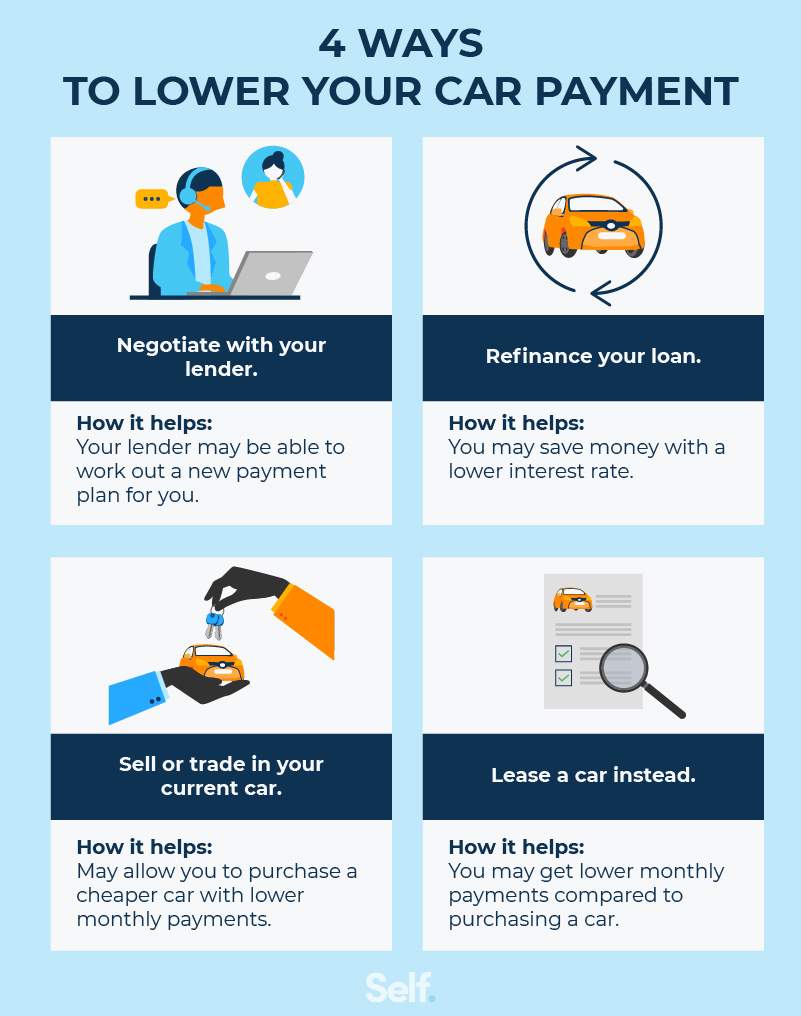
Refinancing is perhaps the most effective way to lower a car payment without changing the vehicle you drive. This process involves taking out a new loan to pay off your existing one, ideally with more favorable terms.
Understanding Current Interest Rates vs. Your Original Rate
Market conditions change constantly. If you purchased your vehicle during a period of high interest rates and the central bank has since lowered rates, you may be eligible for a significant reduction in your Annual Percentage Rate (APR). Even a 2% or 3% drop in your interest rate can translate into hundreds of dollars in savings over the remaining life of the loan. Before reaching out to lenders, check the current national averages for auto loans to see if your current rate is outdated.
The Role of Your Credit Score in Refinancing
Your creditworthiness is the primary factor lenders use to determine your interest rate. If your credit score has improved since you first signed your car loan—perhaps due to a history of on-time payments, a decrease in credit card debt, or the removal of errors from your credit report—you are in a prime position to refinance. Lenders view a higher score as a lower risk, allowing them to offer you a more competitive rate that directly lowers your monthly obligation.
When to Avoid Refinancing
While refinancing can be beneficial, it is not always the right financial move. If your current loan has “prepayment penalties,” the cost of exiting the loan might outweigh the savings of the new rate. Additionally, if you are “underwater” on your loan—meaning you owe more than the car is worth—finding a lender willing to refinance the balance can be difficult. Finally, if you are very close to paying off the vehicle, the administrative fees associated with a new loan might negate any interest savings.
2. Modifying Your Loan Terms and Structure
If refinancing to a lower rate isn’t an option, you may need to look at the structure of the loan itself. Altering the timeline of your debt can provide immediate breathing room in your monthly budget.
Extending the Loan Term: Pros and Cons
One of the fastest ways to drop your monthly payment is to extend the length of the loan. For example, if you have 24 months left on a loan, refinancing that balance into a new 48-month loan will drastically reduce the amount you pay each month. However, this comes with a major caveat: you will pay more in total interest over the life of the loan. This is a tactical move for those who need immediate cash flow relief but should be balanced against long-term financial goals.
Negotiating with Your Current Lender
Many borrowers do not realize that their current lender may be willing to work with them, especially if the alternative is a default. This is often referred to as a “loan modification.” If you are facing financial hardship, contact your lender’s loss mitigation department. They may offer a “rate reduction” or a temporary restructuring of your payments to help you stay current.
Loan Deferment Programs for Temporary Hardship
In cases of sudden job loss or medical emergencies, some lenders offer deferment or forbearance programs. This allows you to skip one or two payments, which are then tacked onto the end of the loan term. While this doesn’t lower the payment permanently, it provides a critical financial bridge during a crisis, preventing damage to your credit score.
3. Reducing Principal Through Strategic Payments
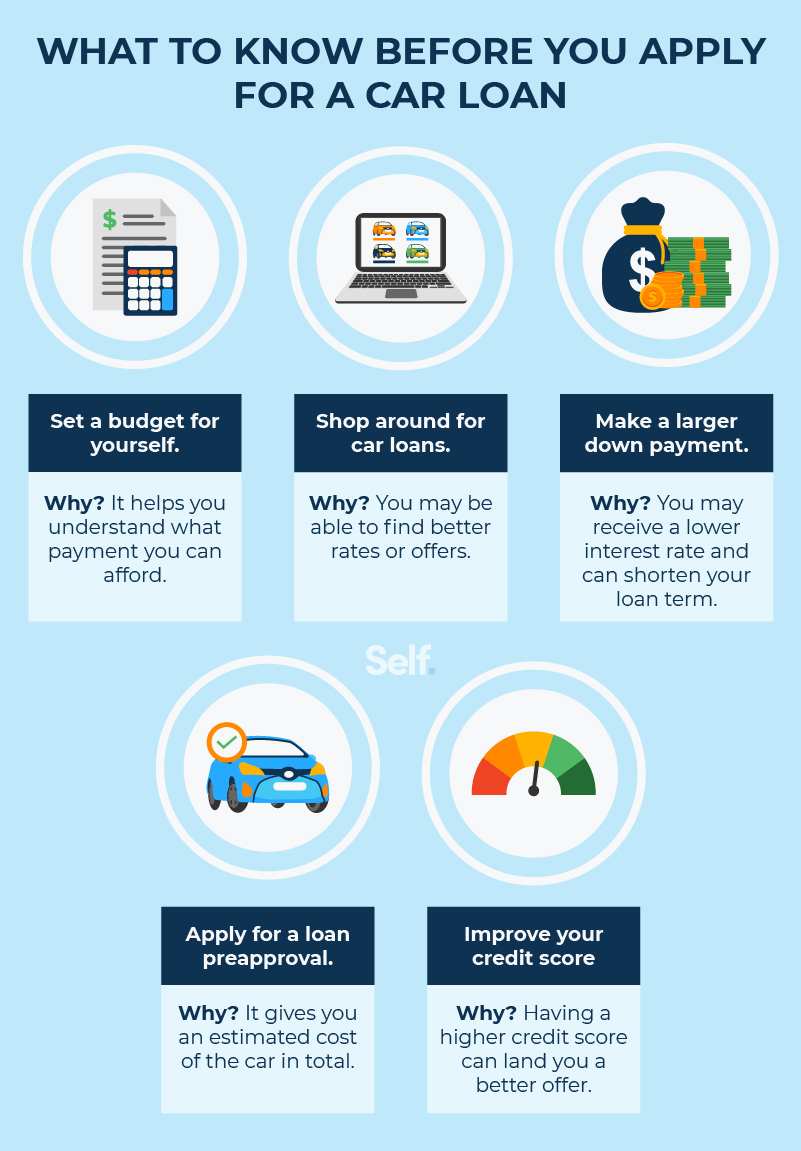
Lowering your payment can also be achieved by aggressively attacking the principal balance. While this requires an upfront investment, the long-term reduction in interest and the potential for a “recast” can be substantial.
Making Extra Principal-Only Payments
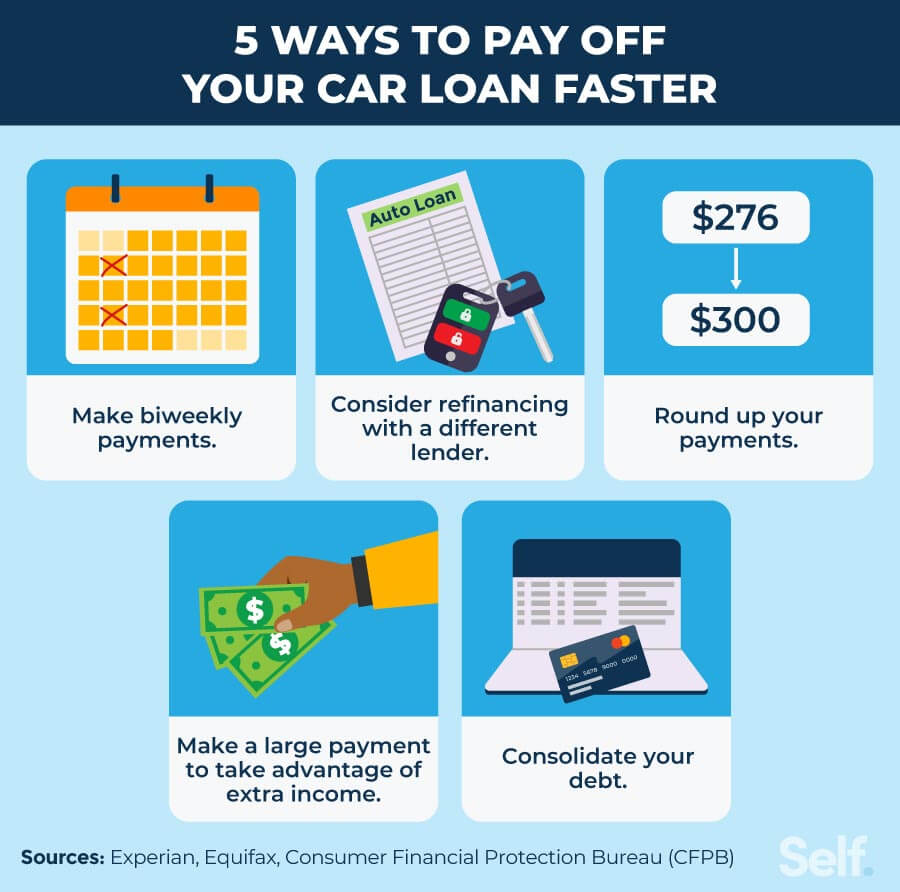
Most standard auto loans allow you to make extra payments. When doing so, it is vital to specify that the extra funds should be applied to the principal balance, not the next month’s scheduled payment. By reducing the principal, you reduce the base upon which interest is calculated. Over time, this allows you to pay off the loan early or refinance a much smaller balance into a lower payment.
The Lump Sum Strategy to Recast or Reduce Debt
If you receive a tax refund, a work bonus, or an inheritance, applying a lump sum to your car loan is a high-yield “investment” in your own debt reduction. Once a significant portion of the principal is gone, you can ask your lender to “recast” the loan. While not all auto lenders do this (it is more common in mortgages), a recast involves recalculating your monthly payments based on the new, lower balance while keeping the original interest rate and term.
Leveraging Side Hustles to Accelerate Payoff
In the modern economy, many individuals use side hustles specifically to target high-interest debt. By dedicating income from a secondary source—such as consulting, freelancing, or the gig economy—strictly to your car principal, you can rapidly move toward a point where you can either eliminate the payment entirely or refinance the remaining small balance into a negligible monthly cost.
4. Downsizing and Liquidating Your Vehicle Equity
Sometimes, the most fiscally responsible move is to admit that the current vehicle no longer fits your financial reality. Downsizing is a powerful tool for radical budget optimization.
Selling or Trading in for a Less Expensive Model
If your car payment is consuming more than 15-20% of your take-home pay, you may be “car poor.” Selling your current vehicle and purchasing a reliable, used vehicle for a fraction of the cost can eliminate or significantly reduce your monthly debt. For instance, trading a luxury SUV with a $700 payment for a reliable sedan with a $250 payment instantly frees up $450 a month for investing or emergency savings.
Calculating the Break-Even Point of a Trade-In
Before trading in your vehicle, you must calculate the “break-even point.” This involves determining the current trade-in value versus what you owe. If you have positive equity (the car is worth $20,000 and you owe $15,000), that $5,000 can be used as a down payment on a cheaper car, further lowering the new payment. If you have negative equity, you must decide if you can pay the difference out of pocket or if rolling that “negative” into a new loan actually solves your problem or makes it worse.
Private Sale vs. Dealer Trade-In
To maximize the amount of money you get for your car—which in turn helps lower your next payment—always consider a private sale. Dealerships offer convenience but typically pay “wholesale” prices so they can turn a profit. Selling to a private party can often net you 15-20% more, giving you a larger “win” to apply toward your next financial move.
5. Cutting Ancillary Costs to Offset the Total Cost of Ownership
While the “payment” is the check you write to the bank, the total cost of owning the car includes insurance, maintenance, and fuel. Reducing these can have the same net effect on your monthly budget as lowering the loan payment itself.
Shopping Around for Lower Insurance Premiums
Insurance is a mandatory “extension” of your car payment. If you haven’t shopped for insurance in the last 12 months, you are likely overpaying. By switching providers or increasing your deductible (if you have an emergency fund to cover it), you can often save $50 to $100 per month. This “found money” effectively lowers the total monthly cost of operating your vehicle.
Utilizing Financial Tools to Track Maintenance Costs
Unexpected repairs can derail a budget just as easily as a high loan payment. By using personal finance apps and tools to track your vehicle expenses, you can predict when large maintenance costs (like tires or timing belts) are due. Being proactive allows you to save for these costs incrementally rather than putting them on a high-interest credit card, which creates a second “car payment” in the form of interest-heavy revolving debt.
Strategic Refueling and Fuel Rewards
For those with long commutes, fuel is a variable “car payment.” Using financial tools like gas-cashback apps or credit cards that offer 3-5% back on fuel can shave a meaningful amount off your monthly expenditures. When combined with the other strategies mentioned, these small adjustments create a cumulative effect that significantly improves your overall financial posture.
By taking a multi-faceted approach—combining refinancing, principal reduction, and smart downsizing—you can move from being burdened by an auto loan to using your vehicle as a tool for financial stability. Lowering your car payment is not just a one-time task; it is an ongoing process of financial management that ensures your money is working for you, rather than just paying for the depreciating asset in your driveway.
aViewFromTheCave is a participant in the Amazon Services LLC Associates Program, an affiliate advertising program designed to provide a means for sites to earn advertising fees by advertising and linking to Amazon.com. Amazon, the Amazon logo, AmazonSupply, and the AmazonSupply logo are trademarks of Amazon.com, Inc. or its affiliates. As an Amazon Associate we earn affiliate commissions from qualifying purchases.