
In the rapidly evolving landscape of personal finance, the transition from traditional brick-and-mortar banking to agile fintech solutions has redefined how we interact with our money. One of the most prominent players in this shift is Cash App, a versatile financial tool that offers users the ability to send, spend, and invest with unprecedented ease. At the heart of this ecosystem is the Cash Card—a Visa debit card that bridges the gap between your digital balance and the physical world of commerce.
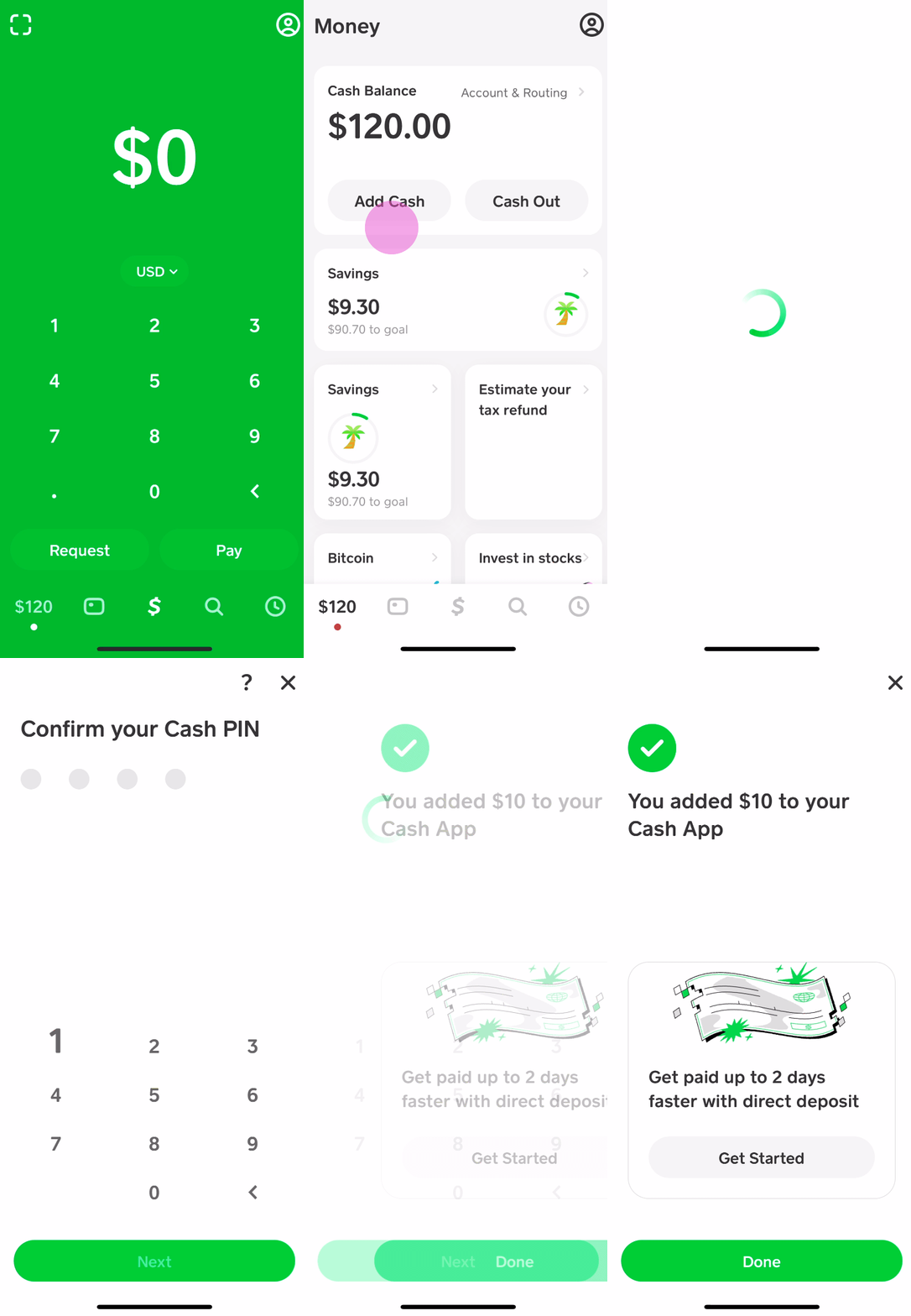
However, to truly leverage the benefits of this financial tool, one must master the various methods of funding the account. Understanding how to load money onto your Cash App card is not merely a technical necessity; it is a fundamental skill for maintaining liquidity and financial agility in a digital-first economy. This guide explores the diverse avenues for depositing funds, ranging from digital bank transfers to physical retail deposits, while framing these actions within the broader context of personal finance management.
Leveraging Digital Links: Funding via Bank and Card Transfers
The most efficient way to maintain a healthy balance on your Cash App card is through the integration of existing financial accounts. By treating Cash App as a secondary digital wallet, you can create a seamless flow of capital that supports your daily spending habits.
Connecting Your Debit Card for Instant Transfers
The primary method for most users involves linking a traditional debit card from a standard bank account. This connection facilitates “Instant Deposits,” allowing you to pull funds from your primary bank and place them onto your Cash Card in seconds. From a financial management perspective, this is ideal for “just-in-time” funding—where you only transfer the exact amount needed for a specific purchase, thereby keeping the bulk of your capital in a high-interest savings account or a more secure traditional environment.
Linking a Bank Account for Standard Transfers
While debit cards offer speed, linking your bank account via its routing and account numbers (often through secure third-party integrations like Plaid) offers a more robust structural link. Standard transfers typically take one to three business days. While slower, these transfers are often preferred by those who use Cash App for structured budgeting. By scheduling a weekly transfer from a main checking account to Cash App, users can effectively “allowance” themselves, using the Cash Card specifically for discretionary spending like dining out or entertainment.
Navigating Transfer Limits and Verification
To maintain the security of your financial ecosystem, Cash App imposes certain limits on how much money can be loaded or sent. For unverified users, these limits are relatively low. To increase your financial ceiling, you must complete the identity verification process, which involves providing your full name, date of birth, and the last four digits of your Social Security number. Once verified, your ability to move larger sums of money increases, providing the flexibility needed for significant transactions or monthly expense management.
Converting Physical Assets: Retail Cash Deposits
Despite the digital revolution, cash remains a significant part of the global economy. One of the standout features of the Cash App ecosystem is its ability to serve as a bridge between physical currency and digital utility.
The “Paper Money” Feature Explained
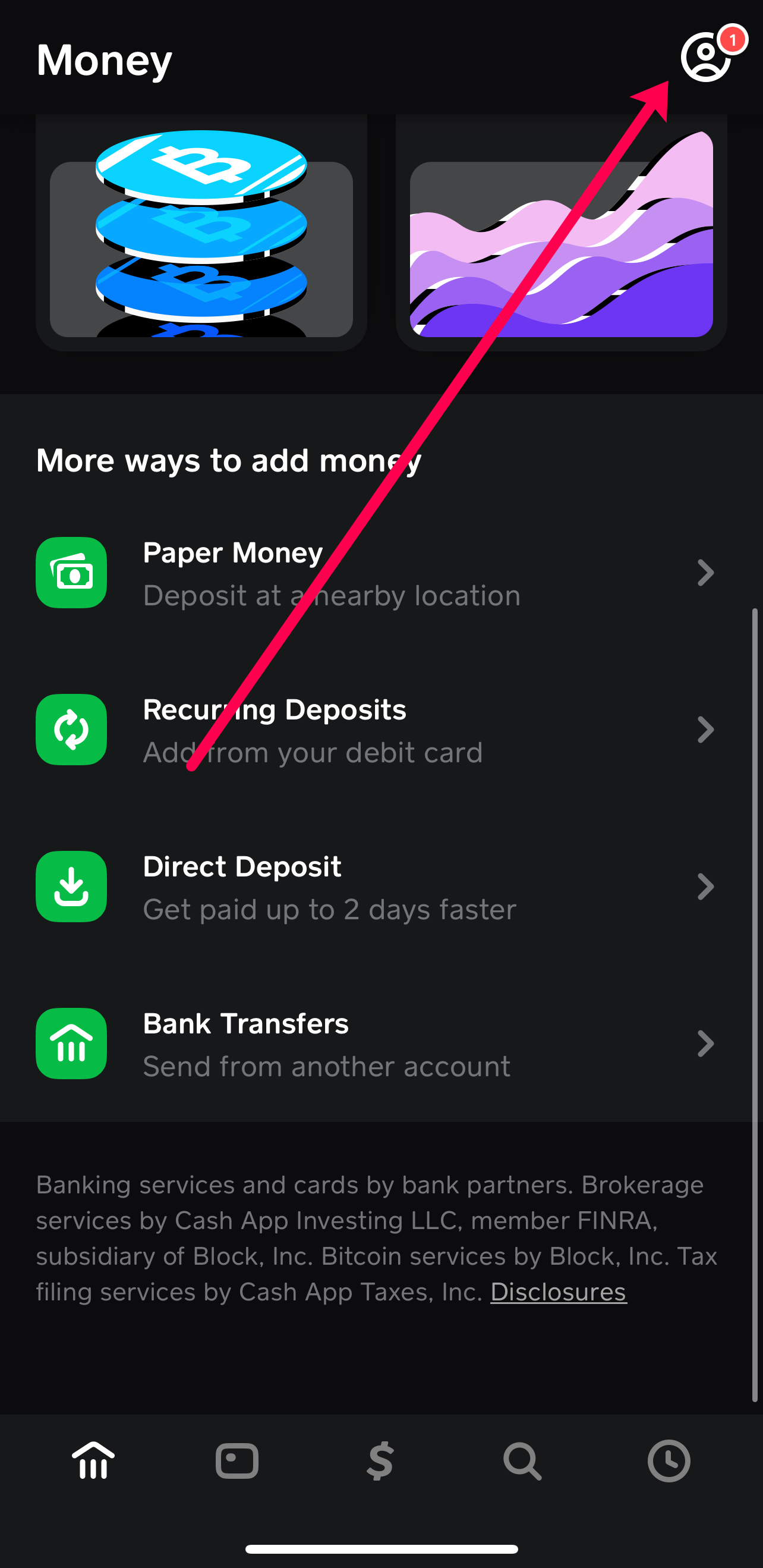
For those who receive tips, work in service industries, or simply prefer to carry cash, the “Paper Money” feature is an essential financial bridge. Within the app, users can locate a map of nearby authorized retailers. The process involves generating a unique barcode within the app, which a cashier scans to initiate the deposit. This transforms your physical bills into a digital balance that can be used for online shopping, bill payments, or peer-to-peer transfers.
Major Participating Retailers
Cash App has partnered with a vast network of national retailers to ensure accessibility. Major chains such as Walmart, Walgreens, 7-Eleven, Family Dollar, and Rite Aid serve as “loading stations.” This geographic ubiquity is a crucial component of financial inclusion, allowing individuals who may be “underbanked” to access modern digital payment tools without needing a traditional relationship with a legacy bank.
Managing Deposit Fees and Best Practices
It is important to note that physical cash deposits often come with a convenience fee—typically around $1 to $4, depending on the retailer and the transaction. From a personal finance standpoint, it is wise to consolidate your cash deposits. Instead of making five $20 deposits and incurring five separate fees, it is more cost-effective to make a single $100 deposit. Understanding these micro-costs is a hallmark of savvy financial management, ensuring that your capital is not eroded by avoidable transactional expenses.
Optimizing Income Streams: Direct Deposits and Peer Transfers
To turn your Cash App card into a primary financial vehicle, you should look beyond manual loads and consider automating the influx of capital. This transforms the app from a simple “wallet” into a comprehensive financial hub.
Setting Up Direct Deposit for Payroll
One of the most powerful ways to fund your Cash Card is by redirecting your paycheck. Cash App provides users with a routing and account number, much like a traditional bank. By providing these details to an employer, you can have your salary deposited directly into your Cash App balance. A significant financial advantage here is speed; Cash App often makes these funds available up to two days earlier than traditional banks, providing a liquidity boost that can be vital for timely bill payments.
Receiving Government Benefits and Tax Refunds
The same routing and account numbers can be used to receive federal and state tax refunds, as well as Social Security benefits or unemployment insurance. In the context of financial planning, having a dedicated account for these types of “windfall” or “fixed-income” payments can help in segregating survival funds from discretionary spending, making it easier to track and manage large annual or monthly inflows.
Peer-to-Peer (P2P) Transfers as an Income Source
In the modern “gig economy,” many side hustles—ranging from freelance design to selling items on digital marketplaces—rely on P2P transfers. When a friend or client sends you money via your $Cashtag, those funds are immediately available on your Cash Card. This ecosystem allows for a frictionless transition from “earning” to “spending.” However, users should remain diligent about record-keeping for tax purposes, ensuring that business income received via Cash App is properly categorized and reported.
Strategic Financial Management and Security
Loading money onto your card is only the first step. The ultimate goal is to manage that money with precision, ensuring both growth and protection of your assets.
Utilizing “Cash Boosts” for Instant Savings
Once your card is loaded, you have access to “Cash Boosts”—instant discount offers at specific merchants (e.g., 10% off at a grocery store or $1 off at a coffee shop). Strategically loading your card to take advantage of these boosts is a high-level personal finance tactic. It essentially provides an immediate return on your spending, which, when compounded over a year, can result in significant savings that can be redirected into the app’s Bitcoin or stock investment features.
Protecting Your Digital Capital
With the convenience of digital finance comes the responsibility of security. Users should treat their Cash App balance with the same gravity as a traditional bank account. This means enabling “Security Lock” (requiring FaceID, TouchID, or a PIN for every transaction) and utilizing the “Lock Card” feature if the physical card is ever misplaced. From a financial safety perspective, keeping a lower balance on the card and “loading” it from your linked bank only when necessary can act as a safeguard against unauthorized spending.
Integrating Cash App into a Holistic Budget
Finally, the most successful users of the Cash App card are those who view it as a piece of a larger financial puzzle. Whether you use it as a dedicated “gas and groceries” card or a “travel fund,” the ability to load money via various channels allows for precise budgetary control. By analyzing the transaction history provided in the app, you can gain insights into your spending patterns, allowing you to adjust your loading frequency and amounts to better align with your long-term financial goals.

Conclusion
Mastering the art of loading money onto your Cash App card is more than a technical hurdle; it is an exercise in modern financial literacy. By fluently navigating between digital bank links, physical cash deposits, and automated direct deposits, you empower yourself with a level of financial flexibility that traditional banking rarely offers.
As the lines between our physical and digital lives continue to blur, tools like the Cash Card serve as vital instruments for managing liquidity. Whether you are optimizing for speed through instant transfers, seeking cost-efficiency by consolidating cash deposits, or accelerating your income through early direct deposits, each method offers a unique strategic advantage. By applying the principles of professional money management to your digital wallet, you ensure that your capital is always where you need it, when you need it, and working as hard as possible for your future.
aViewFromTheCave is a participant in the Amazon Services LLC Associates Program, an affiliate advertising program designed to provide a means for sites to earn advertising fees by advertising and linking to Amazon.com. Amazon, the Amazon logo, AmazonSupply, and the AmazonSupply logo are trademarks of Amazon.com, Inc. or its affiliates. As an Amazon Associate we earn affiliate commissions from qualifying purchases.