
The airwaves have always been a captivating medium, carrying sounds, stories, and music across distances, connecting communities and individuals. For generations, the radio has been a constant companion, a source of news, entertainment, and cultural touchstones. However, the advent of the internet has dramatically reshaped this venerable medium, transforming it from a frequency-bound broadcast into an omnipresent digital stream. Today, “listening to radio online” is not just an alternative; for many, it’s the primary, most convenient, and most versatile way to engage with audio content.
This evolution has liberated radio from the confines of physical tuners and local frequencies, opening up a boundless world of global stations, niche genres, and personalized listening experiences. Whether you’re seeking international news, obscure music, local community updates, or simply a familiar voice from your hometown, the internet provides a gateway to an unparalleled audio universe. This guide will delve into the various methods, platforms, and considerations for embracing the digital revolution of radio, ensuring you can tune in whenever and wherever you choose.

The Digital Evolution of Radio: Why Online Listening Matters
The transition from analogue to digital has imbued radio with unprecedented capabilities, pushing the boundaries of accessibility and user experience. Understanding these fundamental shifts illuminates why online listening has become such a cornerstone of modern audio consumption.
Unprecedented Access and Variety
One of the most significant advantages of online radio is its ability to transcend geographical limitations. Traditional radio signals are bound by transmission range and local licensing, severely restricting the variety of stations available to a listener. Online radio shatters these barriers entirely. With an internet connection, you can effortlessly tune into:
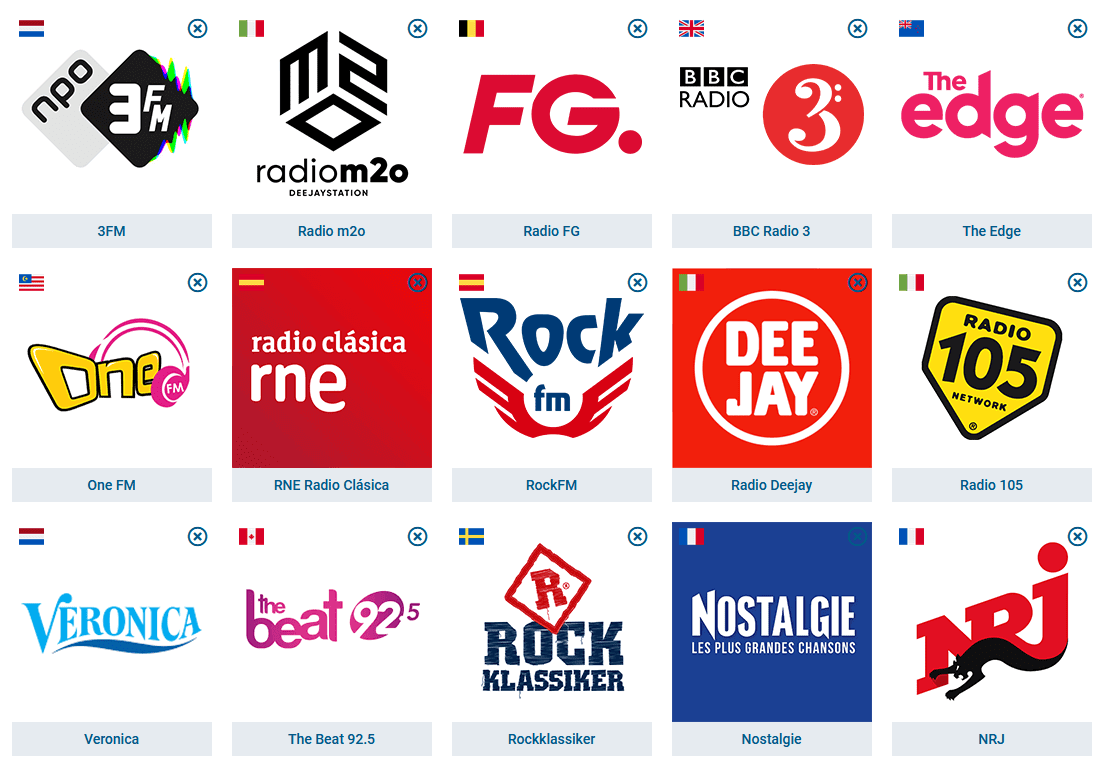
- Global Stations: From the bustling airwaves of London’s BBC Radio to the vibrant music scenes of Tokyo, online platforms aggregate thousands of stations from every corner of the globe. This offers a unique opportunity to explore international cultures, languages, and perspectives.
- Niche Genres and Independent Broadcasters: Beyond mainstream stations, the internet provides a fertile ground for highly specialized and independent broadcasters. Whether you’re passionate about obscure electronic music, historical documentaries, specific sports talk, or local community programming, there’s likely an online station dedicated to it. This diversity caters to virtually every taste and interest imaginable.
- Integration with On-Demand Audio: Many online radio platforms seamlessly integrate with podcasts and catch-up services, blurring the lines between live broadcast and on-demand content. This allows listeners to not only discover new live shows but also revisit past episodes or delve into curated podcast series within the same interface.
Convenience and Portability
The digital nature of online radio inherently lends itself to unparalleled convenience and portability. Unlike traditional radios, which often require specific devices and antenna adjustments, online radio leverages the devices we already use daily.
- Listen Anywhere, Anytime: As long as you have an internet connection (Wi-Fi or mobile data), your radio is effectively with you. This means you can listen while commuting, exercising, working, traveling, or simply relaxing at home, without being tied to a static receiver.
- Multiple Device Compatibility: Online radio is accessible across a vast ecosystem of devices. Your smartphone, tablet, laptop, desktop computer, smart speaker, smart TV, and even some car infotainment systems can all serve as portals to thousands of radio stations. This multi-device compatibility ensures a seamless listening experience as you move between environments.
- No Tuning Required: Gone are the days of fiddling with dials and antennas to find a clear signal. Online radio offers instant access to stations, often through a simple search or selection from a categorized list, delivering crystal-clear digital audio without static or interference.
Enhanced Features and Interactivity
Online radio platforms go beyond merely replicating traditional broadcasts; they enhance the listening experience with a suite of digital features and interactive capabilities.
- Pause, Rewind, and Skip: While live broadcasts remain live, many online platforms offer “catch-up” or “on-demand” features that allow you to pause a live stream and resume it later, or even rewind to hear something you missed. For recorded shows and podcasts, full playback controls are standard.
- Personalization and Discovery: Advanced algorithms analyze your listening habits to suggest new stations, shows, or podcasts that align with your interests. Features like “favorites” lists, custom station creation, and genre-based browsing make discovering new content both effortless and tailored.
- Rich Metadata and Interactivity: Online streams often come with additional information like song titles, artist names, show descriptions, and even links to related content or social media profiles of hosts. Some platforms offer interactive elements such as live chat with other listeners, polls, or direct links to purchase music being played.
Essential Tools and Platforms for Online Radio
Navigating the vast landscape of online radio can seem daunting, but a few key categories of tools and platforms make the experience straightforward and enjoyable. From dedicated websites to smart home devices, the options cater to diverse listening preferences and technical comfort levels.
Dedicated Radio Streaming Websites
These platforms act as digital aggregators, cataloging thousands of radio stations from around the world and presenting them in user-friendly interfaces accessible directly through a web browser.
- Aggregator Services:
- TuneIn Radio: One of the most popular and comprehensive platforms, offering access to over 100,000 radio stations and millions of podcasts. It features a robust search function, genre categorization, and both free and premium (ad-free) tiers.
- iHeartRadio: Focuses primarily on US-based terrestrial radio stations that also stream online, along with a vast library of podcasts and custom artist-based stations. It offers a strong social component and curated playlists.
- Audacy (formerly Radio.com): Specializes in US radio, particularly major market stations owned by Audacy, offering live streams, exclusive content, and podcasts.
- MyTuner Radio: Another excellent aggregator with a global reach, providing access to a huge number of radio stations and podcasts, often with a clean, intuitive interface.
- Streema (TuneYou): A simpler, web-focused directory that lists thousands of radio stations by country, genre, and popularity.
- Individual Station Websites: Many major broadcasters and independent stations maintain their own dedicated websites where you can stream their content directly. Examples include BBC Radio, NPR, RTÉ, and various local community radio stations. While these offer a direct portal to specific content, they lack the discovery features of aggregators.
Mobile Applications for On-the-Go Listening
For smartphone and tablet users, mobile apps provide the most convenient and feature-rich way to listen to online radio, leveraging the devices’ portability and connectivity.
- Aggregator Apps: Most of the major streaming websites (TuneIn, iHeartRadio, Audacy, MyTuner Radio) offer dedicated apps for iOS and Android. These apps typically feature:
- Background Playback: Allows you to listen to radio while using other apps or with your screen off.
- Notifications and Alarms: Set alarms to wake up to your favorite station or receive notifications for specific shows.
- Offline Access (for Podcasts): Some apps allow downloading podcasts for offline listening, though live radio streams always require an internet connection.
- CarPlay/Android Auto Integration: Seamless integration for listening in your vehicle.
- Individual Station Apps: Many popular radio stations, particularly major national broadcasters (e.g., BBC Sounds, NPR One, CBC Listen), also have their own dedicated apps, offering a more tailored experience with exclusive content, news feeds, and catch-up services specific to their programming.
Smart Speakers and Voice Assistants
Smart speakers have revolutionized hands-free online radio listening, making it as simple as uttering a command. Devices like Amazon Echo (Alexa), Google Home/Nest (Google Assistant), and Apple HomePod (Siri) are deeply integrated with major radio streaming services.
- Voice Control: Simply say, “Alexa, play BBC Radio 4,” or “Hey Google, play NPR,” and the speaker will connect to the appropriate stream. This ease of use makes smart speakers ideal for casual listening around the house.
- Service Integration: Smart speakers typically connect directly to services like TuneIn, iHeartRadio, and sometimes directly to specific station streams, providing access to a vast array of content without needing to interact with a screen.
- Multi-Room Audio: Many smart speaker ecosystems allow you to play the same radio station across multiple devices in different rooms, creating a whole-home audio experience.
Desktop Software and Web Browsers
For those at their desks, web browsers remain a primary gateway to online radio, complemented by specialized desktop software for more advanced users.

- Browser-Based Streaming: The simplest method is to visit the website of your chosen radio station or an aggregator service directly through any web browser (Chrome, Firefox, Edge, Safari). This requires no additional software installation and is universally accessible.
- Desktop Applications: While less common for pure radio streaming now, some media players like VLC Media Player can open direct stream URLs (often in .pls or .m3u format) if you have them. Some aggregator services like TuneIn also offer dedicated desktop apps for a more integrated experience outside the browser.
- Browser Extensions: Certain browser extensions can enhance the radio listening experience, offering quick access to stations or displaying currently playing information without needing to navigate to a dedicated website.
Optimizing Your Online Radio Listening Experience
While the ease of access is a major draw, a few technical considerations can significantly enhance the quality and reliability of your online radio listening experience. Focusing on connectivity, audio quality, and leveraging advanced features ensures you get the most out of digital broadcasting.
Ensuring Stable Internet Connectivity
The foundation of any good online listening experience is a robust and consistent internet connection. Without it, you’ll encounter buffering, dropouts, and frustrating interruptions.
- Wi-Fi vs. Mobile Data: For home listening, a stable Wi-Fi connection is usually preferred, offering higher speeds and unlimited data. When on the go, mobile data (4G or 5G) provides the necessary connectivity. Be mindful of your data plan limits, as continuous streaming can consume a significant amount of data, especially at higher audio qualities.
- Bandwidth Considerations: While radio streams are generally not as bandwidth-intensive as video, a reliable connection with sufficient bandwidth is crucial. If your internet speed is low or inconsistent, you might experience buffering, where the player pauses to download more data. Ensure other demanding activities (e.g., large downloads, multiple video streams) aren’t monopolizing your bandwidth.
- Troubleshooting Buffering Issues: If you frequently experience buffering, try these steps:
- Move closer to your Wi-Fi router.
- Restart your router and modem.
- Close other applications or browser tabs that might be consuming bandwidth.
- Try a different streaming server or station, as the issue might be on the broadcaster’s end.
- Reduce the audio quality setting if available in your app/platform.
Choosing the Right Audio Quality
Online radio streams are delivered at various bitrates, which directly impact audio fidelity and data usage. Understanding this balance helps you tailor the experience to your needs.
- Bitrate Explanation (kbps): Bitrate refers to the amount of data transmitted per second (kilobits per second or kbps). Higher bitrates mean more data and generally better sound quality, but also consume more bandwidth and mobile data.
- Low Quality (32-64 kbps): Suitable for spoken word, limited data plans, or very slow connections. Sound can be compressed and lack detail.
- Standard Quality (96-128 kbps): A good balance for music and talk radio, offering decent fidelity without excessive data use. Many stations stream at this level by default.
- High Quality (192-320 kbps): Provides near-CD quality audio, ideal for critical music listening or if you have an excellent internet connection and unlimited data.
- Settings Within Apps/Websites: Many streaming platforms and apps offer settings to choose your preferred audio quality. Adjust these based on your internet connection, data plan, and audio equipment (high-quality headphones or speakers will reveal differences more readily).
Exploring Advanced Features and Customization
Beyond simply playing a station, modern online radio platforms offer a wealth of features designed to personalize and enrich your listening journey.
- Creating Favorite Station Lists: Most apps and websites allow you to “favorite” or “bookmark” stations, creating a personalized list for quick access without having to search every time.
- Setting Alarms and Sleep Timers: Wake up to your preferred news broadcast or drift off to soothing music with built-in alarm and sleep timer functions found in many mobile apps and smart speakers.
- Podcast Integration: Explore the podcast sections within radio apps. Many radio shows release their content as podcasts, offering the flexibility to listen on-demand, often without ads.
- Discovering New Content: Leverage the “recommended for you” sections, genre browsing, and geographical search filters to continuously discover new stations and shows that align with your interests. Some apps even feature curated playlists by expert editors.
Troubleshooting Common Issues
Despite the general reliability of online streaming, occasional technical glitches can occur. Knowing how to address them can save frustration.
- No Sound or Intermittent Audio:
- Check your device’s volume and ensure it’s not muted.
- Verify your internet connection is active and stable.
- Refresh the web page or restart the app.
- Try a different station to determine if the issue is with a specific stream.
- Clear your browser’s cache and cookies, or the app’s cache.
- App Crashes or Freezes:
- Close and reopen the application.
- Ensure your app is updated to the latest version.
- Restart your device.
- If persistent, try reinstalling the app (note: this might erase downloaded content or settings).
- Connectivity Problems:
- If using Wi-Fi, reboot your router.
- If using mobile data, check your signal strength and data plan allowance.
- Ensure the app has necessary network permissions on your device.
Beyond Live Streams: The Future of Online Audio
Online radio is not static; it’s a dynamic ecosystem constantly evolving with technological advancements and changing listener habits. The trajectory points towards even more personalized, interactive, and immersive audio experiences.
The Rise of On-Demand Content (Podcasts & Catch-Up)
The clear synergy between live radio and on-demand content is undeniable. Radio broadcasters are increasingly leveraging podcasts and catch-up services to extend their reach and offer listeners unparalleled flexibility.
- Radio as a Podcast Generator: Many traditional radio shows are now available as podcasts shortly after their live broadcast. This allows listeners to catch up on missed episodes, listen at their convenience, and skip commercials, effectively giving shows a second life.
- Podcast-First Content: The inverse is also true, with popular podcasts sometimes getting syndicated onto traditional radio, blurring the lines further. This cross-pollination ensures that high-quality audio content reaches audiences through multiple channels.
- Enhanced Discovery: Radio apps often serve as excellent discovery platforms for podcasts, making it easy to transition from live news or music to deep-dive interviews or serialized stories within the same interface.
Personalized Radio and AI Curation
The future of online radio leans heavily into personalization, moving beyond simply offering a vast selection to actively curating content tailored to individual tastes.
- Algorithmic Recommendations: Advanced AI algorithms are becoming increasingly sophisticated at analyzing listening history, genre preferences, and even emotional responses to suggest new stations, artists, and shows that a listener is likely to enjoy.
- Custom “Radio Stations”: Services like Pandora and Spotify Radio have pioneered the concept of personalized radio, creating endless streams of music based on a single song, artist, or genre, constantly evolving with listener feedback. This model is likely to extend to talk radio and other content types.
- Dynamic Ad Insertion: As personalization grows, expect more dynamically inserted ads that are relevant to your demographic and interests, further tailoring the experience (though this also raises privacy considerations).
Immersive Audio Experiences
Technological advancements in audio quality and delivery promise a more immersive listening experience, pushing the boundaries of what online radio can deliver.
- High-Fidelity Streaming (Lossless Audio): As internet speeds increase, more platforms are beginning to offer lossless or high-resolution audio streaming, providing unparalleled sound quality that retains all the nuances of the original recording. This is particularly appealing to audiophiles.
- Spatial Audio and Binaural Beats: Emerging technologies like spatial audio (e.g., Apple Spatial Audio) are creating three-dimensional soundscapes, making content sound as if it’s coming from different directions around the listener. While currently more prevalent in music and movies, its application to radio broadcasts for enhanced storytelling or sound design could be transformative.
- Integration with Smart Home Ecosystems: Online radio will continue to integrate more deeply into smart home environments, allowing for seamless playback control, personalized content delivery across devices, and even context-aware broadcasting that adapts to your environment or routine.
In conclusion, listening to radio online is far more than just a convenient alternative to traditional broadcasting; it represents a fundamental shift in how we consume audio. It offers unparalleled access, immense variety, and a highly personalized experience, all accessible through the devices we already own. As technology continues to advance, the online radio landscape will undoubtedly evolve further, promising even richer, more interactive, and immersive audio journeys for listeners worldwide. The digital airwaves are open, and the world of sound awaits your exploration.
aViewFromTheCave is a participant in the Amazon Services LLC Associates Program, an affiliate advertising program designed to provide a means for sites to earn advertising fees by advertising and linking to Amazon.com. Amazon, the Amazon logo, AmazonSupply, and the AmazonSupply logo are trademarks of Amazon.com, Inc. or its affiliates. As an Amazon Associate we earn affiliate commissions from qualifying purchases.