
Linking a credit card to Cash App offers a distinct financial utility, diverging significantly from merely connecting a debit card or bank account. While convenient, this integration comes with its own set of financial considerations, including fees, potential rewards, and implications for personal budgeting and debt management. Understanding these nuances is crucial for any user looking to leverage their credit card within the Cash App ecosystem effectively and responsibly.
Understanding the Financial Mechanics of Cash App and Credit Cards
Before delving into the practical steps, it’s essential to grasp the underlying financial principles at play when you combine a traditional credit instrument with a modern digital payment platform like Cash App. This foundational knowledge empowers users to make informed decisions that align with their personal finance goals.
The Role of Credit Cards in Digital Payments
Credit cards are revolving credit facilities, allowing consumers to borrow money up to a pre-approved limit for purchases. Unlike debit cards, which draw directly from a checking account, credit cards provide a line of credit that must be repaid, often with interest if the balance isn’t settled by the due date. Beyond their purchasing power, credit cards are fundamental tools for building credit history, offering fraud protection, and often providing benefits such as cash back, travel points, or purchase protection. When used within a digital wallet or payment app, they extend these features into the realm of peer-to-peer (P2P) transfers and mobile payments.
How Cash App Integrates with Payment Methods
Cash App primarily facilitates instant peer-to-peer money transfers, but its capabilities have expanded to include direct deposit, investing in stocks and Bitcoin, and even a debit card (Cash Card). To fund these activities, users can link various financial instruments:
-
Bank Accounts: Direct link for deposits and withdrawals, usually without fees.
-
Debit Cards: Primarily used for funding instant transfers, typically without fees for standard transfers.
-
Credit Cards: Accepted for funding payments, but with specific financial stipulations.
The integration of credit cards allows users to draw upon their available credit line to send money or make payments through Cash App. This flexibility is a powerful feature, but it’s important to recognize that Cash App treats credit card transactions differently from debit card or bank account transactions.
Key Differences: Debit vs. Credit on Cash App
The distinction between using a debit card and a credit card on Cash App carries significant financial implications:
-
Fees: When you send money using a linked debit card or bank account, Cash App typically does not charge a fee for standard transfers. However, using a linked credit card to send money incurs a 3% fee charged by Cash App. This fee is added to the total amount sent, meaning if you send $100 using a credit card, your card will be charged $103. This is a critical factor for financial planning.
-
Funding Source: Debit cards draw directly from your checking account, using your own funds. Credit cards tap into your credit line, essentially borrowing money. This means credit card transactions on Cash App add to your outstanding credit card balance, which will accrue interest if not paid off in full.
-
Rewards: While debit cards rarely offer rewards, credit cards are well-known for them. The 3% Cash App fee needs to be weighed against any rewards earned. For example, a credit card offering 2% cash back would still result in a net cost of 1% (3% fee – 2% reward).
-
Credit Impact: Using a credit card for Cash App transactions contributes to your credit utilization ratio and can impact your credit score, especially if you carry a balance. Debit card transactions have no direct impact on your credit score.
Understanding these differences is paramount to making financially sound decisions when choosing your funding method within Cash App.
The Step-by-Step Financial Process of Linking Your Credit Card
Linking a credit card to Cash App is a straightforward process, but preparing for it with a financial mindset and understanding the flow of funds is just as important as the physical steps.
Pre-linking Considerations for Financial Preparedness
Before you even open the app, a brief financial check-up can save you from unexpected costs or complications:
-
Available Credit: Ensure your credit card has sufficient available credit for the transactions you intend to make. Attempting to use a card that’s maxed out or has a low limit can lead to declined transactions.
-
Card Status: Confirm your credit card is active and not expired or frozen.
-
Understanding Fees: Reiterate the 3% Cash App fee for credit card transfers. Factor this into your budget and consider whether the convenience or potential rewards outweigh this additional cost. For example, sending $500 will cost you an extra $15.
-
Billing Address: Have your card’s billing ZIP code handy. This is a common verification step.
-
Security Mindset: While the app has security features, always ensure you’re performing this process on a secure device and private network. Do not share your card details with anyone.
Navigating Cash App: The Linking Procedure
Once you’re financially prepared, the process within the Cash App interface is quick:
-
Open Cash App: Launch the application on your smartphone.
-
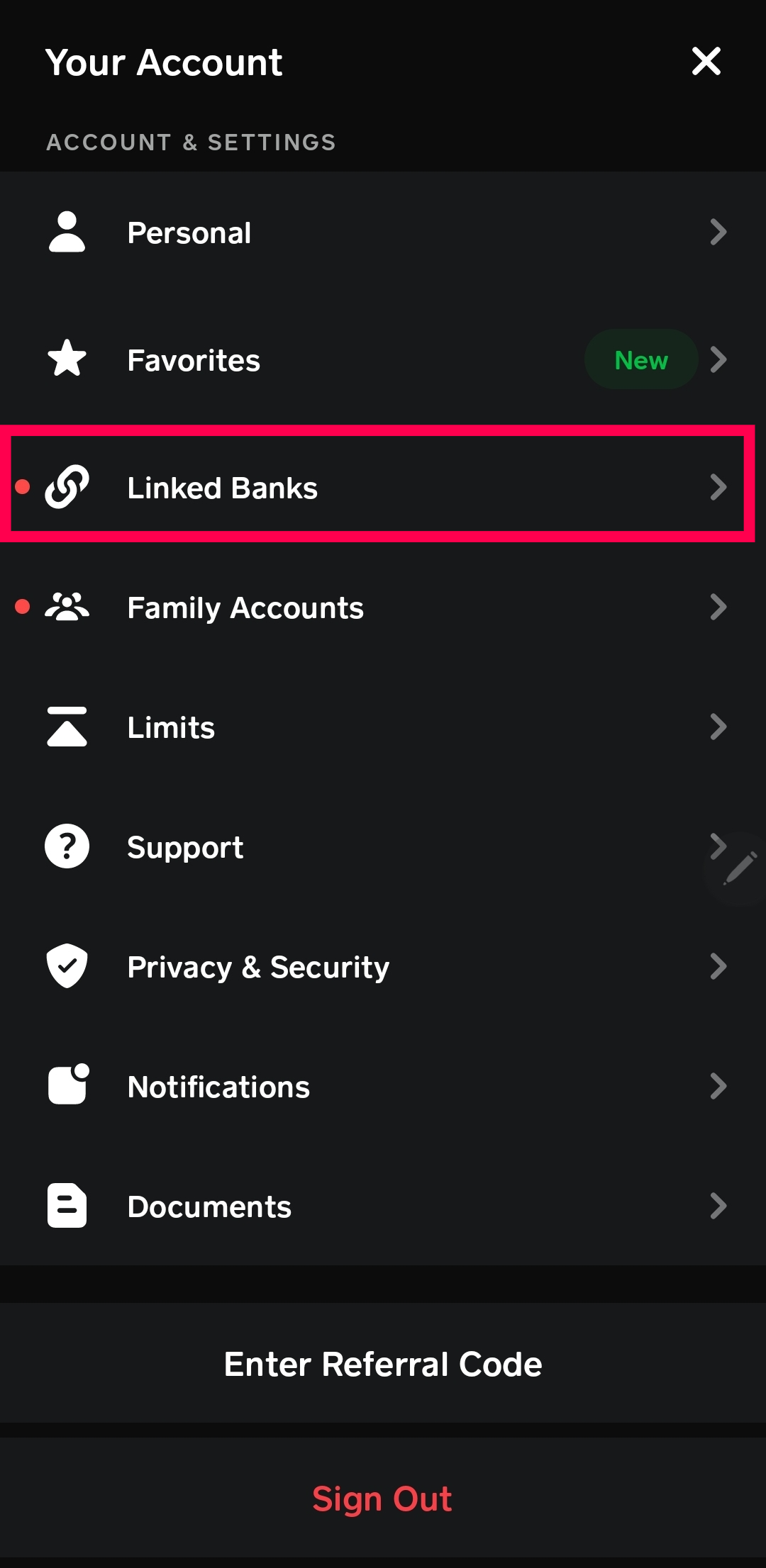
Access Profile: Tap the profile icon (often a circle with your avatar or initials) located in the top-right corner of the home screen.
-
Navigate to Linked Banks: Scroll down and select “Linked Banks.” This section manages all your connected financial accounts.
-
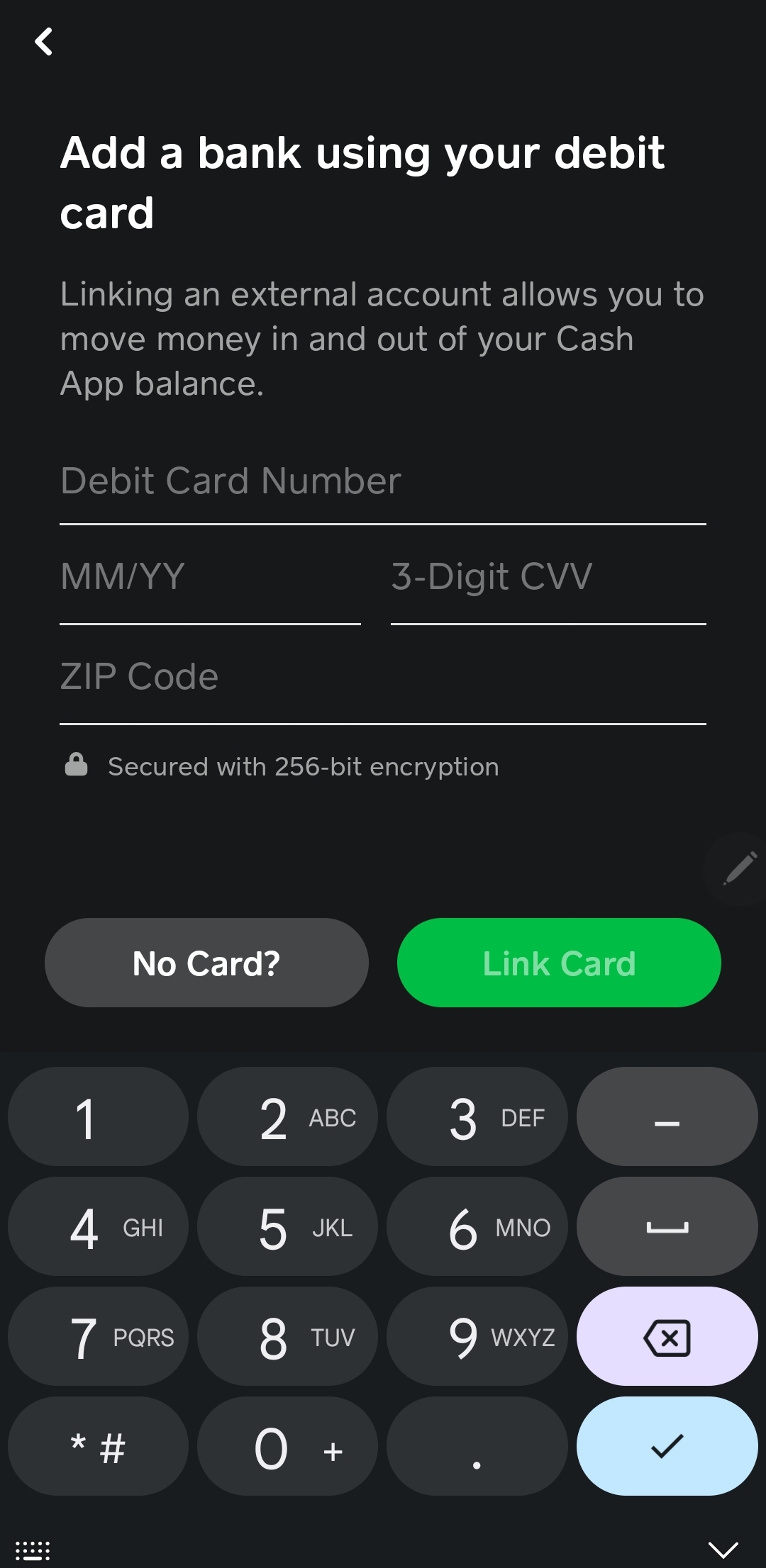
Initiate Credit Card Link: Under the “Credit Cards” sub-section, you’ll see an option to “Link Credit Card” or “Add Credit Card.” Tap on this.
-
Enter Card Details: You will be prompted to enter your credit card information:
-
16-digit credit card number.
-
Expiration date (MM/YY).
-
CVV (Card Verification Value – the 3 or 4-digit code on the back/front of your card).
-
Billing ZIP code associated with the credit card.
-
-
Confirm Link: After entering all details, tap “Link Card” or “Add Card.” Cash App will attempt to verify the card with your bank. This usually takes only a few seconds.
Verifying Your Financial Link
After the card is linked, it’s prudent to confirm the connection and understand how the 3% fee applies:
-
Check “Linked Banks”: Go back to the “Linked Banks” section in your profile. Your newly linked credit card should now appear under the “Credit Cards” list.
-
Test Transaction: Consider performing a small, low-risk transaction (e.g., sending $1 to a trusted friend or family member) to fully confirm the functionality and observe the fee application. When you initiate the payment, Cash App will clearly display the amount being sent and the 3% fee added, showing the total charge to your credit card. This confirms that the card is active for use within the app and that you understand the immediate financial impact.
Strategic Financial Usage: When and Why to Use a Credit Card on Cash App
While the 3% fee might seem like a deterrent, there are specific financial scenarios where using a credit card on Cash App can be strategically advantageous, provided you manage your credit responsibly.
Managing Cash Flow in Emergencies
In urgent situations where your linked debit account is low on funds or experiencing temporary issues, a credit card linked to Cash App can serve as a vital financial lifeline. It allows you to quickly send money to a friend, pay for an unexpected expense, or cover a bill when immediate access to your checking account isn’t possible. This is a classic example of leveraging credit for short-term liquidity, but it’s crucial to treat such instances as emergencies and plan to pay off the credit card balance promptly to avoid accumulating high-interest debt.
Maximizing Rewards and Benefits
For users with premium rewards credit cards, the 3% Cash App fee might, in rare cases, be offset by the rewards earned. This typically applies to cards offering very high reward rates (e.g., 3-5% cash back or points) on specific spending categories that Cash App transactions might fall under, or cards with signup bonuses contingent on meeting a spending threshold.
-
Calculate the Break-Even Point: To assess if it’s financially viable, compare your credit card’s reward rate to the 3% fee. If your card offers less than 3% effective rewards on the transaction, you are losing money. If it offers significantly more, it might be worth it.
-
Signup Bonuses: Using a credit card via Cash App to meet a large spending requirement for a significant signup bonus could be strategic, assuming the bonus value far exceeds the 3% fee incurred.
-
Specific Categories: Some credit cards offer bonus rewards on digital wallet transactions or specific merchant categories. Verify if Cash App transactions qualify for these accelerated reward rates.
Always perform a careful calculation to ensure that the value of the rewards genuinely exceeds the 3% fee. For most standard rewards cards (1-2% back), the fee will negate any benefit.
Avoiding Overdrafts and Insufficient Funds
If you know your bank account is running low and an immediate payment is necessary, using a credit card through Cash App can prevent costly overdraft fees from your bank. An overdraft fee can range from $20 to $35, making the 3% Cash App fee potentially a cheaper alternative for smaller transactions. This is a defensive financial strategy aimed at minimizing other charges, but it should not be a regular practice due to the inherent costs of credit card interest if balances are carried.
Situations to Exercise Caution (Financial Risks)
Despite the potential benefits, several financial pitfalls require careful consideration:
-
High-Interest Credit Cards: If your credit card carries a high Annual Percentage Rate (APR), using it for Cash App transfers and then carrying a balance will quickly lead to substantial interest charges, compounding the initial 3% fee. This can turn a seemingly small transaction into an expensive debt.
-
Budgeting Challenges: Easy access to credit can tempt individuals to overspend, especially when the money isn’t directly coming out of their immediate cash reserves. This can disrupt personal budgets and lead to accumulating credit card debt.
-
Transaction Limits: Be aware that Cash App has its own sending and receiving limits, which apply regardless of your credit card’s limit. This can prevent large transfers even if you have ample credit.
-
Debt Cycle: Relying on credit for P2P payments can initiate or exacerbate a cycle of debt if balances are not paid off in full and on time each month. This can negatively impact your credit score and overall financial health.
Best Practices for Financial Security and Responsible Credit Card Management on Cash App
Integrating a credit card with Cash App requires not just procedural knowledge but also a commitment to sound financial security practices and disciplined credit management.
Monitoring Transactions and Account Activity
Vigilant monitoring is your first line of defense. Regularly review:
-
Cash App Activity: Check your in-app transaction history frequently for any unfamiliar or unauthorized payments.
-
Credit Card Statements: Compare your Cash App transactions with your credit card statement. This allows you to spot discrepancies, confirm that the 3% fee was applied correctly, and identify any fraudulent charges that might have slipped through.
-
Alerts: Set up transaction alerts with your credit card issuer to be notified of every purchase, providing immediate awareness of any activity.
Budgeting and Debt Management
Incorporating credit card usage on Cash App into your overarching financial plan is critical for responsible use:
-
Allocate Funds: If you use your credit card for an emergency or to earn rewards, immediately allocate funds from your budget to pay off that specific Cash App-related credit card charge.
-
Avoid Carrying a Balance: Aim to pay off the entire credit card balance every month. This strategy avoids interest charges, effectively making the 3% Cash App fee the only cost (if not offset by rewards).
-
Debt Reduction Strategies: If you find yourself accumulating debt from Cash App or other sources, employ structured debt reduction methods like the “debt snowball” or “debt avalanche” to systematically pay down balances and regain financial control.
Protecting Your Financial Information
While Cash App employs security measures, personal vigilance is paramount:
-
Strong, Unique Passwords: Use a complex, unique password for your Cash App account.
-
Two-Factor Authentication (2FA): Enable 2FA for an added layer of security. This requires a second form of verification (like a code sent to your phone) for logins or sensitive actions.
-
Phishing Awareness: Be skeptical of unsolicited emails, texts, or calls claiming to be from Cash App. Never click suspicious links or provide personal/financial information in response to such communications. Cash App will not ask for your full credit card number or PIN via email or text.
-
Secure Network: Only access Cash App and link financial accounts over secure, private Wi-Fi networks or cellular data. Avoid public Wi-Fi networks when handling sensitive financial data.

When to Unlink Your Credit Card
Periodically reassess whether having your credit card linked to Cash App still serves your financial best interests:
-
Expired or Replaced Card: If your credit card expires, is lost, stolen, or replaced, it’s crucial to unlink the old card and, if desired, link the new one.
-
Budgetary Discipline: If you find yourself overspending or struggling with credit card debt due to the ease of access through Cash App, unlinking the card can be a valuable step in enforcing budgetary discipline.
-
Infrequent Use: If you rarely use your credit card with Cash App, unlinking it reduces the potential attack surface for fraud, even if minimal.
-
Security Concerns: If you suspect your Cash App account has been compromised, immediately unlink all financial instruments and change your password.
By adopting these best practices, you can harness the convenience of linking a credit card to Cash App while safeguarding your financial health and security. The key is mindful, informed, and disciplined usage.
aViewFromTheCave is a participant in the Amazon Services LLC Associates Program, an affiliate advertising program designed to provide a means for sites to earn advertising fees by advertising and linking to Amazon.com. Amazon, the Amazon logo, AmazonSupply, and the AmazonSupply logo are trademarks of Amazon.com, Inc. or its affiliates. As an Amazon Associate we earn affiliate commissions from qualifying purchases.