
Understanding the true “worth” of a dollar extends far beyond merely looking at its numerical face value. In an ever-evolving global economy, the purchasing power of a dollar, its stability relative to other currencies, and the macroeconomic forces that shape its destiny are critical for individuals, businesses, and investors alike. This deeper insight is fundamental to informed financial decision-making, from managing household budgets to navigating complex international trade.
The Nuance of “Worth”: Beyond the Numerical Value
The concept of a dollar’s worth is multifaceted, encompassing its ability to purchase goods and services, its value in international exchange, and its resilience against economic pressures. A dollar today may not hold the same purchasing power it did a decade ago, illustrating the dynamic nature of its actual value.
Purchasing Power: The True Measure
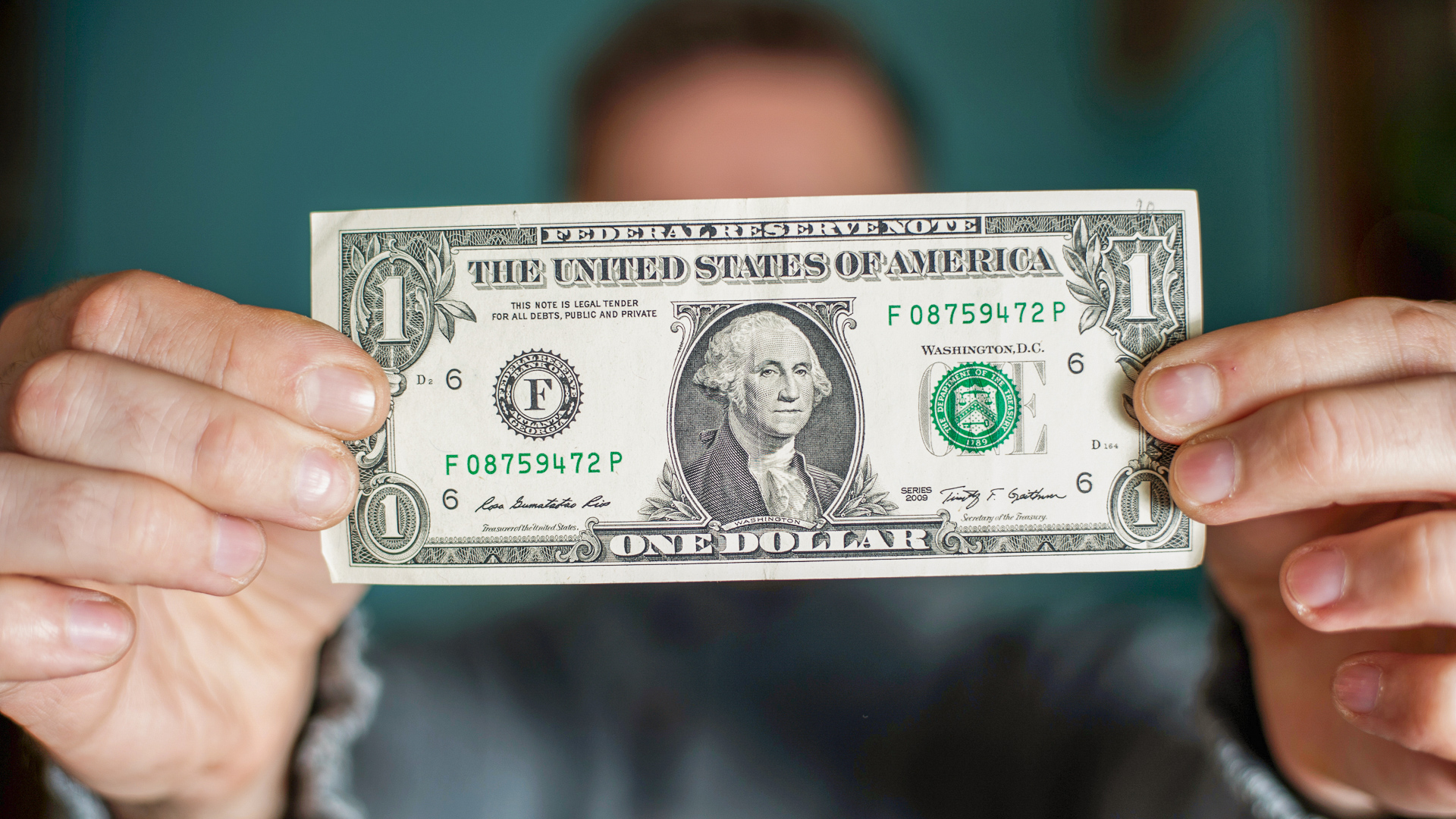
At its core, the worth of a dollar is best understood through its purchasing power—what it can genuinely buy. A dollar’s worth is not static; it fluctuates based on the prices of goods and services. If prices rise, your dollar buys less, effectively diminishing its worth. Conversely, if prices fall (a rare occurrence known as deflation), your dollar can acquire more, increasing its purchasing power. This fundamental concept underpins personal finance, as the goal is often to ensure your financial assets maintain, or ideally increase, their purchasing power over time.
Nominal vs. Real Value: Understanding Inflation’s Erosion
Economists distinguish between nominal and real value to account for changes in purchasing power. Nominal value refers to the face value of money or income at a given time. Real value, however, adjusts for inflation, providing a clearer picture of actual purchasing power. Inflation, a sustained increase in the general price level of goods and services in an economy over a period, is the primary antagonist to the dollar’s real worth. As inflation erodes purchasing power, the real value of a dollar declines. For instance, if inflation is 3% annually, a dollar today will only have the purchasing power of approximately $0.97 a year from now. Understanding this distinction is crucial for long-term financial planning, as it highlights the necessity of investments that can at least match, if not exceed, the rate of inflation to preserve wealth.
Macroeconomic Forces Shaping the Dollar’s Strength
The dollar’s worth is not an isolated phenomenon; it is intricately linked to a web of macroeconomic factors that influence its domestic stability and international standing. These forces are constantly at play, creating a dynamic environment that dictates the dollar’s perceived strength.
Inflation and Interest Rates: A Dual Impact
Perhaps the most significant drivers of the dollar’s worth are inflation and interest rates, primarily influenced by the Federal Reserve (the Fed) in the United States. When inflation rises, the Fed often responds by increasing interest rates to cool down the economy and bring price levels back under control. Higher interest rates make holding dollars more attractive for investors, as they can earn a better return on dollar-denominated assets. This increased demand can strengthen the dollar internationally. Conversely, lower interest rates or high unchecked inflation can weaken the dollar, as investors seek higher returns elsewhere or flee assets that are losing value rapidly.
Economic Growth and Stability: Investor Confidence
A robust and stable economy bolsters the dollar’s worth. Strong Gross Domestic Product (GDP) growth, low unemployment rates, and a stable political environment signal confidence to both domestic and international investors. When an economy is performing well, it attracts foreign direct investment and portfolio investment, increasing demand for the dollar to facilitate these transactions. Conversely, economic stagnation, high unemployment, or political instability can erode investor confidence, leading to capital outflow and a weaker dollar.
Trade Balances and Global Demand
The U.S. trade balance—the difference between its exports and imports—also plays a role. A large trade deficit (importing more than exporting) means more dollars are leaving the country to pay for foreign goods, which can put downward pressure on the dollar’s value. Conversely, a trade surplus or strong global demand for U.S. goods and services increases the demand for dollars, strengthening its worth. The dollar’s status as the world’s primary reserve currency means that many international transactions, particularly in commodities like oil, are denominated in dollars, creating a baseline global demand regardless of the U.S. trade balance.
Geopolitical Events and Market Perception
Global geopolitical events can also significantly impact the dollar’s worth. During times of international crisis, economic uncertainty, or political turmoil in other regions, the U.S. dollar often acts as a “safe haven” currency. Investors flock to the perceived stability and liquidity of U.S. Treasury bonds and other dollar-denominated assets, driving up demand and strengthening the dollar. This flight to safety illustrates how the dollar’s worth is not solely tied to U.S. domestic economic performance but also to its relative stability in a tumultuous global landscape.
The Dollar’s International Standing and Exchange Rates

Beyond its domestic purchasing power, the dollar’s worth is profoundly defined by its role on the international stage, particularly its status as a global reserve currency and its fluctuating exchange rates against other major currencies.
Reserve Currency Status: A Global Benchmark
The U.S. dollar holds a unique position as the world’s primary reserve currency. This means that central banks around the globe hold significant portions of their foreign exchange reserves in dollars. International trade, particularly in commodities like oil and gold, is often denominated in dollars. This widespread acceptance and demand for the dollar in international transactions provide it with inherent stability and liquidity. Countries need dollars to pay for international debts, conduct cross-border trade, and stabilize their own economies, perpetuating its dominant role. This demand acts as a floor for the dollar’s value, buffering it against some domestic economic shocks. However, discussions about de-dollarization and the rise of alternative currencies present potential long-term shifts to this dynamic.
Exchange Rate Dynamics: How Currencies Intersect
The exchange rate determines how much one dollar is worth in terms of another currency. Factors influencing exchange rates include interest rate differentials between countries, relative inflation rates, economic performance, and geopolitical stability. A strong dollar makes U.S. imports cheaper and international travel more affordable for Americans, but it makes U.S. exports more expensive for foreign buyers, potentially impacting trade balances. Conversely, a weak dollar makes exports more competitive but imports more costly. Businesses engaged in international trade or individuals planning foreign travel must constantly monitor these rates, as they directly impact their financial transactions and purchasing power abroad.
Hedging Against Currency Volatility
For businesses and investors with significant exposure to foreign currencies, managing exchange rate risk is paramount. Strategies like currency hedging, using financial instruments such as forward contracts or options, can lock in an exchange rate for future transactions, providing certainty and protecting against adverse currency movements. For individuals, diversifying investments across different currencies or asset classes that are less susceptible to dollar fluctuations can offer a similar, albeit less direct, form of protection.
Strategies to Preserve and Enhance Your Dollar’s Value
Given the various forces that can erode or boost the dollar’s worth, proactive financial strategies are essential for individuals and businesses aiming to preserve and grow their wealth. These strategies span personal finance, investment, debt management, and income generation.
Personal Finance: Smart Budgeting and Saving
The foundation of preserving your dollar’s worth begins with disciplined personal finance. Creating a comprehensive budget allows you to track income and expenses, identify areas for savings, and allocate funds effectively. Building an emergency fund—typically 3-6 months’ worth of living expenses—in a high-yield savings account or similar liquid vehicle, provides a crucial buffer against unforeseen expenses, preventing the need to incur high-interest debt that can diminish your dollar’s future purchasing power. Living within your means and making conscious spending decisions are critical steps.
Strategic Investing: Outpacing Inflation
One of the most effective ways to counteract inflation and grow the real value of your dollars is through strategic investing. Simply holding cash in a low-interest savings account guarantees a loss of purchasing power over time due to inflation. Investing in a diversified portfolio of assets such as stocks, bonds, real estate, and potentially commodities or alternative investments can provide returns that not only keep pace with but also exceed inflation. Long-term investment horizons, consistent contributions, and rebalancing your portfolio are key principles for leveraging the power of compounding and maximizing your dollar’s growth potential. Consulting with a financial advisor can help tailor an investment strategy to your risk tolerance and financial goals.
Debt Management: Unlocking Financial Freedom
High-interest debt, such as credit card balances or personal loans, acts as a significant drain on your financial resources, effectively diminishing the worth of every dollar you earn. Prioritizing the repayment of such debt can free up substantial funds that can then be redirected towards savings and investments. Strategies like the “snowball method” (paying off smallest debts first) or the “avalanche method” (paying off highest interest debts first) can provide a structured approach to becoming debt-free, thereby enhancing your overall financial health and the long-term worth of your money. Smart borrowing, such as low-interest mortgages or student loans, can be a tool for wealth creation but must be managed judiciously.
Income Diversification: Building Resilience
Relying on a single source of income can leave you vulnerable to economic downturns or job market shifts. Exploring avenues for income diversification, such as side hustles, freelance work, or investing in income-generating assets (e.g., dividend stocks, rental properties), can create multiple streams of income. This not only increases your overall earning potential but also builds financial resilience, providing a cushion if one income source diminishes. Online income opportunities, in particular, have proliferated, offering flexible ways to generate additional dollars and enhance your financial stability.

Utilizing Financial Tools: Empowering Decisions
In today’s digital age, a plethora of financial tools are available to help manage, track, and optimize your dollar’s worth. Budgeting apps provide real-time insights into spending habits. Investment platforms offer user-friendly access to various markets and educational resources. Robo-advisors can provide automated, low-cost investment management. Leveraging these tools can empower you to make more informed financial decisions, monitor your progress towards goals, and proactively adjust your strategies in response to changing economic conditions, ultimately safeguarding and growing the worth of your dollar.
aViewFromTheCave is a participant in the Amazon Services LLC Associates Program, an affiliate advertising program designed to provide a means for sites to earn advertising fees by advertising and linking to Amazon.com. Amazon, the Amazon logo, AmazonSupply, and the AmazonSupply logo are trademarks of Amazon.com, Inc. or its affiliates. As an Amazon Associate we earn affiliate commissions from qualifying purchases.