
Learning about the stock market can seem daunting at first glance, a complex world of charts, financial jargon, and high-stakes decisions. Yet, for those committed to building long-term wealth and achieving financial independence, understanding how stocks work is not just beneficial—it’s essential. This journey of education is an investment in itself, equipping you with the knowledge to navigate economic shifts, identify opportunities, and make informed choices that align with your financial goals. Far from being a exclusive club for financial professionals, the stock market is accessible to anyone willing to dedicate time and effort to learn its principles. This comprehensive guide will break down the process of learning stocks into manageable, actionable steps, transforming the seemingly insurmountable into a clear path toward financial literacy and successful investing.
Laying the Foundation: Understanding the Basics of Stock Investing
Before diving into complex strategies or market predictions, a solid grasp of fundamental concepts is paramount. Building this foundational knowledge is like learning the alphabet before attempting to read a novel; it provides the essential building blocks for all subsequent learning.
What Exactly is a Stock?
At its core, a stock (also known as equity) represents a fractional ownership interest in a company. When you buy a share of stock, you become a part-owner of that business. This ownership comes with certain rights, depending on the type of stock you hold, most commonly the right to a portion of the company’s profits (dividends) and the right to vote on certain corporate matters. Companies issue stocks to raise capital for various purposes, such as expanding operations, research and development, or debt repayment. The value of a stock fluctuates based on market demand, company performance, economic conditions, and investor sentiment. Understanding this fundamental concept—that a stock is a piece of a real business—is crucial to developing a sound investment mindset.
Demystifying the Stock Market
The stock market isn’t a single physical location but rather a vast, interconnected network where stocks are bought and sold. It encompasses various exchanges, such as the New York Stock Exchange (NYSE) and NASDAQ, along with countless online brokerage platforms. The primary function of the stock market is to facilitate the efficient exchange of shares between buyers and sellers, determining their fair market value based on supply and demand. It provides liquidity, allowing investors to easily buy and sell their holdings, and acts as a barometer for the overall economy. Understanding the market’s structure, its participants (individual investors, institutional investors, brokers, market makers), and how orders are executed provides essential context for any aspiring investor.
Key Concepts and Terminology
The world of stocks is rich with specific terminology that can initially feel overwhelming. Familiarizing yourself with these terms is a critical step in becoming conversant in financial discussions and understanding investment reports. Here are some essential terms to start with:
- Share Price: The current market value of a single share of stock.
- Market Capitalization: The total value of a company’s outstanding shares (share price multiplied by the number of shares).
- Dividend: A distribution of a portion of a company’s earnings to its shareholders.
- Earnings Per Share (EPS): A company’s net profit divided by the number of outstanding shares, indicating profitability on a per-share basis.
- Price-to-Earnings (P/E) Ratio: A valuation ratio that compares a company’s current share price to its earnings per share.
- Bull Market: A period characterized by rising stock prices and investor optimism.
- Bear Market: A period characterized by falling stock prices and investor pessimism.
- Volatility: The degree of variation of a trading price series over time.
- Brokerage Account: An investment account used to hold financial assets like stocks, bonds, and mutual funds.
Learning these and other key terms will empower you to understand financial news, company reports, and expert analyses, forming the linguistic foundation of your investment journey.
Diving Deeper: Essential Analysis Techniques
Once the basics are in place, the next step involves developing the skills to evaluate potential investments. This typically involves two primary forms of analysis: fundamental and technical. Both offer valuable insights, albeit from different perspectives.
Mastering Fundamental Analysis
Fundamental analysis is the process of evaluating a security in an attempt to measure its intrinsic value, by examining related economic, financial, and other qualitative and quantitative factors. The goal is to determine if a company’s stock is currently trading at a fair price, is undervalued, or is overvalued.
Decoding Financial Statements
The bedrock of fundamental analysis lies in a company’s financial statements. These documents provide a comprehensive snapshot of a company’s financial health and performance:
- Income Statement (Profit & Loss Statement): Reveals a company’s revenues, expenses, and profit (or loss) over a period, typically a quarter or a year. Key metrics here include revenue growth, gross profit, operating income, and net income.
- Balance Sheet: Presents a company’s assets, liabilities, and shareholders’ equity at a specific point in time. It provides insight into what a company owns, what it owes, and the value belonging to its owners.
- Cash Flow Statement: Shows how much cash a company generates and uses over a period, categorized into operating, investing, and financing activities. It’s crucial because “cash is king” and a company can look profitable on paper but struggle with cash flow.
Learning to read and interpret these statements is non-negotiable for serious investors. Online tutorials, financial accounting courses, and books dedicated to financial statement analysis are excellent resources.
Valuing a Company with Key Ratios
Beyond individual line items, financial ratios offer a comparative way to assess a company’s performance against its historical data, competitors, or industry averages. Some critical ratios include:
- Profitability Ratios: Gross Profit Margin, Net Profit Margin, Return on Equity (ROE).
- Liquidity Ratios: Current Ratio, Quick Ratio.
- Solvency Ratios: Debt-to-Equity Ratio.
- Valuation Ratios: P/E Ratio, PEG Ratio (Price/Earnings to Growth), Price-to-Book (P/B) Ratio.
Each ratio tells a specific part of the company’s story, and a holistic view is achieved by analyzing them collectively, alongside qualitative factors like management quality, competitive advantages, industry outlook, and brand strength.
Exploring Technical Analysis
While fundamental analysis focuses on “what to buy,” technical analysis often addresses “when to buy or sell.” Technical analysis is the study of past market data, primarily price and volume, to identify patterns and predict future price movements. It operates on the belief that all available information is already reflected in the stock price, and that prices move in trends.
Chart Patterns and Indicators
Technical analysts use various tools to interpret market data:
- Candlestick Charts: Visually represent open, high, low, and close prices for a specific period, revealing patterns of buying and selling pressure.
- Trend Lines: Lines drawn on charts to connect price points, indicating the direction and strength of a trend (uptrend, downtrend, sideways).
- Support and Resistance Levels: Price levels where a stock tends to stop falling (support) or stop rising (resistance).
- Moving Averages: A continuously updated average of a stock’s price over a specific period, used to smooth out price data and identify trends.
- Relative Strength Index (RSI), Moving Average Convergence Divergence (MACD), Stochastic Oscillator: These are examples of technical indicators that help identify overbought/oversold conditions, momentum, and potential trend reversals.

It’s important to note that technical analysis is often more suited for short-term trading and can be subjective. Many long-term investors combine elements of technical analysis with fundamental analysis to refine their entry and exit points.
Understanding Market Dynamics and Economic Factors
Beyond individual companies, broader market dynamics and macroeconomic factors significantly influence stock prices. Interest rates, inflation, GDP growth, unemployment rates, geopolitical events, and even consumer confidence can all impact the market. Understanding how these factors generally influence different sectors or industries can provide a crucial macro perspective, helping you anticipate market shifts and protect your portfolio. Following reputable financial news sources and economic reports will keep you informed.
Crafting Your Investment Strategy and Managing Risk
Learning about stocks isn’t just about analysis; it’s about developing a personal investment philosophy and, critically, understanding how to manage the inherent risks. Without a strategy, investment decisions can become reactive and emotional, leading to poor outcomes.
Popular Investment Philosophies
There are numerous approaches to investing, each with its proponents and suitable for different temperaments and goals:
- Value Investing: Pioneered by Benjamin Graham and popularized by Warren Buffett, this strategy involves buying stocks that are trading below their intrinsic value. Value investors look for strong companies with solid fundamentals that are temporarily out of favor or undervalued by the market.
- Growth Investing: Focuses on companies expected to grow at an above-average rate compared to the market. These companies often reinvest their earnings back into the business rather than paying dividends, aiming for significant capital appreciation.
- Dividend Investing: Concentrates on stocks that pay regular dividends, providing a steady income stream. These are often mature, stable companies with a history of consistent profitability.
- Index Investing (Passive Investing): Involves investing in broad market index funds or ETFs (Exchange-Traded Funds) that track an entire market segment (e.g., S&P 500). This strategy aims to match market returns rather than beat them, often with lower fees and less active management.
Choosing a strategy that aligns with your personality, risk tolerance, and financial objectives is a crucial step. Many investors also adopt a hybrid approach, blending elements from different philosophies.
The Imperative of Diversification
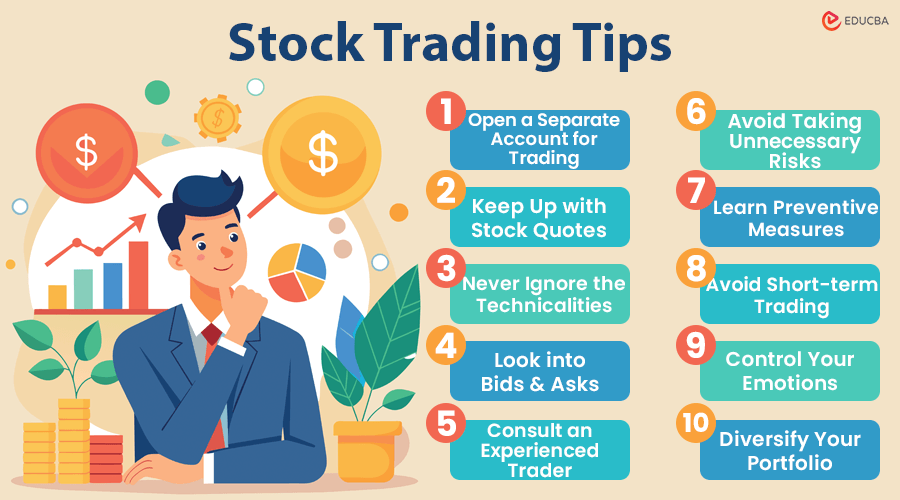
“Don’t put all your eggs in one basket” is one of the oldest and most important pieces of investment advice. Diversification means spreading your investments across various assets, industries, and geographies to reduce overall risk. If one investment performs poorly, others may perform well, mitigating the impact on your overall portfolio. This can involve:
- Asset Allocation: Dividing investments among different asset classes like stocks, bonds, real estate, and cash.
- Sector Diversification: Investing in companies across various industries (e.g., technology, healthcare, consumer goods).
- Geographic Diversification: Investing in companies from different countries or regions.
- Company Diversification: Owning a sufficient number of individual stocks (often 20-30 for individual stock pickers) to avoid over-reliance on any single company.
Risk Management and Emotional Discipline
Investing inherently involves risk. The price of any stock can go down, and you could lose money. Effective risk management involves:
- Defining Your Risk Tolerance: Understanding how much volatility and potential loss you are comfortable with.
- Setting Stop-Loss Orders: For shorter-term trades, these orders automatically sell a stock if it falls to a certain price, limiting potential losses.
- Position Sizing: Determining how much capital to allocate to any single investment.
- Avoiding Emotional Decisions: Fear and greed are powerful emotions that can lead investors astray. Sticking to your pre-defined strategy, avoiding impulsive reactions to market fluctuations, and not chasing trends are critical for long-term success. Developing a long-term perspective can help weather short-term market noise.
Practical Steps and Continuous Learning
Learning about stocks is an ongoing process, not a destination. Theory must eventually be put into practice, and the market continuously evolves, requiring perpetual adaptation and learning.
Choosing the Right Brokerage Account
To buy and sell stocks, you’ll need a brokerage account. There are many options available, from full-service brokers offering personalized advice to discount brokers with low fees and robust online platforms. When choosing, consider:
- Fees and Commissions: Look for low or zero commission trades.
- Minimum Deposit Requirements: Some brokers have minimums to open an account.
- Investment Options: Does the broker offer individual stocks, ETFs, mutual funds, and other assets you might be interested in?
- Research and Tools: Access to fundamental data, technical charts, analyst reports, and educational resources.
- Customer Service: Responsiveness and helpfulness.
- Platform User-Friendliness: Especially important for beginners.
Research reviews and compare options to find the best fit for your needs.
Starting with Practice: Paper Trading and Small Investments
Before committing significant capital, practice makes perfect.
- Paper Trading (Simulated Trading): Many brokerage platforms offer virtual portfolios where you can trade with fake money. This allows you to test strategies, get comfortable with the platform, and experience market dynamics without any financial risk. It’s an invaluable learning tool.
- Starting Small: Once you feel ready to invest real money, begin with a small, manageable amount that you can afford to lose. This allows you to experience the emotional ups and downs of real investing and learn from actual market outcomes without catastrophic financial consequences. As you gain experience and confidence, you can gradually increase your investment size.
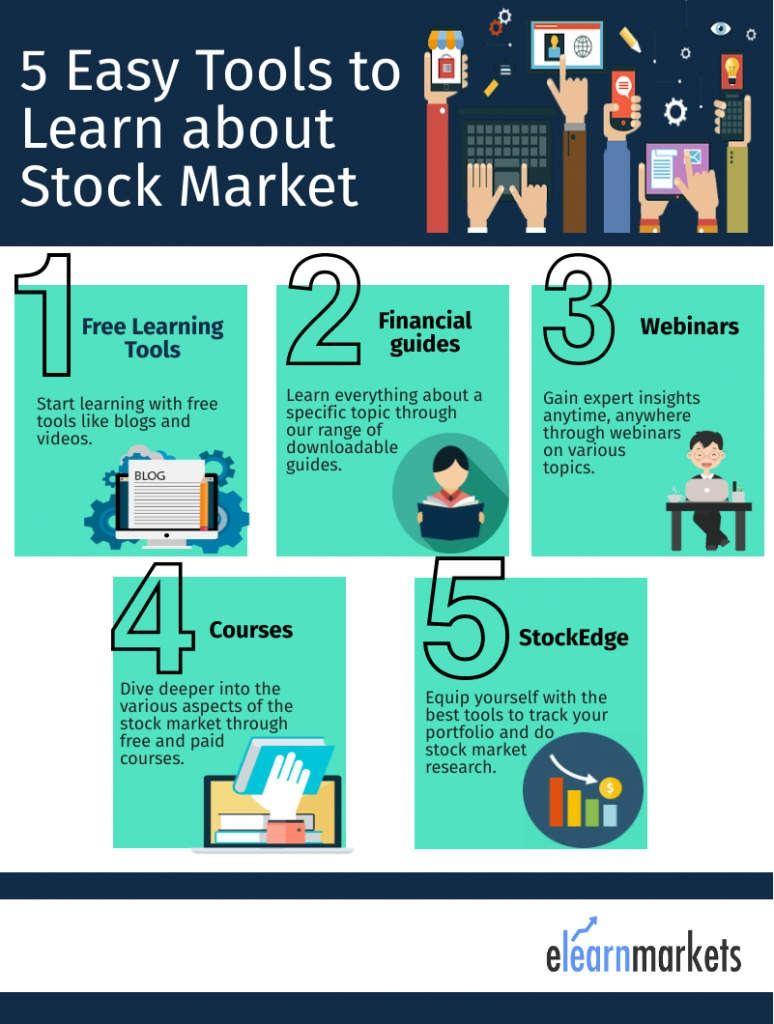
Leveraging Educational Resources and Communities
The wealth of information available today is unprecedented. Utilize it:
- Books: Classic investment books by authors like Benjamin Graham, Peter Lynch, John Bogle, and Warren Buffett provide timeless wisdom.
- Online Courses and Tutorials: Many platforms (Coursera, Udemy, Khan Academy) offer structured courses on investing and finance.
- Financial News and Websites: Reputable sources like The Wall Street Journal, Financial Times, Bloomberg, Investopedia, and Yahoo Finance offer daily news, analysis, and educational content.
- Podcasts and YouTube Channels: Many financial experts share insights and market commentary.
- Investment Communities: Online forums and groups can be valuable for sharing ideas and learning from others, but always exercise caution and critical thinking regarding advice from unverified sources.
The Journey of Lifelong Learning
The stock market is a dynamic entity, constantly influenced by new technologies, economic shifts, and global events. What worked yesterday might not work tomorrow. Therefore, continuous learning is paramount. Stay curious, read widely, analyze your successes and failures, and remain open to adapting your strategies. The most successful investors are perpetual students, always refining their knowledge and understanding of the market.
Learning how to learn stocks is a journey that can empower you to take control of your financial future. By patiently building a strong foundational understanding, diligently developing analytical skills, crafting a sound investment strategy, and embracing continuous learning, you can transform complex market dynamics into a powerful tool for achieving your wealth-building aspirations.
aViewFromTheCave is a participant in the Amazon Services LLC Associates Program, an affiliate advertising program designed to provide a means for sites to earn advertising fees by advertising and linking to Amazon.com. Amazon, the Amazon logo, AmazonSupply, and the AmazonSupply logo are trademarks of Amazon.com, Inc. or its affiliates. As an Amazon Associate we earn affiliate commissions from qualifying purchases.